
Reviewed · HVAR TOURS & ACTIVITIES
Back to the Roots – Ancient Island Interactive Experience
Bread, wine, and nets, taught by locals. I love the hands-on village skills you practice, from grinding wheat to mending a fisherman’s net, and I also love how it all happens inside a family-run ancestral home where the meal feels like part of the lesson. One consideration: with just about 1 hour 15 minutes, it is intense, so you should go with curiosity, not a slow, linger-and-stroll pace.
This is a private experience in English, and you get a mobile ticket and a small-group feel since it is only your party. The focus is practical, not performance, so you come away knowing how these everyday island tasks used to work.
In This Review
- Key highlights you should know before you go
- From Vrisnik meeting point to a working ancestral home
- The peka bread lesson, grinding wheat and tasting the point
- Grapes to wine: pressing grapes and learning the household timeline
- Fishing skills: mending nets and salting your own catch
- Olive oil, sardines, tomatoes, and a farmer-fisher lunch that makes sense
- Paprenjok cookie and the sweet side of island craft
- Crafts and everyday know-how: weaving, coopers work, and ironing with embers
- Meeting the hosts: traditional costumes and the storytelling style
- Price, time, and value on Hvar: is it worth about $155?
- Who should book Back to the Roots on Hvar?
- Quick practical tips so you get the most from the session
- Should you book this interactive living history experience?
Key highlights you should know before you go
- Peka bread workshop where you grind wheat and learn the bread rhythm behind old fire cooking
- Olive oil tasting from a stone vessel paired with warm bread drizzled simply, but beautifully
- Farmer and fisherman lunch combo including hand-involved prep like salted sardines with tomatoes and zucchini
- Traditional crafts beyond food like weaving a scarf or bracelet and trying cooper craft skills
- Fire and everyday household know-how like how figs were dried and how to iron clothes with embers
- Warm hosting in traditional clothing with guides you may meet, such as Magdalena and Lana (and you might also interact with Jacob or Jaksa)
From Vrisnik meeting point to a working ancestral home
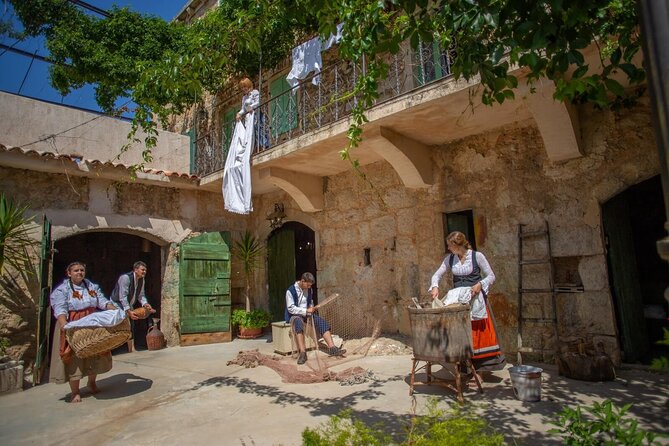
Your experience starts at Vrisnik (5M32+9F Vrisnik), and it ends back at the meeting point. From there, the program centers on Terra Arhaica, an ancestral, stone-built setting that does not feel like a standard museum. It is more like stepping into someone’s past routine, with you participating rather than watching from a safe distance.
The structure is compact: you learn a skill, you handle tools or ingredients, then you connect it to the meal. At about 1 hour 15 minutes, you will not see everything in the long-history sense, but you do get a solid cross-section of how island life ran on fire, food, and tools.
The peka bread lesson, grinding wheat and tasting the point
The bread part is the heart of the experience. You learn how ancestors made bread under a peka, then you grind your own wheat, which makes the rest of the meal feel earned rather than just served. The peka method is all about timing and heat control, and having your hands involved helps you understand why old cooking worked when there was no shortcut.
Then comes the payoff: you taste fresh warm bread drizzled with olive oil. One detail I really like is that the oil tasting is tied to the production story, including scooping oil from a stone vessel. That single moment turns olive oil from a generic restaurant ingredient into something with a process behind it.
Still riding at anchor off Hvar
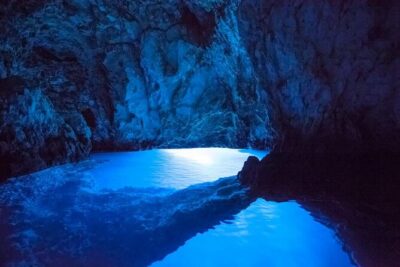
- Blue Cave & Vis Island speedboat tour from Hvar★ 5.0 · 890 reviews
- From Hvar: Vis Island and Blue Cave Speedboat Tour★ 4.8 · 773 reviews
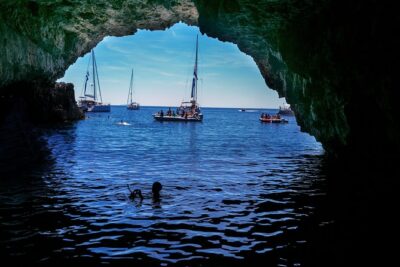
- Blue Cave and Pakleni Islands group Tour from Hvar★ 5.0 · 490 reviews
Grapes to wine: pressing grapes and learning the household timeline
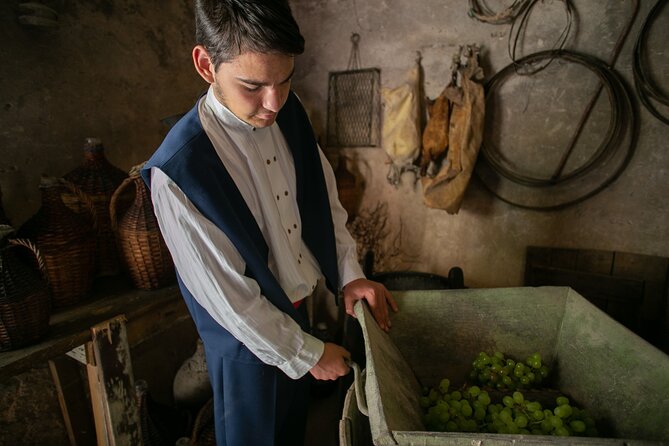
Next you move into viticulture basics, learning how to press grapes and turn juice into wine. This is not just trivia. It is a quick look at the transformation that had to happen fast after harvest, using simple tools and careful handling.
The best way to get value here is to pay attention to the pace. Even though the activity is short, the learning moves in practical steps, like what you do first, what comes next, and why fire and storage mattered. Old food systems were built around timing, and this part gives you a feel for that rhythm.
Fishing skills: mending nets and salting your own catch
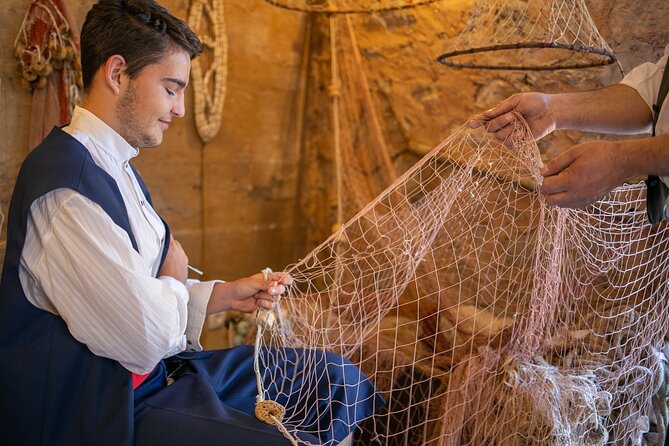
If bread and wine are the land side, the fishing lessons are the sea side. You learn how to mend a fisherman’s net and you familiarize yourself with the tools used. You also learn the importance of the fire and fireplace, which matters because preserving and cooking depended on heat and drying routines.
Then comes one of the most memorable “this is real life” lessons: salting your own fish. That might sound simple, but it is exactly the kind of knowledge that kept food usable when refrigeration did not exist. When you connect the work to the meal that follows, you get a stronger appreciation for why salting was not optional on an island.
Olive oil, sardines, tomatoes, and a farmer-fisher lunch that makes sense
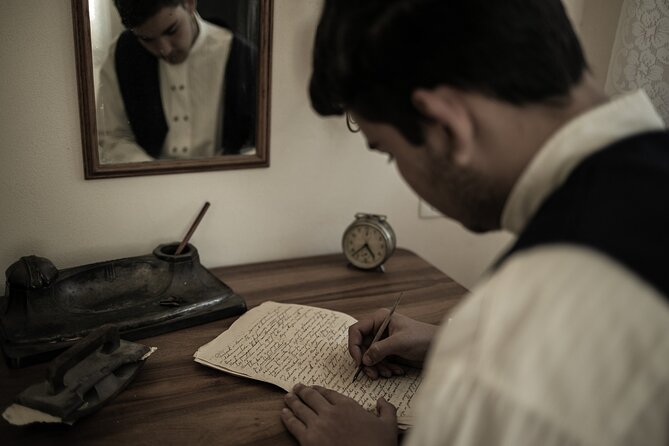
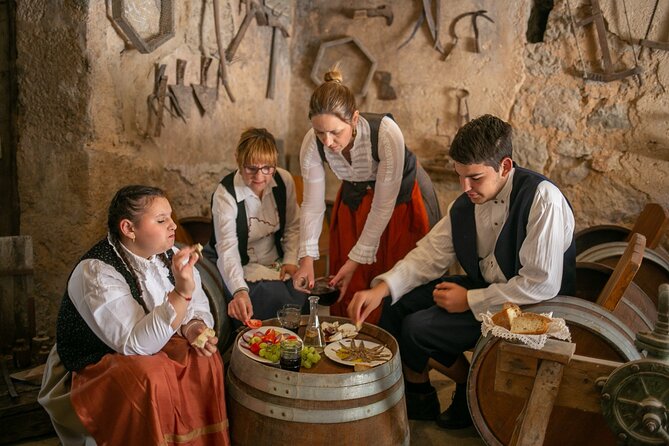
Food is not an afterthought here. The tasting focuses on local ingredients and traditional preparation, and you actually get involved with key components.
You start with olive oil tasting, scooping from the stone vessel, then you move to a lunch featuring salted sardines with fresh tomatoes and zucchini that you handpicked from the garden. That handpicked detail matters because it keeps the meal tied to the setting, not just to a menu description.
The program also aims for a “farmer meets fisherman” balance in the lunch itself. Depending on the flow of your group, you may encounter added drink and sweet components mentioned by past visitors, like honey and wine, and in some cases grappa. I like that this experience treats food like a full island package, not only a few highlighted bites.
Two moorings down in Hvar:
- From Hvar: Blue and Green Cave Day Tour
★ 4.3 · 479 reviews - From Hvar: Boat Tour to Pakleni Islands on a Comfort Yacht
★ 4.8 · 424 reviews - Boat Tour at Delfina Hvar
★ 5.0 · 243 reviews - Blue cave group tour with swimming and snorkelling from Hvar
★ 5.0 · 227 reviews
Paprenjok cookie and the sweet side of island craft
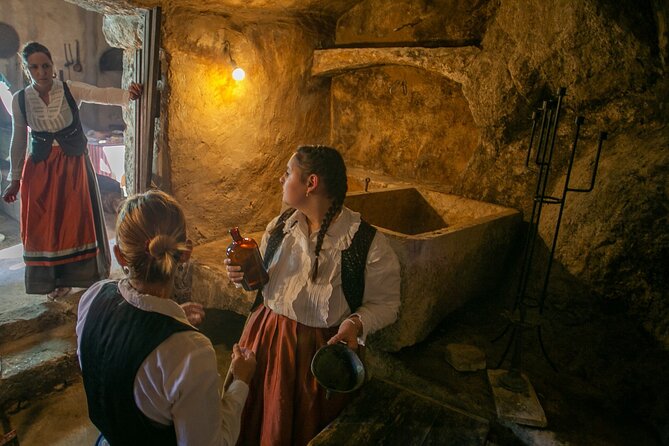
You finish the tasting experience with a traditional paprenjok cookie. You also get the secret recipe, which is the kind of detail that makes a cookie feel like a cultural artifact rather than a generic dessert. This is one of the easier ways to spot what makes Terra Arhaica different from a basic meal, you leave with a story you can repeat.
From the craft angle, you also learn how figs were dried. That connects to the sweet course, because drying was a core method for turning seasonal fruit into something you could enjoy later. Even if you already like Croatian sweets, this gives you the practical why behind the flavor.
Crafts and everyday know-how: weaving, coopers work, and ironing with embers
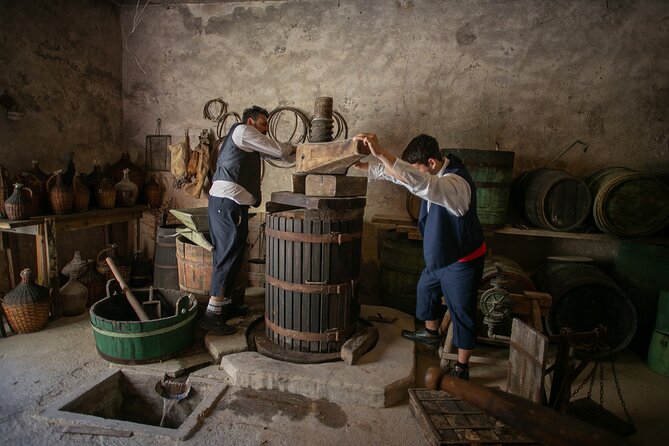
Not every “history” experience sticks to cooking. This one adds real household and craft tasks, and it keeps the learning hands-on.
You can expect lessons like:
- How to weave a scarf or bracelet
- A chance to experience cooper’s craft for a moment (barrels and woodwork knowledge)
- Learning how to iron clothes with embers
I especially like the ironing-with-embers concept because it highlights something modern travelers often miss. Old life was technical, even for chores. Heat management was a skill, and your learning here is partly about understanding the process and safety, not just copying a trick.
This is a good moment for families too, because the crafts are visual and interactive. It is not only adults asking, what is that, and then moving on.
Meeting the hosts: traditional costumes and the storytelling style
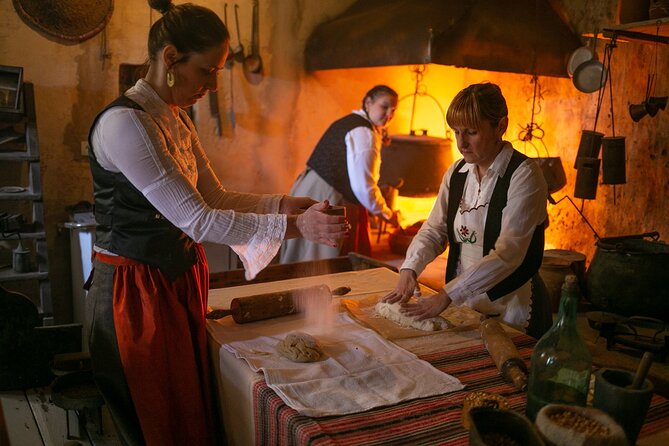
One of the most praised parts is how welcoming the hosts feel, including family members who may include Magdalena and Lana, and in some visits Jacob or Jaksa. You may meet them in traditional clothing, and the experience is described like being welcomed into a home instead of queued through an exhibit.
The storytelling style matters. It is tied to action: you learn a skill, you taste what it produces, then you understand why it mattered to everyday island life. That approach is why the experience tends to feel memorable even after you leave Hvar’s busy areas.
Price, time, and value on Hvar: is it worth about $155?
At $155.33 per person for roughly 1 hour 15 minutes, you should think of this as a premium, hands-on food and craft workshop, not a cheap attraction. The value comes from three things working together:
First, it is private for your group, so you are not stuck competing with strangers for attention during the hands-on parts. Second, the program mixes skills with a meal, so you are paying for learning plus food plus hosting time. Third, it is a family-run setting where the food is presented as a continuation of work, not staged for a buffet line.
The time can be a plus if you want a concentrated hit of authentic island life. If you prefer slow sightseeing and lots of downtime between activities, you might find it a bit busy. In that case, consider pairing it with calmer mornings and leaving the rest of the day open.
Who should book Back to the Roots on Hvar?
This is a great fit if you want:
- More than a food tour, you want making and trying
- A family-run, hands-on lesson in how everyday tasks once worked
- A short experience you can place into a day on Hvar without losing half your afternoon
It is also a solid family option. One of the common compliments is that it works well with kids around 10 to 12, since they can participate in crafts and food tasks.
If your idea of a vacation day is mostly beach time plus broad, scenic walking, you might feel this is too active. But if you like learning by doing, you will probably enjoy the mix of bread, wine basics, fishing tools, and crafts.
Quick practical tips so you get the most from the session
Bring your curiosity and a willingness to get hands involved. Wear comfortable clothes you do not mind using while learning bread-making and tool-related tasks, especially since fire-based learning is part of the program.
Also, go in hungry. Even with only about 1 hour 15 minutes, the program includes tasting and lunch elements that go beyond a quick snack.
Finally, take a moment to slow down your questions. Ask how and why, not only what. This kind of living-history format rewards a little attention to process.
Should you book this interactive living history experience?
I think it is a strong pick if you want authentic island life you can taste and touch. The biggest wins are the hands-on workshops, the warm family welcome, and the way the meal ties directly to what you learn, from bread and olive oil to sardines and garden vegetables.
I would not book it if you want a long, wander-through museum style visit or if you dislike structured, active time. But if you are looking for a memorable, practical window into how ancestors made food and handled daily chores, this is one of the best uses of a short block of time on Hvar.
Latest arrivals logged at Hvar


Hvar Tours & Activities, compared.
Blue Cave & Vis Island speedboat tour from Hvar
Read our review →
Blue Cave and Pakleni Islands group Tour from Hvar
Read our review →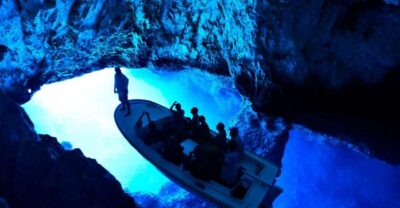
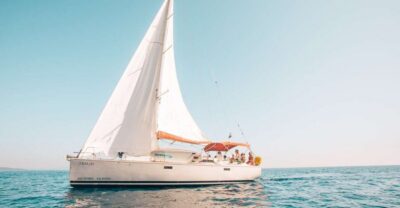
Boat Tour to Pakleni Islands on a Comfort Yacht
Read our review →
Blue cave group tour with swimming and snorkelling from Hvar
Read our review →
Browse the lists this tour appears in