
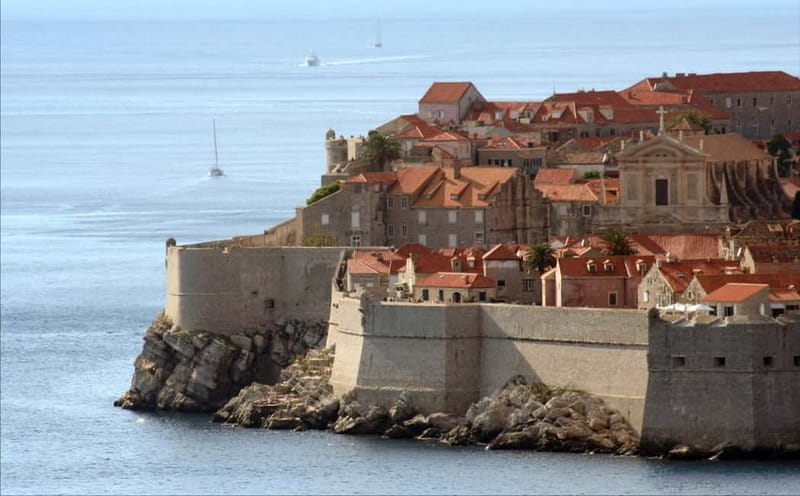
Reviewed · DUBROVNIK CITY WALLS TOURS
Dubrovnik City Walls: Small-Group 2-Hour Tour With a Local
City walls, real stories, not postcards. This 2-hour walk along Dubrovnik’s fortifications turns big views into a clear story about how the city defended itself. I love the Old Harbor viewpoints, and I love hearing what it feels like to live inside the walls, but the big catch is stairs, including more than 700 of them.
What makes this tour genuinely practical is the guide setup. You’ll go with a licensed English-speaking local in a small group of up to eight, and names like Marko and Roco show up a lot for their humor and interactive style, plus plenty of time to ask questions. If you’re afraid of heights or have low fitness, it won’t be a comfortable choice.
In This Review
- Key points at a glance
- Wall Walk With Harbor Views From Ploče Gate
- From Fort Revelin to the Old Harbor, Why the Walls Exist
- Siege Tactics on the Northern Walls: Bows, Stone Boulders, and Towers
- Minčeta Fortress: Michelozzi, the Gun Foundry, and the Best Views
- Forts Lovrijenac and Bokar, Plus the 12-Meter Wall Detail
- Southern Stretches: Old and Young Sections, Venice Rivalry
- Stradun From Above, and What Life Inside the Walls Means
- Price and Tickets: What You Really Pay for a 2-Hour Wall Walk
- Who Should Book This Tour, and Who Should Skip It
- FAQ
- Where is the meeting point?
- How long is the tour?
- Is the city walls entrance ticket included?
- How much are city walls tickets if I do not have a pass?
- How many people are in the group?
- What language is the tour guide?
- Is the tour suitable for people with walking difficulties or mobility issues?
- Should You Book This Dubrovnik City Walls Small-Group Tour?
Key points at a glance
- Start just inside Ploče Gate, at a small square overlooking the old harbor, near the cannon
- Up to 8 people per guide, so you get real answers, not a lecture from the back
- 700+ stairs and no elevator, so bring sturdy shoes and expect a workout
- Fort Revelin to Minčeta Fortress, with explanations of medieval defense and siege tactics
- Michelozzi at Minčeta, plus notes on the old gun foundry and the cannons
- A smart photo angle at Stradun, seen from the wall for a less typical view
Wall Walk With Harbor Views From Ploče Gate
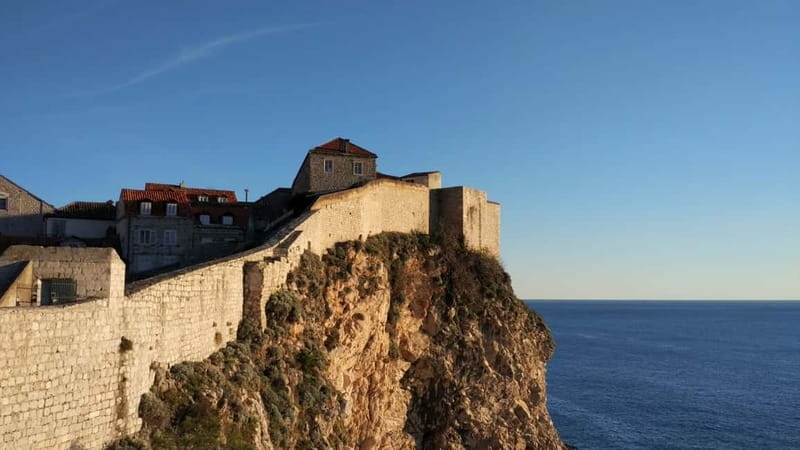
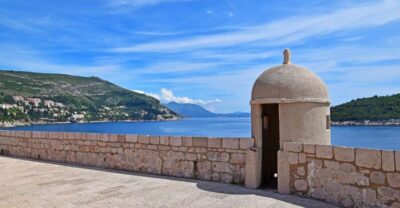
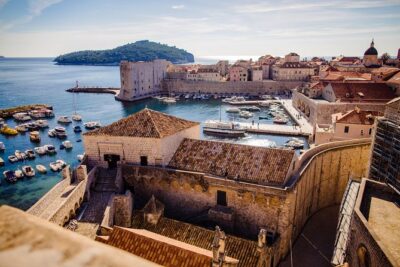
The tour begins in a small square right by Ploče Gate, the eastern entrance to Dubrovnik’s Old Town. Your guide is easy to spot, holding a red and white flag in the corner by the cannon. If you arrive early, you can take a moment to look outward over the harbor first, because that’s the visual mood the tour builds from.
From the start, the experience is about perspective. You’re high above the water, looking down on the Old Harbor while your guide explains why the harbor mattered so much to the Dubrovnik Republic. It’s a walking tour, yes, but it feels like you’re learning the city’s “why” before you learn the “what.”
Also, the small-group size changes the rhythm. With up to eight people, you can keep up with the pace, and you can ask follow-up questions when something clicks, like why certain forts were positioned where they were.
From Fort Revelin to the Old Harbor, Why the Walls Exist
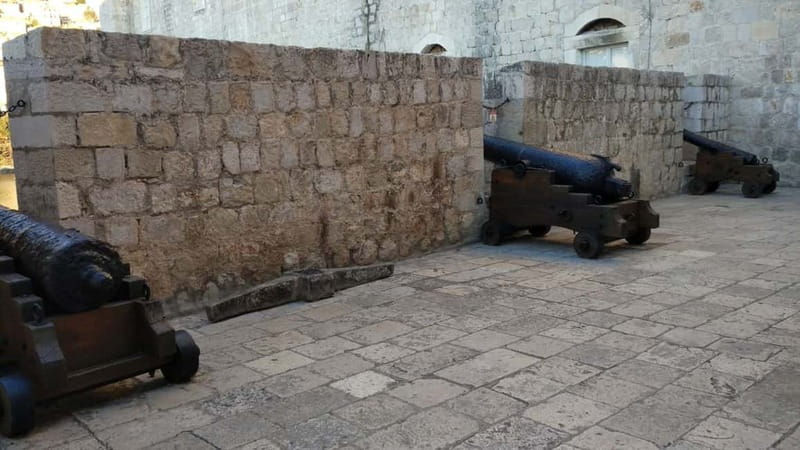
You’ll step onto the walls and start climbing fairly quickly, with the harbor opening up in front of you. This part matters because it frames the whole tour: Dubrovnik wasn’t just pretty, it was strategically built around maritime life. Your guide will connect the harbor’s role to trade, seafaring strength, and the very real need to protect supply routes from enemy incursions.
Then comes Fort Revelin, one of the key defensive structures guarding the eastern approach. Expect your guide to walk you through what it was for, not just where it sits. This is where the tour starts feeling less like sightseeing and more like understanding a system, how the city used height, placement, and controlled access.
If you’re the kind of traveler who likes facts you can picture, this section is a good match. The guide tends to make medieval defense feel practical, even when the details get technical, like the weapon and siege logic behind the walls.
More circuits of the old ramparts:
- Dubrovnik: City Walls Early Morning or Sunset Walking Tour★ 4.8 · 1,523 reviews
- Dubrovnik: Ancient City Walls & Wars Walking Tour★ 5.0 · 1,270 reviews
- Dubrovnik Combo: Old Town & Ancient City Walls★ 5.0 · 1,019 reviews
Siege Tactics on the Northern Walls: Bows, Stone Boulders, and Towers
As you move along the northern stretch of the walls, you’ll get a focused lesson on medieval warfare and how Dubrovnik prepared for attacks. You’ll hear about bows and arrows, stone boulders, and the siege tactics used against fortified cities. The goal is to help you read the walls like a battlefield tool, not just a scenic border.
At a strategic tower, the tour turns from mechanics to politics. You’ll learn about Dubrovnik’s relationship with the Ottoman Empire, and how diplomacy often won out over armed conflict. This is a useful change of pace because it explains why the city-state survived while bigger powers jostled nearby.
For me, the best part here is balance. The tour doesn’t present Dubrovnik as either purely heroic or purely doomed. It shows the mix of preparation and negotiation that kept the city running.
Minčeta Fortress: Michelozzi, the Gun Foundry, and the Best Views
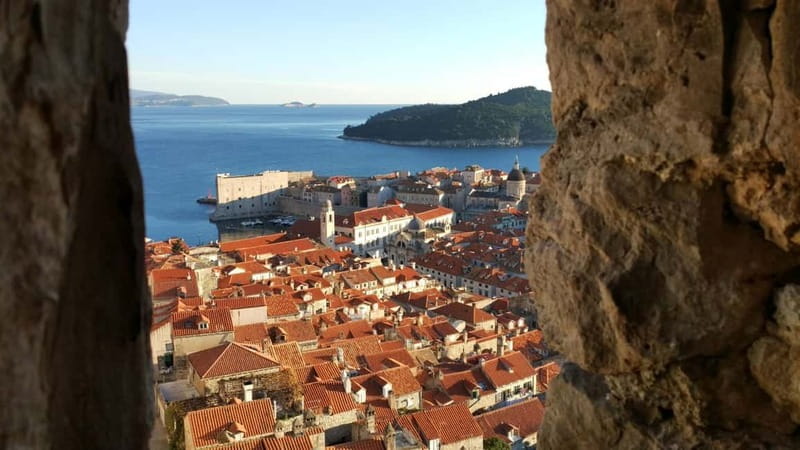
One of the biggest highlights is Minčeta Fortress. You’ll reach it while taking in wide views over Dubrovnik, and the tour is paced so you can actually enjoy the panorama while your guide points out what you’re seeing.
This stop is also where the guide’s storytelling really pays off. You’ll hear about the contributions of the Italian architect Michelozzi to the fortress, plus details connected to defense technology like the old gun foundry and the impressive array of cannons that once protected these walls.
If you care about photography, this is a top moment. The lighting can be great on many departures, described as warm morning sun, and the height gives you a clean sense of where the city sits in relation to the sea. Even if you don’t take many photos, you’ll probably want one here, because it’s one of those views that helps everything else make sense.
Tip: plan on slowing down at Minčeta. When you’re climbing, it’s easy to rush the view. But this is where the tour earns your full attention.
Forts Lovrijenac and Bokar, Plus the 12-Meter Wall Detail
As the route continues along the western stretch, you’ll learn about Forts Lovrijenac and Bokar and their role in protecting the Pile Gate. The tour connects these forts to the idea of controlling entrances, which is exactly what you’d expect from a fortified city. Seeing the walls and then learning which gates mattered most helps the architecture click into place.
Here’s a standout detail that sticks: some sections of Lovrijenac’s walls reach twelve meters thick. Your guide explains this in a way that makes it feel real. It’s not just an impressive number, it’s a reminder that the city treated defense as something you engineered, not something you hoped for.
This portion of the walk also gives you a change in angle. The views shift, and you see how different parts of the wall were meant to respond to different threats.
Still riding at anchor off Dubrovnik
- Blue Cave Small-Group Boat Tour from Dubrovnik
★ 5.0 · 9,360 reviews - Full-Day Dubrovnik Elaphite Islands Cruise with Lunch and Drinks
★ 5.0 · 8,823 reviews - Dubrovnik: Epic Game of Thrones Tour + Lokrum & Saver Option
★ 4.9 · 5,995 reviews - Dubrovnik: Elaphiti Islands Full-Day Cruise with Lunch
★ 5.0 · 5,938 reviews
Southern Stretches: Old and Young Sections, Venice Rivalry
Moving along the southern stretch of the medieval walls, you’ll notice how the story changes depending on what’s being shown. You’ll uncover the oldest and youngest sections of the walls, and you’ll learn why that matters. It’s a quick way to understand that the city’s defenses evolved over time, responding to new risks and new needs.
Your guide also brings in Dubrovnik’s historical ties with Venice and the enduring rivalry between these maritime powers. That detail helps you connect the walls to economics and influence, not just warfare. Walls and diplomacy go together, and the tour makes that pairing feel clear.
By the end of this segment, the walls stop feeling like a single uniform structure. Instead, you start noticing them as a living record of decisions made across generations.
Stradun From Above, and What Life Inside the Walls Means
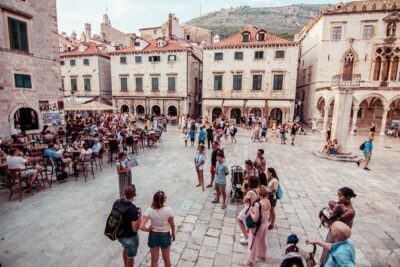
Midway through the walk, there’s a perfect photo opportunity: you’ll capture Stradun, Dubrovnik’s main street, from a unique vantage point. The angle is part of the value here, because it shows the city layout in a way you can’t get from street level. It’s also a quick moment to look around and orient yourself before continuing along the walls.
This tour also aims for something beyond views. You’re getting an explanation of what it’s like to live inside the walls, how protection shaped daily life, where people would look out, and why harbor access and gate control mattered. Even if you don’t picture daily routines in your own mind, the wall walk helps you feel how tightly the city was organized.
One more thing I appreciate: the guide doesn’t just talk at you. The tour is structured so you can ask questions as you go, and guides like Marko and Roco are known for keeping people involved with humor and interaction, including quizzing at points.
Price and Tickets: What You Really Pay for a 2-Hour Wall Walk
The tour price is $41 per person and lasts two hours, with a licensed English-speaking local guide. That’s reasonable for what you’re getting: expert context while you walk one of Dubrovnik’s most demanding routes.
But the cost doesn’t end there. Entrance to the city walls is not included in the tour price. If you have a Dubrovnik Pass, you can enter for free and skip the line, and it’s strongly worth considering if you plan to use the pass for multiple activities.
If you don’t have the pass, the info you need is straightforward:
- Single wall ticket is 40 Euros
- In January, February, November, and December, tickets cost 20 Euros
- Students with valid ISIC and under-18s pay 15 Euros
So what’s the real value? The tour is buying you more than a guide. It’s buying you a guided reading of the walls while you’re already there, plus help understanding why Fort Revelin, Minčeta, Lovrijenac, Bokar, and Fort St John connect into a defensive plan. If you’re going to do the walls anyway, the guided experience makes the ticket feel more meaningful.
If you’re only planning a casual walk and you don’t care about history or how the forts relate, you might skip the tour and do it self-guided. But if you want the city to make sense in 2 hours, this is the kind of add-on that pays off.
Who Should Book This Tour, and Who Should Skip It
This is best for travelers who want to understand Dubrovnik, not just see it. If you like military history in a clear, visual way, this tour’s stops make sense: harbor defenses, siege tactics, the Ottoman relationship, and the Venice rivalry all connect to specific structures along the walls.
It’s also a smart choice if you appreciate a guide who keeps things moving. The group stays small, and guides associated with Marko and Roco are known for humor, interaction, and staying engaging even when people have different interests in the group.
But it’s not for everyone. You should skip it if:
- You’re afraid of heights
- You have low fitness
- You need wheelchair access or have mobility impairments, since there’s no elevator or escalator
- You have walking difficulties, because the tour includes 700+ stairs
- Your group includes children under 12 years
Also, the tour is not for babies under 1 year.
If you’re an active adult with decent balance and you’re okay with steep steps, you’ll likely enjoy it a lot, because the views and explanations are both part of the payoff.
FAQ
Where is the meeting point?
The meeting point is a small square overlooking the old harbor, just inside Ploče Gate. Look for the guide in the corner of the square by the cannon, holding a red and white flag.
How long is the tour?
The tour lasts about 2 hours.
Is the city walls entrance ticket included?
No. The tour price does not include the entrance ticket for the city walls. If you have a Dubrovnik Pass, you can enter the walls for free and skip the line.
How much are city walls tickets if I do not have a pass?
The single ticket price is 40 Euros. In January, February, November, and December, tickets cost 20 Euros. Students with a valid ISIC card and under-18s pay 15 Euros.
How many people are in the group?
It is a small group limited to up to 8 participants per guide.
What language is the tour guide?
The tour is guided in English.
Is the tour suitable for people with walking difficulties or mobility issues?
It is not recommended for people with walking difficulties. It has more than 700 stairs and there is no elevator or escalator. It is not suitable for people with mobility impairments or wheelchair users.
Should You Book This Dubrovnik City Walls Small-Group Tour?
If you’re doing the walls anyway, I think this is a solid way to make those hours count. Two hours is long enough to hit the major fort spots, and the small-group size means you actually get answers as you walk. Plus, the tour connects what you’re seeing, Fort Revelin to Minčeta, and then onward to Lovrijenac and the other key defenses, into a story that makes the architecture click.
Book it if you enjoy history, want great viewpoints, and you can handle lots of stairs. Skip it if heights and steep steps would make you miserable, because there’s no soft version of this route.
Latest arrivals logged at Dubrovnik






Dubrovnik City Walls Tours, compared.
City Walls Early Morning or Sunset Walking Tour
Read our review →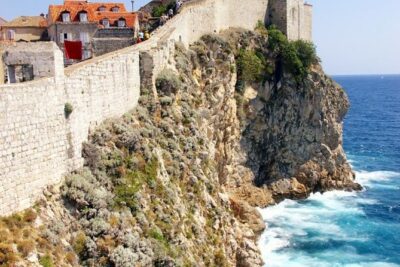
Dubrovnik Combo: Old Town & Ancient City Walls
Read our review →
City Walls, Old Town Walking Tour & Adriatic View
Read our review →
Dubrovnik Cable Car Ride, Old Town Walking Tour plus City Walls
Read our review →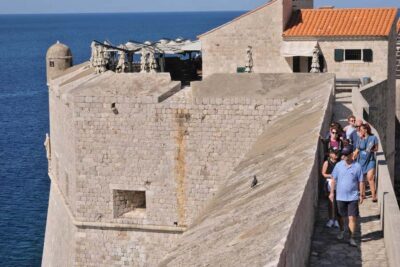
City Walls Tour for Early Birds & Sunset Chaser
Read our review →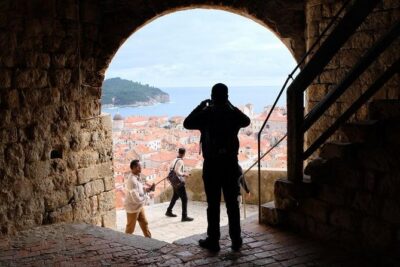
Dubrovnik City Walls Tour for Early Birds or Sunset Chasers
Read our review →Browse the lists this tour appears in