Reviewed · PRIVATE
Dubrovnik to Athens; Semi – Private tour with Tour Leader & Car
Dubrovnik to Athens is the kind of trip that keeps changing scenes fast. You start with medieval Dubrovnik, then ride through Bosnia, Montenegro, Kosovo, Albania, North Macedonia, and Greece, hitting UNESCO old towns and stories you can feel in the streets.
What I like most is how the route mixes big landmarks with small, personal stops, like Mostar’s Stari Most, then later slow-food countryside in Albania. I also love that you get a professional tour leader and tight logistics, with hotel pickup in Dubrovnik Town and a max 10 travelers feel that helps things stay human.
One consideration: this is a high-mileage itinerary with lots of driving days, and a couple of stops depend on how much time you get to walk and linger on your own. If you hate long transits or want zero rush, you may find the pace a bit intense.
In This Review
- Key highlights at a glance
- Dubrovnik pickup to Mostar’s Stari Most, with the border-day rhythm
- Sarajevo on foot: Ottoman and Austro-Hungarian layers plus the Latin Bridge story
- Blagaj’s Buna springs and Kotor’s old-town maze, UNESCO style
- Budva coast to Shkodra, plus Albania’s handmade Venetian mask workshop
- Slow food at Mrizi i Zanave, then Prizren’s bridges, bazaars, and fortress views
- Gjakova bazaar, Decan monastery frescoes, and wine country in Rahovec
- Kruja’s medieval streets and castle paths, an Albanian resistance story in stone
- Tirana food tour day: byrek, second-hand treasures, and grape raki
- Lake Ohrid reset: St. John at Kaneo, monasteries, and handmade paper
- St. Naum monastery, Tushemisht crafts, and Drilon’s spring oasis
- Berat’s 1001 windows, Onufri’s art, and a castle-city feel
- Gjirokaster Stone City plus the Barrels Winery lunch stop
- Ioannina and Meteora: finishing Greece with castle streets and a sunset that matters
- Athens drop-off, or ending via ferry to Corfu from Igoumenitsa
- Price and what you get for your money on a multi-country route
- Logistics to plan for: pickup limits, walking terrain, and long-drive days
- Who this tour fits best, and who should think twice
- Should you book Dubrovnik to Athens with this setup?
- FAQ
- FAQ
- How long is the Dubrovnik to Athens experience?
- What is the group size limit?
- Is pickup offered, and where does it start?
- Where does the tour end?
- What type of accommodations are included?
- Are site entry tickets included?
- What is included besides transportation and hotels?
- What is not included in the price?
- Do I need travel health or insurance?
Key highlights at a glance
- Semi-private feel (max 10 travelers) for a more personal tour dynamic
- UNESCO hits across multiple countries, from Kotor to Ohrid and Meteora
- Real Balkan food moments, including Tirana’s food tour and Sarajevo’s Ottoman coffee or tea
- Handcraft stops with a story, like the Venetian mask workshop in Albania
- Fortress and old-town walking days, where cobblestones and uneven ground are part of the deal
Dubrovnik pickup to Mostar’s Stari Most, with the border-day rhythm
Your day starts easy enough. You meet your driver at a nearby point inside Dubrovnik Town, then you shuttle toward the border because cars cannot enter parts of the medieval core. Think of it as a practical setup: less hassle for you, and more time on the road once you meet your tour leader.
On the way into Bosnia and Herzegovina, you go straight to Mostar’s Stari Most (Old Bridge), part of UNESCO. It is one of those sights that makes sense instantly, even if you know the history only in broad strokes. You also walk through the Old Bazaar area, which feels busy in the best way, with colorful streets and that Ottoman-era atmosphere you keep seeing throughout the trip.
A smart extra on this first day is the stop at Bišćevića Kuća (Biscevic House), an Ottoman residential home from the 17th century. It gives you a calmer, more intimate view of daily life, instead of only monuments and views. The main downside is that it is a shorter stop, so wear comfy shoes and take quick photos if you want the whole experience without sprinting.
Sarajevo on foot: Ottoman and Austro-Hungarian layers plus the Latin Bridge story
Sarajevo is where the trip shifts from postcard beauty to something more complicated and real. After breakfast, you drive from Mostar, and today involves uneven walking terrain, plus some viewing of war-era damage like bullet holes and cannon marks.
Your tour time is split between Ottoman and Austro-Hungarian parts of the city. That matters because Sarajevo does not feel like one uniform place. It feels like a crossroads, with bazaars, mosques, churches, and synagogues all shaping the same streets.
Then you go to Latin Bridge, tied to the WWI trigger story that happened right there in Sarajevo. It is a simple stop on the map, but the context lands. And you get a break at Caffe Divan for a complimentary Ottoman coffee or tea, which is a small detail that makes a big difference when you are walking a lot.
One practical tip: Sarajevo streets can feel steep and irregular. If you are traveling with mobility limits, you’ll want to go in with a flexible mindset and bring shoes with strong grip.
Still riding at anchor off Dubrovnik
- Blue Cave Small-Group Boat Tour from Dubrovnik★ 5.0 · 9,360 reviews
- Full-Day Dubrovnik Elaphite Islands Cruise with Lunch and Drinks★ 5.0 · 8,823 reviews
- Dubrovnik: Epic Game of Thrones Tour + Lokrum & Saver Option★ 4.9 · 5,995 reviews
Blagaj’s Buna springs and Kotor’s old-town maze, UNESCO style
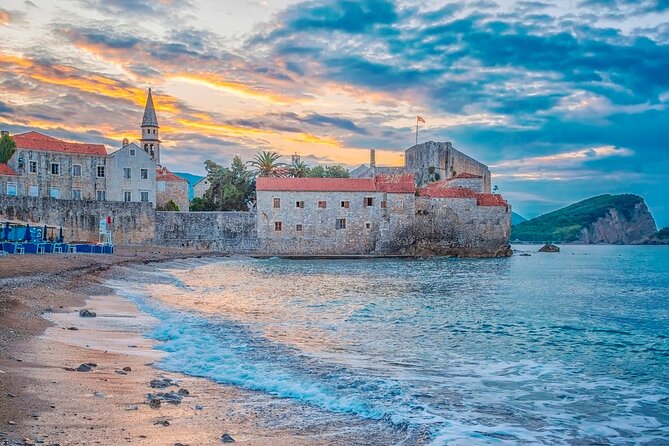
Day three starts with Blagaj, just outside Mostar. It sits at the foot of a cliff with the blue waters of the Buna spring nearby. This is one of the stops that feels like a reset button. Instead of only architecture and memorials, you get a natural setting with strong Ottoman-era identity tied to the location.
Next comes Kotor, in Montenegro, and yes, it is UNESCO. The old town is a maze of narrow, cobblestone streets, and the street plan is intentionally confusing, originally meant to deter intruders. Today, it mainly works in your favor, because you can get lost in the best way, following plaques on buildings and hunting for small corners.
You also visit Saint Luke’s church, which locals value for representing unity. You’ll be glad you do, because it anchors the walking tour with a cultural thread, not just scenic wandering.
Then you get time to explore on your own. That free afternoon is valuable on this kind of itinerary, because you can slow down, stop for a coffee, and decide what you actually care about seeing.
Budva coast to Shkodra, plus Albania’s handmade Venetian mask workshop
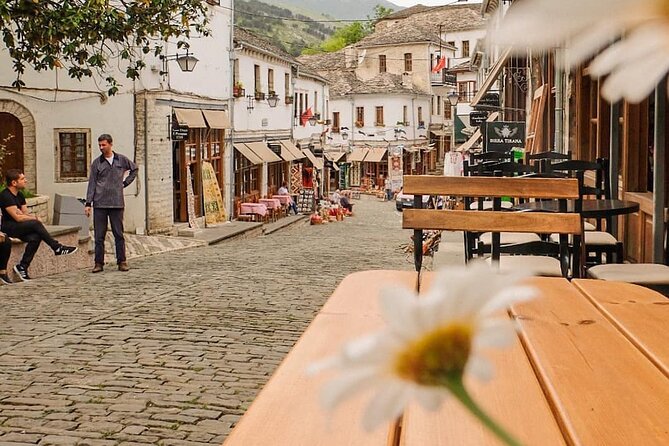
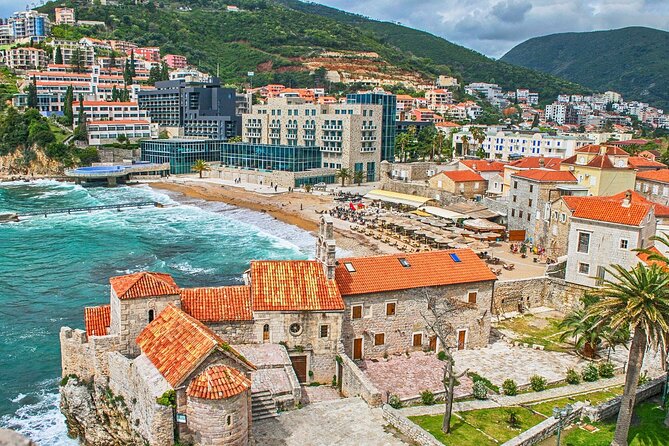
Budva is your first stop in Montenegro today. The old town and newer areas are clearly separated, and that makes it easier to understand the city quickly. Old Budva is where you find the medieval core, including churches such as St. Ivan and St. Mary, while New Budva feels more modern and commercial.
On the way to Albania, there is a short photo stop near Sveti Stefan. The island itself is not accessible as an exclusive resort, but the view still does its job. It is quick, and it is worth it if you want one famous coastal moment without spending a lot of time.
Then you reach Shkodra, a city with deep layers and a connection to Rozafa Castle views over the lake and rivers. The tour includes a quick cultural nod too, even mentioning Venetian-style influences and how masks made by hand show up in local traditions.
The most fun and tactile stop of the day is the Venice Art Mask Factory in Albania. You watch papier-mâché masks get handcraft painted and decorated. It is one of those places where you stop seeing culture as something distant and start seeing it as craft. If you like souvenirs with meaning, this is a strong choice.
Slow food at Mrizi i Zanave, then Prizren’s bridges, bazaars, and fortress views
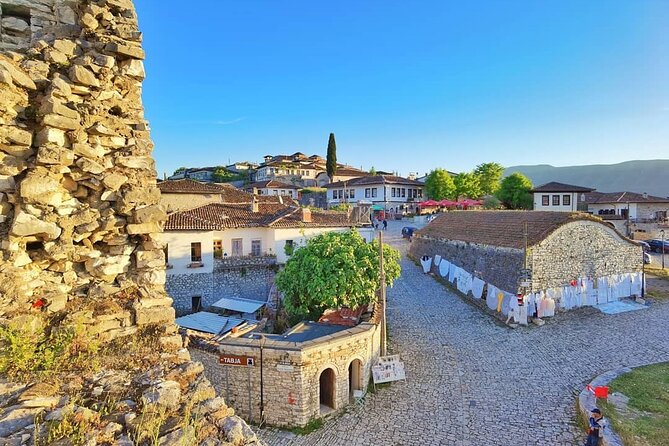
One of the best ways to understand Albania is food, and today you get that. At Mrizi i Zanave you tour a slow-food agro-tourism farm, learning how the business created jobs for hundreds of people around it. It also focuses on regional bio fresh products, including how old communist buildings were adapted as storage.
The farm stop includes time for a traditional lunch on your own or buying local produce. Even if you skip the lunch, the point is the same: you understand how food links to land, work, and community.
In the afternoon, you go to Prizren, often called the cultural capital of Kosovo. What I like here is the mix, religious tolerance, Ottoman-era architecture, and bridges over the river cutting through the heart of the old town. If you enjoy cities that feel lived in rather than staged, Prizren fits.
You visit Sinan Pasha Mosque for its decorative arabesque patterns, then you go up to Kalaja Fortress for a panorama. The fortress viewpoint helps you see how the river and old town connect, so the walking later feels more meaningful.
Two moorings down in Dubrovnik:
- Dubrovnik: Elaphiti Islands Full-Day Cruise with Lunch
★ 5.0 · 5,938 reviews - Dubrovnik: Old Town Walking Tour
★ 4.8 · 5,174 reviews - Dubrovnik: The Original Game of Thrones Tour & Lokrum Option
★ 4.8 · 5,064 reviews - Dubrovnik Game of Thrones Tour & Optional Lokrum Island Visit
★ 5.0 · 4,702 reviews
Gjakova bazaar, Decan monastery frescoes, and wine country in Rahovec
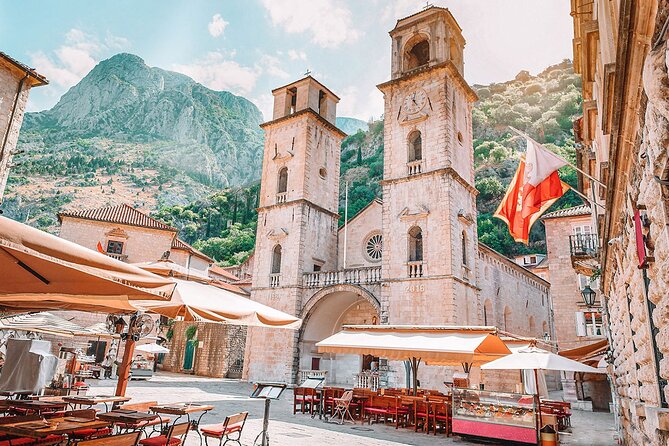
Kosovo keeps turning up as a place of craftsmanship and history. In Gjakova, you see the oldest and largest bazaar in Kosovo. It was destroyed in earlier Balkan wars but rebuilt again, and that rebuilding story matters. You can eat or browse, and you can watch traditional crafts being made with techniques that have been passed down for centuries.
Next comes Deçan Monastery. It is known for its white exterior and for the fact that Orthodox monks still inhabit the monastery and produce fresh organic foods such as cheeses. The UNESCO tie comes from frescoes that portray 14th-century life and the Palaeologan renaissance style.
Then you head to the Rahovec Valley, known for viticulture and wine production. The tour frames it as grapes cultivated since Illyrian times, which gives the area a long timeline rather than a quick tourist story. If you are a wine person, this is the kind of stop you remember later because it feels grounded in everyday labor.
Even if you do not drink wine, the vineyard setting is a nice change from cities. It also gives you that emotional balance you need on multi-country trips: one day of movement, then one day that slows down.
Kruja’s medieval streets and castle paths, an Albanian resistance story in stone
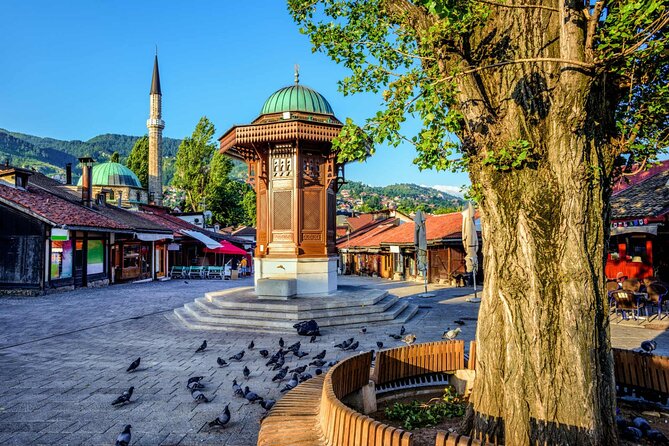
Today’s focus shifts to Albania’s medieval resistance vibe. Kruja sits on rocky mountainous terrain about 560 meters above sea level, and that elevation shapes the feel of the city. You walk through the Medieval Old Bazaar, which feels like time travel in a good way, with narrow streets and wooden houses.
The standout here is Kruja Castle. You also learn that the leader shows you hidden paths used by locals historically to leave the castle unnoticed during enemy pressure. That kind of detail turns a viewpoint into a story, not just a photo spot.
You get shopping and lunch time too. This matters because Kruja is one of the better places on the route to buy souvenirs without feeling like you are stuck in a generic kiosk zone.
If you plan to do serious souvenir shopping, pace yourself. It is easy to overspend when everything looks handmade and connected to local craft.
Tirana food tour day: byrek, second-hand treasures, and grape raki
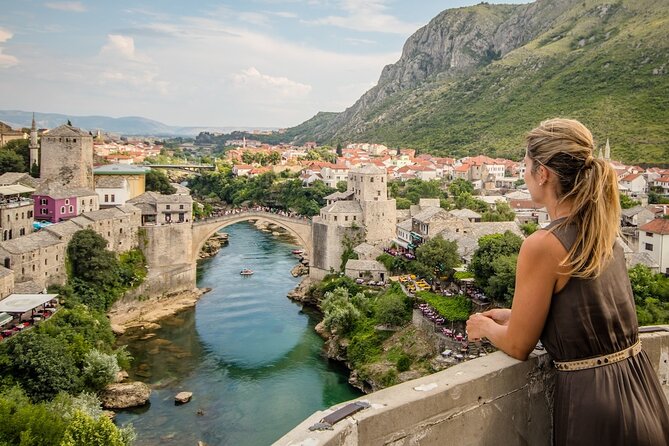
Tirana is not just a capital stop here. It is a guided food and market experience, which is exactly how I prefer to meet a city. You start with a short orientation plus a local companion for the food tour.
You try byrek, made from thin layers of dough with fillings like cheese, meat, or spinach. That first bite sets the tone for the day, because it ties into what you see later in the markets.
Then you visit Tregu Çam for local finds and a chance to taste seasonal fruits and vegetables. You also go to Pazari i Ri, known for second-hand goods. This is one of those surprises that can become a fun mission, hunting for pre-loved items and bargaining a little.
Your day finishes with a traditional Albanian meal and tasting albanian grape raki. The tour frames it as part of local culture, so it is more than a drink stop. If you do not drink alcohol, you might still enjoy the meal and skip the tasting, but be sure to ask your guide how they handle it in practice.
Lake Ohrid reset: St. John at Kaneo, monasteries, and handmade paper
Day nine is where you get a calmer tempo thanks to Lake Ohrid. You first stop in Struga, take a quick look by the Drini River source, then continue to Ohrid.
Ohrid and the lake are UNESCO. You visit the viewpoint at Church of St. John at Kaneo, which is exactly the kind of place where you understand why people build towns around water. The tour also connects Ohrid to Roman naming and to Orthodox heritage, including the idea of 365 Orthodox churches.
Then you visit the National Workshop for Handmade Paper, Ljupcho Panevski, also called the Paper Museum. You learn ancient handmade paper techniques and you can purchase handmade paper as a souvenir. This is the kind of memory that beats generic fridge magnets.
If you want to make this day work for you, wear layers. Lake areas can shift quickly, and you will likely walk some uneven paths around viewpoints.
St. Naum monastery, Tushemisht crafts, and Drilon’s spring oasis
Today starts at Monastery of Saint Naum, placed near the source of River Crni Drim. It is also within the national park area, so the scenery feels protected and quiet. The crystal-clear water at the source is a strong visual moment, and it adds meaning to the lake story from yesterday.
Then you cross border back toward Albania and stop at Tushemisht, described as a hidden gem where local street vendors sell homemade preserves, honey, herbs, and handmade souvenirs. This stop is built for interaction, not just buying, so take a few minutes to talk with sellers if you can.
Next comes Drilon National Park, with spring water forming a small lake and a relaxing shoreline setting with weeping willow trees. Even if you only spend an hour, this is a good buffer between cultural days, because it helps your brain catch up.
If you like nature breaks but you still want culture, this is one of the better balancing points on the whole route.
Berat’s 1001 windows, Onufri’s art, and a castle-city feel
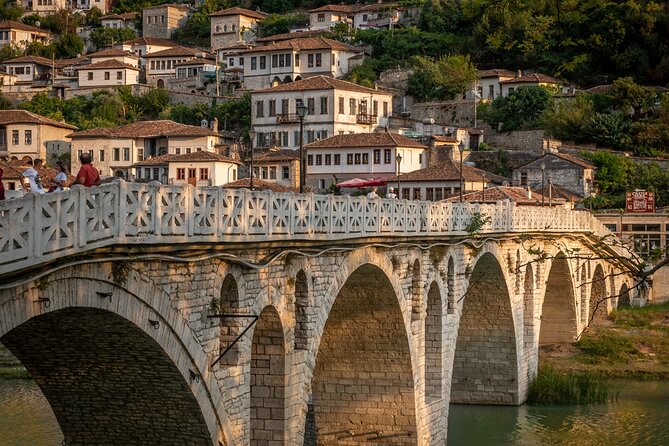
Berat earns its nickname, the town of 1001 windows, and it comes from the way houses stack across steep hillsides. The UNESCO connection shows up immediately in how the city preserves medieval structures, and the tour time focuses on walking narrow stone streets for views of layered windows.
You also visit Berat Castle, plus churches and mosques inside the broader area. The stop includes museums and remnants from the communist era, so you get a wide angle rather than one pure-time period.
A highlight for art lovers is the National Iconographic Museum Onufri, tied to Onufri, an artist known for a specific reddish color used in church paintings. Even if you are not an art expert, it is one of the tour’s better places to see why culture here is both religious and technical.
This day is a lot of walking, but the payoff is a city that you feel in your legs and your eyes.
Gjirokaster Stone City plus the Barrels Winery lunch stop
Gjirokaster, known as the Stone City, is UNESCO and one of the most fortress-like towns on the trip. Houses feel like small fortresses, and the city layout links back to its castle origins. If you like architecture that looks defensive and intentional, you will enjoy this one.
You also get time to explore the old town cascading down the hill. The tour highlights the medieval bazaar and one of the best-preserved houses with original interiors.
The most relaxing part comes after the walking, at The Barrels Winery. It is a family-run vineyard where you have free time for lunch surrounded by rolling countryside. It works as a decompression moment before Greece, so plan to slow down and eat well.
Ioannina and Meteora: finishing Greece with castle streets and a sunset that matters
Today you head into Greece with Ioannina first. You walk the cobbled old town where Byzantine and Ottoman-era traces show through the architecture. Then you visit Ioannina Castle, which houses a labyrinth network of narrow streets and historic buildings.
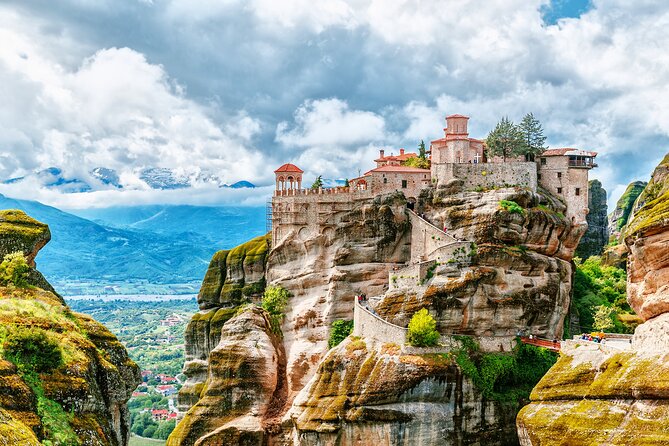
What I like about Ioannina is that it gives you a real Greek city feel before the iconic UNESCO highlight. Then you go to Meteora, another UNESCO site where monasteries sit atop rock formations. The tour includes time to experience one of the best sunsets you will see in your trip.
If your legs are tired, Meteora still gives you the option to find viewing spots at your own pace. It helps to start early for the sunset timing if your guide builds in a schedule.
Athens drop-off, or ending via ferry to Corfu from Igoumenitsa
Your final day is about the handoff. You either get dropped at your hotel in Athens, or you are dropped at Igoumenitsa Port, then take the ferry to Corfu port with tickets included.
Either ending can work. Athens is better if you want a big-city wrap-up. Corfu can feel like an easier landing if you want beaches and a slower pace immediately after a road-trip marathon.
When planning your remaining days, leave at least a little buffer. After 14 days of driving and walking, even a fun last stop benefits from downtime.
Price and what you get for your money on a multi-country route
The price listed is $6,020.56 per person for an approximately 14-day trip. For a route that crosses multiple borders and includes a tour leader plus private transportation, that is the first thing you should measure: you are not paying only for attractions, you are paying for the entire machine that gets you there.
Here is what you can count as real value from the provided details:
- 3-star hotels with breakfast throughout the trip
- Professional tour leader and private transportation
- Hotel pickup in Dubrovnik Town (with the note about cars not entering some areas)
- Entry tickets for will-be-visited sites and tourist taxes
- Included cultural touches like Ottoman-style coffee or tea in Sarajevo and a food tour in Tirana
Food is not included, and that is worth understanding. Lunch, dinners, drinks, and snacks are on you. Still, the itinerary puts food experiences in the included category on key days, which helps balance out the rest.
Also note the occupancy detail: pricing is calculated on double, twin, triple, or quad room occupancy in 3-star hotels. If you are traveling solo or expecting a specific room setup, check the exact configuration you are booking so you are comparing like with like.
Logistics to plan for: pickup limits, walking terrain, and long-drive days
This trip includes a lot of city walking, and the terrain is not always smooth. Sarajevo includes walking on uneven ground, and several old towns are cobblestone-heavy, including Mostar’s bazaar areas and Kotor’s narrow lanes. If you have weak ankles, this is not the week to wear soft fashion shoes.
You also start with a practical Dubrovnik plan. Cars cannot enter parts of Dubrovnik Town, so you will be picked up from the nearest accessible point. That is normal for the area, but it means you should plan to reach your pickup spot calmly.
Lastly, you should expect some days to feel like long transit stretches. This itinerary is designed to cover many countries in a limited time, and that can cut down how slowly you linger at certain viewpoints.
Who this tour fits best, and who should think twice
This works best for you if:
- You want a guided, on-the-ground history and culture thread across the Balkans
- You enjoy UNESCO sites plus the smaller craft stops and food moments
- You prefer fewer logistics headaches, with transport and tickets handled
It may be less satisfying if:
- You want long unstructured free days in just one country
- You hate the idea of packing and moving hotels frequently
- You are very sensitive to long drives between regions
If you fall somewhere in the middle, it is still a great fit. You just need to go in ready for movement, not a slow vacation.
Should you book Dubrovnik to Athens with this setup?
I would recommend booking if you want the Balkans to feel connected, not like separate day trips. The mix of Mostar, Sarajevo, Kotor, Tirana, Ohrid, Berat, Gjirokaster, and Meteora is rare in one package, and you get real included cultural moments, not only ticketed monuments.
Book it if you’re comfortable with a busy itinerary and you like stopping often, taking in a place quickly, then moving on to the next layer of the story. Skip it if you want lots of quiet time, or if long drive days would wear you down fast.
FAQ
FAQ
How long is the Dubrovnik to Athens experience?
It runs for approximately 14 days.
What is the group size limit?
The tour has a maximum of 10 travelers.
Is pickup offered, and where does it start?
Pickup is offered in Dubrovnik Town, with the driver picking you up from the nearest hotel point within Dubrovnik Town, noting that cars may not enter some parts.
Where does the tour end?
The tour leader drops you at a hotel in Athens, or you may be dropped at Igoumenitsa Port to take a ferry to Corfu port (ferry tickets included).
What type of accommodations are included?
You get BB (accommodation and breakfast) for all overnights in 3-star hotels.
Are site entry tickets included?
Entry tickets for the sites that are part of the visit are included, and the itinerary also notes some stops have admission included while others are free.
What is included besides transportation and hotels?
Professional tour leader, private transportation, hotel pickup and drop-off, tourist taxes, international car insurance, road taxes, petrol, a Sarajevo Ottoman-style coffee or tea, and a Tirana food tour are included.
What is not included in the price?
Lunches, dinners, drinks, snacks, souvenirs, and anything not mentioned in the included list are not included.
Do I need travel health or insurance?
Yes, all participants are responsible for having their own health and travel insurance.
Latest arrivals logged at Dubrovnik

Private, compared.
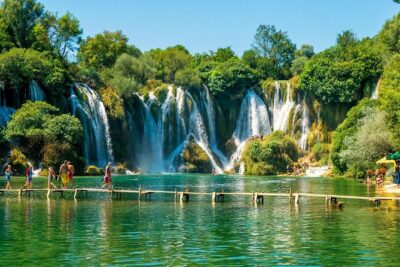
Mostar and Kravice Waterfalls Tour from Dubrovnik (Semi-Private)
Read our review →
Blue & Green Caves Private Boat Tour with Drinks
Read our review →
Dubrovnik Private Speedboat Tour to Elaphite Islands with Drinks
Read our review →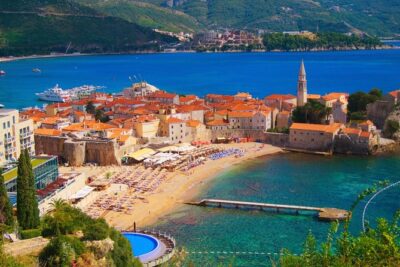
Private Tour: Montenegro Day Trip from Dubrovnik
Read our review →
PRIVATE Walking Tour of Diocletian’s Palace & Old Town
Read our review →
Tour The Game of Thrones – Private Walking Tour
Read our review →
Private Krka Waterfalls tour with 30min Boat Cruse
Read our review →