Reviewed · CROATIA
Give Bees a chance!
Honey meets a live beehive on Solta.
On Tvrdic Honey’s Give Bees a chance visit in Dalmatia, Croatia, you get an up-close look at a real beehive and learn why bees matter beyond honey. This is a short, small-group stop on Šolta that mixes an informative talk with a tasting of Solta honey and other bee products, all in a safe setup.
Small details, big payoff make the visit feel personal. I love that the group is capped at 15, so you can ask questions without feeling shoved along. I also like that the host, Goran from the Tvrdić family, keeps the presentation lively while still practical, and you get to try bee products like propolis, not just listen.
One drawback to plan for: it is about an hour, and you will be going from a specific meeting spot at Rogač Port. Also, drinks and lunch are not included, so you might want to eat before or after.
In This Review
- 5 Key Things You’ll Notice on the Tvrdic Honey Visit
- Rogač Port to the Beehive Room: how the timing works
- Meet Goran and the Tvrdić family: why bees matter more than you think
- The up-close beehive viewing: what to expect (and what not to worry about)
- Honey tasting on Šolta: rosemary, variety, and how to choose a jar
- The big honey collection story: a global message from a small island
- Price and value for a one-hour small-group visit
- Who this bee tour is perfect for, and who should skip it
- FAQ
- FAQ
- How long is the Tvrdic Honey Give Bees a chance visit?
- Where do I meet for the tour?
- Is pickup available?
- Is the tour offered in English?
- What is included in the price, and what is not?
- What is the cancellation policy?
- Should you book Give Bees a chance at Tvrdic Honey on Šolta?
5 Key Things You’ll Notice on the Tvrdic Honey Visit
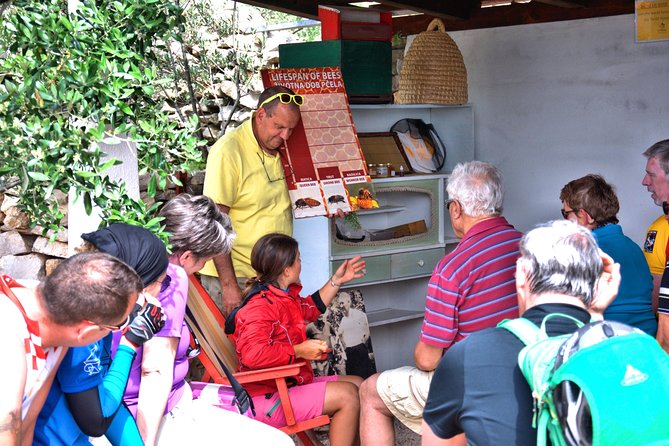
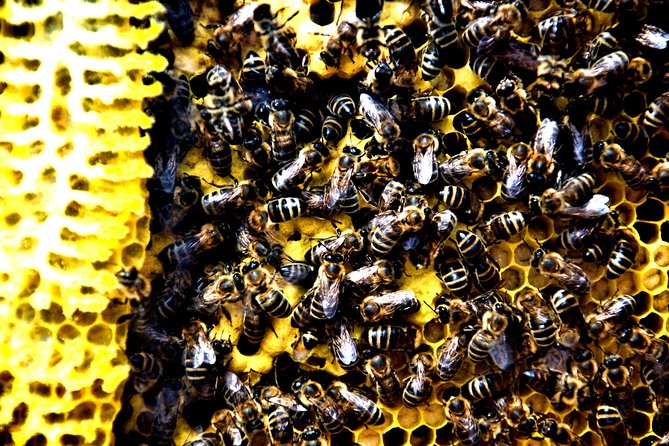
A real hive close-up on Šolta with a no-sting viewing approach that still lets you see how it works.
Goran’s humor and real beekeeping know-how make the talk easy to follow and fun across ages.
A honey tasting that actually has choices from multiple varieties, with rosemary honey a frequent standout.
Propolis and other bee products in the tasting lineup so you learn what the hive produces beyond honey.
A conservation message with a personal angle tied to Give Bees a chance and the island’s bee challenges.
Rogač Port to the Beehive Room: how the timing works
This is designed as a tight, efficient stop, around one hour total. If you like experiences that fit neatly between ferry times, bus transfers, or a late lunch plan on the island, this works well.
You meet at Rogač Port (D112 32, 21430 Rogač, Croatia). Pickup is offered, and the visit includes hotel or port pickup and drop-off, which is a big help if you do not want to figure out local taxi logistics just for an hour.
A small group size matters here. With a maximum of 15 travelers, the host can keep the conversation moving at a human pace. You will not feel like you are in a lecture hall with one-way information.
One practical tip: since drinks and lunch are not included, think of this as a talk plus tasting stop, not a meal replacement. If you are hungry, grab something earlier, then enjoy the sticky, sweet part afterward.
Meet Goran and the Tvrdić family: why bees matter more than you think
The core of the experience is a friendly talk on bees as living creatures, not just honey machines. The big theme is simple: bees face serious challenges in the modern world, and the island setting makes that story feel grounded.
Goran, from the Tvrdić family beekeeping tradition, leads the visit. The tone is engaging and often funny, but it never feels like fluff. You get real context for how bees live and work, and why that affects food, health, and the wider environment.
Here is what I like about focusing on the challenges. It turns honey tasting into something with meaning. Instead of treating the hive as a novelty, you start thinking about pollinators as a crucial part of the system. And once you see the hive structure up close, you get why even small changes in the environment can hit hard.
Also, the visit carries an explicit call to action: Give Bees a chance. It is not preachy, but it nudges you to think about what you can do as a visitor. Even buying honey from a local beekeeping family is framed as support for the tradition of caring for bees.
Chalked on the Dalmatia slate for today:
- Whitewater Rafting on Cetina River from Split or Šestanovac★ 5.0 · 560 reviews
- Extreme Canyoning on Cetina River from Split or Šestanovac★ 5.0 · 262 reviews
- Montenegro: Bay of Kotor Day Trip from Dubrovnik English -Español★ 4.5 · 188 reviews
The up-close beehive viewing: what to expect (and what not to worry about)
You will see the internal workings of a real beehive up close. The key word in the pitch is safety: you get the chance to look without the danger of being stung.
That matters more than you might expect. A lot of bee experiences either go too far into fear-based “do not touch” rules, or they skip the real mechanics and stay abstract. Here, the focus is on giving you the visual understanding without turning the hour into a risk.
What should you pay attention to during the hive moment? Keep your eyes open for how the frames and structure relate to the hive’s work. You might also notice how the host explains what you are seeing, turning the visuals into a simple story you can remember later.
And yes, you may get hands a little sticky during the experience. That is part of the tasting approach and product handling, so wear something you do not mind being near honey.
The overall vibe stays relaxed, even when you are learning. The host balances the technical parts with everyday explanations, so it feels accessible for most people.
Honey tasting on Šolta: rosemary, variety, and how to choose a jar
The tasting is not a quick sip and run. You get to try different honeys and learn what makes each one different. In particular, rosemary honey comes up as a must-try favorite, with its flavor described as very tied to the island itself.
How should you think about the tasting? Treat it like a mini flight. Start with the honey that feels most familiar, then compare it to the more distinct varieties. You will usually find that color, aroma, and sweetness level shift based on what the bees fed on and the local environment.
You also learn that honey is only one of the hive products. During the visit, you can sample other bee goods, including propolis. Some of the bee products you may hear about include things like royal jelly and pollen in the educational talk, even if the tasting focus stays on the products they offer during the visit.
A practical buying tip: do not overthink it. Pick based on what you genuinely like after trying. If you love strong herbal flavors, rosemary honey is a logical first choice. If you want something more versatile for everyday use, choose the variety that tastes smooth and balanced to you.
And if you are buying gifts, the variety tasting helps you choose jars that match different preferences in your group. People who do not want “just sweet” often find a honey or propolis product that suits them better after tasting.
The big honey collection story: a global message from a small island
This visit includes something extra that goes beyond a normal beekeeping stop. The shop is said to have a large honey collection, and the idea is that people send honey to them from different places.
That is a clever concept for two reasons:
- It gives you a sensory map of honey around the world, even if you are staying on Šolta.
- It reinforces the Give Bees a chance message with an actual collection that reflects global interest.
When the host talks about the challenges bees face, the collection theme makes it feel less like a local hobby and more like a shared responsibility. Honey becomes a common thread between cultures, and the island beekeepers become part of a wider conservation conversation.
If you like travel experiences that mix food with a real-world angle, this is where the stop wins. You leave with flavors to remember and a clearer sense of why those flavors exist at all.
Two moorings down in Dalmatia:
- Adrenaline Quad Safari Tour
★ 5.0 · 177 reviews - Canyoning on Cetina River from Split or Šestanovac
★ 5.0 · 173 reviews - Dubrovnik Airport Transfer (Private transfer)
★ 5.0 · 135 reviews - Islands & Caves Private Tour with pickup, drinks & fuel included
★ 5.0 · 102 reviews
Price and value for a one-hour small-group visit
The price is $30.04 per person, and it runs about one hour. That sounds straightforward, but value depends on what you care about.
If you want a big box tour, this probably will not be your match. But if you like a focused, human-scale experience with a real beekeeping family and a tasting, this is solid value. You are paying for:
- Hotel or port pickup and drop-off
- The guided, close-up hive viewing
- The honey tasting of multiple varieties
- Access to a shop experience tied to the beekeeping story
The “hidden” value here is time efficiency. One hour is short enough that it fits into most island schedules, and pickup reduces friction.
Also, the group size cap at 15 helps justify the price. You are not paying to be part of a huge crowd. You are paying for a conversation you can actually join.
One watch-out: drinks and food are not included. If you arrive thirsty or hungry, budget for a snack outside the experience.
Who this bee tour is perfect for, and who should skip it
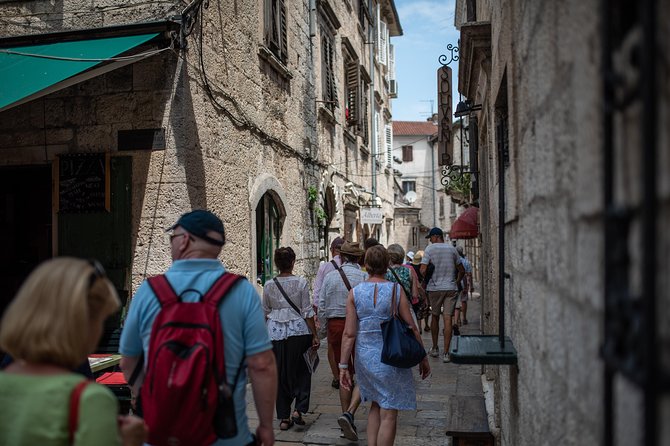
This works best for people who want an authentic island stop and a real food-based takeaway.
You will probably love it if:
- You like nature and animals, but you want clear explanations and hands-on moments
- You enjoy food tastings that teach you something, not just taste sugar
- You want a short activity that does not wreck your day
- You are traveling with a range of ages, since the tone is accessible and entertaining
It might not be ideal if:
- You are only looking for long sightseeing with lots of walking
- You want a meal included as part of the price
- You are sensitive to sticky tastings, or you dislike tasting sessions entirely
One more practical note: the experience is listed as suitable for most travelers. Still, if you have strong concerns about hands-on food tasting or you are unsure about how you will handle a close-up hive moment, it is worth thinking about your comfort level ahead of time.
FAQ
FAQ
How long is the Tvrdic Honey Give Bees a chance visit?
It lasts about 1 hour.
Where do I meet for the tour?
The meeting point is Rogač Port, address D112 32, 21430 Rogač, Croatia.
Is pickup available?
Yes. Hotel/port pickup and hotel/port drop-off are included.
Is the tour offered in English?
Yes. It is offered in English.
What is included in the price, and what is not?
Included: hotel/port pickup and hotel/port drop-off. Not included: drinks, food, and lunch.
What is the cancellation policy?
Free cancellation is available up to 24 hours before the experience starts for a full refund. Cancellation within 24 hours of the start time is not refunded.
Should you book Give Bees a chance at Tvrdic Honey on Šolta?
I think this is an easy “yes” if you are on Šolta and you want a short, authentic activity with a real beekeeping family. You get the rare part first, a live hive up close, then you get something useful to take home, honey and other hive products you actually enjoy after tasting. The size is small enough to feel personal, and the host, Goran, keeps the talk lively and clear.
Book it if you can fit one hour around Rogač Port timing. Skip it if you are chasing a long day of sightseeing or you need the experience to include drinks or a full meal. If your schedule is tight, this is one of the better “stop and savor” choices on the island.