Reviewed · PRIVATE
Pearls of the Balkans from / to Dubrovnik; Semi – Private Tour
Four countries, one fast week of walking. This semi-private run from Dubrovnik threads together UNESCO towns and practical border-day pacing, with a local leader meeting you after an early hotel pickup. I love UNESCO old towns you can actually walk, from Kotor’s defensive street maze to Mostar’s Old Bridge area. I also love the offbeat culture stops that feel like meeting locals, like the handmade paper workshop in Ohrid and the Venetian-style mask factory in Shkodra. Guides such as Migen A. are praised for adjusting the day when needed, and host Gesi for smart food recommendations.
The main thing to think about is pace and transport logistics. You start early (pickup around 7:30 am), and you move across borders day after day. With a small group up to 10 people, you get more personal help, but if an electric vehicle is used on your departure, charging stops can affect timing and sightseeing.
In This Review
- Key takeaways before you go
- The Big Idea: A Dubrovnik to Mostar Road Trip With UNESCO Walks
- Pickup Timing, Vehicle Reality, and Why It Can Affect Your Day
- Day 1: Kotor’s Medieval Maze and Budva’s Old Town Layers
- Day 2: Tirana’s Memory Sites, Blloku Neighborhood, and Big Square Energy
- Day 3: Berat’s 1001 Windows, Ohrid’s Lake Views, and Handmade Paper
- Day 4: Skopje Bridges, Prizren Old Town, and One Mosque You Should Not Skip
- Day 5: Slow Food Agro-Tourism, Shkodra Walls, and Hand-Painted Venetian-Style Masks
- Day 6: Lake Skadar National Park, Virpazar Village Time, and Podgorica at Night
- Day 7: Blagaj’s Buna Spring and Mostar’s Stari Most Old Bazaar
- Day 8: The Border Back to Dubrovnik, and How to Keep the Memories Fresh
- What You Pay For, and Where Your Budget Needs to Fill Gaps
- The Best Fit: Who This Tour Works For
- Should You Book This Dubrovnik-to-the-Balkans Semi-Private Trip?
- FAQ
- What time is the pickup?
- Where can the tour pick me up?
- Is the tour offered in English?
- How many people are in the group?
- What meals are included?
- Are admission tickets included?
- Is single room occupancy available?
- How does the tour end?
- If I cancel, do I get a refund?
Key takeaways before you go
- Small group size (up to 10 people) helps the guide keep things flexible and human-scale.
- Early 7:30 am pickup means more time on the road, but it also means early mornings.
- UNESCO walking time built into the route covers Kotor, Berat, Ohrid, and Mostar without turning it into a drive-by.
- Artisan and slow-food stops add variety beyond monuments, including handmade paper and hand-painted masks.
- Long-drive days across multiple countries are part of the deal, so pack patience with your camera gear.
The Big Idea: A Dubrovnik to Mostar Road Trip With UNESCO Walks
This is the kind of trip that makes the Balkans feel connected, not like separate countries you pass through. You spend most days in town centers, where you can step out of the vehicle and start walking right away. That matters, because a lot of big-route tours only stop long enough to take photos, then rush onward.
What I like about this route is the mix. You get classic sights like Kotor’s old streets and Mostar’s iconic bridge, but you also get smaller, more personal stops. Ohrid’s handmade paper museum gives you something you can’t just read about in a guidebook. Shkodra’s Venetian mask factory offers a workshop-style visit that is visual, hands-on, and easy to remember.
The pace is not slow. Expect early starts, then stretches of driving between regions. If you’re the type who likes to linger, plan for a few moments of quick browsing rather than deep, hour-long museum marathons every day.
Pickup Timing, Vehicle Reality, and Why It Can Affect Your Day
Your day officially starts early, with pickup in Dubrovnik at 7:30 am. After crossing the border area, you meet your tour leader to keep the flow moving. That early structure is a practical choice, because the route crosses several borders and you want enough cushion to handle real-world delays.
The tour is described as semi-private, with a maximum group size of 10 people. In practice, that small size helps with things like questions, navigation on foot, and quick adjustments if road conditions change.
One real-world consideration: electric vehicle logistics. On at least one departure, an e-car created problems finding charging points, which forced longer walks and disrupted timing. If you are sensitive to schedule changes, it’s worth keeping that in mind. The upside is that the operator has shown they can respond when problems happen, including swapping vehicles and guides to avoid missing a key stop like Mostar.
Still riding at anchor off Dubrovnik
- Blue Cave Small-Group Boat Tour from Dubrovnik★ 5.0 · 9,360 reviews
- Full-Day Dubrovnik Elaphite Islands Cruise with Lunch and Drinks★ 5.0 · 8,823 reviews
- Dubrovnik: Epic Game of Thrones Tour + Lokrum & Saver Option★ 4.9 · 5,995 reviews
Day 1: Kotor’s Medieval Maze and Budva’s Old Town Layers
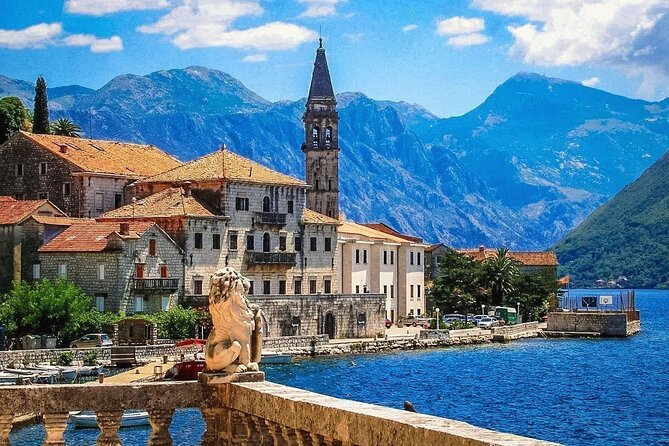
You start from Dubrovnik, then shift into “border day mode” right away. Once you’re through, the first proper sightseeing stop is Kotor, a UNESCO World Heritage site. You have about two hours to wander the narrow cobblestone streets, where the street plan feels chaotic on purpose. The idea was defensive, to confuse intruders, and it still creates the best kind of wandering experience today.
A highlight is Saint Luke’s church. It’s free to visit, and it carries local meaning around unity. If you like churches that are more than just architecture, this is the kind of stop that makes the day feel grounded in local identity rather than just scenery.
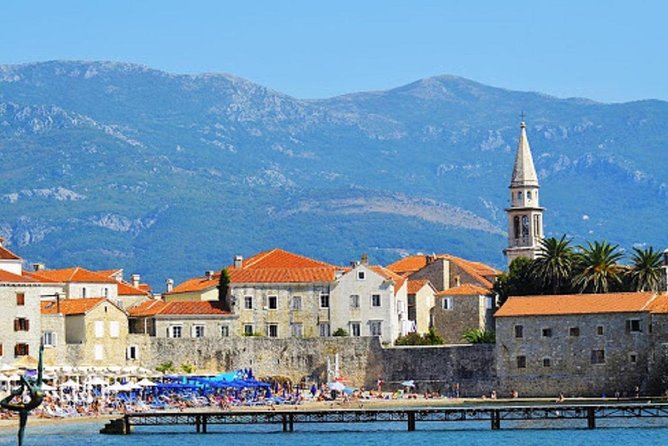
Next comes Budva. You get around two hours, splitting time between Old Budva and New Budva. Old Budva is the historic center with medieval streets and churches like St. Ivan and St. Mary. You’ll also feel the practical side of the coast here, where tourism and everyday life exist side by side.
Practical note: this day mixes walking and driving. If you like photo stops, wear shoes that work on cobblestones, because Kotor will happily test your footwear.
Day 2: Tirana’s Memory Sites, Blloku Neighborhood, and Big Square Energy
Day two starts with driving to Tirana, Albania’s capital. After check-in, you get a guided city experience focused on cultural context and place layout. You’ll spend about three hours on this day, moving from powerful memorials to the city’s main gathering spaces.
First is Postblloku, a checkpoint memorial about Albania’s communist-era isolation. It’s the kind of stop that reframes everything you see later. Instead of treating the city like a postcard, you start understanding why certain neighborhoods are shaped the way they are.
Then comes Blloku, formerly restricted for members of the politburo. Today it’s one of Tirana’s most active areas, with cafes, boutiques, and street art. You’ll also pass by the residence of Enver Hoxha, which helps connect the memorial theme to the present-day city.
The tour continues toward Skanderbeg Square, named after Gjergj Kastrioti Skënderbeu. You get the National Museum, the Bank of Albania, the theatre, a statue, Ethem Beu Mosque, and the feeling of a city designed for public space. You also visit Tirana Castle, now a pedestrian area where modern and traditional elements mix.
One thoughtful touch here is learning about Albania’s religious history, including the period when Albania declared itself an atheist state and banned religious practices. You pass major religious landmarks such as Namazgah Mosque, an Orthodox cathedral, and St. Paul’s Catholic cathedral.
Day 3: Berat’s 1001 Windows, Ohrid’s Lake Views, and Handmade Paper
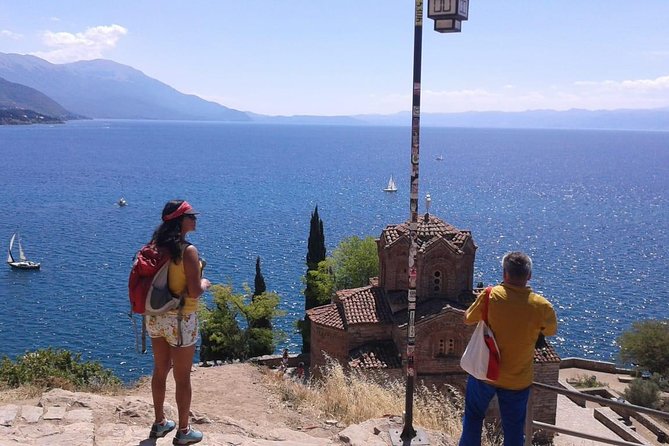
This is one of the best “walk-and-look” days on the trip.
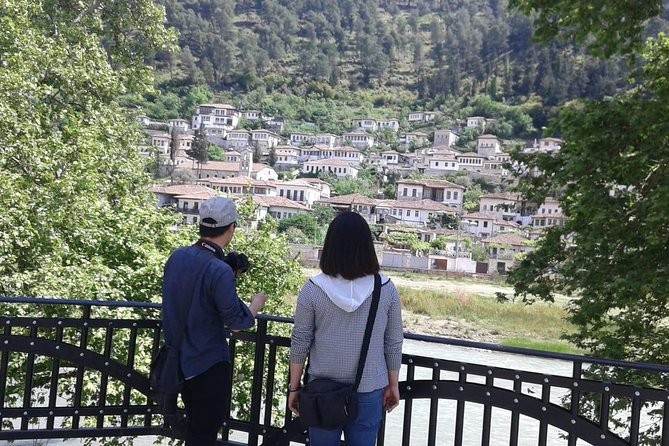
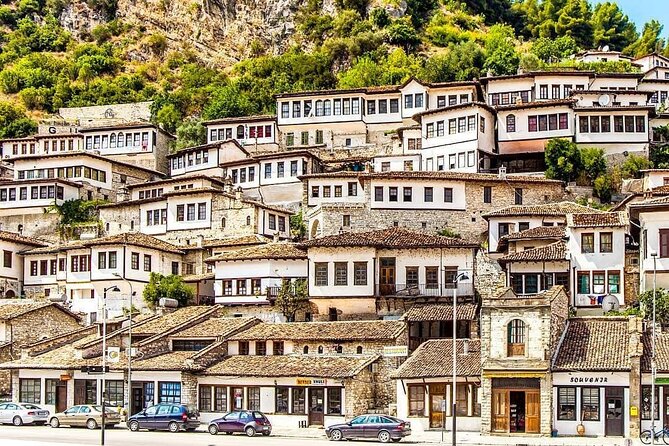
You begin in Berat, UNESCO World Heritage, known as the town of 1001 windows. The older houses sit on steep hillsides, and the windows stack visually from multiple levels. That’s why it’s such a satisfying place to roam. You can stop, look around, then turn the corner and see a different angle of the same hillside.
You’ll also get time around Berat Castle. Entry here is included, and it adds a second layer to the day beyond just streets. You’re not only seeing the town, you’re seeing how it defended itself and how the castle story fits the modern settlement.
Then it’s a drive to Ohrid, also UNESCO World Heritage as a lake and city. Ohrid is one of Europe’s oldest continuously inhabited places. You’ll take in the viewpoint at Church of St. John at Kaneo, a classic lookout that makes the lake feel like part of the town’s identity rather than just a scenic background.
Ohrid also offers another educational stop: the Paper Museum with the Ljupcho Panevski National Workshop for Handmade Paper. Entry is included. Even if you don’t buy anything, this is a memorable break because it connects old production techniques to something still made by hand.
A good strategy for this day: don’t plan to see everything in one straight line. Let the streets and viewpoints break your schedule. The best moments here come from turning slightly at the right time, not from rushing.
Two moorings down in Dubrovnik:
- Dubrovnik: Elaphiti Islands Full-Day Cruise with Lunch
★ 5.0 · 5,938 reviews - Dubrovnik: Old Town Walking Tour
★ 4.8 · 5,174 reviews - Dubrovnik: The Original Game of Thrones Tour & Lokrum Option
★ 4.8 · 5,064 reviews - Dubrovnik Game of Thrones Tour & Optional Lokrum Island Visit
★ 5.0 · 4,702 reviews
Day 4: Skopje Bridges, Prizren Old Town, and One Mosque You Should Not Skip
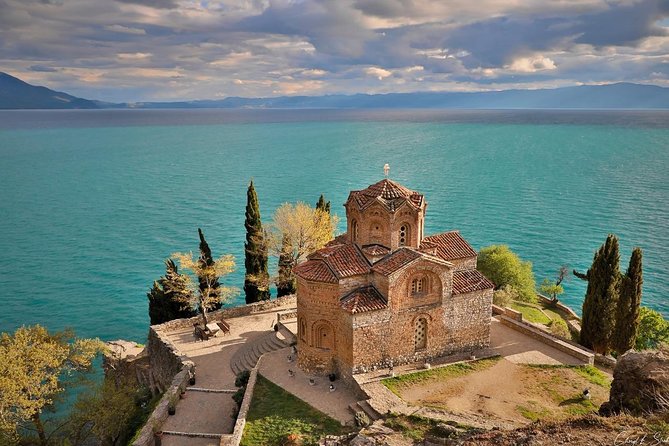
Day four moves you north to Skopje, the capital of North Macedonia, where you’ll see European, Ottoman, and Asian influences in the city layout. You get about an hour for the key sights rather than a full-day museum sweep, so think of it as a best-of introduction.
The Stone Bridge helps connect the newer part of town with the older area. You’ll also see the Alexander the Great statue and the nearby Art Bridge. The art bridges line up with the “public space as storytelling” vibe that Skopje is known for, with statues and lanterns along the way.
You’ll walk through the Old Bazaar area. It’s designed for mixing past and present, and the pace here is mostly strolling, not ticket lines.
Then you continue to Prizren, often described as a cultural capital with a long history of religious tolerance and varied influences. The river flows through the old town, and bridges crisscross the area, making it a natural place for wandering without feeling lost for long.
A key stop is the Sinan Pasha Mosque, where entry is included. If you only pick one mosque to visit, this is the one highlighted. You’ll see colorful arabesque patterns that read well even when you’re moving through quickly.
Next comes Kalaja Fortress for panoramic views from above. Entry is listed as free, and even a shorter visit here is worth it because the city’s layout makes sense only once you’re above it.
Day 5: Slow Food Agro-Tourism, Shkodra Walls, and Hand-Painted Venetian-Style Masks
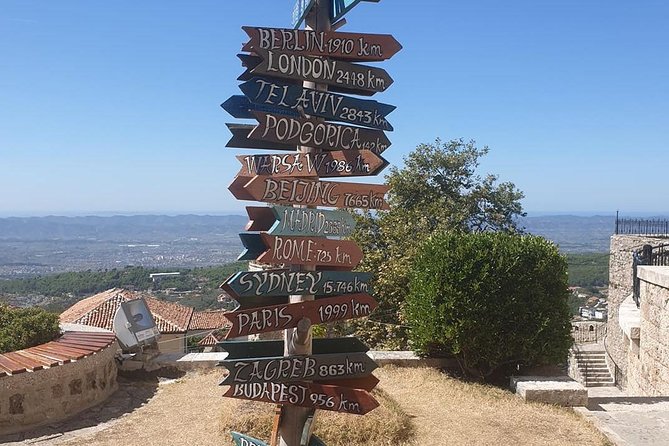
This day gives you a breather from the big UNESCO momentum and swaps in a slower, more local rhythm.
You start at Mrizi i Zanave – Restorant Agroturizëm, described as one of the best slow-food agro-tourism experiences in the Balkans. You’ll tour the farm, learn how it preserves and processes regional bio products, and understand the jobs it created for more than 400 people. That local employment story is a nice counterpoint to the usual “here’s the view” tour style.
You also get free time for a traditional lunch or to buy fresh produce, but meals beyond lunch are not included in the general package. So budget for food if you want this day to stay comfortable and not rushed.
In the afternoon you drive to Shkodra (Shkodra/Shkodër), in north-western Albania near the lake that shares its name. The city has a thousand years of habitation, and even the oldest wall of the Shkodra castle dates back to the 1st millennium BCE.
Then you visit the Venice Art Mask Factory, where entry is included. The workshop-style visit is a great change of pace: papier-mâché masks painted and decorated by hand, inspired by Venetian traditions but created in a focused studio setting. Even if you’re not buying, you get a strong sense of how people build a small craft brand.
Day 6: Lake Skadar National Park, Virpazar Village Time, and Podgorica at Night
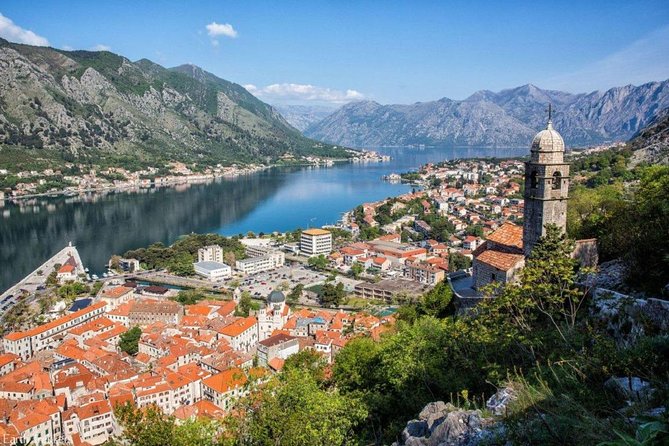
After breakfast, you head north toward Montenegro, and the scenery starts shifting into rolling hills and lakeside views. The day is built around Lake Skadar (Skadar Lake), the largest lake in the Balkans and a protected national park.
You’ll learn about the wildlife, with over 260 bird species mentioned, including pelicans and herons. You’re not going on a long boat cruise here as part of the provided info, but the focus is on seeing the lake as a living ecosystem. This is a solid reset day if you’ve been mentally collecting old towns for several days.
Next comes Virpazar, a lakeside village often called the gateway to the national park. You get about an hour to stroll stone bridges and traditional houses, then take in the view with coffee or local wine if you want. The small market time and relaxed pace make this a good afternoon stop when you want a little breathing room.
Finally, you continue to Podgorica, Montenegro’s capital. You get about 30 minutes, which is more “first look” than “city tour,” but it can be enough time to spot big landmarks like the Millennium Bridge and Independence Square, then head out on your own for dinner.
Day 7: Blagaj’s Buna Spring and Mostar’s Stari Most Old Bazaar
Day seven crosses into Bosnia and Herzegovina, and the first stop is Blagaj, just outside Mostar. Blagaj is an Ottoman medieval town set at the foot of a cliff, with the river Buna spring providing the standout scenery. This is one of those places where the setting does half the work for you, because nature and built structures share the same frame.
After that, you reach Mostar. You get about two hours, and the day is centered on the iconic Old Bridge (Stari Most), part of UNESCO World Heritage. You’ll also wander the Old Bazaar, where streets feel active and the architecture keeps the old town legible.
A meaningful detail included here is the city’s use of stones marked with Don’t Forget, commemorating history. Even if you don’t read every plaque, you notice the theme quickly.
You’ll also visit Bišćevića Kuća, an Ottoman residential house from the 17th century. It’s preserved and gives you an intimate look at how a wealthy Ottoman family lived near the river.
This is a day where your walking shoes matter again. Mostar has uneven ground and steps, especially if you wander off the main bazaar street.
Day 8: The Border Back to Dubrovnik, and How to Keep the Memories Fresh
The final day is your wind-down: your tour leader takes you to the Croatian border, then the local representative drives you back to your hotel in Dubrovnik.
Because this is an end-of-trip day, I treat it as a time to avoid over-planning. If you have the energy, you can do a short walk near your lodging later that evening, but keep the expectations realistic. You have already covered multiple countries, major old towns, and at least a couple of viewpoint-heavy stops.
What You Pay For, and Where Your Budget Needs to Fill Gaps
The listed price is $3,434.13 per person for about eight days. That is not cheap, but it’s also not just a bus-and-a-few-photos package. You’re getting BB for all overnights, private transportation, a professional tour leader, and hotel pickup and drop-off in Dubrovnik or Kotor. Entry tickets are included for the sites that are scheduled with included admission, plus tourist taxes and road-related costs are covered.
Breakfast is included on six mornings. Lunches and dinners, drinks, and snacks are not. That means you’ll want cash or card access for meals, especially on days when you’re in cities where eating on your schedule is part of the fun.
Accommodation is described as 3 stars, calculated on double or twin or triple or quad occupancy. If you want a single room, it’s possible with a 50 euros extra charge per night per person. Single rooms are often where the true value math changes, so decide early if you’re comfortable sharing or if privacy is a must.
The Best Fit: Who This Tour Works For
This tour suits you if you want a guided, structured road trip across the Balkans and you enjoy walking old towns. It’s also a good fit if you like variety: UNESCO sites by day, artisan workshops and slow-food farm time mixed in so your eyes do not get bored.
It’s also a strong choice if you appreciate flexibility. On at least one departure, car troubles required changing vehicles and guides for one day so the group would not miss Mostar. That kind of response matters because multi-country days have more moving parts than single-city trips.
This is less ideal if you need a relaxed pace with long free blocks every day. The schedule favors momentum, and you may feel the day even when you’re having a great time.
Should You Book This Dubrovnik-to-the-Balkans Semi-Private Trip?
I’d book it if you want an efficient, guided sampler of the Balkans that doesn’t just hit monuments. The mix of Kotor, Tirana, Berat, Ohrid, Skopje, Prizren, Lake Skadar area, Blagaj, and Mostar gives you both big UNESCO moments and smaller stops like handmade paper and hand-painted masks. With up to 10 people and a professional leader, you also get a better chance at day-to-day adjustments.
Don’t book it on autopilot if early mornings and long drives make you grumpy. Also consider the transport variable. If electric vehicle charging timing could stress you out, plan to be flexible and bring snacks and water so you can handle a slightly altered rhythm.
FAQ
What time is the pickup?
Pickup is scheduled for 7:30 am.
Where can the tour pick me up?
You can request pickup in Dubrovnik at 9:00 am, or in Kotor at 11:00 am.
Is the tour offered in English?
Yes, it is offered in English.
How many people are in the group?
The maximum group size is 10 people.
What meals are included?
Breakfast is included (6 breakfasts). Lunches and dinners are not included.
Are admission tickets included?
Entry tickets are included for the sites that will be visited.
Is single room occupancy available?
Yes, single room occupancy is possible with a 50 euros extra charge per night per person in a 3 stars hotel accommodation.
How does the tour end?
The tour ends back at the meeting point area. Your representative will shuttle you back to your Dubrovnik hotel after reaching the Croatian border.
If I cancel, do I get a refund?
No. This experience is non-refundable and cannot be changed for any reason. If you cancel or ask for an amendment, the amount you paid will not be refunded.
Latest arrivals logged at Dubrovnik



Private, compared.
Mostar and Kravice Waterfalls Tour from Dubrovnik (Semi-Private)
Read our review →
Blue & Green Caves Private Boat Tour with Drinks
Read our review →
Dubrovnik Private Speedboat Tour to Elaphite Islands with Drinks
Read our review →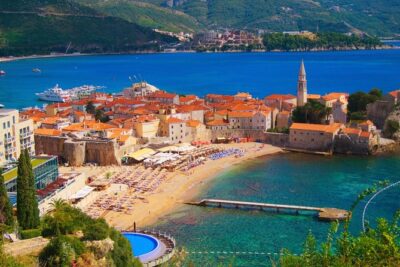
Private Tour: Montenegro Day Trip from Dubrovnik
Read our review →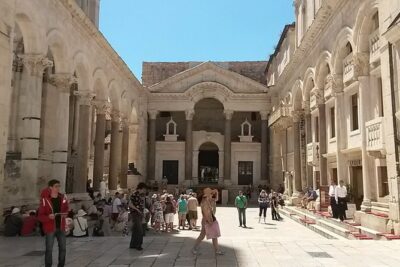
PRIVATE Walking Tour of Diocletian’s Palace & Old Town
Read our review →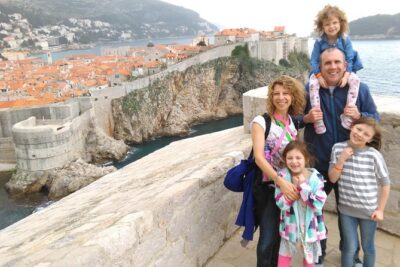
Tour The Game of Thrones – Private Walking Tour
Read our review →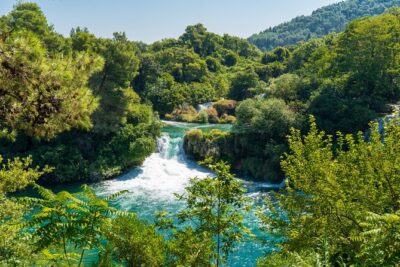
Private Krka Waterfalls tour with 30min Boat Cruse
Read our review →