Reviewed · GUIDED
Salona & Amphitheater – Private guided tour – Admission incl.
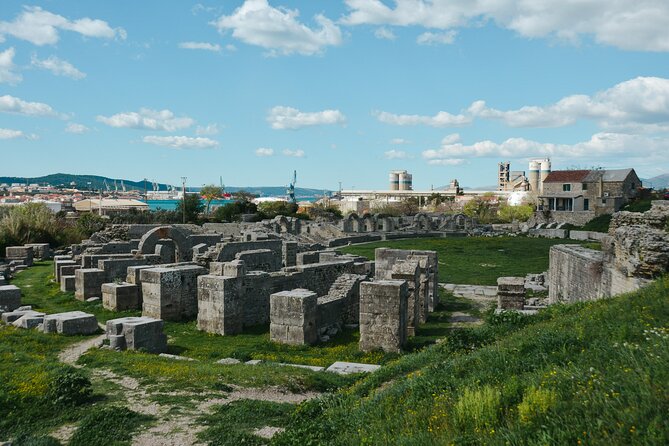
Roman Split starts outside the city walls.
This private guided tour in Split (Solin area) packs a lot into about 2 hours 30 minutes, moving you through Salona’s major sites on foot, then finishing with the Amphitheatre Salona. You’ll get clear orientation at the start, plus an easy pace built around short stops that actually help you connect the dots in your head.
Two things I like a lot: first, the way the route starts with the big Roman city and then spotlights everyday places like baths, gates, and necropolises, not just one monument. Second, the guide Ivan, who has a friendly, hands-on way of explaining what you’re seeing, makes the whole walk feel worth your time.
One thing to watch: the Ancient Salona open-air museum entrance is listed at about 10 euros for adults, even though the tour overall states admission is included. Also, the experience requires good weather, so plan to bring a rain layer or be ready for schedule changes.
In This Review
- Key Things to Know Before You Go
- Why Salona and Solin Feel Different From the Rest of Split
- Your 2.5 Hour Private Walk, and How to Make It Enjoyable
- Ancient Salona Main Entrance and the Open-Air Museum Setup
- Manastirine Necropolis and St. Domnius, the City’s Patron
- Tusculum: When Archaeology Becomes Part of the Story
- Bishop’s Palace and the Foundations of Two Cathedrals
- Roman Baths as Social Space, the Large Urban Spa
- Pet Mostova, Five Bridges, and the Industrial Edge of the City
- Porta Caesarea and the Chariot Ruts You Can Still See
- Hram: Forum Remains, a Temple Site, and an Ancient Roman Theatre
- The Cemetery of the 16 Sarcophagi and Other Burial Grounds
- Kapljuc Martyrs and Why the Amphitheatre Hit Hard
- Amphitheatre Salona: What Makes It a Standout Finale
- Value and Price: Is $203.50 Per Person Worth It?
- Who This Tour Fits Best (and Who Might Skip It)
- Should You Book This Salona Private Tour?
- FAQ
- How long is the Salona and Amphitheater private guided tour?
- Where do I meet the guide, and where does the tour end?
- What language is the tour offered in?
- Is admission included?
- What ticket type do I receive?
- What is the cancellation policy?
- Does the tour run in bad weather?
Key Things to Know Before You Go
- Private group, English guide: only your group joins, with service in English.
- Amphitheatre Salona is the finale: you end at the most preserved headline site.
- Short stop structure: lots of 10 to 30 minute segments, so you never feel stuck waiting.
- Multiple necropolises in one loop: you’ll see several burial areas tied to early Christian martyrs.
- Ancient Salona may need an extra ticket: about 10 euros for adults is listed for the open-air museum entrance.
- Good weather matters: the tour depends on weather, and you’ll get an alternate date or refund if it’s canceled.
Why Salona and Solin Feel Different From the Rest of Split
If your idea of Split is Diocletian’s Palace and waterfront views, Salona helps rebalance the picture. This is where you see what a Roman power looked like when it was a real, functioning metropolis, not just a tidy set of highlights.
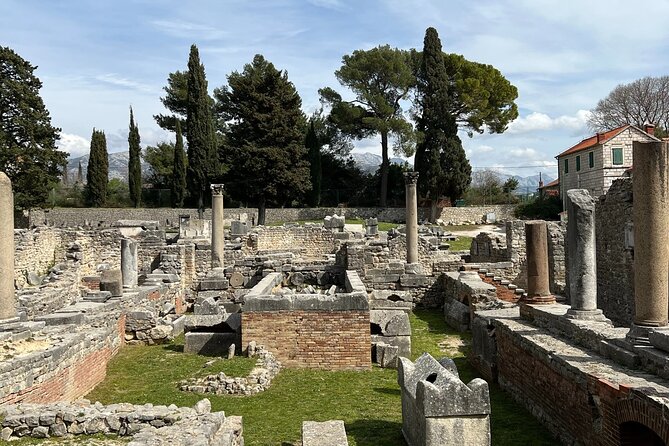
You’ll be walking through the remains of a city that grew huge in Roman times, with about 60,000 residents, and later faced destruction in the 6th century. That big rise and fall is the thread that ties the stops together, especially as you move from gates and civic spaces to burial grounds and the amphitheatre.
Your 2.5 Hour Private Walk, and How to Make It Enjoyable
At roughly 2 hours 30 minutes, this tour is designed for focus. The stops are short and frequent, which is great if you like archaeology but don’t want a slow, all-day slog.
Because it’s private, you can match the pace to your style. If you like asking questions, you’ll get that chance, and if you just want the facts without slowing down, the guide can keep you moving.
Practical note: this is an outdoor, on-foot route across archaeological areas, so wear comfortable shoes and plan to stay alert for uneven ground where stones and ruins are involved. That kind of walking is simple, but it adds up when you do it for hours.
Still riding at anchor off Split
- Split: Krka Waterfalls Trip with Boat Cruise and Swimming★ 4.8 · 10,519 reviews
- From Split: Krka Waterfalls, Food & Wine Tasting Tour★ 5.0 · 9,326 reviews
- Blue cave, Mamma Mia and Hvar, 5 islands speedboat tour★ 5.0 · 7,150 reviews
Ancient Salona Main Entrance and the Open-Air Museum Setup
The tour starts at the Salona main entrance in Solin, at Ul. don Frane Bulića 58. Right away you get the kind of orientation that makes the later stops click, because you learn the big story first and then see it play out in stones and layouts.
Ancient Salona was the Roman metropolis, and the tour frames it as a city that was later wiped out by the Avars in the 6th century. That context matters when you look at walls, foundations, and the way buildings are now scattered and layered.
One detail to plan for: the open-air museum entrance fee is listed around 10 euros for adults, and it’s described as not included in the itinerary step. Since the overall tour summary says admission is included, I’d treat this as the one potential extra cost and budget accordingly.
Manastirine Necropolis and St. Domnius, the City’s Patron
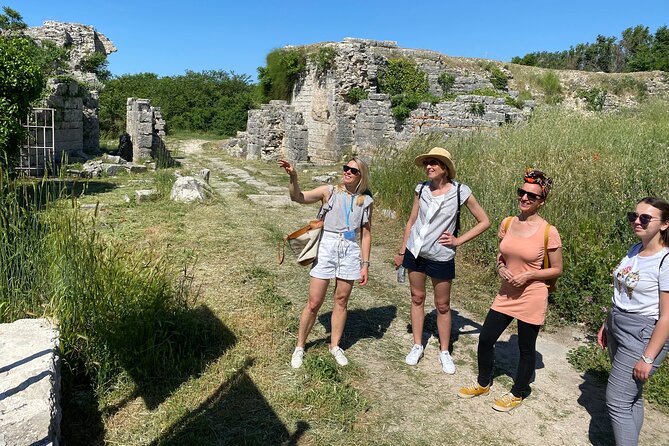
One of the most moving parts of the route is Manastirine. This site functioned as a necropolis in Roman times, then became a Christian cemetery later on.
You’ll hear about St. Dominius, described as the martyr and patron of Split. It’s a small stop on paper, but it gives weight to why burial sites in this area mattered, especially as Christianity grew in the region.
This is also the kind of stop where a good guide changes your experience. Without explanation, necropolises can feel repetitive. With the story tied to St. Dominius, you start noticing how later Christian use layered onto earlier Roman practice.
Tusculum: When Archaeology Becomes Part of the Story
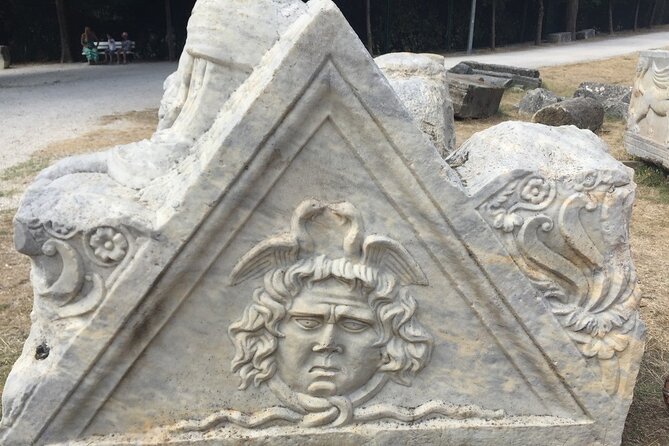
At Tusculum, you’re not just looking at Roman remains. You’re looking at how modern archaeology shaped what you can understand today.
Tusculum is connected to Don Frane Bulić, a famous cleric and archaeologist from Split. He used this place as an office and meeting spot, and the tour notes that some rooms can be visited.
That’s a smart stop for anyone who wants more than a photo tour. It helps you see that “ruins” are not static, they’re a continuing conversation between what the Romans built and what later experts uncovered, recorded, and protected.
Two moorings down in Split:
- From Split: Krka Waterfalls, Food & Wine Tasting Tour
★ 4.9 · 6,598 reviews - Split/Trogir: Blue Cave, Mamma Mia, Hvar and 5 Island Tour
★ 4.6 · 6,320 reviews - Blue Lagoon & 3 Islands Cruise with Lunch from Split
★ 4.5 · 5,756 reviews - Blue Cave and Hvar Tour – 5 Islands Tour from Split and Trogir
★ 5.0 · 4,815 reviews
Bishop’s Palace and the Foundations of Two Cathedrals
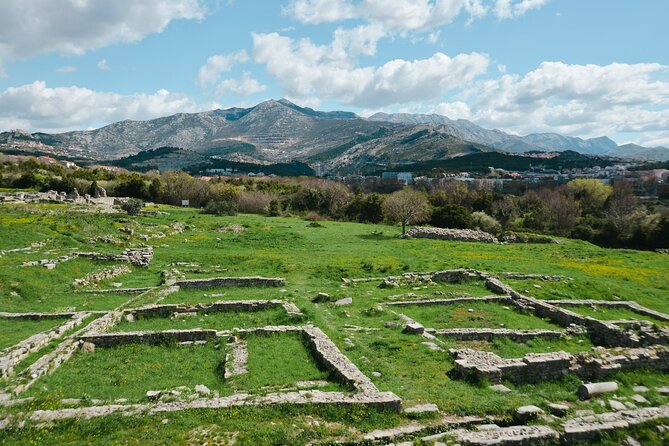
Next comes Biskupska palača, also called Palatium episcopi. Here, you’re looking at the bishop’s palace along with remains tied to two cathedrals from a period when Christians were allowed to practice their religion freely.
Today you mainly see foundation walls. That sounds underwhelming until you realize how useful foundations are for understanding city planning. A wall base tells you where people gathered, how structures were arranged, and what “center” meant in different eras.
If you like tying religion to public space, this stop gives you that bridge. It’s not just sacred symbolism, it’s urban layout and a shift in what public life looked like.
Roman Baths as Social Space, the Large Urban Spa
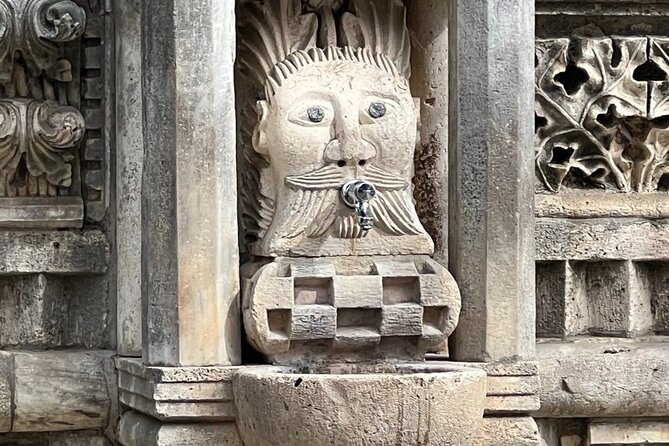
The tour then heads to the large urban spa, essentially Roman baths used for several hundred years. The key point here is that baths were more than hygiene.
They were a social and cultural hub, the kind of public place where you could meet people, talk, and spend time. When you see the scale and location in context, it helps you imagine daily rhythms in a Roman city.
This stop also balances the heavier parts of the route. After necropolises and martyr stories, the baths remind you that most people’s lives were not just about tragedy. They were about routines and community.
Pet Mostova, Five Bridges, and the Industrial Edge of the City
Pet mostova means five bridges, and the tour explains they belonged to an area that functioned like an industrial zone outside the old city center.
That detail is valuable because it avoids a common trap. Many historical tours focus only on temples, gates, and civic buildings. Here, you’re nudged to notice that a city has a working perimeter too.
You might not get the full sensory picture of an industrial district from stone ruins alone, but you’ll walk away with a more complete mental map. And that makes the amphitheatre stop feel more grounded, because you understand where crowds might have flowed from.
Porta Caesarea and the Chariot Ruts You Can Still See
Town Gate, Porta Caesarea, is one of the most “Rome you can touch” moments on this route. It served as the capital gate in Roman times.
The highlight is specific: the ruts of old Roman chariots can still be seen. That kind of physical evidence is what makes ruins matter. It’s not only what happened here, it’s proof of how people moved through the city.
If you like technical details, this is a good place to slow down. Even a short look helps you understand how gateways were designed to handle traffic, not just ceremonies.
Hram: Forum Remains, a Temple Site, and an Ancient Roman Theatre
In the oldest part of the city, Hram connects several civic elements: forum remains, a temple, and an ancient Roman theatre.
This is the stop where you start seeing how power, worship, and entertainment overlapped in one area. A forum is where public life happened. A theatre is where culture landed. A temple signals legitimacy.
The tour keeps it to about 10 minutes here, so you won’t get dragged into information overload. Instead, you’ll get the key orientation to make your next look meaningful, especially when you head toward the amphitheatre.
The Cemetery of the 16 Sarcophagi and Other Burial Grounds
Near the road leading to the amphitheatre, you’ll encounter the cemetery linked to the 16 sarcophagi. The tour frames it as a necropolis next to the road, and it reminds you that Roman cemeteries were built outside the city walls.
That is an important concept. City life crowded inward, while burial spaces often sat on the edges where people could process past them without mixing daily routines with death.
This stop also sets you up emotionally for the later martyr stories tied to the amphitheatre. You’re not jumping straight from civic ruins to persecution. You’re getting a gradual build, from Roman burial patterns to Christian martyr memory.
Kapljuc Martyrs and Why the Amphitheatre Hit Hard
Kapljuc is another basilica and necropolis. Here, the tour notes burials of five martyrs who died in the amphitheatre of Salona in the early 4th century during persecutions of Christians by Diocletian.
That context turns the amphitheatre from an impressive shell into a place with real stakes. Without that kind of explanation, you’d see a well preserved structure. With it, you understand why memory attached itself to the stone.
This stop takes about 10 minutes, but it’s a turning point in the mood of the route. I like how the tour doesn’t sugarcoat it. It gives you the minimum you need to make the final stop land.
Amphitheatre Salona: What Makes It a Standout Finale
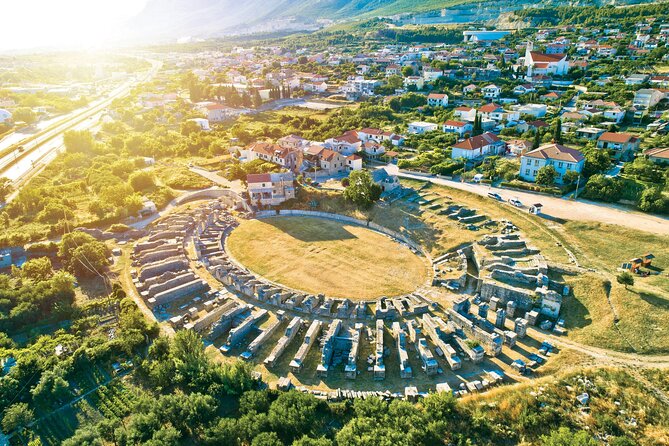
The highlight is Amphitheatre Salona, and you’ll spend about 30 minutes there. The tour describes it as relatively well preserved, which matters because many Roman amphitheatres you see elsewhere feel more broken or scattered.
It also comes with a nasty little twist of later history: the Venetians removed many stones to build churches in Venice. That’s part of why some Roman sites around the Adriatic survive unevenly.
When you stand in an amphitheatre tied to stories of martyrdom, the space becomes more than architecture. You can see how crowds gathered and how the city used public stages for power and control.
If you’re short on time in Split or want one strong Roman anchor beyond Diocletian’s Palace, this amphitheatre is a smart choice. It’s the moment where the entire walk makes emotional and spatial sense.
Value and Price: Is $203.50 Per Person Worth It?
At about $203.50 per person for roughly 2.5 hours, you’re paying for two things: a private guide and a structured route that hits the big checkpoints without wasting time.
The value improves because the experience is private, offered in English, and includes mobile ticket access. Also, most stops are described as free admission, with the big optional cost being that Ancient Salona open-air museum entrance fee listed at about 10 euros for adults.
So the economics usually look like this: you spend more than you would on a self-guided stroll, but you gain an organized narrative. For Roman sites, that narrative is often the difference between seeing ruins and understanding them.
If you’re traveling with a small group and you care about getting the story right, private tours often make more sense. If you’re on a solo budget and you’re happy with reading a few signs, you might prefer going on your own. But for many people, the guide and the route timing are exactly what you’re paying for.
Who This Tour Fits Best (and Who Might Skip It)
This tour fits best if you want Roman Solin and Christian-era layers in one compact walk. If you like explanations that connect sites rather than just list facts, the stop sequence here works well.
It also suits couples or small groups who want a calmer experience than big-group touring. Since it’s private, you can keep it personal and move at a comfortable pace.
I’d skip it or consider another option if you dislike walking through outdoor ruins for long stretches. Also, if you’re strictly trying to avoid any extra ticket costs, pay attention to that Ancient Salona open-air museum fee detail mentioned.
Should You Book This Salona Private Tour?
Yes, if you want a guided, coherent Roman-to-Christian story that ends with a memorable finale. The tour is short enough to feel efficient, but it covers enough ground that you’ll leave with a real sense of how Salona operated and remembered.
It’s especially worth booking if you like your guide to bring warmth and clarity to the stones you’re standing in. The feedback tied to Ivan highlights that friendly, helpful explanation, and in a place like Salona, that kind of guiding can turn a collection of ruins into a place you actually understand.
Just do one thing before you go: check the open-air museum fee note for Ancient Salona and plan for good weather. If the sky cooperates, you’ll likely feel like you got more than your money’s worth for a focused, story-driven walk.
FAQ
How long is the Salona and Amphitheater private guided tour?
It runs about 2 hours 30 minutes.
Where do I meet the guide, and where does the tour end?
You meet at Salona Main entrance, Ul. don Frane Bulića 58, 21210 Solin, Croatia. The tour ends back at the meeting point.
What language is the tour offered in?
The tour is offered in English.
Is admission included?
The tour summary says admission is included, but the Ancient Salona open-air museum entrance fee is listed at about 10 euros for adults and is noted as not included for that stop.
What ticket type do I receive?
You get a mobile ticket.
What is the cancellation policy?
You can cancel for a full refund up to 24 hours before the experience starts. If you cancel less than 24 hours before, the amount paid is not refunded.
Does the tour run in bad weather?
It requires good weather. If it’s canceled due to poor weather, you’ll be offered a different date or a full refund.
Latest arrivals logged at Split

Guided, compared.
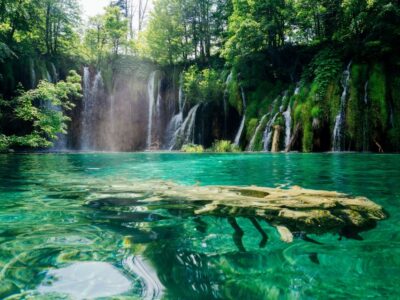
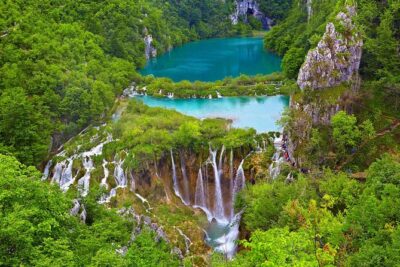
Plitvice & Rastoke Guided Day Trip with Ticket
Read our review →
Plitvice Lakes Guided Tour with Entry Tickets
Read our review →
Plitvice Lakes National Park Guided Day Tour from Split
Read our review →
Rastoke & Plitvice Lakes Guided Tour with Ticket
Read our review →