
Reviewed · SIBENIK TOURS & ACTIVITIES
The beauty of the Middle Ages-Šibenik
The Middle Ages in Šibenik are right there. In about 90 minutes, you walk through one of Croatia’s best preserved medieval centers, then end at St. James Cathedral with serious architectural details to notice. I especially like how the tour is built like a mini timeline, starting with views over the old town and finishing with the cathedral’s most important moments.
I also love the street-level specifics, like seeing the 1762 organ by Petar Nakić and learning what makes the old monasteries and noble buildings feel so human instead of museum-like. The streets are not wide, and you’ll likely spend more time at the cathedral than you expect.
There’s a real sense of care from the guide. The owner, Dario Mikulandra (Magnificat), leads, and the explanations are clearly meant to help you connect the dots as you move from gate to monastery to church. Small group size, capped at 10, means it stays conversational instead of a rush-job photo stop.
The main drawback is simple: expect stairs and a good amount of walking in uneven historic lanes. If you struggle with steps or knee fatigue, it may feel like too much for 90 minutes.
In This Review
- Key points that matter
- Getting your bearings: where the tour starts
- The view-first approach, St. Michael Fortress and the coast
- Eastern city gates to St. Francis Monastery
- Petar Nakić’s organ and why the sound matters
- Noble streets: palaces, coats of arms, and the Šibenik meter
- Gorica walk: St. Luca monastery, the Lurd cliff, and May wedding lore
- 4 Wells square and the largest cistern
- St. James Cathedral finale: the most valuable details, up close
- Price, time, and group size: $32 for a focused 90 minutes
- Who should book, and who might want a different plan
- A quick practical checklist before you go
- Should you book the Beauty of the Middle Ages in Šibenik?
- FAQ
- How long is the tour?
- How much does it cost?
- What is the group size?
- What languages are offered?
- Where do I meet the guide?
- Is the cathedral ticket included?
- What parts of the tour are focused on churches and monasteries?
- Do I need to plan for steps and uneven walking?
- Can I request hotel pickup?
- Is it refundable if I cancel?
Key points that matter
- Small group pace keeps the focus on your questions, not crowd control.
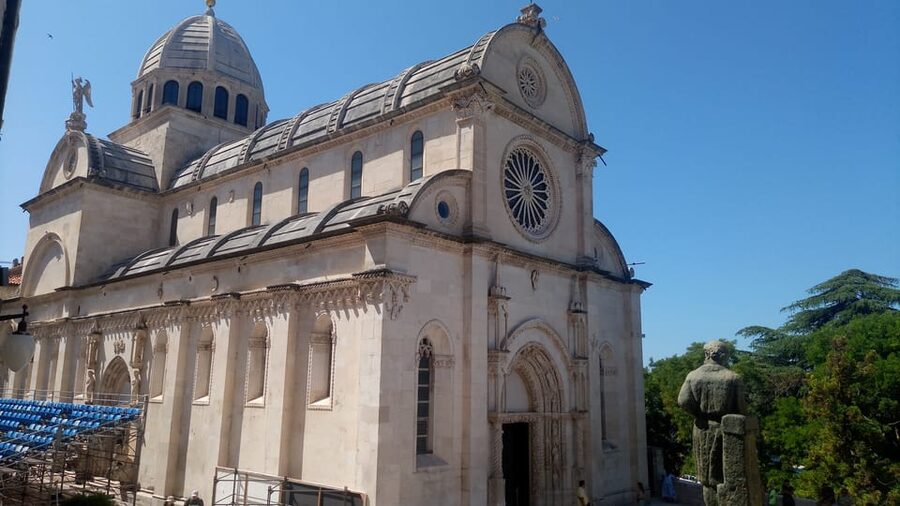
- St. James Cathedral is the centerpiece, and you’ll get time to notice details.
- St. Francis Monastery plus the organ by Petar Nakić (1762) adds real sacred-art texture.
- Gorica and the Lurd cliff give you classic Šibenik viewpoints in the middle of the walk.
- 4 Wells square and the largest cistern turns the tour from pretty buildings into how the city worked.
- Dario’s enthusiasm shows in the way the story connects across centuries.
Getting your bearings: where the tour starts
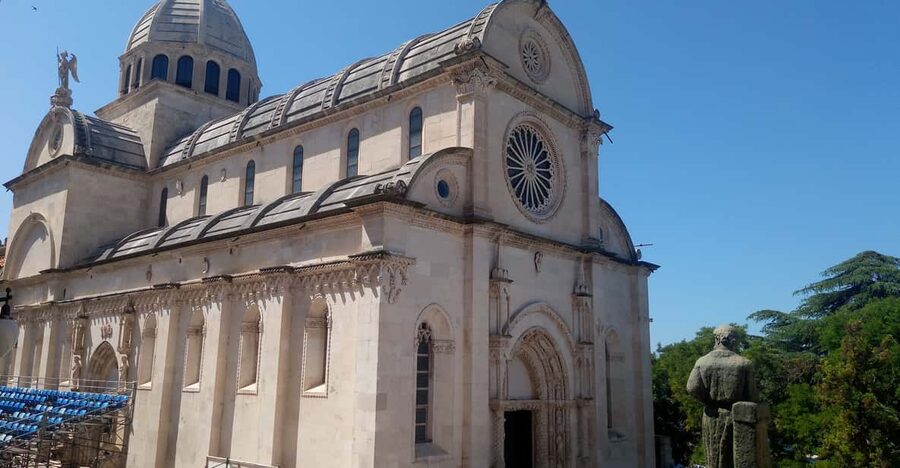
You’ll meet at the main entrance-portal of the cathedral facing west. This is important because there are other entrance points, including the more famous cathedral doors with lions. Stand at the correct portal, opposite the statue of sculptor Juraj Dalmatinac.
I like how this meeting point is specific. When tours are vague, you burn time wandering. Here, you can orient quickly: face the west-facing entrance portal, and use Dalmatinac’s statue as your anchor.
One practical tip: arrive a few minutes early, even if you’re not late. Šibenik’s old streets can be a little confusing at first, especially if you’re hopping off a ferry or bus and walking uphill. If you’re coming with a hotel pickup request, confirm your schedule so you’re not juggling timing in a tight historic center.
The view-first approach, St. Michael Fortress and the coast
The tour starts on the coast, looking out over the old town and the fortress of St. Michael. That first outlook is more than a photo moment. It gives you a mental map: where the medieval center sits, where the churches and monasteries cluster, and why the city’s defensive and religious spaces grew so closely together.
From that vantage, you get the sense that Šibenik wasn’t built for convenience. It was built for control, faith, and water. And the walk that follows keeps returning to those themes.
If you like architecture, this opening helps you read the buildings later. When you later see gates, monasteries, and the cathedral, you’ll have the skyline in your head. When you’re done, you’ll also understand why certain streets feel like “secret passageways,” even though they’re just the original city layout.
Still riding at anchor off Sibenik
- Krka National Park – All Sites – Entry ticket★ 4.3 · 1,098 reviews
- Split: Krka National Park Full-Day Tour with Wine Tasting★ 4.9 · 142 reviews
- Private Sibenik Walking Historical Morning or Evening Tour★ 5.0 · 93 reviews
Eastern city gates to St. Francis Monastery
Next you’ll enter medieval Šibenik through the eastern city gates, then step into the area around the monastery of St. Francis. This is where the tour shifts from scenery to something more intimate. Monasteries feel still, even when people move around them, and that stillness helps the story land.
St. Francis is also a timing device. You move from the city as a whole into the city as a set of spiritual spaces. You’ll have the chance to learn what secrets the monastery hides. The key detail here is age: it’s described as almost 7 centuries old, so you’re standing in a place that has outlasted waves of change.
The tour’s religious-art focus comes into play at the next major moment.
Petar Nakić’s organ and why the sound matters
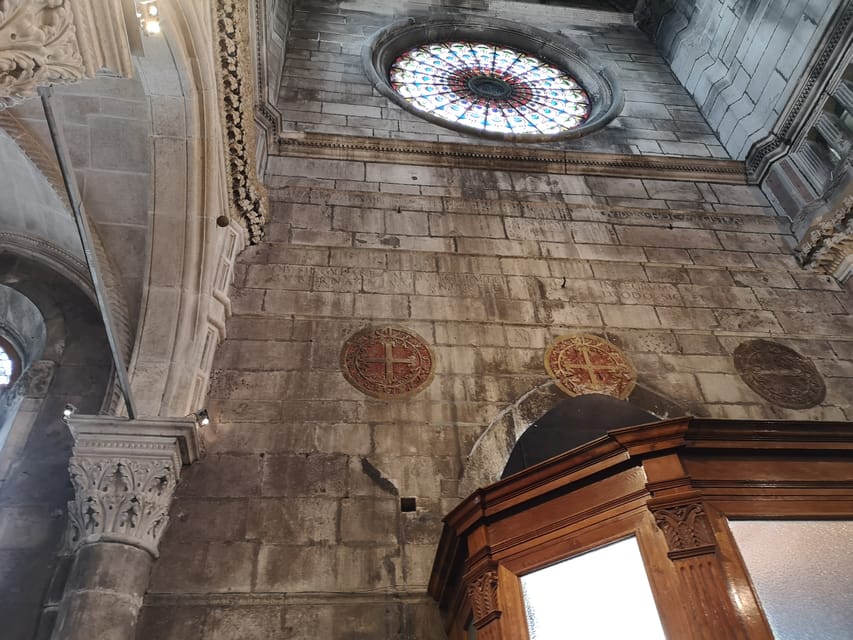
One of the tour’s stand-out highlights is the organ by builder Petar Nakić, dated 1762. Even if you don’t play music, you’ll appreciate why it belongs on a medieval-focused walk. Organs are not just instruments. They are craftsmanship, civic pride, and a statement about what a community valued.
This stop is valuable because it turns “look at a church” into “understand why it exists.” You’ll hear what makes the organ significant and why the monastery setting matters. Sacred art only feels dead when you treat it like a checklist. With a guide pointing out the right connections, it becomes part of the city’s daily life, not only its religious life.
As a bonus, this is the kind of detail that makes your photos better. You won’t just snap stone and arches. You’ll know what to notice, like the way a particular feature signals status, devotion, or both.
Noble streets: palaces, coats of arms, and the Šibenik meter
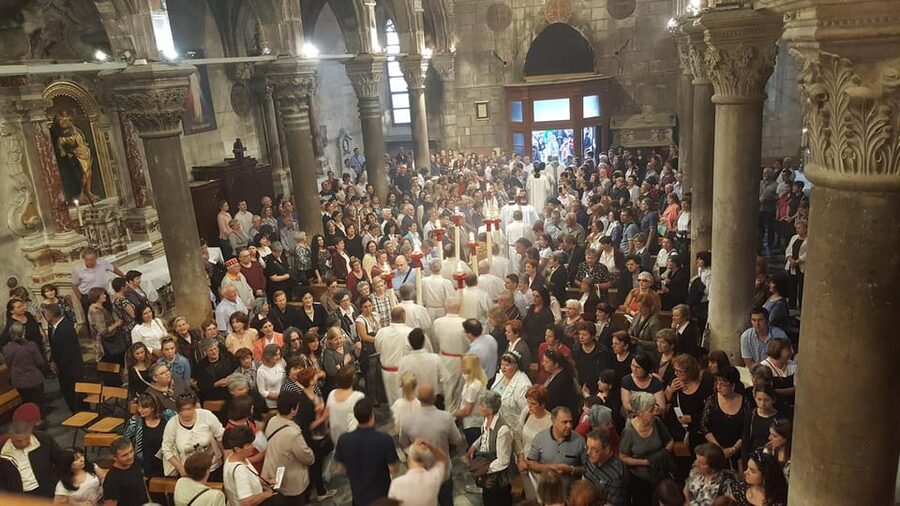
After the monastery area, you’ll walk through the noble part of the city, where old palaces, portals, and coats of arms of Šibenik’s noble families are part of the street view. This is one of my favorite ways to learn a city. You don’t need a grand plan. You just follow the façades.
Here’s what to look for as you go: portals with distinct stonework, family symbols that repeat across buildings, and the way public spaces connect to private wealth. It’s a quick education in how medieval cities broadcast power without saying a word.
You’ll also see something unique called the Šibenik meter. Since it’s presented as a specific city detail, treat it like a clue rather than a random plaque. It’s the sort of item that makes Šibenik feel local and specific, not interchangeable with other Dalmatian towns.
The tour also introduces you to the four most important medieval fraternities of Šibenik. That’s a smart inclusion. Fraternities explain why the city’s social structure wasn’t just nobles versus common people. It was organized, grouped, and supported by religious and civic institutions.
Two moorings down in Sibenik:
- Kornati Experience small group (12 pax) boat tour
★ 5.0 · 89 reviews - Šibenik Riviera boat tour: Zlarin + Prvić + Tijat
★ 4.5 · 71 reviews - Kornati Private Boat Tour Experience
★ 5.0 · 64 reviews - Sibenik: Guided Evening Walking Tour
★ 4.9 · 62 reviews
Gorica walk: St. Luca monastery, the Lurd cliff, and May wedding lore
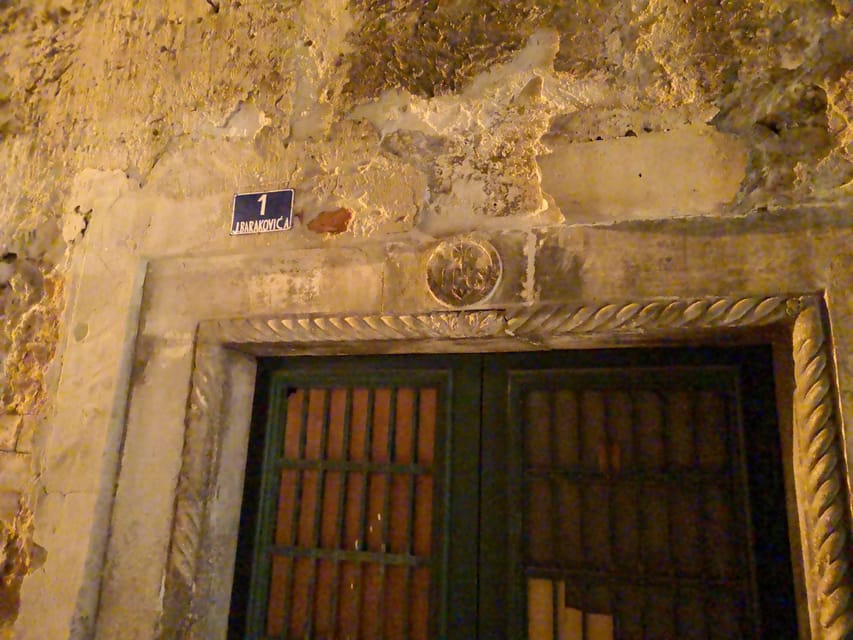
Next comes a walk through Gorica, a section that changes the feel of the route. You’ll see the Benedictine monastery of St. Luca and learn why there are no weddings in Šibenik in May. That kind of local tradition might sound small, but it’s actually a window into how religion shaped schedules, customs, and public life.
You’ll also enjoy a view of the Lurd cliff in the heart of the city. Even if you just take in the sightline, the stop works. It breaks the stone-and-street loop with a moment that reorients you, reminding you that Šibenik’s medieval center is shaped by terrain as much as by design.
Then you’ll slowly descend stairs toward the square known for its wells.
4 Wells square and the largest cistern
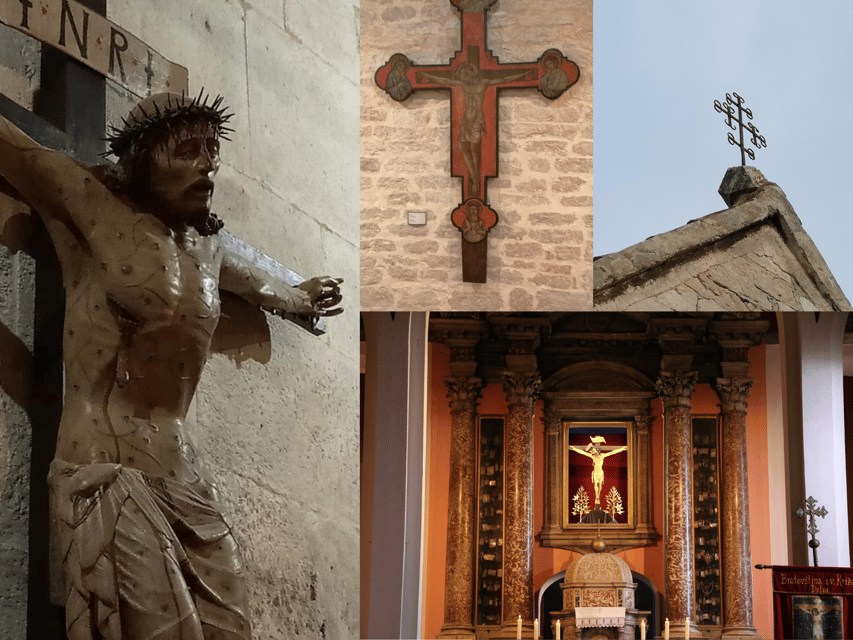
The walk brings you to 4 Wells square, and then into one of the most practical, surprising parts of the tour: the largest cistern. This is where the medieval city starts to make real-world sense.
Cisterns explain survival. In places built close to the sea, water management is not optional, especially in seasons when rain patterns change. Seeing a cistern conceptually shifts your understanding from pretty old buildings to functioning infrastructure.
This stop is also why a guided route is worth it. A cistern is hard to interpret on your own unless someone points out what you’re looking at and why it mattered. With the guide’s explanation, it becomes part of the city’s story instead of a random structure you walk past.
St. James Cathedral finale: the most valuable details, up close
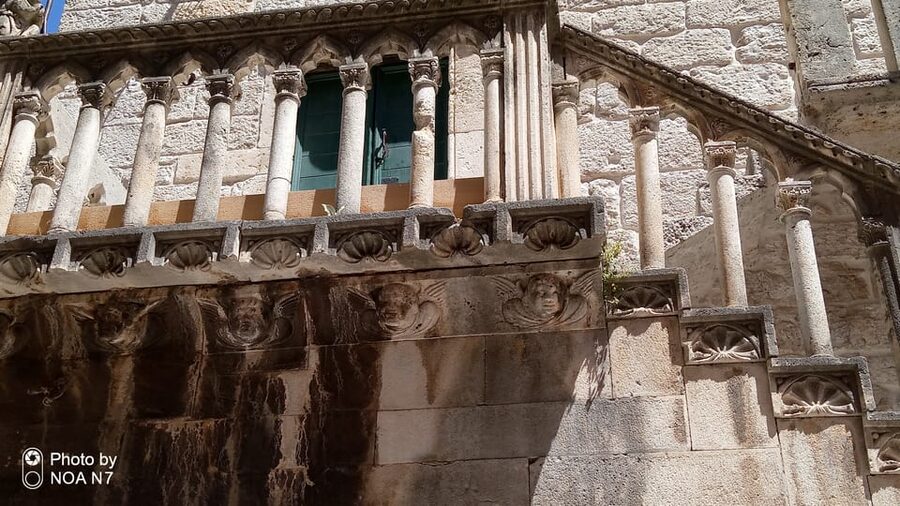
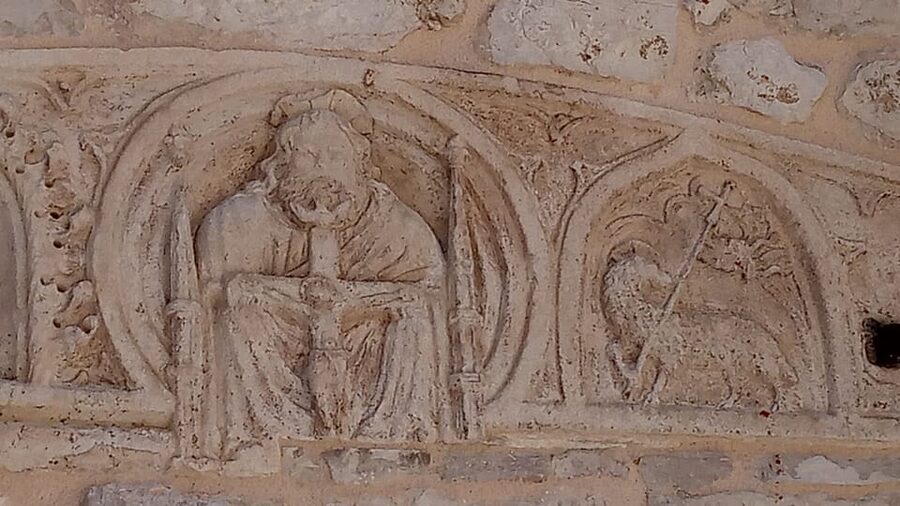
The “pearl” at the end is St. James Cathedral in Šibenik. If this is the attraction you care about most, you’re in good shape. The cathedral is treated as the finale, and that’s not just marketing. One review notes that the cathedral was the centerpiece and that you spend quite a bit of time there, which is exactly what you want if you’re trying to really see the place.
This is the kind of church where details reward patience. Expect a guided focus on its most important elements and what makes it stand out among Croatian medieval architecture. The tour frames it as the most beautiful cathedral in Croatia, but even if you come with a more skeptical mindset, you should still leave with a stronger understanding of why people take this building seriously.
Because entry is included, you’re not juggling separate tickets mid-walk. That matters in a 90-minute experience. It keeps the time flow smooth and lets the guide spend your minutes on interpretation instead of admin.
Price, time, and group size: $32 for a focused 90 minutes
At $32 per person for about 90 minutes, the value is mostly about what’s included and how the tour is paced. Your cathedral entry ticket is included, and you also get a live guide with a specialist focus on sacred art.
Small group matters here. With a maximum of 10 people, you’re less likely to feel like you’re standing behind shoulders while the guide talks. You’re also more likely to catch the key points because explanations can stay tailored.
The schedule is short enough that you can fit it into a day in Šibenik without turning your legs into noodles. But it’s not so short that you only see one corner. You get gate-to-monastery-to-cathedral movement, plus that practical cistern stop.
The main tradeoff, as mentioned earlier, is stairs. If you know you struggle with steps, you might want to plan a different kind of tour, or at least bring a slower pace mindset and comfortable shoes.
Who should book, and who might want a different plan
I’d book this if you enjoy medieval cities but hate the generic version. You’ll like it if you want more than stone photos, and you’re curious about how religious art, noble society, and city infrastructure connect.
It’s also a strong fit if you appreciate local specifics, like the Šibenik meter, the medieval fraternities, and the unusual tradition about May weddings. Those details are what make a place feel owned by its own people, not just marketed for tourists.
You might skip it if stairs are a deal-breaker for you, since the walk includes steps and a significant descent. Also consider that the cathedral is a major portion of the experience, so if you want maximum variety with minimal time inside, you might prefer a different format.
A quick practical checklist before you go
- Bring comfortable walking shoes, because historic streets mean uneven footing and stairs.
- Wear something you can handle in changing coastal weather, since you start along the coast.
- Use the meeting point carefully: west-facing cathedral portal, opposite Juraj Dalmatinac.
- If you want to ask questions, this format supports it due to the small group size.
Should you book the Beauty of the Middle Ages in Šibenik?
Yes, I think you should book if you want a tight, guided loop through Šibenik’s medieval spine, with a real emphasis on St. James Cathedral and the sacred-art details that make it more than a pretty backdrop. The $32 price feels fair because the cathedral entry is included and the pacing is designed for understanding, not just passing through.
I’d also book with extra confidence because the guide, Dario Mikulandra of Magnificat, comes across as genuinely invested, with explanations that keep the story flowing from stop to stop.
Book it if you can handle stairs. If you cannot, plan a more level route instead.
FAQ
How long is the tour?
The tour lasts 90 minutes.
How much does it cost?
The price is listed as $32 per person.
What is the group size?
The tour is a small group with a limit of 10 participants.
What languages are offered?
The live guide offers English and Croatian.
Where do I meet the guide?
Meet at the main entrance portal of St. James Cathedral facing west, opposite the statue of Juraj Dalmatinac. Use the portal, not the cathedral doors with lions.
Is the cathedral ticket included?
Yes. Your entry ticket for St. James Cathedral is included.
What parts of the tour are focused on churches and monasteries?
You’ll see the monastery of St. Francis and the Benedictine monastery of St. Luca, plus the organ by Petar Nakić (1762) at the St. Francis stop.
Do I need to plan for steps and uneven walking?
The tour includes narrow historic streets and stairs, so you should be ready for a number of steps during the walk.
Can I request hotel pickup?
Hotel pickup can be arranged if you contact and coordinate in advance.
Is it refundable if I cancel?
Yes. There is free cancellation up to 24 hours in advance for a full refund.
Latest arrivals logged at Sibenik



Sibenik Tours & Activities, compared.

Krka National Park Full-Day Tour with Wine Tasting
Read our review →
Private Sibenik Walking Historical Morning or Evening Tour
Read our review →
Kornati Experience small group (12 pax) boat tour
Read our review →
Šibenik Riviera boat tour: Zlarin + Prvić + Tijat
Read our review →

Browse the lists this tour appears in