
Reviewed · COOKING CLASSES
Authentic Garden to Table Cooking Class in Dubrovnik Countryside
Bread dough and big family stories, in Konavle. You head out of Dubrovnik to a generations-old homestead for a garden-to-table cooking class using what is actually growing. The vibe is simple: learn, chop, knead, taste, and hear how the place works.
I especially love the hands-on bread moment, where you knead your own dough before it even hits the oven. Then you walk the garden with the family behind it, picking ingredients and grabbing fresh eggs, with hosts like Ivo and Katarina sharing what they grow and why. The second big win for me is the meal itself, built around seasonality, from cured meat and homemade cheese to Lovorno-style skewers, farm-grown chicken stew, and Grandma’s cake, finished with homemade red or white wine.
One thing to think about: the goat milking can be offered if the dessert involves milk, so if you prefer to keep things strictly culinary, you may want to ask ahead how hands-on that part will be. Also, 5 hours in a rural setting means you trade some flexibility for a focused day.
In This Review
- Key highlights worth waking up for
- From Dubrovnik pickup to a family homestead in Konavle
- The welcome moment, then straight to bread and dough
- Garden-to-table: harvesting ingredients with the people who grow them
- Cooking in a real farm kitchen, not a staged studio
- The goat moment and other animal-related experiences
- Wine at the table: homemade red or white with your meal
- Family tree stories while you eat
- Price and value: what $208 buys you in the real world
- Who should book this cooking class in Dubrovnik?
- Practicalities: timing, language, and dietary options
- Should you book it?
- FAQ
- How long is the cooking class?
- Where is the meeting point?
- Do you offer pickup from Dubrovnik?
- What happens during the class?
- Is the experience offered in English?
- Are vegan, vegetarian, or gluten-free options available?
- Is the group size limited?
- Is goat milking included?
- What is the cancellation policy?
Key highlights worth waking up for
- Konavle farm setting: a homestead in the family since the 1500s, run by multiple generations
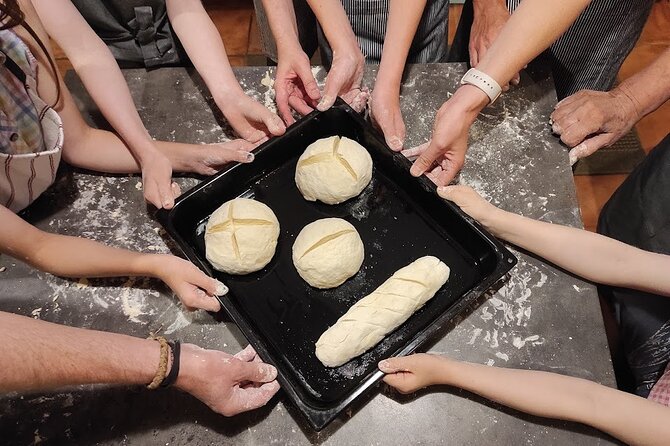
- You knead your own bread using a traditional method
- Garden harvest included: you pick vegetables, and gather fresh eggs
- Croatian cooking in context: bay-leaf branch meats, wine and olive oil production, seasonal choices
- Family tree stories: Ivo’s centuries-spanning anecdotes while you eat
- Small group size: up to 8 people, so questions do not get lost
From Dubrovnik pickup to a family homestead in Konavle
This is one of those days where you feel the shift almost immediately. You meet at Kameni Dvori – Holiday Village Konavle at Lovorno 11 in Gruda, then you get transferred by a vehicle that displays a sign showing it is the cooking class.
What I like about this setup is that it takes the logistics problem off your plate. Dubrovnik is busy, and the countryside is a different world, so having a direct ride out helps you get into the right mindset faster.
If you are staying near the city walls, the drive itself can also act like a short orientation. In the accounts I’ve studied, the hosts talk about the area along the way and then welcome you at the homestead with a drink.
The welcome moment, then straight to bread and dough
Once you arrive, you get the welcome drink and a clear rundown of what is happening that day. The key detail here is that the menu is not just printed and performed. The dishes depend on the season and what the garden and local farm can supply.
Bread is where the class becomes real. You do the traditional homemade bread step and knead your own dough. That is not just a fun souvenir activity. It gives you a feel for why Mediterranean bread tastes the way it does, especially when you are eating it warm, right after the work is done.
Timing-wise, plan on the full experience taking about 5 hours. It is not a quick tasting. It is a hands-on cooking lesson with enough food and stories to make the time feel like it flew by, even if it starts to feel long on the clock.
Still riding at anchor off Dubrovnik
- Traditional Cooking Class in Dubrovnik Countryside★ 5.0 · 168 reviews
- Croatian Traditional Cuisine: Peka Cooking Lesson★ 5.0 · 10 reviews
- Dubrovnik: Private Cooking Experience with Wine Tasting★ 5.0 · 3 reviews
Garden-to-table: harvesting ingredients with the people who grow them
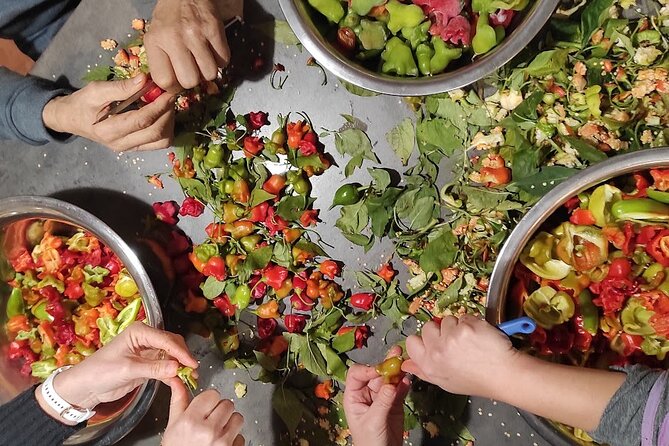
After bread, you head to the garden. This is one of my favorite parts of farm cooking classes because it changes your relationship to the meal. Instead of eating “fresh,” you learn what fresh means in that moment, from how plants are cultivated to what is ready to pick.
You’ll see the cultivation method explained and then collect ingredients. The practical highlight is gathering fresh eggs, because eggs are one of those foods that instantly connects cooking to daily farm life.
You might also notice that the family does more than grow vegetables. In the way the hosts explain their work, you get a sense of how olive oil and wine fit into the bigger system. That context matters, because Croatian cooking often depends on how the ingredients were produced, not just what the recipe calls for.
Cooking in a real farm kitchen, not a staged studio
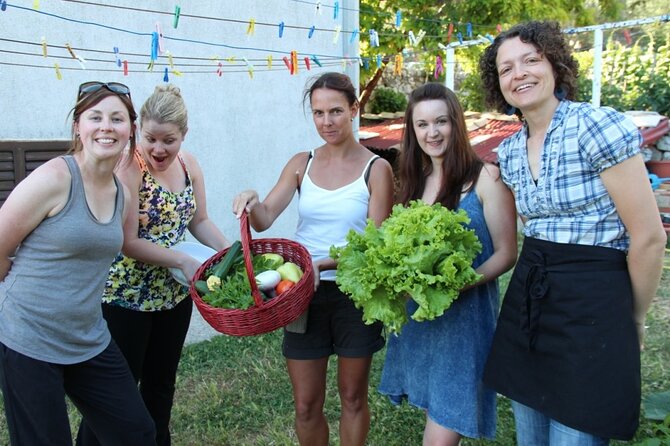
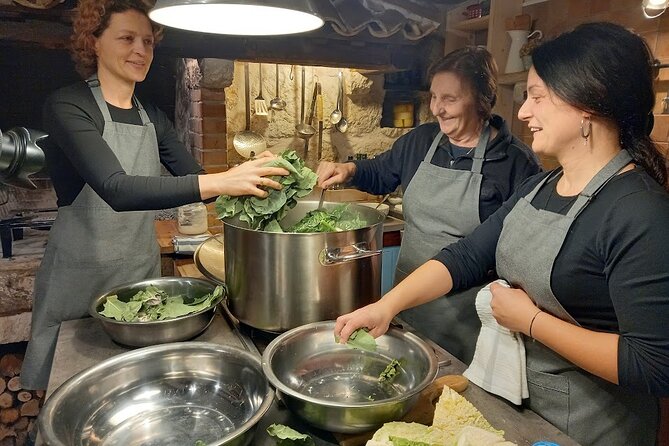
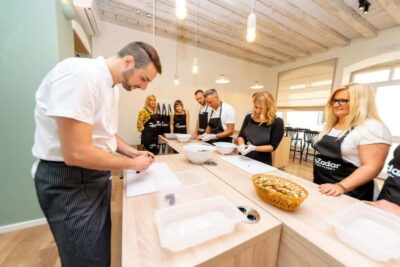
Back in the kitchen, you start moving from ingredients to dishes. The class is structured so you can participate without needing chef-level skills.
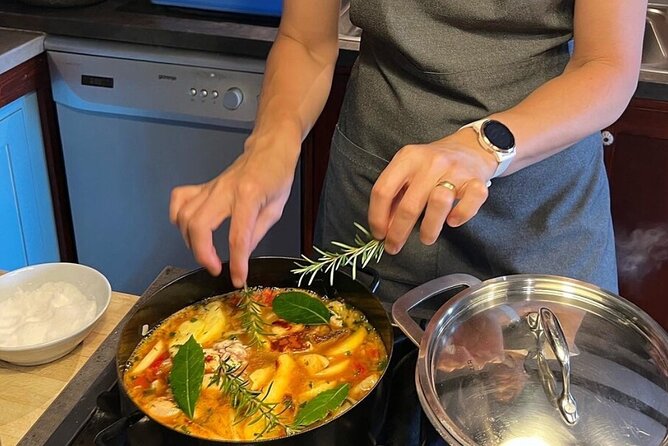
Your cooking typically includes multiple elements, like prepping vegetables and working with meat for mains. The sample menu gives you a good sense of the direction, but the day still stays flexible so it follows what is in season.
Here’s what the meal can look like, based on the menu you may prepare:
- Starter: cured meat and homemade cheese, served with warm bread, pickled vegetables, spreads, and homemade olive oil
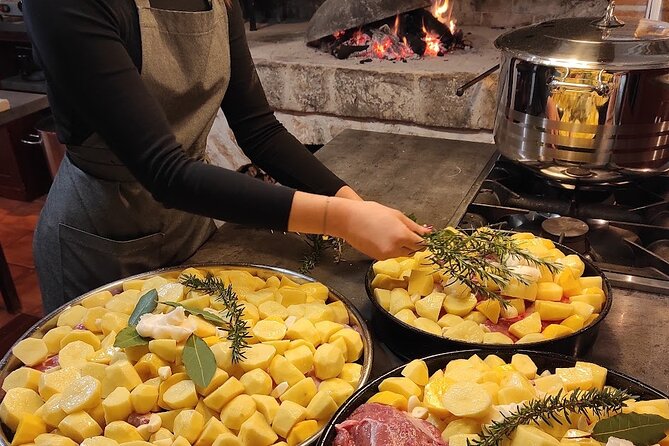
- Main option: Lovorno skewer, with pork meat served on bay leaf branches plus country-style potatoes and vegetables seasoned with homemade olive oil, plus seasonal salad
- Main option: farm-grown chicken stew, cooked with wine and served with homemade pasta
- Dessert: Grandma’s cake
Even if the exact menu shifts, the pattern stays consistent: you work with ingredients the family produces or sources locally, then you taste what that approach creates.
The goat moment and other animal-related experiences
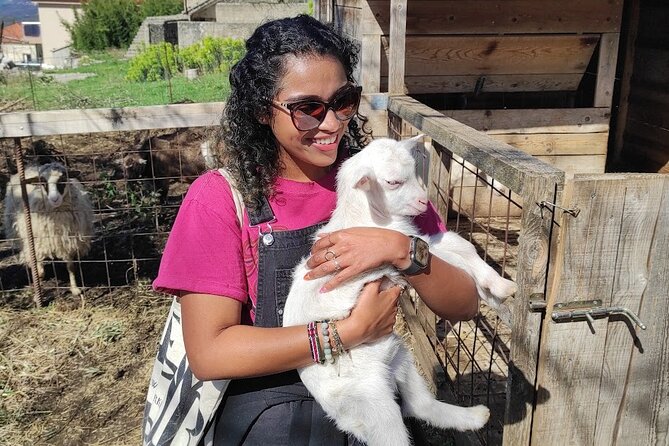
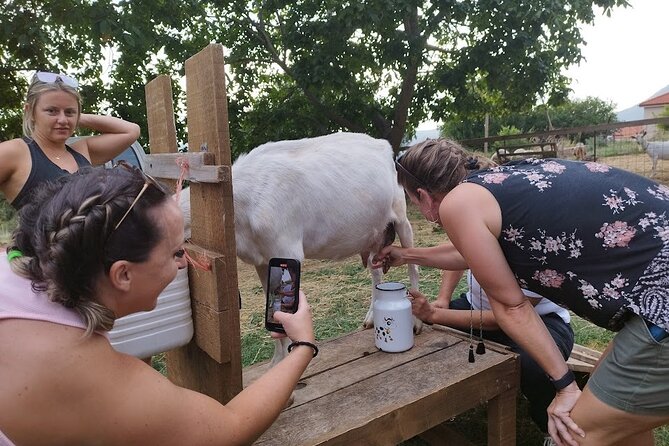
If dessert includes milk, the host may offer the experience of milking a goat. This is one of those “you have to know your comfort level” add-ons.
From a cultural perspective, it makes the day feel complete. You are not only learning recipes, you are learning where some ingredients come from in a small rural system.
From a practical perspective, it is worth asking in advance if you have concerns about animal handling or if you prefer a lighter touch. The class is family-run and hands-on, so expect friendly participation, not a museum-style look-only moment.
Two moorings down in Dubrovnik:
- Blue Cave Small-Group Boat Tour from Dubrovnik
★ 5.0 · 9,360 reviews - Full-Day Dubrovnik Elaphite Islands Cruise with Lunch and Drinks
★ 5.0 · 8,823 reviews - Dubrovnik: Epic Game of Thrones Tour + Lokrum & Saver Option
★ 4.9 · 5,995 reviews - Dubrovnik: Elaphiti Islands Full-Day Cruise with Lunch
★ 5.0 · 5,938 reviews
Wine at the table: homemade red or white with your meal
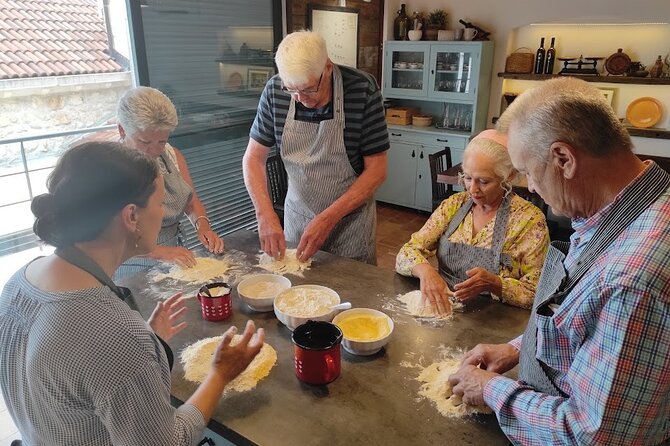
Food ends, in the best way, with tasting. You eat the meal you helped prepare, paired with homemade red or white wine.
This part matters more than it sounds. Wine in this kind of meal is not just a drink ticket. It connects you to what the family grows and what they make on their property. In several stories shared during the experience, the hosts discuss their wine production and how it fits into life here.
If you do not drink, be ready for the fact that the day is centered around a shared table. You can still enjoy the experience, but it is smart to tell the hosts about any preferences tied to alcohol before you start, since dietary and personal requests are supported.
Family tree stories while you eat
While the meal is cooking, the hosts share family stories, including 500-year family tree history. One highlight in the accounts I’ve seen is how Ivo, the host, ties food to place through these stories.
This is not a lecture for the sake of it. It helps you understand why certain cooking choices make sense in a community like this. When you hear how long the family has been here and how many hands keep the farm going, the meals stop feeling like a performance and start feeling like a living tradition.
In a group of up to 8 people, these stories also tend to feel personal. You can ask questions and keep the conversation going during the meal, instead of being rushed along.
Price and value: what $208 buys you in the real world
At $208 per person, this is not a budget activity. But it is also not overpriced compared to what you get.
You are paying for:
- Hands-on instruction and participation in bread-making and cooking
- Local, seasonal ingredients gathered on site, including fresh eggs
- A full meal with multiple courses and homemade wine
- Pickup and transfers via vehicles marked for the cooking class
- A small group setting that keeps the experience from feeling crowded
If you typically pay for a standard cooking class in a city, you may get instruction but miss the real ingredient story. Here, the garden walkthrough and the farm context are central. That is what makes the day worth it for me: you get food education tied to the farm system, not just recipe steps.
Who should book this cooking class in Dubrovnik?
This class is best for you if you like:
- real local food and hands-on cooking
- learning where ingredients come from in a working family farm
- small-group experiences in the Konavle countryside
- conversational history that connects to daily life, not textbook facts
It might be less ideal if you want a tight sightseeing route with lots of city time, or if you hate the idea of getting your hands involved with dough, chopping, or cooking prep. Also, if animal experiences are a hard no, consider messaging the operator so you can gauge how goat milking works on your specific day.
Families with kids can also consider it, because a child’s chair can be requested. The key is that the class is hands-on, so your child should enjoy being part of the action.
Practicalities: timing, language, and dietary options
The class is offered in English, and it runs about 5 hours. Confirmation is handled when you book, unless you’re booking within 2 days of travel, in which case you get confirmation within 48 hours subject to availability.
The group is capped at 8 travelers, so it stays more like a small family table than a big tour bus stop. Service animals are allowed, which is helpful to know.
Dietary needs are supported. Vegan and vegetarian meals are available. Gluten-free meals are also available. The hosts can accommodate flexible dietary restrictions, so if you have a specific allergy or requirement, contact them in advance.
Should you book it?
If you want a Dubrovnik day that feels more like you stepped into Croatian home cooking than like you visited an attraction, I’d book this. The best part is the chain from garden to bread to the finished meal, plus the family tree stories that make the place feel anchored in real life.
If you are on the fence because of the $208 price, think about what you would otherwise spend on a countryside meal plus a guided excursion plus food experiences. Here, those pieces are bundled into one focused 5-hour day with pickup, small group size, and hands-on cooking.
If you are sensitive to animal handling, ask ahead about the goat milking and the milk in dessert. Otherwise, this is exactly the kind of cooking class that turns into a memory you can taste for a long time.
FAQ
How long is the cooking class?
It runs for about 5 hours.
Where is the meeting point?
The meeting point is Kameni Dvori – Holiday Village Konavle, Lovorno 11, 20215, Gruda, Croatia.
Do you offer pickup from Dubrovnik?
Yes. Transfers are provided by vehicles marked with a sign for the cooking class.
What happens during the class?
You start with bread-making, then visit the garden to collect seasonal ingredients and fresh eggs. After that, you return to the kitchen to prepare dishes, and you finish by eating the meal with homemade red or white wine.
Is the experience offered in English?
Yes, it is offered in English.
Are vegan, vegetarian, or gluten-free options available?
Yes. Vegan and vegetarian meals are available, and gluten-free meals are available. The provider can accommodate flexible dietary restrictions.
Is the group size limited?
Yes. The class has a maximum of 8 people.
Is goat milking included?
It can be offered if the dessert includes milk.
What is the cancellation policy?
You can cancel for a full refund up to 24 hours before the experience starts. If you cancel less than 24 hours before, the amount paid is not refunded.
Latest arrivals logged at Dubrovnik

Cooking Classes, compared.
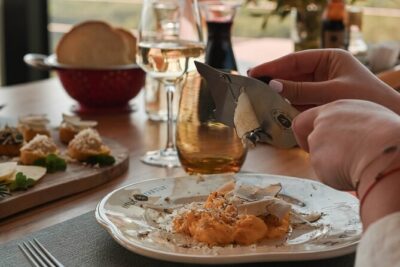
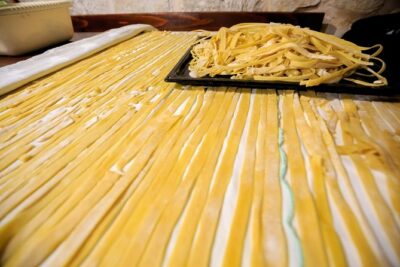
Traditional Cooking Class in Dubrovnik Countryside
Read our review →
Culinary Experience – Cooking Class & Walking Tour Split
Read our review →
Private Truffle Hunting with Cooking Session
Read our review →
Croatian Traditional Cuisine: Peka Cooking Lesson
Read our review →Browse the lists this tour appears in