
Reviewed · COOKING CLASSES
Zadar: Private Cooking Class
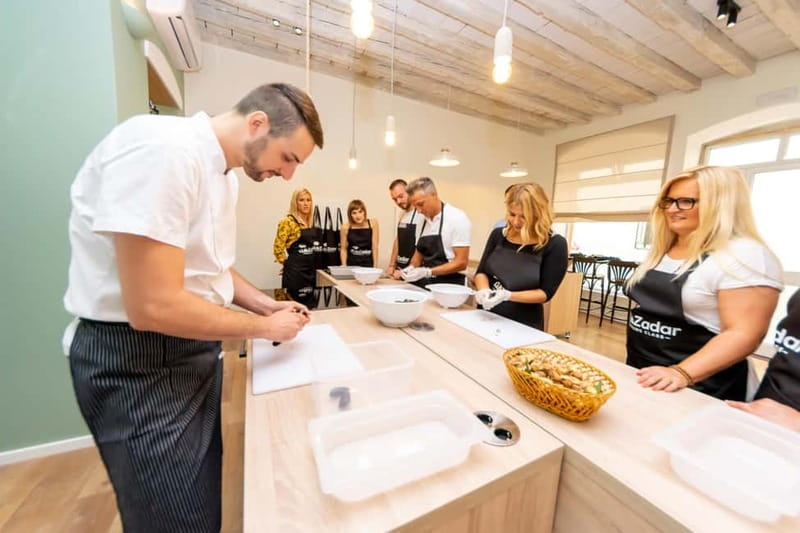
This class teaches why, not just how. In Zadar, a private chef-led cooking session in Dalmatia helps you understand Croatian food in context, and I like that you cook with real technique while still getting to sit down and eat your own meal.
You can also expect a small, focused plan. One possible drawback is that you mainly work on a couple of dishes, so if you are looking for a long list of recipes, you may find it a bit too concentrated.
The good news: it is private, in English, and timed for a relaxed 150 minutes. Tell the team about allergies or dietary needs ahead of time, and the chef can guide your menu choices rather than forcing you to adapt alone.
In This Review
- Key highlights to know before you cook
- Zadar and Dalmatia, the taste behind the plates
- The 150-minute plan, from welcome drink to your table
- What dishes you might cook, and what to pay attention to
- Market energy in Zadar: where seafood lessons start
- Grappa, wine, and how to taste like you mean it
- Price and value: is $141 worth it?
- Diets, allergies, and staying in control
- Who should book this Zadar private cooking class
- Should you book it? My practical take
- FAQ
- How long is the Zadar private cooking class?
- Is the class private or shared with other guests?
- What language is the instructor?
- What’s included in the meal and drinks?
- Can the chef handle allergies or dietary restrictions?
- What is the cancellation policy?
Key highlights to know before you cook
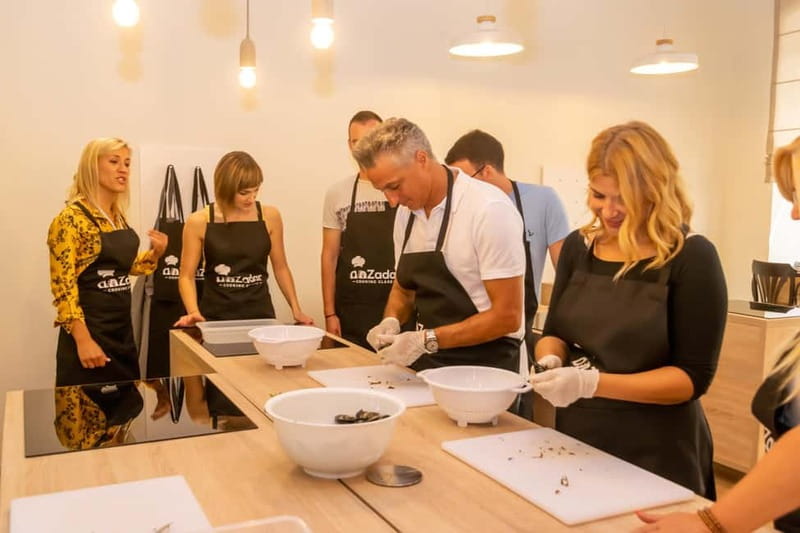
- A private group setting where the chef can slow down or repeat steps without rushing you
- Hands-on Dalmatian cooking built around Adriatic flavors and practical kitchen technique
- A taste break with homemade grappa plus local wine
- Market and seafood energy that makes the meal feel tied to the coast, not just a recipe
- A sit-down meal where you actually eat what you made, while staying at a comfortable pace
Zadar and Dalmatia, the taste behind the plates
Zadar sits right on the Adriatic, so the food logic is simple: seafood matters, olive oil matters, and the best meals feel seasonal rather than fussy. A cooking class here is not just about learning a recipe. It is about learning how Dalmatian kitchens think, how flavors balance, and why chefs keep using certain ingredients again and again.
I like that this class is framed as a traditional meal from Dalmatia, with a chef who explains the cultural significance of what you are making. That turns the session into something you can actually carry home. You are not only copying flavors. You start to understand the reasons behind them, so when you shop later for squid, mussels, or produce, you know what to look for and what matters most.
One more reason Zadar is a strong choice: the ingredients often taste like they belong to the coast. Even if you are not a big seafood person, you’ll likely notice how much the seafood changes when it is handled well, seasoned smartly, and cooked with intention. That is where a chef’s guidance can make a noticeable difference.
The 150-minute plan, from welcome drink to your table
This experience runs 150 minutes, which is long enough to be satisfying but short enough that you will not feel exhausted before you eat. You start with a welcome drink, then move into cooking with fresh ingredients provided for your meal.
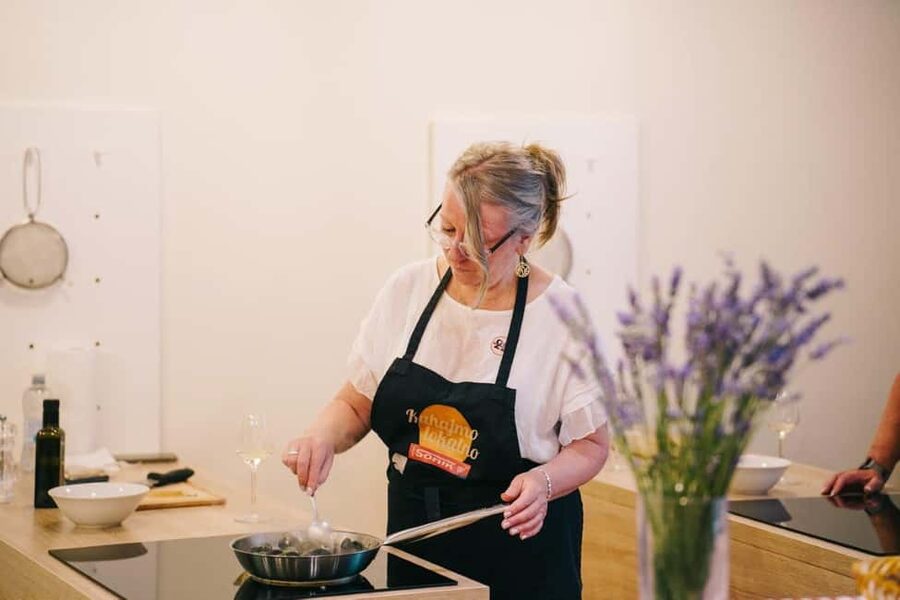
In a lot of cooking classes, people make food but do not learn much beyond mixing. Here, the chef’s assistance is a big part of the value. You get hands-on coaching as you prep, cook, and plate. The pace stays friendly, and because it is a private group, you are less likely to be stuck watching while someone else does the work.
A common rhythm you can expect is:
- A quick intro and drink to settle in
- A short ingredient-focused start, often tied to the market and seafood counter
- Active cooking with step-by-step help
- A sit-down meal of what you prepared
Then come the tastings: you will enjoy wine and homemade grappa. The tasting portion matters because it is not only about alcohol. It shows you how locals pair and enjoy flavors alongside the food.
Still riding at anchor off Zadar
- Truffle hunting & cooking tour★ 5.0 · 257 reviews
- Traditional Cooking Class in Dubrovnik Countryside★ 5.0 · 168 reviews
- Split Cooking Class★ 5.0 · 142 reviews
What dishes you might cook, and what to pay attention to
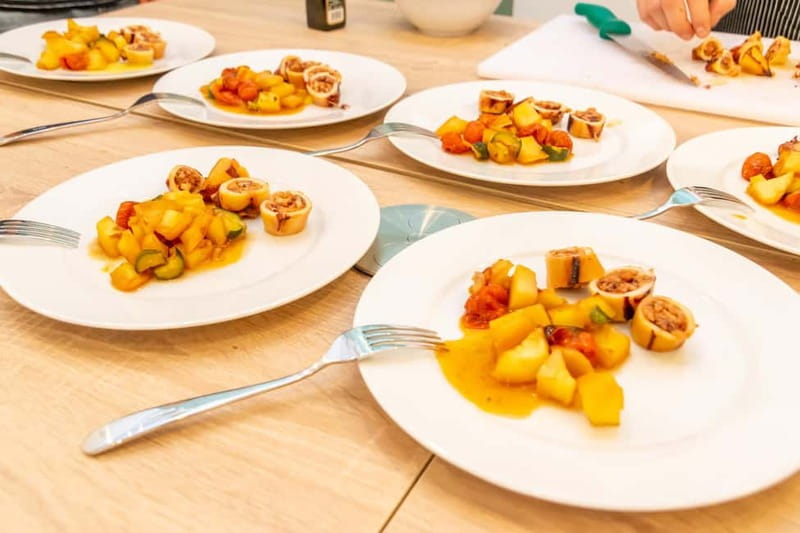
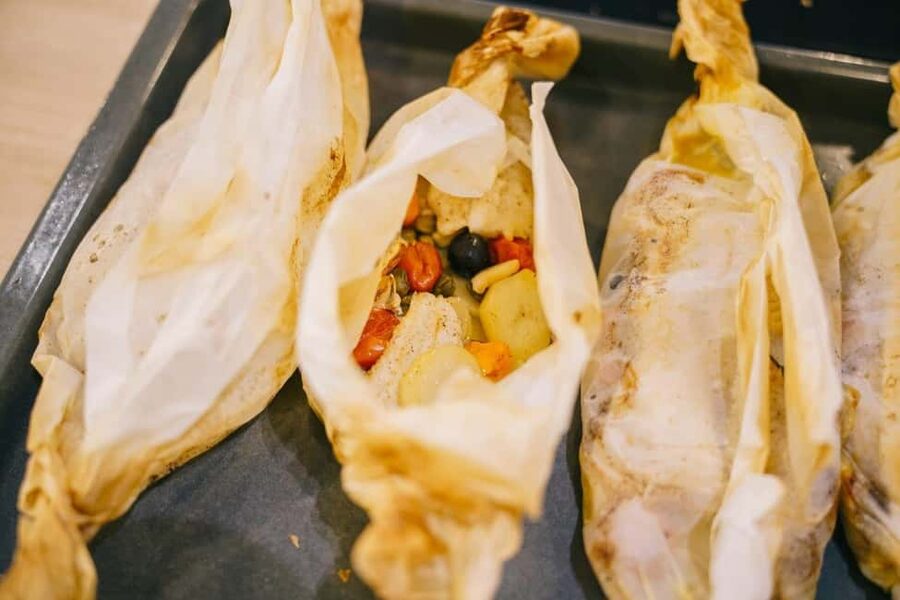
The class centers on a traditional Dalmatian menu, typically built around two dishes. That means you are not juggling six recipes at once. You go deep enough to learn real technique, like how to handle seafood textures, how to season so it tastes like the coast, and how to time cooking so everything hits the table together.
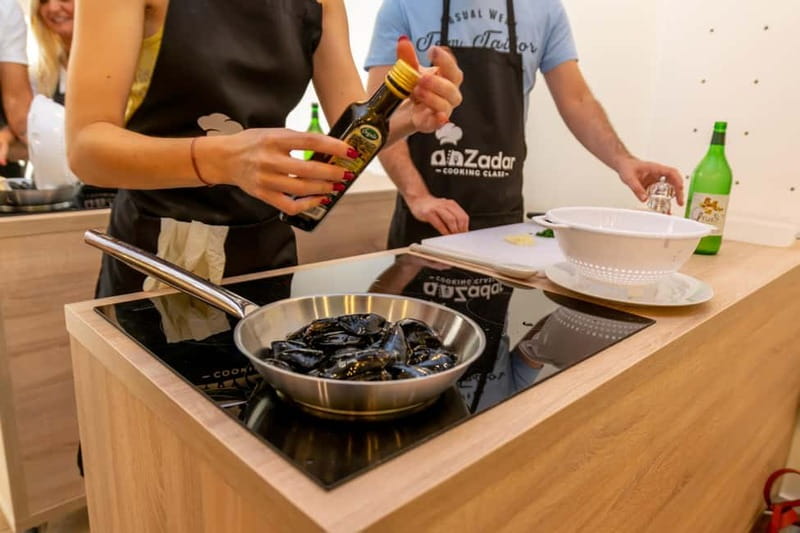
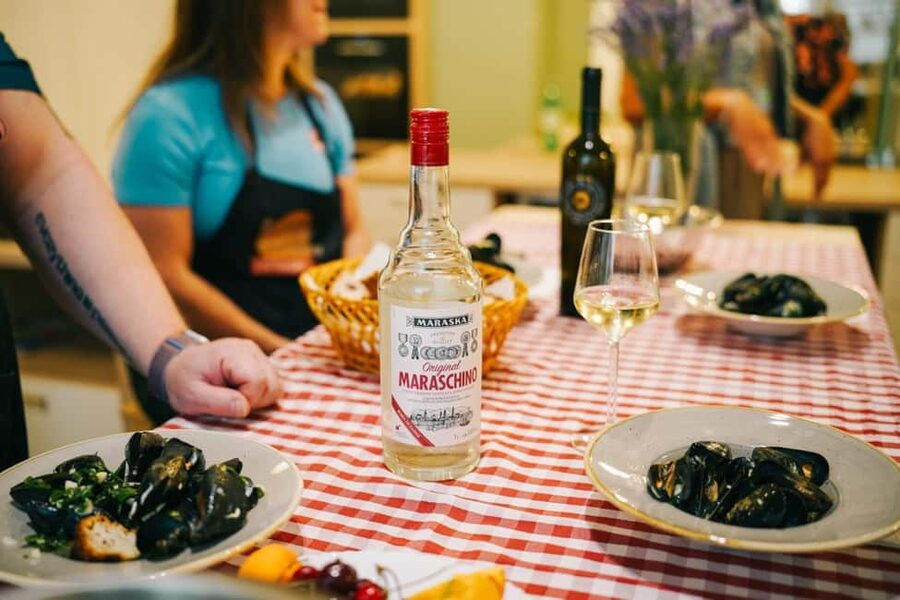
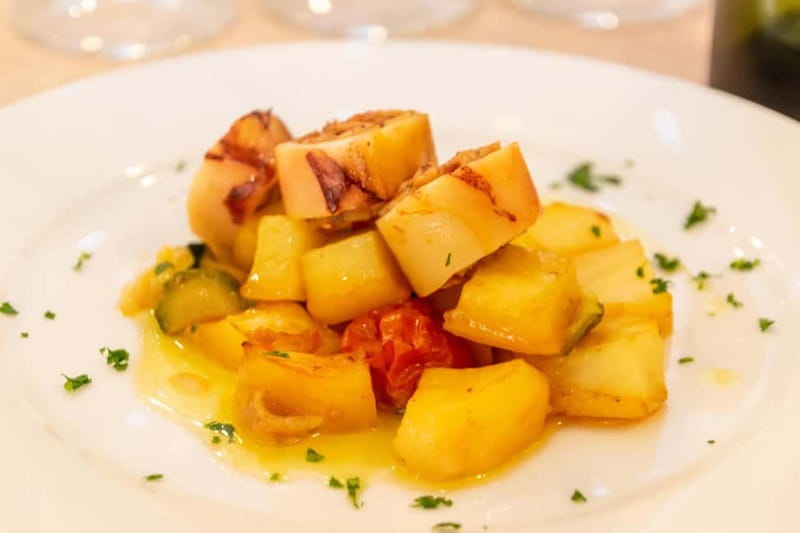
From prior sessions, squid has shown up as a featured dish. You might learn how to prepare squid, stuff it, and cook it in a way that keeps it tender instead of chewy. Mussels are another dish that can appear, along with an intriguing element involving small doughnuts. Even when exact dishes vary by season and availability, the overall goal stays the same: teach you the patterns behind Dalmatian home cooking.
Here is what I would focus on while you cook:
- Timing: Seafood and delicate preparations reward patience. Ask the chef how they judge doneness by sight and texture.
- Seasoning layering: Good Dalmatian flavors often come from small, smart seasoning moments rather than dumping everything at the end.
- Sauce control: If you make a simple sauce or dressing component, watch how it thickens and how the chef balances salt, acidity, and richness.
Because you are working on only two dishes, you will leave with a clearer memory of technique. That can be more useful at home than cooking five recipes you forget by tomorrow.
Market energy in Zadar: where seafood lessons start
One standout part of this experience is the ingredient journey. In Zadar, that often means seeing a market setting where produce, fruit, vegetables, and fish are front and center. The quality difference is not subtle when you are choosing ingredients in person.
In some classes, you may meet a guide such as Tamara, who has helped lead market time in past sessions. That market portion is not only scenic. It teaches you what matters when you cook with seafood:
- What to look for in freshness
- How to choose pieces that suit the dish (whole vs portioned, tender vs tougher cuts)
- How chefs think about the ingredient before they even touch a pan
Then, the cooking portion takes those ideas into action. If you are lucky enough to work with a chef like Petra or Martina, the emphasis is usually on clear step-by-step instruction and confidence building in the kitchen. You learn without feeling tested.
If you are the kind of person who enjoys food shopping, this is a great match. You get to connect the meal to what you would actually buy on your next trip.
Grappa, wine, and how to taste like you mean it
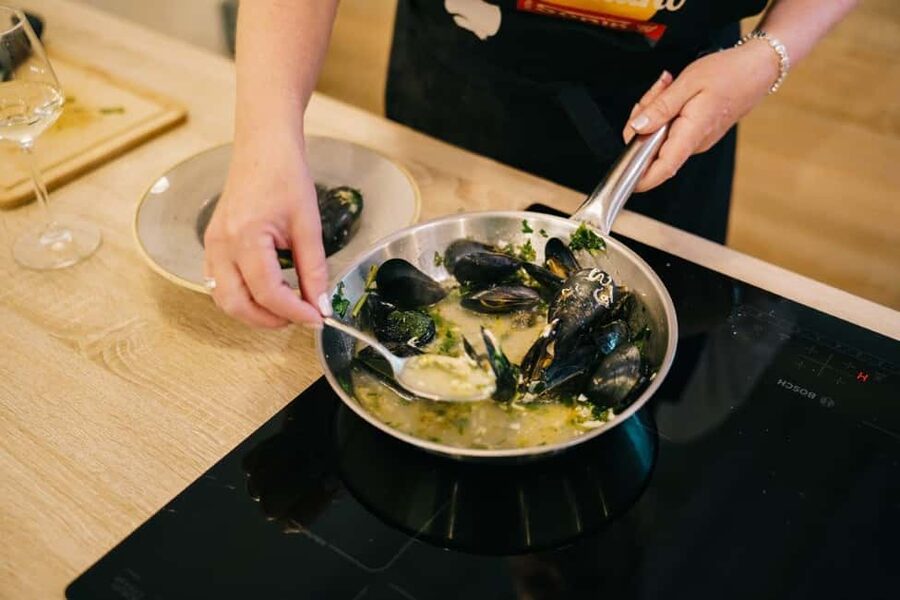
The class includes homemade grappa and local wine, plus water during the meal. This part is easy to overlook if you think the cooking is the main event. I do not think that is how you should treat it.
Tasting while you cook and eat helps you notice flavor balance. Grappa is often intense and aromatic, and it can change the way you perceive salt, fat, and acidity in the food. Wine does a similar job, especially with seafood where the pairing should not overpower the dish.
A practical way to use the tasting: take a small bite, sip, then pay attention to texture and aftertaste. Are the flavors clean or heavy? Do you feel the dish brighten or mellow? Ask the chef how locals drink it with the meal you made. It turns your meal into a mini lesson you can repeat at home when you cook again.
Two moorings down in Zadar:
- Zadar: Plitvice Lakes Guided Day Tour with Tickets
★ 4.9 · 3,148 reviews - Zadar: Island Luxury Speedboat Tour with Snorkeling
★ 5.0 · 2,452 reviews - Zadar: 3-Stop Blue Lagoon & Snorkeling Cruise with Drinks
★ 4.9 · 1,621 reviews - Zadar: Kornati Boat Trip with Lunch and Swim Stops
★ 4.5 · 1,498 reviews
Price and value: is $141 worth it?
At $141 per person for 150 minutes, this is not a budget activity. But it also is not priced like a vague food tour where you mostly snack and move along.
You are paying for:
- A private group experience
- Fresh ingredients
- Chef assistance throughout the cooking process
- Wine and a welcome drink, plus water
- The meal you prepare and sit down to enjoy
In other words, your money goes into instruction and a full food experience, not just watching. If you value learning hands-on technique in a calm setting, the price makes sense.
Where you might question value is if you already know the dishes and you expected a bigger menu with more variety. Since the class tends to focus on two dishes, you should go into it wanting to master technique, not collect recipes.
For me, that is the key decision point. If you want a real cooking skill you can repeat, private instruction is often worth the premium. If you only want a broad tasting sampler, you might feel it is too small.
Diets, allergies, and staying in control
Good food experiences respect boundaries. This class asks you to inform them of any food allergies or dietary restrictions, which is exactly what you want in a kitchen setting.
You should treat this step seriously. Send your allergy details clearly before you arrive. It helps the chef choose substitutions and adjust recipes without guessing. In past sessions, chefs have been accommodating with allergies and schedules, including adapting the meal for vegetarian needs. That is a strong sign that the kitchen is used to handling requests rather than brushing them off.
Also, because you are cooking in a private format, you can usually ask more specific questions while you work. If you are unsure about how a dish will fit your diet, ask early, not after you have started mixing ingredients.
Who should book this Zadar private cooking class
This class is a great fit if you:
- Want a hands-on experience rather than passive sightseeing
- Love seafood and Mediterranean cooking, especially flavors tied to Dalmatia
- Prefer a private group so the chef can focus on you and your questions
- Care about learning technique you can use at home
- Like food experiences that include a market start and a sit-down meal
It is less ideal if you want a long, multi-course culinary lineup with a huge number of separate dishes. With two dishes as the core, you will leave satisfied, but not overflowing with variety.
Should you book it? My practical take
Book this Zadar cooking class if you want an efficient, high-satisfaction meal plus real skill practice. The private format, chef guidance, and included wine and grappa make it feel like a complete evening rather than a quick activity.
Skip it if your goal is maximum recipe count or you already know the Dalmatian dishes well and want something broader. In that case, you may feel the two-dish focus limits your learning.
If you are a food traveler who enjoys understanding how local kitchens think, this is a smart use of time in Dalmatia. You’ll come away with a better sense of Croatian flavors, and you’ll be able to recreate at least part of your meal back home with more confidence.
FAQ
How long is the Zadar private cooking class?
The class lasts 150 minutes.
Is the class private or shared with other guests?
It is a private group experience.
What language is the instructor?
The instructor is English.
What’s included in the meal and drinks?
You get a welcome drink, water, wine, and you eat the meal you prepare with the chef’s assistance.
Can the chef handle allergies or dietary restrictions?
Yes. You should inform the operator about any food allergies or dietary restrictions in advance.
What is the cancellation policy?
You can cancel up to 24 hours in advance for a full refund.
Latest arrivals logged at Zadar

Cooking Classes, compared.
Traditional Cooking Class in Dubrovnik Countryside
Read our review →
Culinary Experience – Cooking Class & Walking Tour Split
Read our review →
Private Truffle Hunting with Cooking Session
Read our review →
Authentic Garden to Table Cooking Class in Dubrovnik Countryside
Read our review →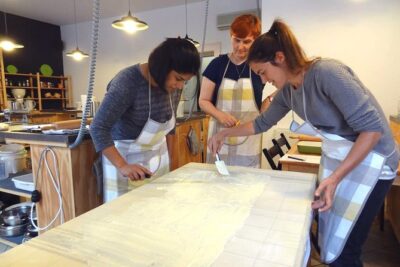
Croatian Traditional Cuisine: Peka Cooking Lesson
Read our review →Browse the lists this tour appears in