
Reviewed · OLIVE OIL & KONOBA TASTINGS
Cres: Olive Oil Walking Tour with Tastings
Olive oil walks in Cres are eye-openers. In about 150 minutes, you taste how local olives turn into distinctive oil, while you stroll olive groves over 100 years old.
I especially love the guided tasting format, where you learn how to pick up differences between oils instead of just sipping and hoping. One heads-up: you do a decent stretch of walking on easy terrain for about 45 mins to 1 hr, and in July and August heat above 30 degrees can be a real factor.
In This Review
- Key highlights to look for
- Why this Cres olive oil tour is built for learning, not just eating
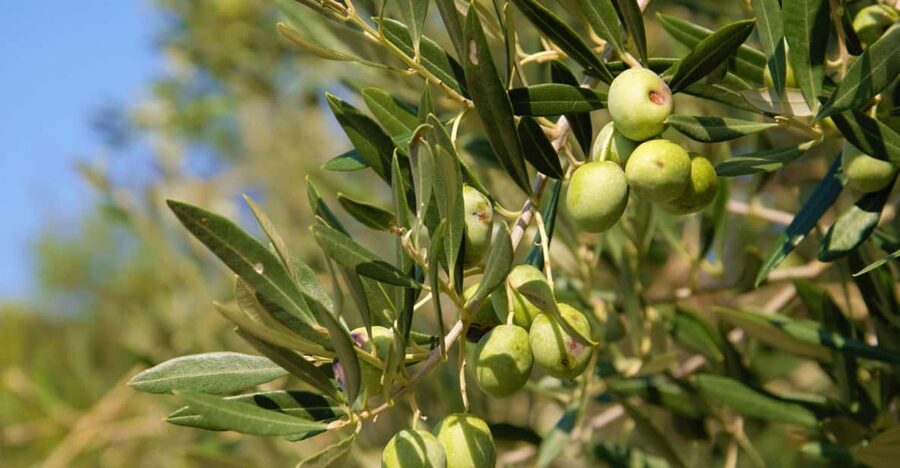
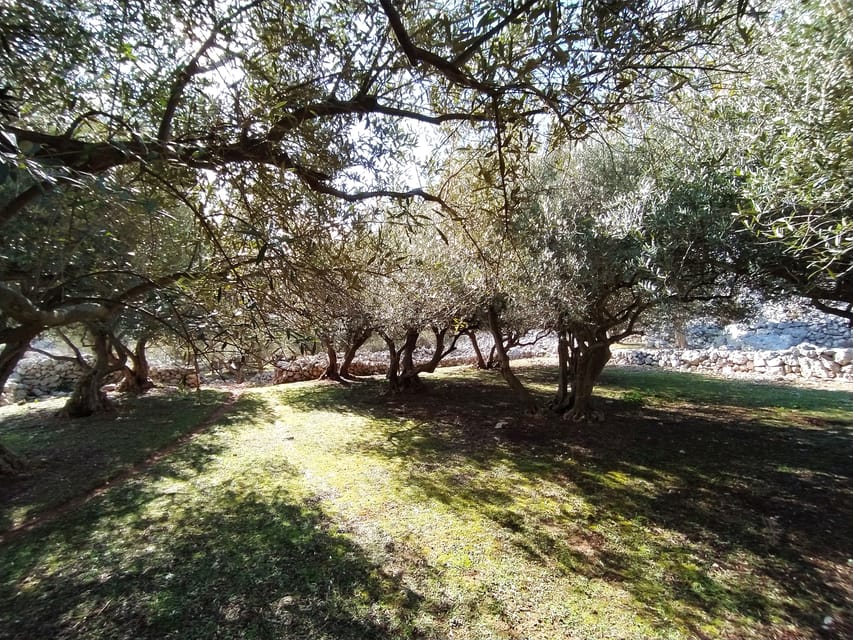
- Starting outside town: the 100-year olive grove walk that sets the tone
- The only olive oil mill on Cres: where you see production up close
- Town shop tastings and aperitif pairings: how locals actually enjoy oil
- Wild pomegranate, olives, and figs: homemade jams and spreads plus your souvenir jar
- What makes the tastings feel so good: learning how to taste, not just sip
- Price and logistics: is $47 good value for this format?
- Timing in summer: what to expect with heat and rain
- Who this tour suits best, and who might want to choose something else
- Should you book the Cres Olive Oil Walking Tour with Tastings?
- FAQ
- How long is the Cres Olive Oil Walking Tour with Tastings?
- Where do I meet for the tour?
- Is hotel pickup included?
- What is included in the tour price?
- What should I bring?
- How much walking is involved?
- What languages is the guide available in?
- Is the tour suitable for wheelchair users?
- What happens if it rains?
Key highlights to look for
- Cres’s only olive oil mill visit, plus a guided tasting on-site
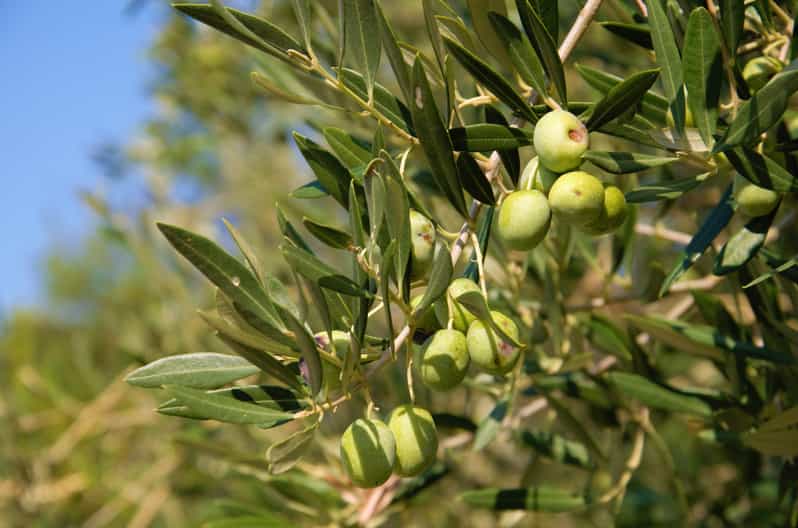
- Catching the olive variety story while walking groves outside Cres
- Small group size (up to 10) for questions and calmer tastings
- Multiple tasting moments, including olive oil with a traditional aperitif
- A homemade olive jam souvenir, sweet or savory depending on what’s available
Why this Cres olive oil tour is built for learning, not just eating
This is the kind of tour that fits well into a vacation because it is short enough to stay flexible, yet structured enough to actually teach you something. You get about 150 minutes, a live guide in English and Croatian, and a group capped at 10 people. That matters in a place like Cres, where tastings work best when you can slow down and pay attention.
The price, around $47 per person, also makes sense when you look at what is included. You are not just paying for a walk. You are paying for mill entrance, guided tastings, samples of local jams and spreads, and a jar of homemade olive jam to bring home.
One practical point: there is no hotel pickup. You’ll need to get yourself to the meeting spot, the Cres Fun & More office with a blue flag and a sign that reads tourist agency.
Starting outside town: the 100-year olive grove walk that sets the tone
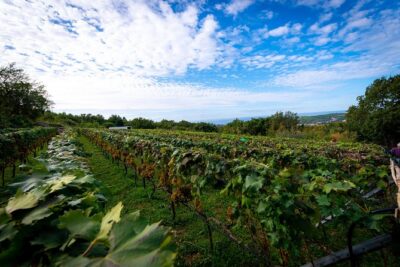
The tour begins with an easy stroll around olive groves near Cres. This is where the experience starts feeling more personal, because you are moving through the actual setting that produces the oil. Expect about 45 mins to 1 hr of walking on simple terrain, and plan to keep things comfortable with closed-toe shoes and water.
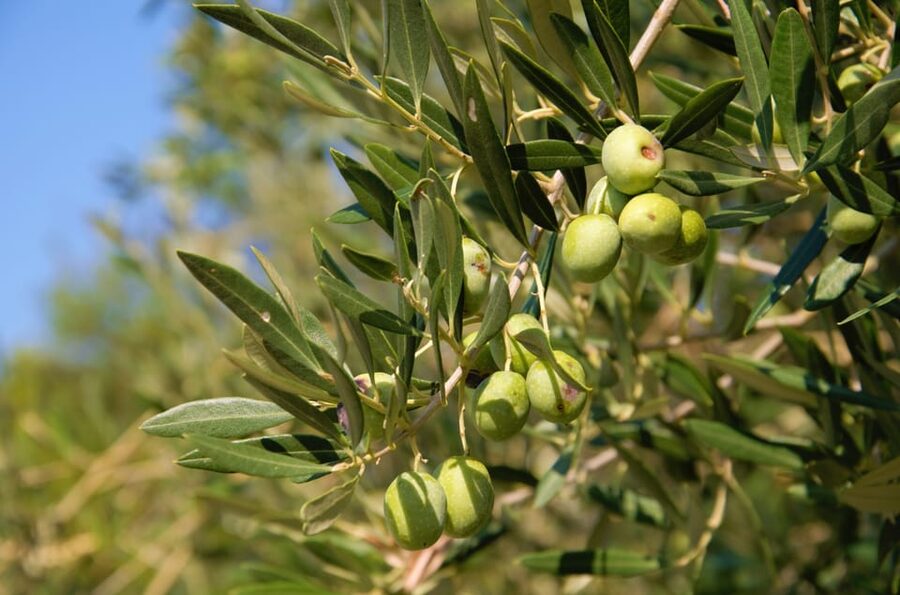
As you walk, your guide explains traditional harvesting methods and what makes Cres olive oil different. The key idea is that olive oil is not one single product. It is a mix of variety, growing conditions, and handling from tree to mill. You also learn which olive varieties grow on the island and what characteristics to look for when you taste later.
A fun detail from the tasting style is that you are guided to compare, not just consume. That means you end up tasting with questions in mind, like: Is this oil fruitier or more pungent? Does it feel more bitter or more smooth? You do not have to be an expert. The guide helps you build the basics.
The only olive oil mill on Cres: where you see production up close
Next comes the main attraction for many people: the olive oil mill. Cres has the kind of reputation where it feels like everyone knows someone who makes or sells something, but this tour takes you to the only olive oil mill on the island. That makes the visit practical, because you get the production story in the real place where it happens.
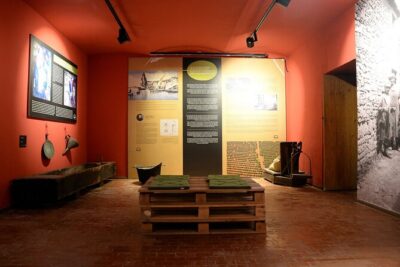
Inside, you learn how olives are transformed into olive oil, and how that oil is stored. Pay attention to the storage part. It is the kind of detail that turns tastings from random into meaningful, because olive oil quality can change after pressing if it is not handled well.
Then comes the guided tasting at the mill. This is where the tour shifts from walking-and-learning to tasting-and-practicing. If you have ever had olive oil that tasted great in one shop and disappointing in another, this is exactly the session that helps you understand why.
I like this stop because it turns your senses on in a structured way. You get to smell and taste while someone explains what you are experiencing, including how to use and enjoy the oils after you leave.
Town shop tastings and aperitif pairings: how locals actually enjoy oil
After the mill, you continue into town. You visit a local olive oil producer in his shop, where you hear stories about the process in a more personal way than you can get from a brochure. This is also where the tour keeps things moving, because you get another olive oil tasting and a traditional aperitif to go with it.
One of the best things about doing this in town is the human scale. In a shop setting, your guide can answer questions on the spot, and you can ask about things like which oil suits which dish. If you are the type who buys olive oil and then forgets what to do with it, this stop helps you stop that problem early.
You might also see food pairings like prosciutto and cheese with the tasting. Even if the exact pairing varies, the point stays the same: you learn how olive oil tastes when it meets salty, fatty food. That is how you learn what you personally prefer, not what someone wrote on a label.
Wild pomegranate, olives, and figs: homemade jams and spreads plus your souvenir jar
The last tastings shift from olive oil to spreads and jams. You visit another local producer to sample homemade items made from fruits you have heard about during the tour, including wild pomegranate, olives, and figs.
This section works surprisingly well because it connects the dots. Olive oil is part of daily cooking here, but so is preserving fruit. When you taste spreads alongside the olive oil story, you start to see the broader food culture of Cres as practical and lived-in, not just scenic.
Then you get the souvenir: a jar of homemade olive jam. It can be sweet or savory, depending on what is available. That makes it feel more local than a standard branded souvenir, and it gives you something you can actually use once you get home.
What makes the tastings feel so good: learning how to taste, not just sip
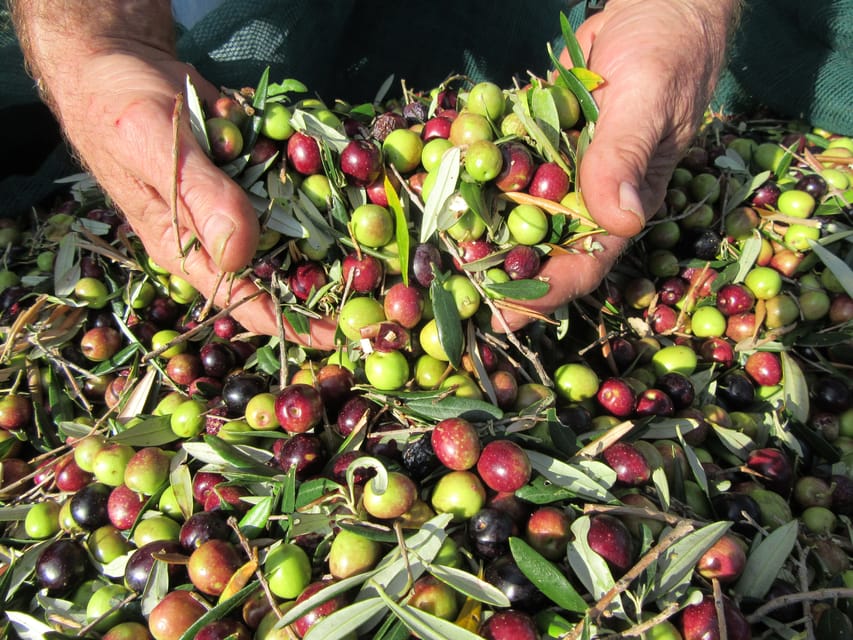
The tour includes olive oil tasting more than once, with guided instruction. That is important. People often think they are buying olive oil based on taste alone, but taste needs context. Your guide helps you compare oils and understand selection and tasting basics, so you walk away more confident.
Here is what you will likely get out of it, in real terms:
- You’ll start noticing how oils differ, instead of treating them all as the same
- You’ll learn how to taste with intention, not just as a snack
- You’ll come away with pairing ideas you can use in your own kitchen
I also like that the tour keeps its pacing friendly. There are tastings, walks, and short transitions, so it does not feel like you are trapped in one place for the whole time.
Price and logistics: is $47 good value for this format?
For $47, you are getting a full, guided food experience in a small group: mill entrance, multiple olive oil tastings, jam and spread samples, and a jar of olive jam to take home. Add the guide time and the fact that there is no pickup required, and the value becomes easier to justify.
The real value is the mix. One tasting alone can feel like a quick stop. Here, you get the bigger story across multiple locations: groves, mill, then town shops, and finally spreads. That progression is what makes the money feel worth it.
If you are visiting Cres with limited time and you want something that feels both authentic and structured, this tour is a strong pick. If you dislike walking at all, you may want to skip it. If you are on a tight schedule, 150 minutes is long enough to matter but short enough to still enjoy the rest of the day.
Timing in summer: what to expect with heat and rain
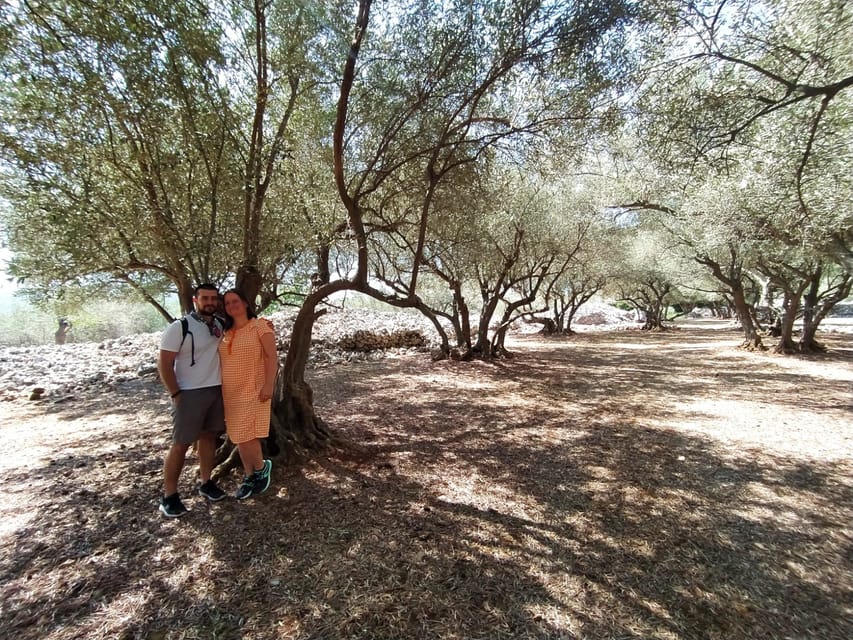
This tour includes walking, and it happens outside. In July and August, temperatures often climb above 30 degrees, and the tour provider notes it is not recommended for children under 12 due to increased heat.
So for planning, treat this like a warm-weather experience. Bring water, sunglasses, and a sun hat. Wear comfortable clothes, and choose sports shoes or hiking shoes with grip. You want closed-toe shoes because you will be walking around olive groves and getting around town areas.
If it rains, the tour will be postponed. That matters if you are scheduling multiple activities on the same day. Have a flexible slot or a backup plan.
Who this tour suits best, and who might want to choose something else
This one is best for you if you like food learning that stays hands-on. You do not need to be an olive oil expert. The tour is built for curiosity, and the tastings are guided so you can build your own preferences.
It is also a good fit if you want a small-group experience. With up to 10 participants, it feels less like a classroom and more like a guided conversation with stops.
It is not suitable for people with mobility impairments or wheelchair users. Since there is walking involved and the route includes olive groves near town, you should not plan on bringing a wheelchair or expecting full accessibility.
Should you book the Cres Olive Oil Walking Tour with Tastings?
Book it if you want a real food experience in Cres that teaches you what you are tasting. The combination of older olive groves, a visit to the only olive mill on the island, and multiple tasting stops is a smart way to connect place with flavor.
Skip it if heat and walking are dealbreakers for you. Also skip it if you want a purely relaxed, no-question, no-structure tour. This one has guidance built in. That is the point, and it works best when you are in learning mode.
If you are even slightly interested in buying olive oil and using it, this tour gives you the right starting tools: how to taste, what to look for, and what to pair it with.
FAQ
How long is the Cres Olive Oil Walking Tour with Tastings?
The tour lasts 150 minutes.
Where do I meet for the tour?
Meet at the Cres Fun & More tourist agency office, look for a blue flag and a sign that reads tourist agency.
Is hotel pickup included?
No, hotel pickup and drop-off are not included.
What is included in the tour price?
Entrance to the olive oil mill, olive oil tasting, local jams and spreads tasting, a local tour guide, and a jar of homemade olive jam to take home.
What should I bring?
Bring sunglasses, a sun hat, hiking shoes (or sports shoes), closed-toe shoes, comfortable clothes, and water.
How much walking is involved?
Expect walking over easy terrain around olive groves near Cres, about 45 mins to 1 hr.
What languages is the guide available in?
The tour guide is available in English and Croatian.
Is the tour suitable for wheelchair users?
No. It is not suitable for people with mobility impairments or wheelchair users.
What happens if it rains?
The tour will be postponed if there is rain.
Marble Lanes, Slowly

Konoba Tables, Green Oil


Olive Oil & Konoba Tastings, compared.
Klis Fortress GOT and Olive Museum Entry Tickets
Read our review →
Blue Line Sightseeing to Trogir, Klis & Olive Museum
Read our review →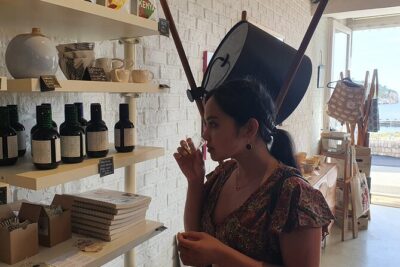


Browse the lists this tour appears in