
Reviewed · OLIVE OIL & KONOBA TASTINGS
Olive Oil Guided Tasting and History in Pula
Olive oil becomes way more interesting with a lesson. In Pula, this 90-minute small-group visit at Museum Olei Histriae pairs a Roman-era olive oil exhibit with a guided olive oil tasting that teaches you how to think like a taster, not just a drinker. You’ll also get snacks, plus a sweet dessert paired with olive oil.
My favorite part is the sensory training, including comparisons between high-quality Istrian extra virgin olive oils and what people often grab from the supermarket. The main drawback is that the museum space is small, and the layout may feel a bit odd, so you should treat it as a short intro that leads into the tasting room.
In This Review
- Key Highlights You Should Know
- Step Inside Museum Olei Histriae, Then Head Straight to the Good Stuff
- What to watch for in the exhibit
- The Tasting Room: How to Spot a Great Olive Oil (and Why Your Tongue Needs Training)
- How sensory tasting usually feels
- A question you’ll probably ask afterward
- Polyphenols, Health, and What That Means in Real Terms
- Snacks and the Surprise Dessert Pairing
- Price and Value in Pula, What $36.04 Really Buys
- Logistics That Don’t Get in Your Way
- Who This Tour Fits Best (and Who Might Skip It)
- The one caution
- Should You Book Olive Oil Guided Tasting and History in Pula?
- FAQ
- How long is the Olive Oil Guided Tasting and History in Pula?
- What’s included in the tour?
- Is the tour offered in English?
- Where do we meet in Pula?
- How large is the group?
- What is the cancellation policy?
Key Highlights You Should Know
- Roman to modern olive oil: an exhibit on how olives were pressed and exported in Istria during Roman times
- Guided sensory analysis: learn how to recognize positive and negative attributes in oils
- Extra virgin meaning, in plain language: you’ll practice spotting what makes an oil qualify as quality
- Polyphenols explained: you’ll connect what’s in the oil to why it matters for health
- Sweet dessert pairing: a surprise dessert paired with a high-quality extra virgin olive oil
- Small group size (max 20): enough time for questions without feeling like you’re in a crowd
Step Inside Museum Olei Histriae, Then Head Straight to the Good Stuff
This tour starts at Istarska ul. 30 in Pula, at the House of Istrian Olive Oil. Plan for about 1 to 1.5 hours total, with the pace partly depending on your curiosity level. It’s a mobile-ticket experience in English, and it ends back where you began.
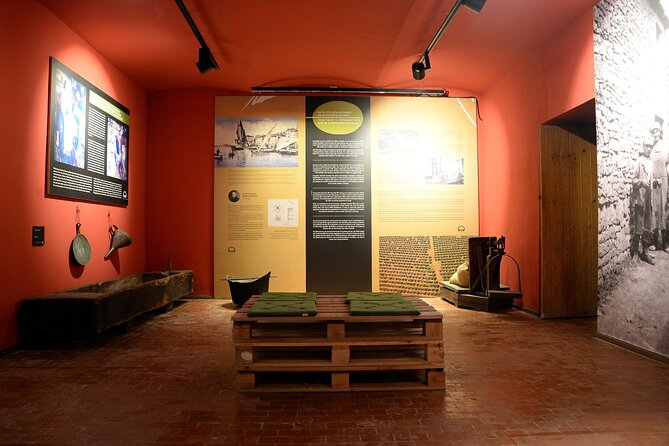
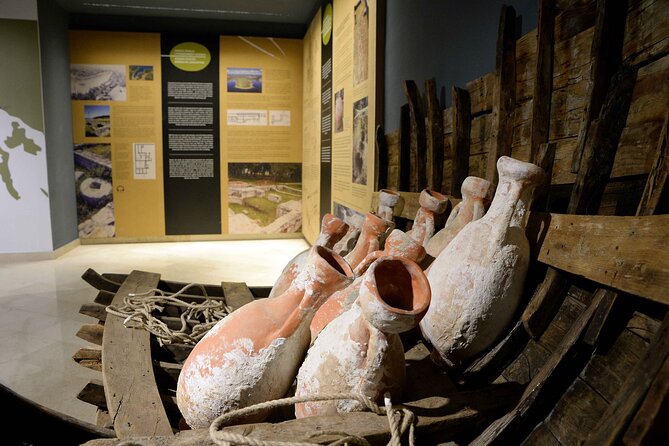
Before you taste anything, you go through a focused exhibit. The vibe is educational but not stuffy. You’ll see how Romans in Istria produced olive oil, plus how it moved outward through trade and export. There are also two short films that show traditional processing and then how olive oil is made today. It’s a neat sequence because it tells you why the same product can taste so different across time, methods, and quality.
I like this format because it answers a question most people never ask: why does olive oil taste the way it does? The exhibit gives you the background, then the tasting room puts it into your hands, your nose, and your mouth.
What to watch for in the exhibit
If you’re the type who enjoys “how it works” stories, pay close attention to the processing differences. The films are short, but the point is clear, you are going from Romans to modern techniques, and then from “olive oil exists” to “olive oil has measurable traits.”
One practical tip: if you want the most out of the timing, come ready to pay attention during the tasting portion. The museum part is informative, but it’s not the kind of space that will keep you occupied for ages.
More konoba tables and green oil:
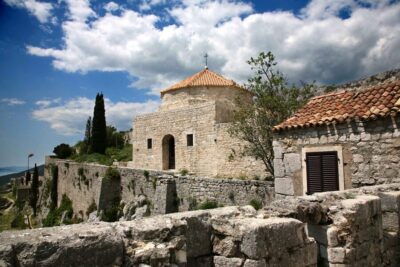
- Split: Klis Fortress GOT and Olive Museum Entry Tickets★ 4.6 · 283 reviews
- Split: Blue Line Sightseeing to Trogir, Klis & Olive Museum★ 4.3 · 197 reviews
- Wine, food and olive oil by PhD student★ 5.0 · 111 reviews
The Tasting Room: How to Spot a Great Olive Oil (and Why Your Tongue Needs Training)
After the exhibit, you move into the tasting room. This is where the tour earns its keep.
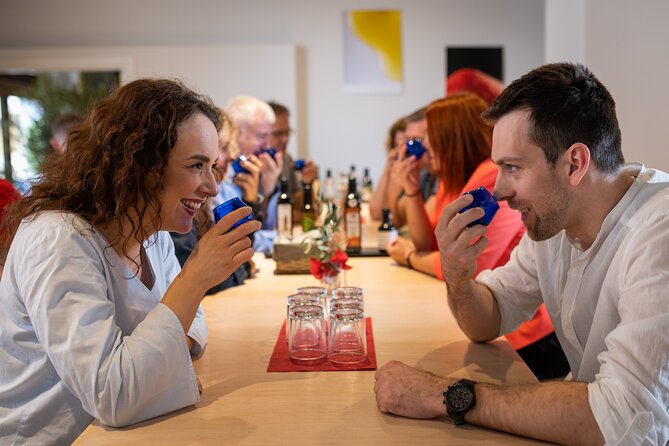
You’ll go through guided sensory analyses of high-quality Istrian olive oils. A smart element here is that you also taste an oil that people often buy in supermarkets. That comparison turns the whole experience from theory into something you can actually use later when you shop.
The guide walks you through how to recognize good and bed olive oils by identifying positive and negative attributes. The tour also includes a discussion of what you’re tasting and why, including the role of polyphenols. Even if you’ve heard polyphenols mentioned online, this kind of explanation lands better when you taste first and then learn how to interpret what you noticed.
How sensory tasting usually feels
Even if you’ve never tasted olive oil “correctly,” you won’t feel lost. The training is designed so you can start with simple senses:
- Smell, noticing fruity or other aromas and what stands out
- Taste, picking up bitterness or other notes
- Aftertaste, recognizing how it finishes
And because it’s guided, you get the vocabulary you’d need to talk about it without sounding like you’re guessing.
A question you’ll probably ask afterward
One review-focused theme you should expect is the challenge to your assumptions about extra virgin. The tour is structured to help you think beyond the label. By the end, you’ll be better at asking, is this truly extra virgin in practice, or is it just what the bottle claims?
More Croatian courses by the sea:
- Istria: Guided Tour of Inner Istria with Food Tasting
★ 5.0 · 67 reviews - Pula Food Walking Tour
★ 4.5 · 22 reviews - Wine Tasting Experience at the organic winery in Šišan
★ 3.5 · 13 reviews - From Split: Krka Waterfalls, Food & Wine Tasting Tour
★ 5.0 · 9,326 reviews
Polyphenols, Health, and What That Means in Real Terms
This isn’t a health lecture. It’s more like practical context for why the tasting matters.
You’ll learn why polyphenols are important for health, and you’ll connect that to the oil itself. The tour explains the topic as part of your sensory understanding, not as a random list of benefits.
Here’s how I’d frame it for you: once you’ve tasted oils side by side and noticed the differences, the polyphenol discussion stops being abstract. You start to see that quality traits aren’t only about taste, they’re tied to how the oil is processed and what ends up in the bottle.
It’s also a good reality check if you’ve ever wondered why two “extra virgin” oils can taste very different. This tour gives you a path to reason it out, starting from sensory analysis and ending with why quality matters.
Snacks and the Surprise Dessert Pairing

The tour includes tasting snacks along with the olive oil lessons. Then you finish with something genuinely fun: a dessert pairing.
The dessert is a surprise dessert paired with a high-quality extra virgin olive oil. That’s the part that turns the tour from “food education” into “food experience,” and it helps you remember the tasting lessons because you reapply what you learned in a new context.
If you think olive oil is only for savory dishes, this ending is designed to nudge you out of that box. Sweet plus olive oil can sound strange until you actually taste it, and the tour sets you up for success by pairing dessert with the right oil style.
Price and Value in Pula, What $36.04 Really Buys
At $36.04 per person, this tour lands in the “high value for food lovers” category, mainly because of what’s included.
You’re paying for:
- Guided history in the exhibit, including films and Roman-era context
- A guided tasting session with sensory analysis
- A comparison between high-quality Istrian oils and a supermarket oil
- Snacks included
- A dessert pairing with extra virgin olive oil
The small group size, up to 20 people, also matters. In a class where you’re smelling and tasting, crowding can ruin the experience. Here, the group size helps keep the tasting part under control and gives you a better chance to ask questions.
Timing matters too. With an approx 1.5-hour duration, you aren’t committing your whole day. That makes it easy to fit into a Pula schedule, whether you’re pairing it with a Roman sites visit or using it as a calmer midday activity.
Logistics That Don’t Get in Your Way
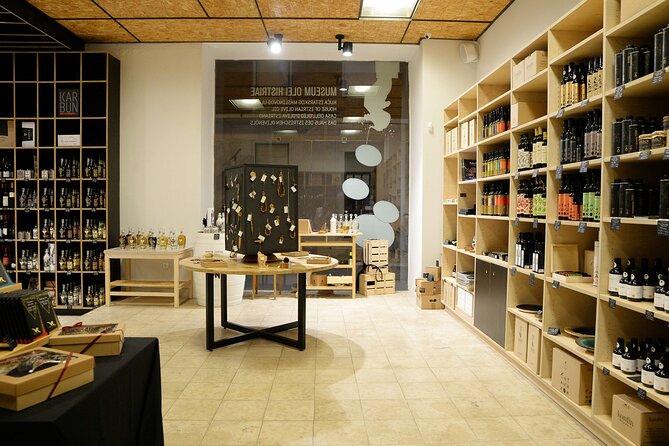
This is offered in English and uses a mobile ticket. It runs Monday through Saturday, 10:00 AM to 6:00 PM, at Istarska ul. 30, Pula, Croatia. The activity ends back at the same meeting point.
It’s near public transportation, so you should be able to reach it without a complicated plan. Service animals are allowed, and most people can participate.
One note for your planning: because the tour includes tasting, you might want to think about pacing with the rest of your day. If you’re already planning a big meal right before, consider leaving a bit of space so the tasting and dessert actually taste like something, not like a blur.
Who This Tour Fits Best (and Who Might Skip It)
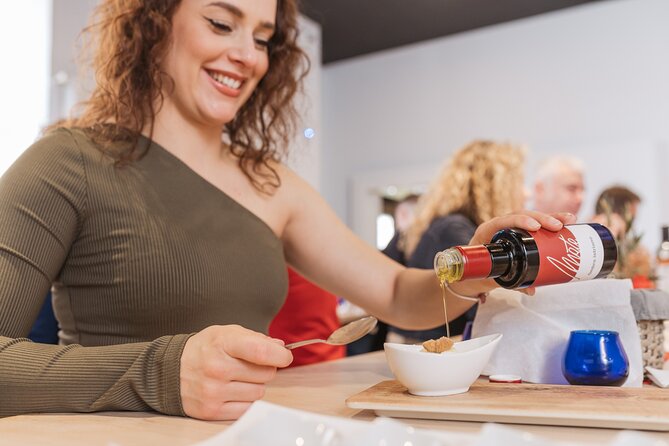
This tour is a great match if you:
- Want a Pula food experience that goes beyond a quick bite
- Like learning how ingredients are made, and how quality is judged
- Enjoy guided tastings where you get tools you can reuse later
- Want something small-group and practical, not a long lecture
It’s also a strong option if you care about authentic local food culture. Olive oil in Istria isn’t just a product here, it’s part of the region’s identity, and this tour ties the story to the senses.
The one caution
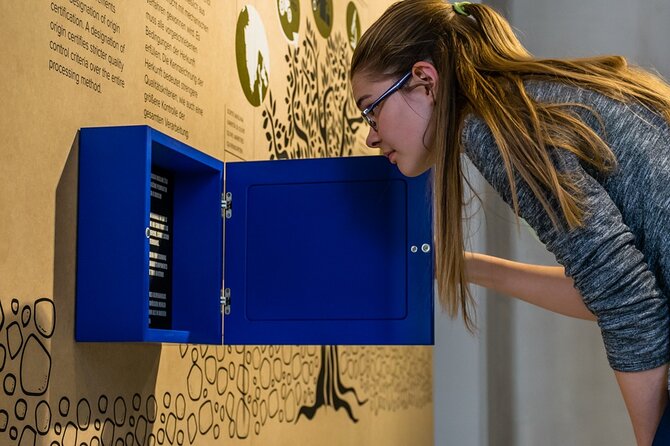
If you’re coming mainly for a big museum or lots of interactive exhibits, temper expectations. The museum portion is informative, but the space is smaller and some people find the layout less intuitive. The tasting room is the main event, so focus on arriving ready for that.
Should You Book Olive Oil Guided Tasting and History in Pula?
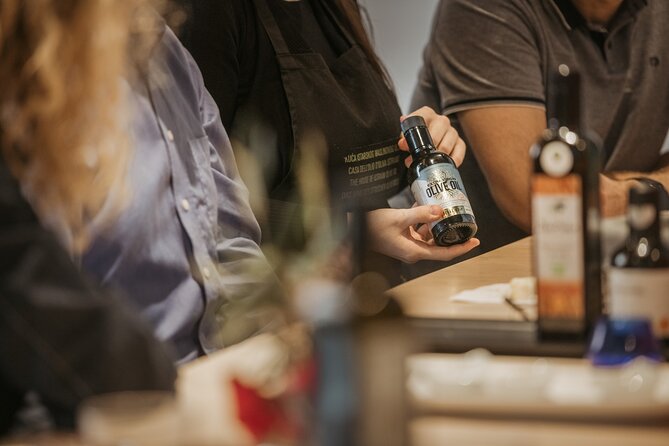
Book it if you want an easy, high-impact food lesson. You get history, then you taste, then you finish with snacks and dessert. The price feels fair because so much is included, and the small group size helps you actually participate in the tasting rather than just watch.
Skip it only if you already know you only want hands-on activities or you dislike structured tastings. Also, if you want an all-day museum experience, this isn’t that. Think of it as a tight intro plus a well-led tasting session.
FAQ
How long is the Olive Oil Guided Tasting and History in Pula?
The experience lasts about 1 hour 30 minutes, depending on your interests and how you pace through the stops.
What’s included in the tour?
The tour includes an exhibit on olive oil history and processing, guided sensory analysis of olive oils, snacks, and a dessert pairing with extra virgin olive oil.
Is the tour offered in English?
Yes, the tour is offered in English.
Where do we meet in Pula?
You meet at Istarska ul. 30, 52100, Pula, Croatia. The tour ends back at the meeting point.
How large is the group?
This activity has a maximum of 20 travelers, keeping the tasting session small-group.
What is the cancellation policy?
You can cancel for a full refund up to 24 hours in advance. If you cancel less than 24 hours before the start time, the amount paid is not refunded.
Venetian Stones, Roman Streets
Latest arrivals logged at Pula



Olive Oil & Konoba Tastings, compared.
Klis Fortress GOT and Olive Museum Entry Tickets
Read our review →
Blue Line Sightseeing to Trogir, Klis & Olive Museum
Read our review →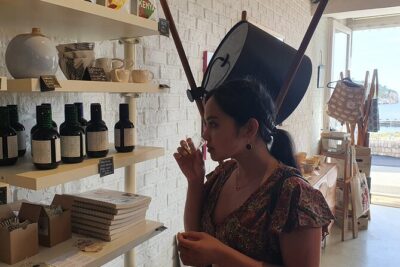


Zadar Olive Oil & Wine with Dalmatian Views & History
Read our review →Browse the lists this tour appears in