
Reviewed · HISTORICAL TOURS
Pula: Historic Walking Tour with Local Guide & City Views
Roman Pula feels personal fast. This 90-minute to 2-hour walk turns big Roman landmarks into stories you can actually use, and I love the way the tour starts at the Roman Amphitheatre and then keeps going into real local life. You also get a genuine food detour with the Pula farmers market, where locals trade Istrian products. One possible consideration: it’s German-language only, so you’ll want to be comfortable following German or at least catching the key points.
Marina is a licensed Istria guide with 18+ years of experience, and the vibe is practical, question-friendly, and flexible to your interests. You can even choose whether to include a visit to the Arena itself, which matters because entrance fees are not included. If you want a quick checklist tour with zero discussion, this may feel a bit too conversational.
In This Review
- Key highlights that make this tour worth your time
- Why This Pula Walk Works: Roman Landmarks With Real Context
- Meeting at the Arena Entrance Under the Holzdach
- Entering the Roman Amphitheatre: More Than Gladiators
- Walking Pula’s Roman City Gates: Twin, Hercules, and Sergii
- The Pula Farmers Market Stop: Istria on a Plate, Not a Postcard
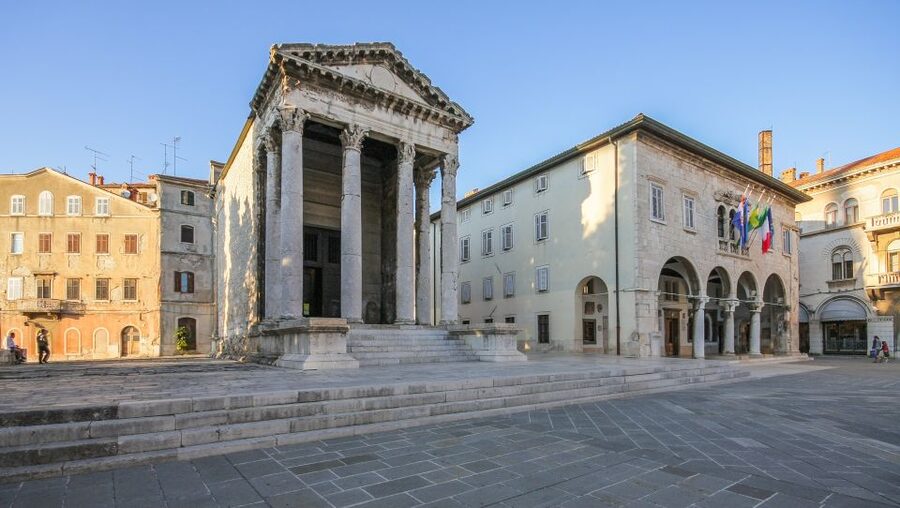
- Forum Square and the August Temple: Where Commerce Meets Power
- How the Tour Keeps the Pace: Street-Level Details and City Views
- Price and What You Get for $29: Value That Depends on Your Interests
- Who This Tour Suits Best (And Who Might Skip It)
- Should You Book This Pula Historic Walking Tour?
- FAQ
- How long is the Pula historic walking tour?
- What does the tour cost?
- What is included in the tour?
- Are entrance fees included for the sights?
- Where do we meet for the tour?
- Is the tour wheelchair accessible, and can I book a private group?
Key highlights that make this tour worth your time
- Roman Arena focus right at the start, with context beyond gladiator headlines
- City gates still standing, including Twin, Hercules, and Sergii
- Pula farmers market stop, built around local Istrian products and everyday trade
- Forum Square as a Roman hub, linking Roman remains to later Venetian layers
- August temple and Venetian city hall viewpoint, plus the goat story on the regional flag
- Small-group feel with time for questions and adaptable pace
Why This Pula Walk Works: Roman Landmarks With Real Context
Pula has plenty of stone you can stare at. The trick is understanding what you’re looking at, and why it matters in a place that has seen so many cultures take turns being in charge.
This tour helps you do exactly that. It is guided by Marina, a licensed guide in Istria for over 18 years who specializes in guiding German-speaking guests. The focus is not only on what exists, but also on what people used these spaces for, and how the city’s past shaped daily life. The result is a walk that feels like it has an opinion, in a good way.
I especially like that the experience is not one rigid script. You can steer the conversation toward local lifestyle, culture, nature, or food. That flexibility shows up in the way the walk flows between monuments and neighborhoods, instead of feeling like a rushed stamp-collecting exercise.
Meeting at the Arena Entrance Under the Holzdach
You meet at the Arena area, at the entrance in Arena, under the wooden roof (in German, Am Eingang in Arena, unter dem Holzdach). It’s a straightforward start point because you’re already at the biggest anchor of the old town.
Plan your arrival with a little buffer. The first moments matter because the guide usually frames the theme early, and that makes the rest of the walk click faster. If you’re trying to time photos, remember this is a walking tour, not a slow photo shoot.
Also note the tour is wheelchair accessible. If you’re traveling with mobility needs, it’s still smart to bring a plan for uneven old-street sections, but the operator states accessibility as part of the experience. Private group options are also available if you prefer a quieter, more tailored pace.
More Walking Tours in Pula
- Pula walking tour★ 5.0 · 96 reviews
- Pula: Historic Sites Guided Walking Tour★ 4.8 · 78 reviews
- Pula Essentials Walking Tour★ 4.8 · 64 reviews
Entering the Roman Amphitheatre: More Than Gladiators
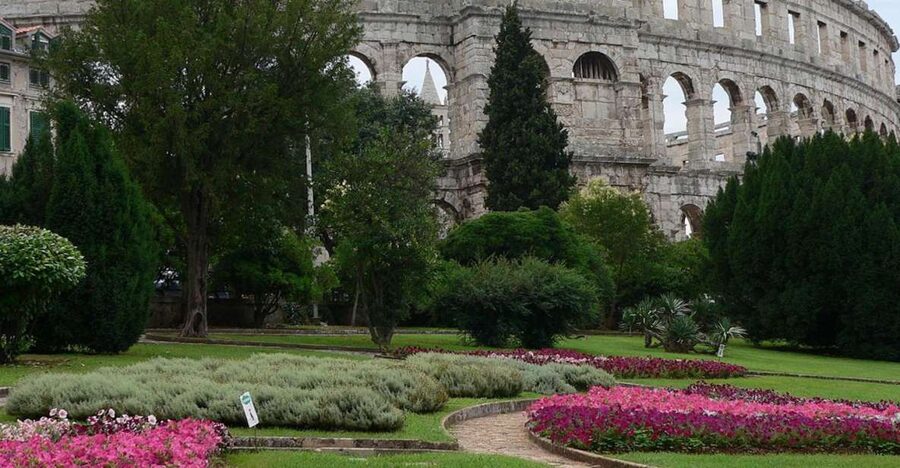
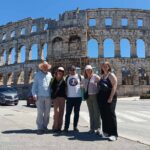
The Roman Amphitheatre, often discussed through gladiator culture, is the star of this tour’s opening act. But the point here is bigger than the popular headline. You’ll learn what the Arena was built for and how it functioned as a civic space.
In fact, you get a choice. Reviews mention the option to decide whether to visit the Arena itself, and that is genuinely useful. If you want the interior experience, you can say yes. If you’d rather spend your time on gates, squares, and the market, you can keep the walk moving. Just remember entrance fees are not included, so your decision should factor that in.
What you gain from this stop is an understanding of scale. Once you know how the structure worked, the rest of Pula’s stones stop looking random. The tour builds momentum, using the Arena as a reference point for the way Roman cities were organized and experienced.
Walking Pula’s Roman City Gates: Twin, Hercules, and Sergii
After the Arena, the route naturally guides you toward other antique parts of town. The standouts here are the three Roman city gates still standing, named the Twin, Hercules, and Sergii gates.
These gates are not just impressive from a distance. The guide can point out preserved details, and that’s where your appreciation grows. You start noticing how Roman architecture communicates authority, movement, and control of space, even after centuries.
What I think you’ll value most is the story behind them. A gate is both a physical barrier and a social checkpoint. It shapes where people go, what gets traded, and how a city expands or protects itself. With this tour, you connect those dots instead of treating the gates like isolated photo backdrops.
If you like learning “alternative facts” about a city, this is one of the best sections. Gates are perfect for that because they invite questions: who passed through them, what changed over time, and how the city re-used or re-framed its own Roman structures.
The Pula Farmers Market Stop: Istria on a Plate, Not a Postcard
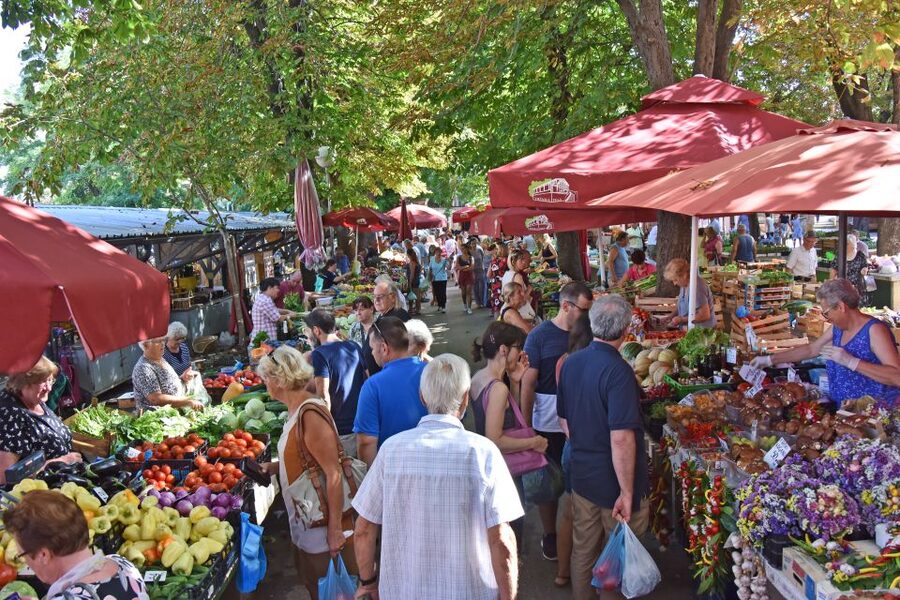
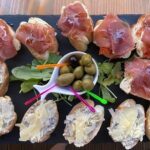
A big reason this tour feels different is the food angle. As a foodie and passionate cook, Marina includes a stop at the Pula farmers market. This is where locals buy and sell products native to Istrian soil.
That phrasing matters. It’s not presented as a generic tourist market. It’s framed as everyday trade tied to local agriculture and regional identity. Even if you do not plan to buy much, you’ll still get a better sense of what “Istrian” means in practice.
Here’s the practical benefit: the market stop gives you a break in pacing and a chance to re-set your eyes. After the heavy stone monuments, it helps to see daily life. It also makes the tour’s earlier Roman theme feel grounded, because cities survive on what their people produce and exchange.
If you’re traveling with kids, this is also a section that often works better than long monument explanations. You can keep it casual, ask what locals are buying, and let the market energy do some of the entertaining.
More marble lanes taken slowly:
- Pula Essentials Walking Tour
★ 5.0 · 62 reviews - Pula Private Walking Tour
★ 5.0 · 32 reviews - Pula Food Walking Tour
★ 4.5 · 22 reviews - Pula: Old Town Walking Tour for Foodies with Dinner and Wine
★ 4.6 · 18 reviews
Forum Square and the August Temple: Where Commerce Meets Power
Next comes Forum square, the Roman version of a local market and the heart of a Roman city. If you remember one idea from this part, make it this: Roman forums were not only political stages. They were also about trade, gatherings, and civic life.
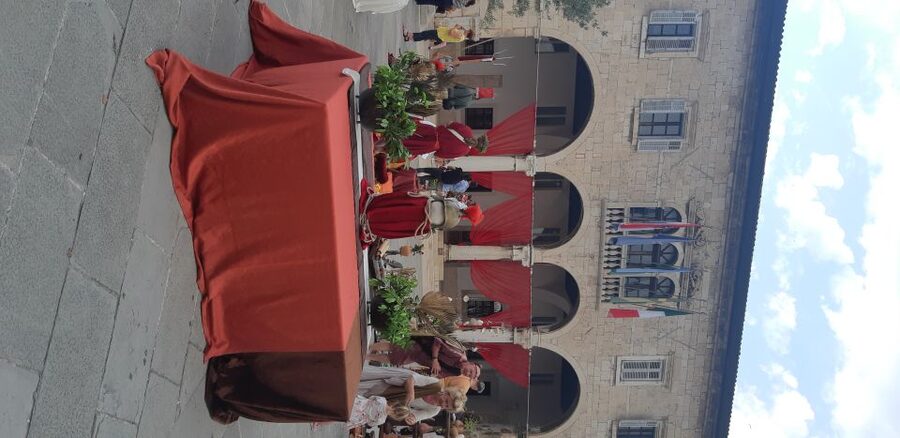
The tour connects the dots for you by pointing out remains of the August temple. Then it pairs that Roman layer with later Pula, including the venetian city hall. Seeing those eras stacked in one walking route helps you understand why Pula looks the way it does today.
One of the most memorable “small story” moments in this section is the explanation of why there is a goat on the regional flag. You’re not just handed a symbol. You get the background that makes it understandable in context. If you enjoy culture clues like that, you’ll like Forum square because it’s where symbolism, architecture, and daily life intersect.
Practical note: squares are open space, so it’s a good time to refocus, grab water, and decide if you want to slow down for photos. The tour’s structure naturally gives you that mental reset.
How the Tour Keeps the Pace: Street-Level Details and City Views
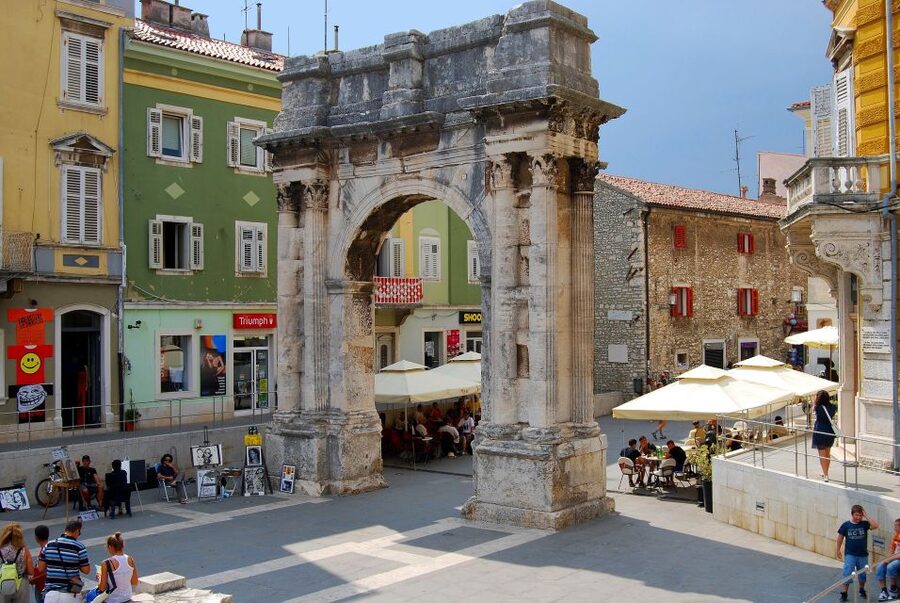
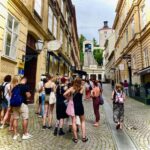
A lot of historic walks fail at one thing: they move too fast for comprehension. This one is built around a better rhythm. The stops are spaced so you can absorb what you learn and still enjoy the physical experience of walking the old streets.
The route also includes city views in a street-level way, the kind you get when you’re not driving or circling a single monument. As you move from Arena to gates to Forum square, you see Pula as a connected layout. You start to understand which areas are “anchors” and which are “transition zones.”
And those old streets matter because they do something modern tours often skip. They show how a city feels at walking speed. Even if you only have a short time in Pula, this approach helps you build orientation fast, so you don’t feel lost once the tour ends.
From the feedback, the pacing lands well. Reviews describe the tour as short, varied, and not a slog. One review even notes good attention to questions, which tells me the guide doesn’t treat Q and A as an awkward add-on. They manage it into the flow, so you leave with more than facts.
Price and What You Get for $29: Value That Depends on Your Interests
At $29 per person, this tour sits in the low-to-mid range for guided historic walks in Croatia. The value is strongest if you like context and stories, not only sightseeing.
What’s included is the core experience: a local guide walking tour for about 1.5 hours (with a stated duration window of 90 minutes to 2 hours). Entrance fees are not included, so if you decide to go into the Arena, you’ll need to budget separately.
This matters for decision-making. If you mostly want the exterior walk, the price is a straightforward bargain for the Roman gate and Forum square coverage. If you want the interior Arena visit as well, it still can be worth it, but you should expect extra cost.
Where this tour feels like a smart buy is the guide expertise. Marina brings 18+ years in Istria. Reviews repeatedly point to informativeness, entertainment, and taking time for questions. That combination is what turns a walk into a memory, not just a photo set.
Who This Tour Suits Best (And Who Might Skip It)
This tour fits you best if you:
- want Roman Pula explained clearly, with attention to “what was it used for”
- enjoy food culture through a local market stop
- like a guide who answers questions and gives practical tips
It may be less ideal if:
- you only speak English and won’t follow German comfortably
- you want a strict, self-guided pace with minimal discussion
A nice detail from reviews is that it worked well even in a small group of about 7 people, including a friendly child. If you’re traveling as a family, you’ll likely find the structure flexible enough to keep everyone engaged.
Should You Book This Pula Historic Walking Tour?
I’d book it if you want a high-impact introduction to Pula that connects the Roman big hitters with everyday Istrian culture. For $29, the mix of Arena context, three major gates, a market stop, and Forum square layers is exactly the kind of coverage that saves you time and prevents your first day from turning into random wandering.
Book it soon if you like German-guided experiences and you’re the type who asks questions. And if you are not sure about the Arena interior, you still have options during the tour, since entrance fees are separate.
If you want, tell me your travel dates and whether you speak German. I can suggest the best way to pair this walk with the rest of your Pula day.
FAQ
How long is the Pula historic walking tour?
It lasts about 90 minutes to 2 hours (listed as 1.5 hours long).
What does the tour cost?
The price is $29 per person.
What is included in the tour?
It includes a guided 90-minute to 2-hour walking tour with a local guide.
Are entrance fees included for the sights?
No. Entrance fees are not included.
Where do we meet for the tour?
Meet at the Arena entrance, under the wooden roof (Am Eingang in Arena, unter dem Holzdach).
Is the tour wheelchair accessible, and can I book a private group?
Yes, it is wheelchair accessible, and private group options are available.
Venetian Stones, Roman Streets
Latest arrivals logged at Pula


Historical Tours, compared.
Walking Tour of Split with a ‘Magister’ of History
Read our review →
Split Walking Tour with Professor of History
Read our review →
Split History and Gastro Small-Group Tour with Food and Drinks
Read our review →
PREMIUM Emperor’s Walking Tour for History Lovers + Museum
Read our review →Browse the lists this tour appears in