
Reviewed · HISTORICAL TOURS
Zagreb: City & History Walking Tour & WW2 Tunnels
Zagreb tells its story underground and above. This 2.5-hour walking tour layers classic sights with the Grič Tunnel and the Upper Town, so you’re not just looking at landmarks, you’re understanding why they matter.
I love the small group feel, because it stays conversational instead of rushing everyone past stops. I also love how the route connects daily life with big history, with Dolac Market and café-street Zagreb right in the middle of the plan.
One thing to plan around: the Grič Tunnel visit can be canceled if an event is happening there, so you may not be able to enter it on that day.
In This Review
- Key highlights you’ll notice fast
- Why this 150-minute Zagreb walk is such good first-day value
- Starting at Zrinjevac Park, then finding Zagreb’s center at Ban Jelačić Square
- Zagreb Cathedral and the Dolac Market stop that explains local rhythm
- Tkalčićeva Street café culture, plus how Zagreb does its hanging out
- The Grič Tunnel: the WWII shelter under Upper Town
- Funicular views at Gradec, even if you can’t ride it
- Lotrščak Tower and St Mark’s Church: postcard Zagreb with context
- Old Pharmacy, Stone Gate, and a chapel locals believe in
- Museum of Broken Relationships, plus the tour’s smart closer near Ban Jelačić Square
- What can affect your day (and how to handle it)
- Should you book this Zagreb City & History Walking Tour?
- FAQ
- Where is the meeting point for the tour?
- How long is the Zagreb tour?
- Is the WWII Grič Tunnel included?
- Is the funicular part of the tour?
- When might Dolac Market be closed?
- Is food included?
- Is the tour wheelchair accessible?
- What language is the guide?
Key highlights you’ll notice fast
- WWII Grič Tunnel access to a wartime passage beneath the Upper Town
- Tight 150-minute format that fits major sights without feeling like a marathon
- Local storytelling with real personality, with guides such as Petra, Tomislav, and Maja praised for humor and clear answers
- Upper Town Gradec viewpoints along Strossmayer Promenade, plus Lotrščak Tower and St Mark’s Church
- Stone Gate and a chapel with a painting of Our Lady, tied to local beliefs
- Practical city orientation at the start and finish near Ban Jelačić Square, so you’re set up to explore after the tour
Why this 150-minute Zagreb walk is such good first-day value
At $11 per person, the headline value is not the price alone, it’s what you get for it: a licensed local guide, a smart route, and major landmarks that are spread across central Zagreb and the Upper Town.
This tour is also timed to help your brain sort the city quickly. You start in the low center near Zrinjevac Park, work toward Ban Jelačić Square, and then climb into Gradec for the views. By the time you finish, you’ll know how Zagreb is arranged, where to return later, and what to skip if you’re short on time.
A small group matters here. When the group stays small, it’s easier to ask questions at the Cathedral steps, during the Dolac Market stop, or while you’re looking out over the rooftops from Strossmayer Promenade. That turns a history lecture into something more like a guided conversation.
Starting at Zrinjevac Park, then finding Zagreb’s center at Ban Jelačić Square
You meet at Trg Nikola Subic Zrinski 2, in Zrinjevac Park, right beside the meteorological station display. This is a handy start because you’re already in a pretty, open area with an easy meeting point and quick connections to the rest of central Zagreb.
From there, the tour moves toward Ban Josip Jelačić Square, the city’s beating heart. This is where your guide helps you connect the dots on Zagreb’s story, including how the city got its name and the legends around its early founding. The great thing is that these explanations are tied to what you can actually see around you, not just abstract background.
You’ll also get photo-time moments along the way. Think of them as short pauses to anchor your memory: Zrinjevac Park, then the square, then the approach to the Cathedral area. If you like to take pictures, this pacing feels comfortable rather than frantic.
More Walking Tours in Zagreb
- Zagreb: City and WWII Tunnels Walking Tour★ 4.9 · 1,230 reviews
- Walking tour of Zagreb★ 5.0 · 383 reviews
- Zagreb Small Group Guided Walking Tour with WW2 Tunnels★ 5.0 · 380 reviews
Zagreb Cathedral and the Dolac Market stop that explains local rhythm
Next up is the Cathedral of Zagreb. You’re there to learn what the Cathedral represents, where its origins are rooted, and how it has survived centuries of turbulent history through restorations. It’s one of those landmarks that can look simply impressive from the outside, but the history adds weight to every detail you notice.
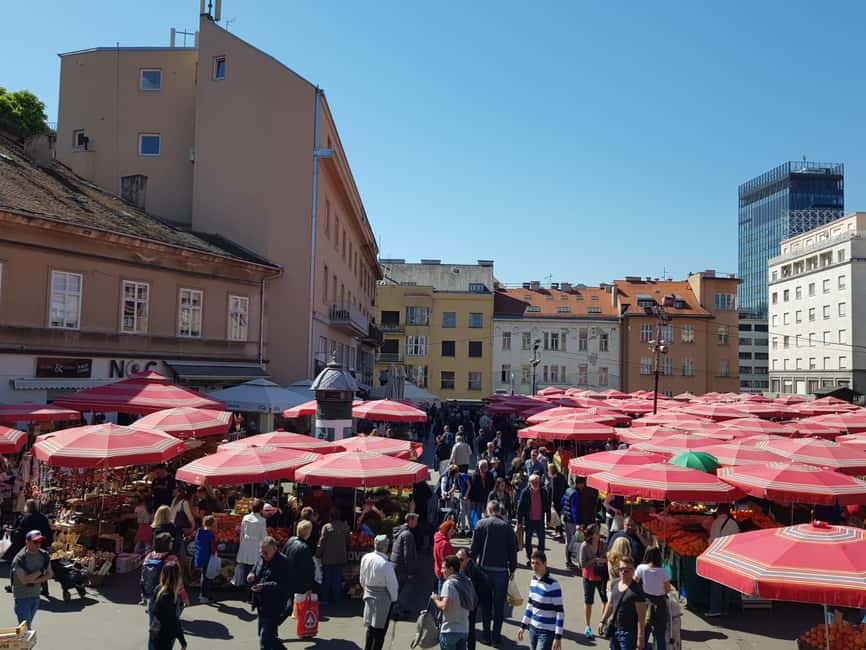
After the Cathedral, you head to Dolac Market, often called the belly of Zagreb. Here the tour shifts from grand architecture to everyday life. You’ll see what the market means to locals, because it’s not just a food stop. It’s a social rhythm, where fresh produce and the market’s constant movement show you what daily Zagreb feels like.
Practical note: Dolac Market is closed in the afternoon and on public holidays. If your tour lands during a closed period, you’ll still get the context, but you won’t get the full market bustle. So if you want the full sensory experience, try to schedule your day so you reach Dolac when it’s open.
Tkalčićeva Street café culture, plus how Zagreb does its hanging out
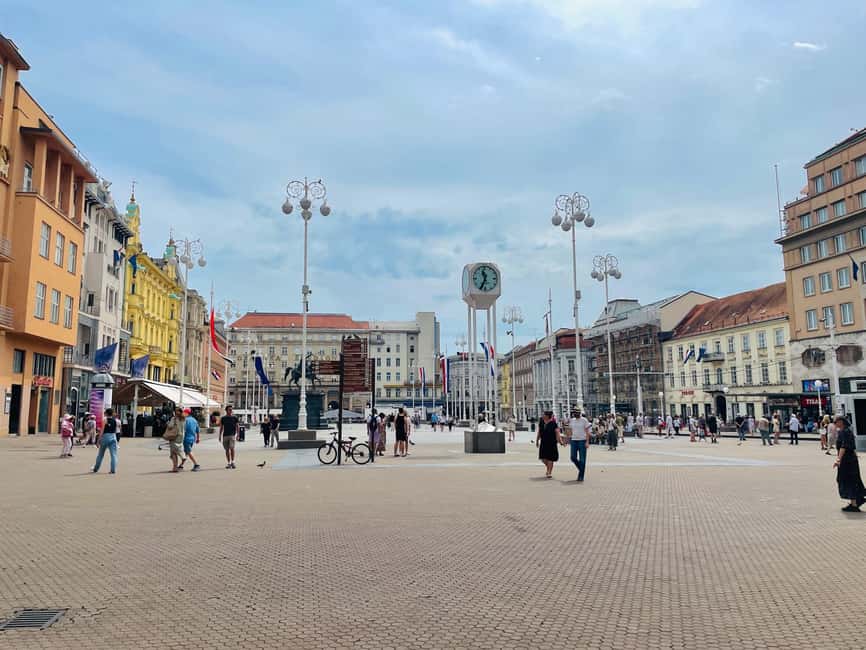
The walk continues down Tkalčićeva Street, known for café life. This is one of my favorite parts of the tour logic, because it explains culture through behavior. Zagreb is a city of people spending time outdoors and slowing down, not just people running from one sight to the next.
This section works well even if you’re not a coffee person. You’re learning where locals choose to linger, how the street fits into the city’s social scene, and why certain areas feel like community hubs. It’s the kind of info that makes your later café choices easier.
Also, you’re still under a guide’s timeline, so you’re not stuck wondering what to do next. The tour keeps moving, but the storytelling gives you a sense of Zagreb’s tempo.
The Grič Tunnel: the WWII shelter under Upper Town
Then comes the signature experience: stepping into the WWII-era Grič Tunnel, a hidden passage beneath the Upper Town that once served as a wartime shelter.
This is the part that tends to make the tour feel different from a standard highlights walk. Above ground, Zagreb’s story is visible in stone churches and towers. Underground, the story becomes something more human: the idea of protection, fear, and survival, in a space designed for wartime needs.
Important reality check: the tunnel may be closed to visitors if events are happening there (exhibitions, theatre shows, or similar). If the tunnel is closed, you’ll lose the most distinctive piece of this tour, so it’s smart to have your expectations flexible. If you truly want the tunnel experience, consider checking closer to your departure time.
More marble lanes taken slowly:
- Zagreb: Restaurants, Food & Old Town Walking Tour
★ 5.0 · 191 reviews - Zagreb Unveiled: Private walking tour with a local guide
★ 5.0 · 185 reviews - Zagreb: Restaurants, Food & Old Town Walking Tour
★ 4.7 · 170 reviews - Zagreb Private Walking Tour with a local
★ 5.0 · 150 reviews
Funicular views at Gradec, even if you can’t ride it
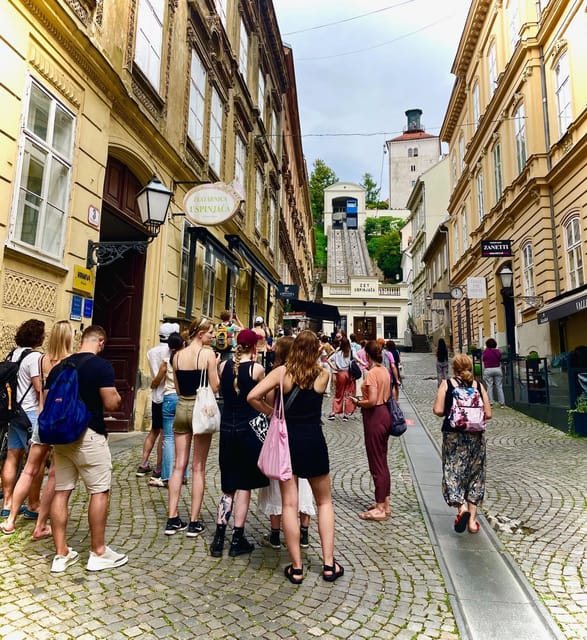
The tour then reaches the climb into Upper Town, Gradec, Zagreb’s older medieval settlement. The walking path includes Strossmayer Promenade, a leafy terrace that’s known for some of the best panoramic views over the city.
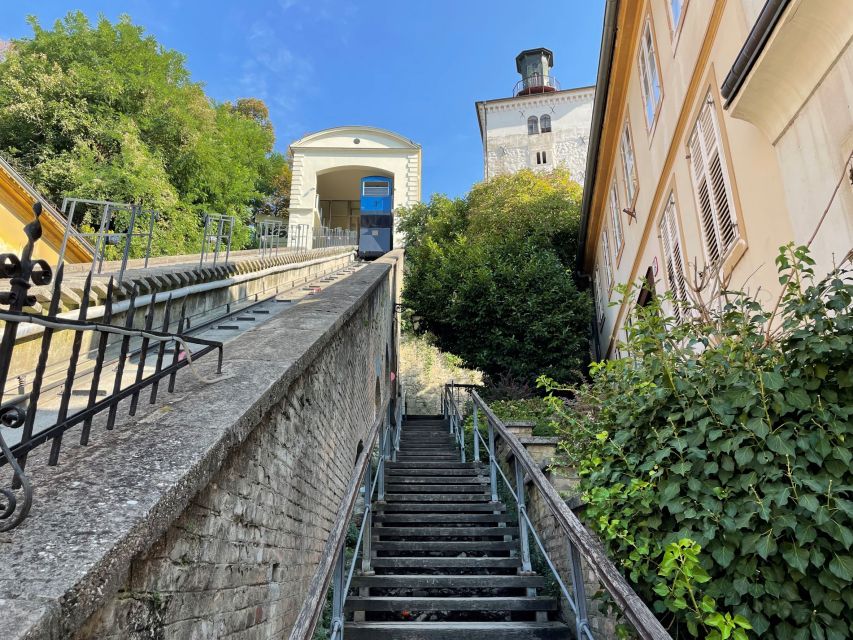
You’ll also hear about the funicular, described as the oldest public transport in Zagreb. The funicular is a classic way to connect Upper Town to the lower city, but it’s currently closed for renovation until March 2026. The tour doesn’t depend on you riding it, but you still get the context and the perspective.
This is a good moment to slow down. You’ll have the view, the story, and the sense of why Gradec sits where it does. You’re also building a visual map of Zagreb’s rooftops, which makes the rest of your sightseeing much easier.
Lotrščak Tower and St Mark’s Church: postcard Zagreb with context
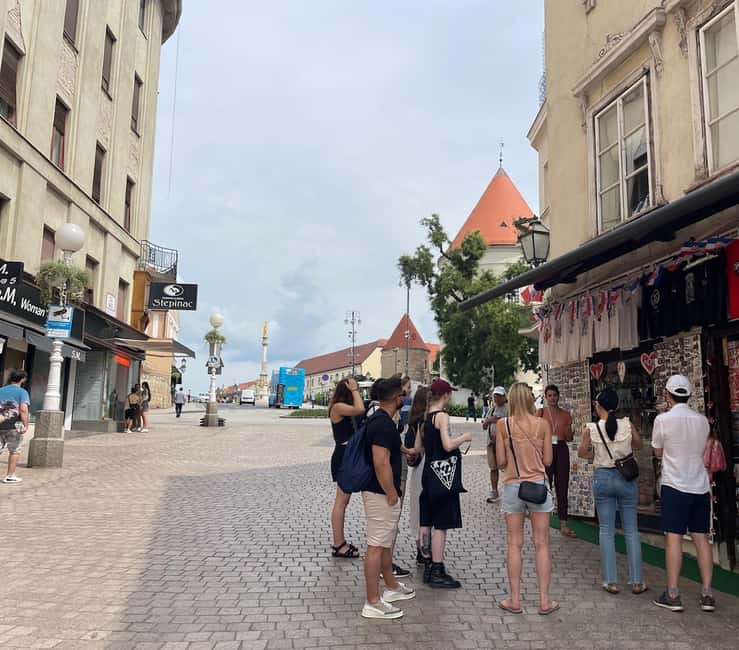
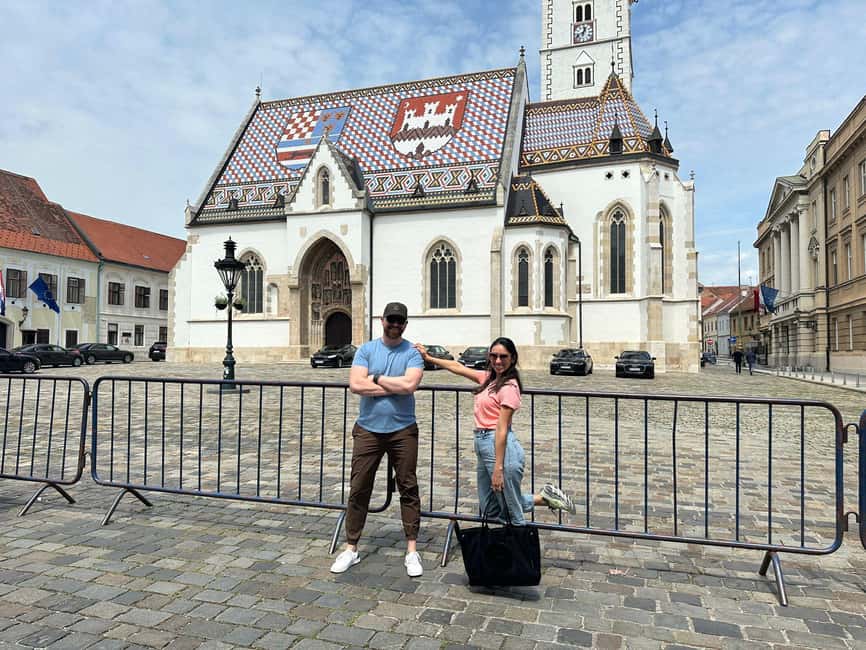
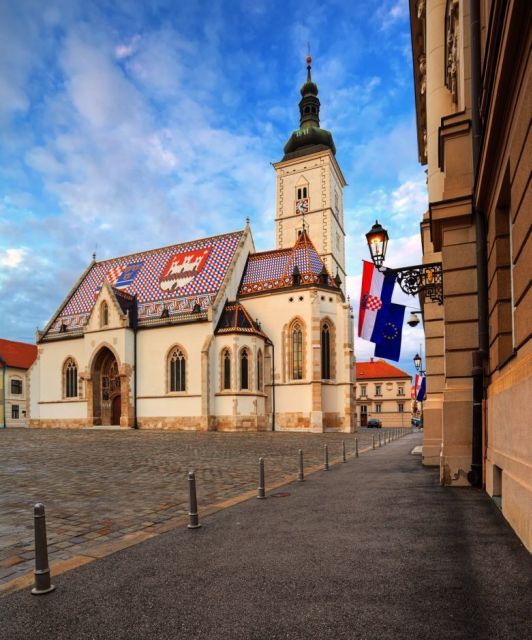
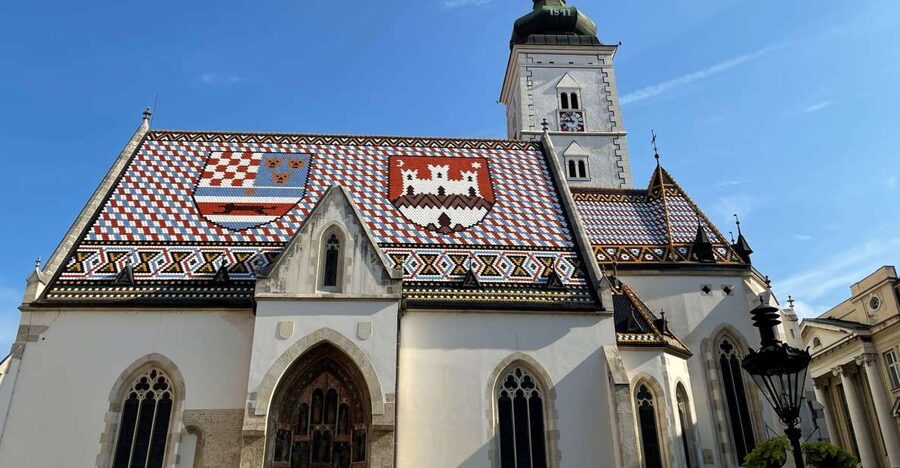
Upper Town keeps delivering. You’ll see Lotrščak Tower, an iconic landmark that anchors Gradec’s skyline, and then you’ll get to St Mark’s Church, instantly recognizable for its colorful tiled roof.
What makes these stops more useful than quick photo breaks is the way the guide frames them in the city’s long timeline. A tower is more than a view point when you understand what it guarded and why. A church roof is more than pretty when you know how it fits into the broader history of the city’s identity and restoration.
This is also where the tour’s small group advantage shows up again. You can ask questions while standing in front of landmarks instead of shouting to be heard across a crowd.
Old Pharmacy, Stone Gate, and a chapel locals believe in
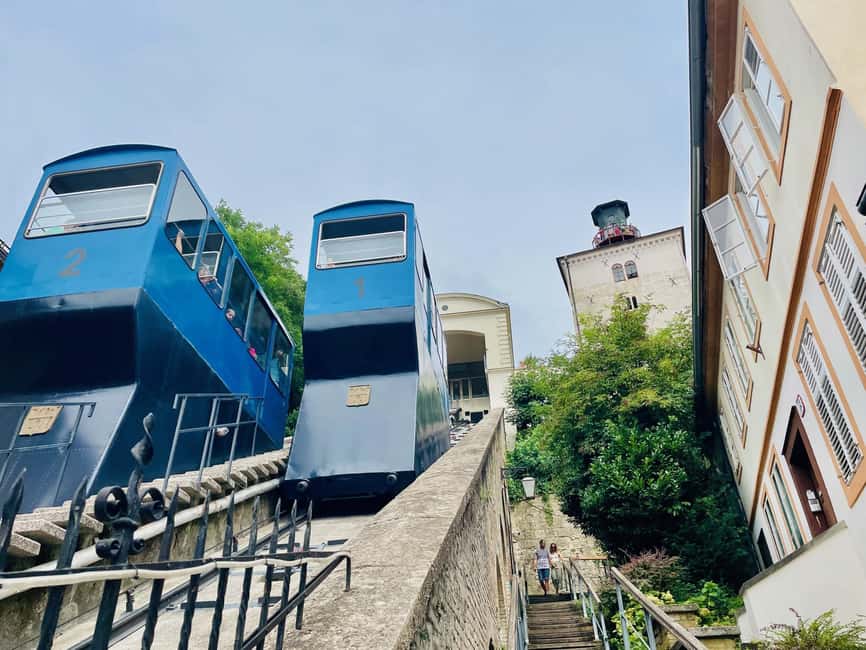
One stop that’s easy to miss if you walk on your own is the area linked to the oldest pharmacy in Zagreb. Your guide uses this to show how everyday institutions have long histories too, not just palaces and churches.
Then you reach the Stone Gate, described as the only surviving gate from Zagreb’s old fortifications. This is a strong choice for a walking tour stop because it turns the idea of city defenses into something physical that you can stand beside and picture.
Inside the Stone Gate area, you’ll also discover a hidden chapel with a painting of Our Lady, said to be miraculous and beloved by locals. Even if you’re not religious, this kind of local belief is part of what makes a city feel real. It shows how people relate to places over generations.
Museum of Broken Relationships, plus the tour’s smart closer near Ban Jelačić Square
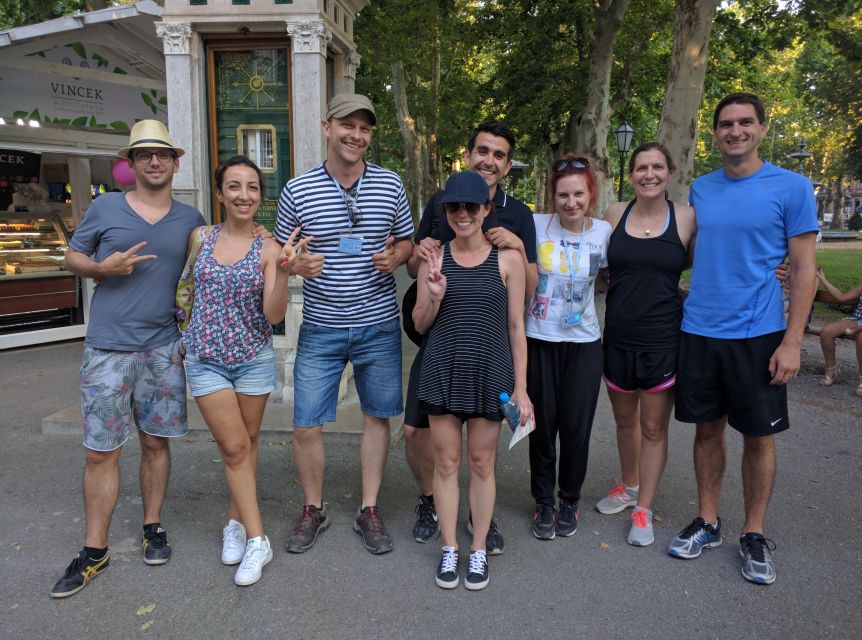
Between viewpoints and gates, you’ll also pass by the Museum of Broken Relationships. The tour doesn’t linger like a full museum visit, but it flags it as part of modern Zagreb’s identity, not just the historic layers.
Near the end, you’ll get a short look at a secret stop. The point here is variety. Even after the major landmarks, you still get one more small change of pace that nudges you off the most obvious tourist line.
The tour wraps back at Trg bana Josipa Jelačića, so you finish where you can immediately pivot to the next part of your day. Your guide is ready with recommendations for food, museums, or where to go next.
That last piece matters more than people think. Zagreb is compact enough that you can miss the best choices if you’re unsure where you are in the city’s story. Ending at Ban Jelačić Square helps you keep your momentum.
What can affect your day (and how to handle it)
This tour is well structured, but a few moving parts can change the experience.
First, the Grič Tunnel might be closed if there’s an event in the tunnel space. If that happens, the tour still covers the landmarks and the Upper Town, but you’ll lose the underground WWII centerpiece.
Second, Dolac Market can be closed in the afternoon and on public holidays. If you’re hoping to see the market at full volume, plan your schedule so you arrive when it’s open.
Third, the funicular is closed until March 2026. You’ll still get the story and the scenic context, but you won’t ride it as part of your experience.
Finally, this is not suitable for wheelchair users. The walking route includes climbs and outdoor streets, so it’s best for people who feel comfortable on foot.
Should you book this Zagreb City & History Walking Tour?
Book it if you want a high-signal overview of Zagreb in about 2.5 hours, with the best parts of central Zagreb plus Gradec viewpoints and the standout Grič Tunnel. The small group format is a real advantage for questions, pacing, and staying comfortable while you move between neighborhoods.
Skip it or choose a different plan if the tunnel experience is non-negotiable for you and you’re only in town on one specific day when an event might disrupt access. Also skip it if you need wheelchair accessibility.
If you do book, I’d suggest wearing comfy shoes, planning for outdoor walking and steps, and budgeting a meal for afterward since food isn’t included. You’ll leave with a clear sense of where Zagreb’s history lives, and where you should go next on your own.
FAQ
Where is the meeting point for the tour?
The tour meets at Trg Nikola Subic Zrinski 2, in Zrinjevac Park, next to the meteorological station.
How long is the Zagreb tour?
The duration is 150 minutes, about 2.5 hours.
Is the WWII Grič Tunnel included?
Yes, the tour includes entry to the WWII-era Grič Tunnel, but it may be unavailable if the tunnel is closed for an event.
Is the funicular part of the tour?
You’ll see the funicular area and learn about it, but it is currently closed for renovation until March 2026.
When might Dolac Market be closed?
Dolac Market is closed in the afternoon and on public holidays.
Is food included?
No, food and drinks are not included.
Is the tour wheelchair accessible?
No. The tour is not suitable for wheelchair users.
What language is the guide?
The live guide speaks English.
Venetian Stones, Roman Streets


Latest arrivals logged at Zagreb



Historical Tours, compared.
Walking Tour of Split with a ‘Magister’ of History
Read our review →
Split Walking Tour with Professor of History
Read our review →
Split History and Gastro Small-Group Tour with Food and Drinks
Read our review →
PREMIUM Emperor’s Walking Tour for History Lovers + Museum
Read our review →
Historic Walking Tour with Local Guide & City Views
Read our review →Browse the lists this tour appears in