
Reviewed · WALKING TOURS
Walking tour of Zagreb
Zagreb clicks into focus on foot. This walking tour is a fast, friendly way to learn the city’s story while you move through the spots you will want to revisit later, like Zagreb Cathedral, Dolac Market, and Tunel Gric. I especially like the small group size (up to 25), and I also like that the guide is licensed and keeps things moving at a good walking pace with plenty of room for questions. The one thing to consider is that the funicular and tunnel days can vary, and the funicular is listed as closed for renovation until March 2026.
You also get a route that actually makes sense for first-time visitors. You start in Zrinjevac Park, work your way up toward the Upper Town, then come back down through the pedestrian streets where locals hang out. One possible drawback is that you may encounter construction around major landmarks, including the cathedral area, depending on conditions during your visit.
In This Review
- Key things I’d watch for on this Zagreb walk
- Price and value: what $24.20 buys you in Zagreb
- The group feel: why small matters more than you think
- Where you start: Zrinjevac Park and the meeting point tip
- Stop-by-stop: what each part of the route is really for
- Stop 1: Zrinjevac Park, photo time plus quick context
- Stop 2: Bogovićeva ulica for bars, restaurants, and street-life
- Stop 3: Ban Josip Jelačić Square, Zagreb’s main meeting point
- Stop 4: Cathedral of Zagreb, landmark views and a real-world caveat
- Stop 5: Dolac Market, the “oldest green market” with local texture
- Stop 6: Tunel Gric, WWII tunnel under Grič Hill
- Stop 7: Zagreb funicular ride, the short climb to Upper Town
- Stop 8: Lotrščak Tower, guard-tower history and the noon cannon
- Stop 9: Gornji Grad (Upper Town), panorama plus big-name sights
- Stop 10: Petrini Pyli, medieval city gate energy
- Stop 11: Tkalčićeva Street, pedestrian zone and after-walk plans
- What makes the route work: a smart mix of sights and “how to explore”
- Guide quality: how the best tours are actually judged
- Funicular and tunnel timing: how to plan around possible closures
- Who this tour is best for
- Should you book this Zagreb walking tour?
- FAQ
- How long is the Zagreb walking tour?
- What is included in the tour?
- Where does the tour start and end?
- Is the tour offered in English?
- Will the funicular and Tunel Gric definitely operate?
- What is the cancellation policy?
Key things I’d watch for on this Zagreb walk
- Licensed guide with real local storytelling: expect history and culture tied to the exact places you stop.
- Core Upper Town views, on schedule: the route is built for panoramas without turning the day into a full hike.
- Dolac Market, with a sensory focus: it is not just a photo stop, you get context for what you are seeing.
- Tunel Gric WWII tunnel: a compact way to experience a darker chapter of Zagreb history.
- Short, included funicular ride if operating: great for energy and timing, but not guaranteed.
- Meeting point clue that saves time: maps apps may be off, so look for the clock in Zrinjevac Park.
Price and value: what $24.20 buys you in Zagreb
At about $24.20 per person for a 2 to 3 hour tour, this is priced like a smart “foundation” activity. You are paying for three things that add real value: a licensed guide, a structured route that hits major sights without you needing to plan every turn, and an included funicular ticket if the railway is operating.
If your time in Zagreb is short, this kind of guided loop helps you avoid the common problem of seeing a few pretty spots but missing how they connect. By the end, you have a mental map of where Upper Town sits, how the city flows downhill, and where to wander on your own next day.
The group feel: why small matters more than you think
The tour caps at 25 people, which is a sweet spot for a walking tour. With a group this size, you are not usually stuck at the back. You can actually hear your guide, and you are more likely to get answers to your questions.
The reviews also point to guides who keep the experience conversational and funny. Names like Robert, Marko, Marco, Lucia, and Iva show up repeatedly in feedback, along with comments about pace, clarity, and how willing the guide was to answer questions. That matters because Zagreb can feel layered, especially when you are moving between squares, hilltop viewpoints, and daily-life streets.
More Walking Tours in Zagreb
- Zagreb: City and WWII Tunnels Walking Tour★ 4.9 · 1,230 reviews
- Zagreb: City & History Walking Tour & WW2 Tunnels★ 4.9 · 1,202 reviews
- Zagreb Small Group Guided Walking Tour with WW2 Tunnels★ 5.0 · 380 reviews
Where you start: Zrinjevac Park and the meeting point tip
The walk begins at Zrinjevac 2 (10000 Zagreb). This is a great starting choice because Zrinjevac Park is central and easy to orient from once you arrive.
Here is a practical tip from real feedback: Google Maps and Apple Maps can struggle with the exact meeting location. People reported meeting by the clock in the park. If you want this to feel smooth, arrive 10 minutes early and look for the clock area at Zrinjevac Park.
Stop-by-stop: what each part of the route is really for
Stop 1: Zrinjevac Park, photo time plus quick context
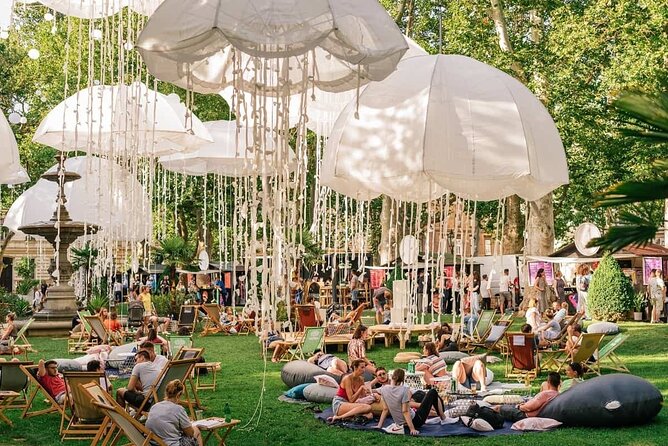
You begin at Zrinjevac Park, and it is a solid warm-up. The open space makes it easy to get the first photos without feeling rushed. At the same time, your guide sets the scene, sharing stories about Zagreb as you orient yourself.
Why it is worth it: starting here gives you landmarks and themes early, so the later stops feel connected instead of random.
More marble lanes taken slowly:
- Zagreb: Restaurants, Food & Old Town Walking Tour
★ 5.0 · 191 reviews - Zagreb Unveiled: Private walking tour with a local guide
★ 5.0 · 185 reviews - Zagreb: Restaurants, Food & Old Town Walking Tour
★ 4.7 · 170 reviews - Zagreb Private Walking Tour with a local
★ 5.0 · 150 reviews
Stop 2: Bogovićeva ulica for bars, restaurants, and street-life
From the park, you head to Bogovićeva ulica. This street is known for its bar and restaurant scene, and it is one of those places where Zagreb feels like a living city, not a museum.
What to expect: you will get a feel for the city’s day-to-night rhythm. Even if you do not stop for a drink, this location helps you decide where you might want to return for dinner later.
Stop 3: Ban Josip Jelačić Square, Zagreb’s main meeting point
Next comes Ban Josip Jelačić Square. This is the city’s central hub and a popular meeting point, which means it is also the anchor for your mental map of the day.
Why it helps: after learning the “where,” you are ready for the “what,” and the cathedral and Upper Town start to make more sense as you move.
Stop 4: Cathedral of Zagreb, landmark views and a real-world caveat
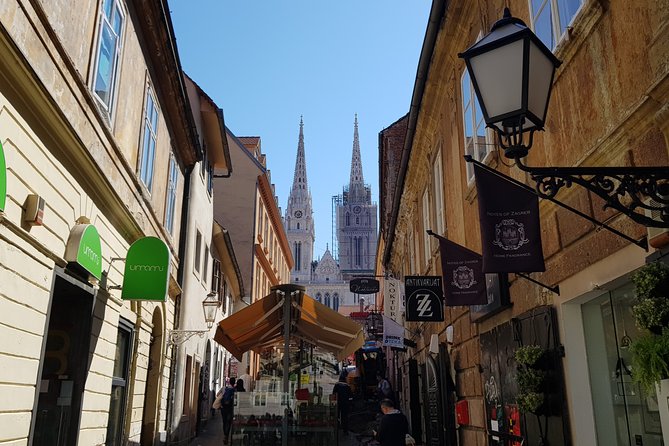
The Zagreb Cathedral is the monumental historic building you cannot miss. It is a key landmark in the city center and a great point for understanding how Zagreb’s identity formed.
A heads-up from feedback: due to the 2020 earthquake, parts of the cathedral area have been under construction at times. That can affect whether you can go inside and whether your photos are blocked by materials. You might still enjoy the exterior and the stories, but adjust expectations for close-up access.
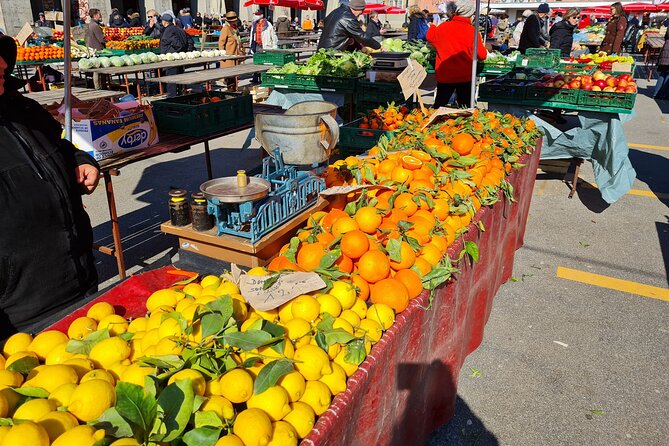
Stop 5: Dolac Market, the “oldest green market” with local texture
Dolac Market is Zagreb’s oldest green market. You will feel the place quickly, because it is active and layered. This is not only about looking at stalls. The stop is designed to engage your senses and explain local food products.
Why this is a great stop: markets are where you learn what people buy and what that says about daily life. Even if you do not plan to eat on the spot, you will leave with ideas for what to try later.
Stop 6: Tunel Gric, WWII tunnel under Grič Hill
Then you step into Tunel Gric, a WWII tunnel under Grič Hill. It is now a tourist attraction, but it is still tied to the wartime purpose of protection and movement.
Why it matters: it is a short stop that adds depth to a city that otherwise can look sunny and classical from the sidewalks. It also makes your walking route feel intentional, because the tunnel connects the hill area in a way that is useful to understand while you are there.
Stop 7: Zagreb funicular ride, the short climb to Upper Town
The funicular is described as the best way to climb to the medieval Upper Town, with the practical perk of being a short ride. The ticket is included if it is operating.
Big consideration: the tour information notes the funicular is closed for renovation until March 2026. Even if you book now, you should expect that the funicular portion may not be available, and your guide may adjust the plan based on operating status and dates.
If the funicular is not running when you go, you will still get the rest of the Upper Town experience, but you may walk more. Wear shoes that handle uneven or steep sections.
Stop 8: Lotrščak Tower, guard-tower history and the noon cannon
Lotrščak Tower is a historic guard tower and it houses the famous Grič cannon. One popular detail repeated in feedback is that the tower fires a cannon daily at noon.
What this means for your timing: if your schedule lines up close to midday, you might catch that moment. Even if you do not, the tower stop gives you a sense of how Zagreb defended the hill and signaled the day.
Stop 9: Gornji Grad (Upper Town), panorama plus big-name sights
Now you are in the heart of the hilltop experience. Gornji Grad offers panoramic views of the city, and it is where Zagreb feels medieval and compact at the same time.
You will have time for photos and the key sights your route aims for, including:
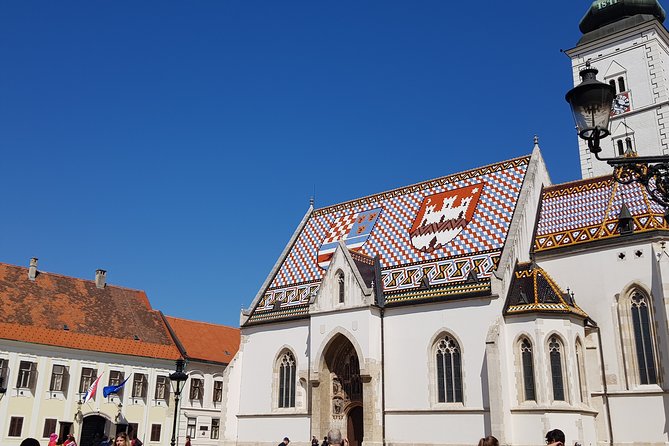
- St. Mark’s Church
- Museum of Broken Relationships
- Croatian Government Building and Croatian Parliament
Why I like this portion of the tour: viewpoints in Zagreb are not just scenery, they help you understand the geography. Once you see the spread, it is easier to explore on your own later without getting turned around.
Stop 10: Petrini Pyli, medieval city gate energy
Next comes Petrini Pyli, a medieval city gate. This is a short stop, but it has a nice effect. After looking at big landmarks, you get a reminder that the hill was once about controlled entry and defended edges.
Practical note: take a second here, even if you are mostly photo-focused. The gate framing gives you a sense of “old city scale” when you look back toward the streets below.
Stop 11: Tkalčićeva Street, pedestrian zone and after-walk plans
After the Upper Town, you descend to Tkalčićeva Street. This is Zagreb’s most famous pedestrian zone, known for bars and restaurants. It is the kind of street where there is always something going on, which makes it a natural place for a post-tour wandering session.
What to do with this info: use the tour as your kickoff. When the walk ends on Ban Josip Jelačić Square near the start area, you are set up to head back toward dinner and choose based on what you noticed during the stops.
What makes the route work: a smart mix of sights and “how to explore”
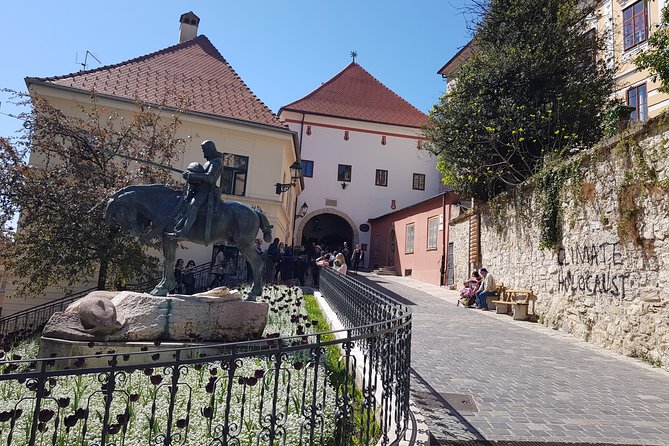
Some tours feel like a checklist. This one feels more like a city orientation with highlights sprinkled in. You move from a park, to squares, to market, to tunnel, to hilltop viewpoints, and then to everyday street life.
That flow matters because Zagreb has a very particular shape. The center and the hill areas feel different, so understanding the transition helps you explore the rest of the city with confidence.
Guide quality: how the best tours are actually judged
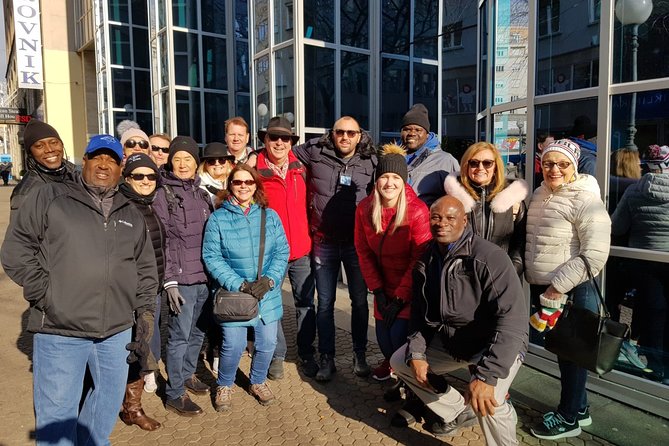
The highest praise in the reviews centers on guides who are engaging, able to explain history clearly, and willing to answer questions. Humor comes up a lot too, with comments about a guide’s personality and storytelling style.
If you care about more than photos, this is where the tour earns its reputation. A licensed guide can connect what you see, like a tower or a tunnel, to why it matters. You also get restaurant recommendations from your guide in many cases, which is a real time-saver when you are figuring out where to eat.
One practical lesson from feedback: if you prefer a louder, very clear voice, you may appreciate that some guides are noted for speaking clearly. Still, bring your usual travel sense, stand where you can see the guide, and do not be shy about asking questions if you miss a detail.
Funicular and tunnel timing: how to plan around possible closures
This tour comes with an important reality check: the WWII tunnels and the funicular might not operate on certain dates. Add to that the funicular renovation closure until March 2026, and you should plan with flexibility.
How I’d handle it:
- If the funicular is running, take advantage of it for the climb to Upper Town.
- If it is not, expect more walking. Pack comfortable shoes and be ready for a slightly longer climb.
- For the tunnel, do not assume you will enter no matter what. If the tunnel is closed that day, your guide will still give value through the rest of the route.
Who this tour is best for
This works especially well if:
- You want a structured Zagreb introduction in a short time window
- You like learning history and culture while you walk
- You want to hit major sights like Dolac Market and Gornji Grad without doing all the routing yourself
- You prefer a small group where you can ask questions
It may be less ideal if:
- You are relying on the funicular as your only way up, since it can be closed for renovation until March 2026
- You want guaranteed interior access everywhere, because construction conditions can affect areas like the cathedral zone
- You dislike walking. The tour is 2 to 3 hours, so plan for steady steps.
Should you book this Zagreb walking tour?
Yes, if you want an efficient, guided Zagreb primer and you are happy to move at a reasonable pace. The price is fair for what you get, especially the licensed guide, the route that links hilltop and street life, and the inclusion of Dolac Market plus the WWII Tunel Gric stop.
I’d book it early in your trip. Several reviews highlight that it gives you a strong foundation for what to do next. Also, keep your plans flexible for the funicular and tunnel days, since operations and renovations can change.
If your main goal is simply to see one or two landmarks fast, you might not need a full tour. But if you want to understand Zagreb’s layout and leave with places you actually know how to reach again, this is a very solid first walk.
FAQ
How long is the Zagreb walking tour?
It runs about 2 to 3 hours.
What is included in the tour?
You get a walking tour with a licensed guide. A funicular ride ticket is included if it is operating.
Where does the tour start and end?
It starts at Zrinjevac 2, 10000 Zagreb, Croatia. The tour ends on Ban Josip Jelačić Square close to the starting point.
Is the tour offered in English?
Yes, the tour is offered in English.
Will the funicular and Tunel Gric definitely operate?
Not always. The information notes that WWII tunnels and the funicular might not operate on certain dates. It also states the funicular is closed for renovation until March 2026.
What is the cancellation policy?
You can cancel for a full refund up to 24 hours in advance. If you cancel less than 24 hours before the start time, the amount paid is not refunded. If the experience is canceled due to poor weather, you will be offered a different date or a full refund.
Latest arrivals logged at Zagreb


Walking Tours, compared.
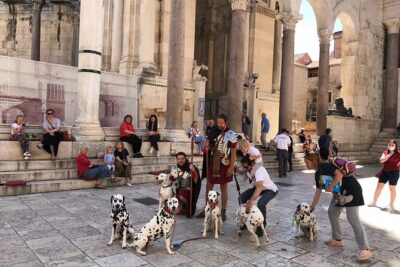
Walking Tour of Split and Diocletian’s Palace
Read our review →
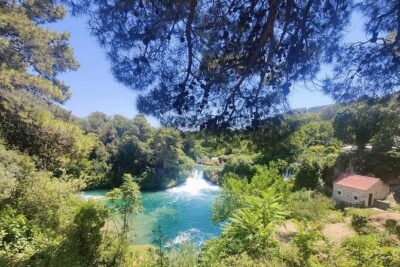
Krka Waterfalls tour with Trogir Walking tour and Krka panoramic boat cruise
Read our review →
City Walls Early Morning or Sunset Walking Tour
Read our review →Browse the lists this tour appears in