
Reviewed · HISTORICAL TOURS
Zagreb: Traditional Workshop Experience and Cultural Tour
A heart you paint in an hour. This hands-on Zagreb experience blends Licitar craft, folk-costumed performers, and a guided traditional-house visit with a rakija tasting. I especially like that you leave with two real, handmade souvenirs, not just photos, and that the house tour adds practical context on Croatian life. The main drawback to plan for is time pressure, because you’re making, learning, tasting, and photographing all in about an hour.
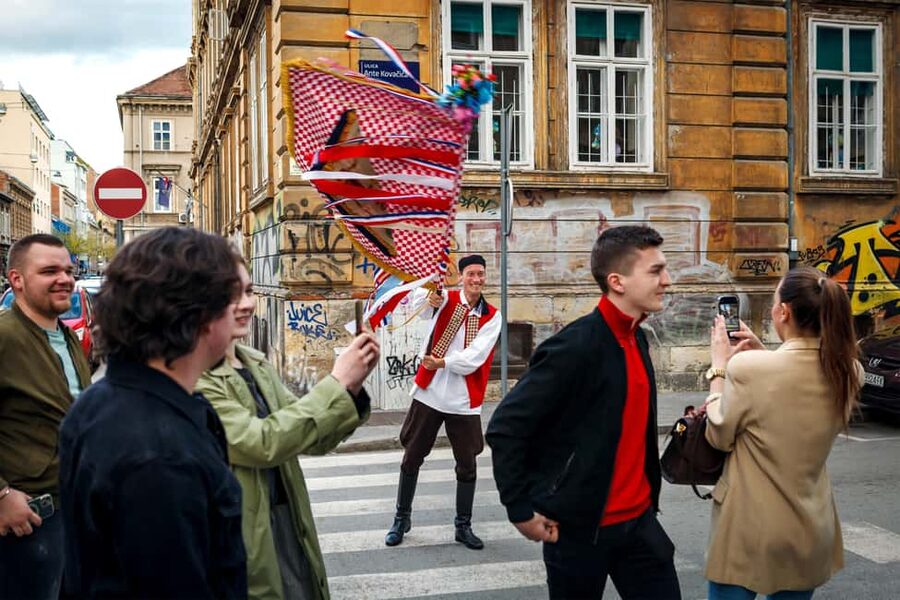
You’ll step into a preserved traditional Croatian house in Zagreb County, where dancers appear in authentic folk costumes representing different parts of the country. The vibe is playful but also educational, and the workshop feels like a shortcut to understanding why certain symbols and crafts matter in Croatia.
If you’re traveling solo, this can be a smart choice. One confirmed guest called out the host Ivan for being generous and keeping the experience fully on, even when it was just them. I’d still note one practical consideration: wear clothes that can get messy, and take it easy with alcohol since rakija tasting is part of the program.
In This Review
- Quick take: what makes it worth your time
- Licitar heart and Zagorje wooden toy, made by your own hands
- Why the crafts feel more valuable than they sound
- Walking into a traditional Croatian house with folk costumes
- A practical note on photos
- The 1-hour flow: from Licitar heart to painted wooden toy
- Wear the right clothes, even if you’re dressed up
- What you learn: geography, cuisine, and ethnology in plain language
- If you like asking questions, this is a good fit
- Rakija tasting: part of the culture, not just a free drink
- How to get the most from the tasting
- Price and value: is $50 for one hour actually fair?
- Who gets the best value
- Languages, timing, and practical logistics that affect your day
- About group size
- Who should book this Zagreb cultural workshop?
- Should you book the Hearts of Zagreb traditional house experience?
- FAQ
- What do I make during the workshop?
- Is the experience in a traditional house?
- Do I get to taste alcohol?
- How long is the activity?
- What languages are available with the tour guide?
- Is transportation or meals included?
Quick take: what makes it worth your time
- Two take-home crafts: a UNESCO-linked Licitar heart and a painted Zagorje wooden toy
- A real traditional house tour with guided context on geography, history, cuisine, and ethnology
- Folk performers in costume you can photograph, and you can ask them questions
- Rakija tasting included, plus you may get small homemade food elements like cake
- Short, focused 1-hour format that fits tight schedules and culture-first trips
Licitar heart and Zagorje wooden toy, made by your own hands
This is the kind of activity that turns Croatia from something you read about into something you can hold. The Licitar heart is the star for symbolism. It’s a beloved Croatian craft motif and it’s recognized by UNESCO, so you’re not just painting a cute souvenir. You’re making a piece tied to a shared cultural idea of love, luck, or celebration that shows up across generations.
Then you paint a traditional wooden toy inspired by age-old craftsmanship from the Zagorje region. That second item matters because it shifts the focus from one well-known symbol to a different kind of tradition: regional makers’ skills and everyday folk creativity.
What I like most for you is the workflow. In a short timeframe, you get:
- a meaningful craft symbol to decorate
- another craft that looks and feels different
- ownership of both, so they travel home with you instead of staying a memory
Why the crafts feel more valuable than they sound
Craft activities can be hit or miss, either too rushed or too generic. Here, the materials are tied to recognizable Croatian cultural forms: Licitar hearts with UNESCO recognition, and a Zagorje toy with regional roots. That gives you something to talk about with locals later, and it helps you remember what you learned during the house tour.
Also, since you get to keep what you make, you’re not stuck paying for an experience you cannot take home.
More Venetian stones and Roman streets:
- Zagreb: City & History Walking Tour & WW2 Tunnels★ 4.9 · 1,202 reviews
- Authentic Croatian Food & Heritage Walk in a Small Group★ 5.0 · 36 reviews
- Sites & Bites Private Food and History Tour of Zagreb★ 5.0 · 35 reviews
Walking into a traditional Croatian house with folk costumes
The house part is where the tour stops feeling like a studio class. You’ll be welcomed in a beautifully preserved traditional Croatian home, and dancers appear in authentic folk costumes tied to different Croatian regions.
That matters because costume is not just decoration. In folk performance, it’s one of the quickest visual ways people communicate geography, identity, and tradition. Even if you only catch a few moments of dancing, you’ll get the sense that the costume isn’t random. It has a place in how Croatian culture is organized and remembered.
You also get built-in photo opportunities with folklore performers. If you’ve ever felt awkward taking pictures of performers, this solves that problem. The experience is structured around it, and you can ask questions about what you’re seeing, including dances and traditions.
A practical note on photos
Bring your phone fully charged. The program runs for about 1 hour, so you won’t have long stretches to hunt for perfect angles. Move quickly, and don’t forget wide shots of the house interior, not only portraits with performers.
The 1-hour flow: from Licitar heart to painted wooden toy
Here’s what the time typically covers, in a way that helps you prepare mentally.
First, you create and decorate your own Licitar heart. You’ll be working through the decoration steps of a classic Croatian motif. The point is not perfection. The point is participating in the craft enough that you can recognize what makes it Croatian, even after you’re home.
Next comes the second craft: painting a traditional Croatian wooden toy inspired by Zagorje tradition. This is a different kind of making than the Licitar heart. It’s more about pattern and painterly finishing on a wooden object, which tends to feel more hands-on and tactile.
After the crafts, you switch from workshop mode to tour mode. You’ll walk through the traditional house with a guided approach that connects what you see in the home to broader topics, like how geography shaped daily life and how people traditionally organized food and culture.
Finally, the program ends with an authentic rakija serving, plus photo time with the performers.
Still riding at anchor off Zagreb
- Štrukli cooking class with Dolac Market Tour
★ 5.0 · 15 reviews - Traditional Workshop Experience Hearts Of Zagreb
★ 4.5 · 10 reviews - Croatian cuisine cooking class with Dolac market tour
★ 5.0 · 9 reviews - Authentic Market Tour and Cooking Class in the Heart of Zagreb
★ 5.0 · 7 reviews
Wear the right clothes, even if you’re dressed up
You should assume paint and small mess are part of the process. Wear clothes you don’t mind getting a bit dirty. If you’re planning to head to dinner afterward, either bring a change or plan on a quick rinse and fresh top before you go.
What you learn: geography, cuisine, and ethnology in plain language
Some cultural tours talk like a textbook. This one is designed to connect dots. During the house visit, the guide explains Croatian geography, history, cuisine, and ethnology. That blend is useful because it prevents culture from turning into a single story.
A quick way to think about it:
- Geography helps you understand why regions develop different traditions.
- Cuisine gives you a practical way to imagine daily life and seasonal routines.
- Ethnology is the human layer, how people interpret tradition and carry it forward.
- History provides the background, without turning everything into a timeline you’ll forget.
In other words, the tour gives you more than facts. It gives you a framework to interpret crafts and costumes. Once you understand that, your Licitar heart and wooden toy stop looking like random souvenirs and start looking like visible evidence of how Croatian culture works.
If you like asking questions, this is a good fit
You can take time for questions with the performers. If you want to ask what a dance represents, what costume elements mean, or how a tradition changes over time, this is the easiest format to do it. The setting feels natural for conversation because you’re surrounded by people living the culture, not just watching a stage show.
Rakija tasting: part of the culture, not just a free drink
The experience includes tasting rakija, a fruit brandy. That’s not a small detail, because it supports the cultural story. In many parts of the Balkans and surrounding regions, spirits like rakija sit at the center of hospitality and celebration, tied to local fruit and seasonal production.
You should also plan around the fact that rakija is alcoholic. If you’re sensitive to spirits, pace yourself. If you’re driving or planning an evening of walking, keep it light.
The format is also paired with homemade cake. The information says meals other than homemade cakes are not included, which suggests the program leans toward small food moments rather than a full meal. So if you’re hungry, consider eating beforehand or be ready for cake as your main takeaway.
How to get the most from the tasting
Treat it like a guided sample, not a shot competition. Ask what type you’re drinking, how it connects to local fruit, or why it’s served in this kind of setting. Those small exchanges turn a simple sip into a memory you can explain later.
Price and value: is $50 for one hour actually fair?
At $50 per person for about 1 hour, the question isn’t just whether it’s cheap. It’s whether you’re getting enough included value to justify the cost.
Here’s what you get in that short window:
- Hands-on workshop to create and decorate a Licitar heart
- Painting a traditional wooden toy inspired by Zagorje
- A guided tour of a traditional Croatian house
- Authentic rakija tasting
- Photo opportunities with folklore performers
For many short experiences, you only pay for the guide’s time. Here, you also pay for the making component and the tasting component. That matters, because the souvenir items are part of the package.
Who gets the best value
You get the best value if you:
- like crafts you can take home
- enjoy folk culture and want more context than a basic show
- want a compact activity that fits into a busy Zagreb day
- don’t mind getting slightly painty and possibly taking it easy after rakija
If you dislike crafts or alcohol, the value drops. In that case, consider booking a tour focused only on architecture and museum time.
Languages, timing, and practical logistics that affect your day
This experience runs for 1 hour, so timing is tight. Check starting times before you plan dinner or other activities. Because the craft and tour are built into the same session, arriving late can cut into the parts that make the experience special.
The guide is available in English, Croatian, and Serbo-Croatian. If you speak one of the latter two, you may find the conversation more detailed and comfortable. If you’re an English speaker, you can still expect guided explanations covering geography, history, cuisine, and ethnology.
One more thing: the meeting point is not covered here. So the practical move is simple. Confirm the exact location with your booking confirmation, then plan to arrive a few minutes early.
About group size
One of the best signs from firsthand accounts is that the host can run the experience smoothly even when only one person shows up. That doesn’t mean every time will be solo, but it suggests flexibility.
Who should book this Zagreb cultural workshop?
This is ideal if you want culture you can touch. It’s a great match for:
- couples or families who like making something together
- solo travelers who want conversation, not just a passive tour
- people who enjoy folk costumes and want the meaning behind them
- visitors who want a short activity that still includes multiple cultural elements
It’s less ideal if you:
- hate messy activities
- want a long, slow paced museum-style tour
- avoid alcohol completely, since rakija tasting is included
Should you book the Hearts of Zagreb traditional house experience?
I’d book it if you want a compact, hands-on cultural evening in Zagreb County, one that includes both crafts and context. The combination of a Licitar heart, a painted Zagorje wooden toy, and a guided look at a traditional home makes the hour feel full, not thin. Add in folk performers for photos and questions, plus rakija tasting and homemade cake, and you get a well-rounded cultural package for the money.
Skip it if you’re purely after architecture photos or you don’t want alcohol or crafting involved.
If your goal is to walk away with items that mean something, and to understand why Croatian folk traditions show up the way they do, this one earns a spot on your Zagreb list.
FAQ
What do I make during the workshop?
You’ll create and decorate a Licitar heart, then paint a traditional Croatian wooden toy inspired by the Zagorje region. Both handmade items are yours to keep.
Is the experience in a traditional house?
Yes. After the crafting, you’ll take a guided tour of a traditional Croatian house.
Do I get to taste alcohol?
Yes. You’ll be served authentic rakija, a fruit brandy. It is alcoholic, so plan accordingly.
How long is the activity?
The duration is 1 hour.
What languages are available with the tour guide?
The live guide is available in English, Croatian, and Serbo-Croatian.
Is transportation or meals included?
Transportation to the location is not included. Meals other than homemade cakes are not included.
Latest arrivals logged at Zagreb


Historical Tours, compared.
Walking Tour of Split with a ‘Magister’ of History
Read our review →
Split Walking Tour with Professor of History
Read our review →
Split History and Gastro Small-Group Tour with Food and Drinks
Read our review →
PREMIUM Emperor’s Walking Tour for History Lovers + Museum
Read our review →Browse the lists this tour appears in