
Reviewed · WALKING TOURS
Pula Essentials Walking Tour
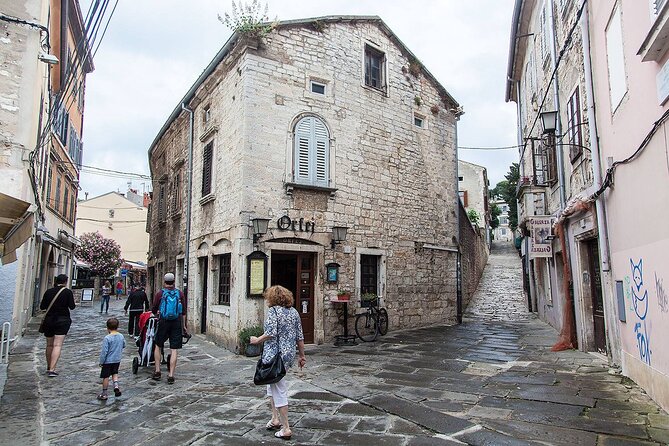
A couple of gates and arches, and suddenly Pula clicks. This 90 minute walking tour gives you a clear path through the city’s Roman roots, then jumps to later Venetian and Austrian influences, with modern Croatia in the mix too. I especially like how the stops are practical, not just postcard stops, and how the local guide keeps things moving at a human pace.
You also get named landmarks you can actually recognize later. From the Pula Arena area to the Forum and the Temple of Augustus, you come away with a mental map and a handful of places to eat, drink, and hang out once you finish the walk. That makes the tour feel like orientation, not homework.
One drawback to plan around: the Pula Amphitheater is only seen from the outside, and entrance tickets for anything you want to go inside are not included. If you want interior access, you’ll need a separate plan after the tour.
In This Review
- Key things that make this tour worth your time
- 90 minutes to understand Pula, not just see it
- Tito’s Park meeting point: get oriented before you hit the old streets
- Pula Arena from the outside: why you still stop here
- Twin Gate and Gate of Hercules: the city’s Roman signals
- Arch of the Sergii and Ulica Sergijevaca: follow the street logic
- Forum and Temple of Augustus: where empire meets everyday scale
- Riva and Pula Cathedral: a later-day turn toward modern life
- The best part after the walk: food, drink, and nightlife ideas
- Guide quality: why people keep praising the storytelling
- Price and value for Pula Essentials Walking Tour
- Who this tour is best for
- Should you book Pula Essentials Walking Tour?
- FAQ
- How long is the Pula Essentials Walking Tour?
- Where does the tour meet?
- Is the tour in English?
- Is the Pula Amphitheater included?
- Do I need to buy entrance tickets for sights on the route?
- Is the tour wheelchair accessible?
- Can I join if I book alone?
- Is there a private group option?
- What if I need to cancel?
Key things that make this tour worth your time

- A tight 90 minute format that still covers Roman, Venetian, and Austrian layers without dragging
- A real orientation walk to help you navigate Pula’s old center with confidence
- Landmarks with names, including the Twin Gate and the Gate of Hercules
- Forum stops plus Augustus details, so you understand what you are looking at
- Sunset style pacing on the Riva, useful if you want an evening start
- Local food and nightlife tips, so you know what to do after the tour ends
90 minutes to understand Pula, not just see it
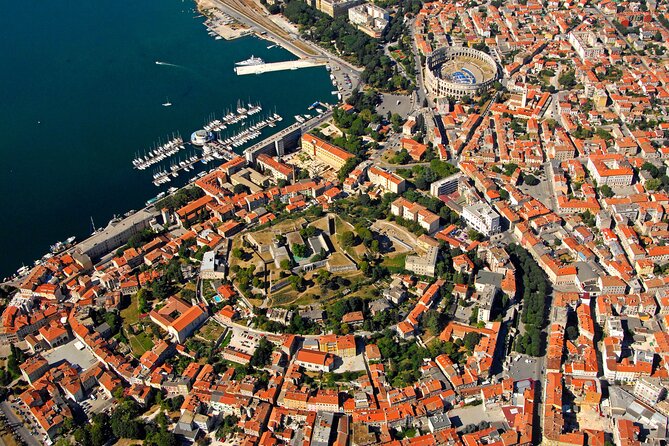
Pula can feel like a city made of stone and stories. This walking tour helps you stitch those stories together by linking what you see on the street to the eras that shaped the place. In 90 minutes, you get enough context to walk around on your own afterward without feeling lost.
The tempo matters here. You are not rushing, but you are also not stuck in one spot for ages. That balance is especially helpful if you have limited time in town, or if you want to get your bearings before dinner and sunset plans.
At this price point, the value comes from what you leave with. You are paying for a guide’s explanation, a clear route, and local suggestions for your next moves, not for ticketed museum time.
Tito’s Park meeting point: get oriented before you hit the old streets
You start at Tito’s Park, at the top of the park. The meeting point is right across the street from the big Anchor, and you are meant to look for a cast model of the city with a tiny fountain.
This is a smart start because it sets you up away from the busiest lanes. Before you hit the compact historic center, you get a quick orientation beat, and you begin to understand where the main landmarks sit in relation to each other.
Tip for making the start easy: show up a bit early and stand near the cast model feature. It is the kind of detail that prevents that annoying late scramble, especially if you are navigating in a new city.
More Walking Tours in Pula
- Pula: Historic Walking Tour with Local Guide & City Views★ 4.8 · 214 reviews
- Pula walking tour★ 5.0 · 96 reviews
- Pula: Historic Sites Guided Walking Tour★ 4.8 · 78 reviews
Pula Arena from the outside: why you still stop here
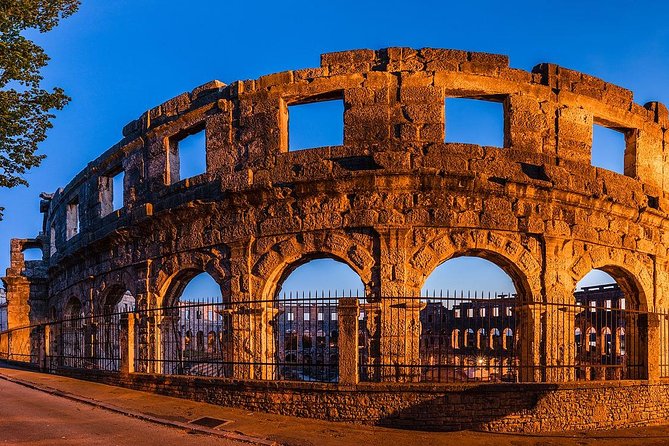
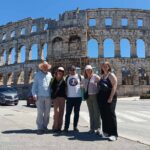
You see the amphitheater area early, and the guide brings you right to the right vantage points. The Pula Arena is described as about 2000 years old, and even from the outside, it is a powerful sight.
Why this stop works, even without entering: the amphitheater is one of the anchors of Roman Pula. Once you understand its scale and role, it changes how the rest of the old town makes sense. You start to see how Romans planned movement, crowds, and public space in a way you can still read today.
You also get photo opportunities. If your goal is to capture the arena’s facade and the surrounding urban texture, this tour does that without forcing you into lines or separate tickets.
Twin Gate and Gate of Hercules: the city’s Roman signals
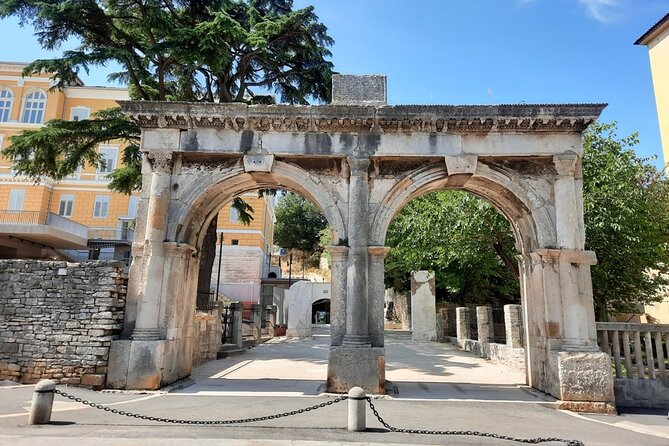
After the arena, you move through gates that function like historical punctuation marks. The Twin Gate is a standout because it is simple to spot, and the guide’s explanations make it more than a decorative arch. You start recognizing how Roman entryways worked, and why gates were strategic as much as symbolic.
Next is the Gate of Hercules. Even if you do not know the myth details yet, the naming and the placement give you a clue that these structures were meant to communicate power and identity. In other words, they are not just old stone, they are signage from the past.
Practical note: this part of the walk is steady, mostly on footpaths through the old quarter. Comfortable shoes matter, especially if your day includes other sightseeing after the 90 minutes.
Arch of the Sergii and Ulica Sergijevaca: follow the street logic

You then pass to the Arch of the Sergii and along Ulica Sergijevaca. This sequence is valuable because it shifts you from monuments to the street framework. You get a sense of how a Roman city was designed for movement, display, and neighborhood life.
The Arch of the Sergii is the kind of structure that can be overlooked if you only glance. When someone local points out what you should notice, it becomes a lot easier to see the details that connect the city’s story to its physical layout.
Ulica Sergijevaca, meanwhile, is where the tour feels like walking through a working city center. You stop, look, and connect the architecture to the streets you will keep walking even after the guide finishes.
More marble lanes taken slowly:
- Pula Essentials Walking Tour
★ 5.0 · 62 reviews - Pula Private Walking Tour
★ 5.0 · 32 reviews - Pula Food Walking Tour
★ 4.5 · 22 reviews - Pula: Old Town Walking Tour for Foodies with Dinner and Wine
★ 4.6 · 18 reviews
Forum and Temple of Augustus: where empire meets everyday scale
The tour reaches the Forum next, and then you get a short but focused look at the Temple of Augustus, Pula. This is one of the most important sections because the Forum area helps you understand how Roman public life was organized.
If you have ever wondered why ancient cities can feel confusing at street level, this is the answer. Places like the Forum are built for gathering and for civic messaging. Seeing it with a guide’s framing makes the space feel legible instead of random.
The Temple of Augustus stop is brief, but it is also a quick payoff point. You learn enough to notice what stands where and why an emperor figure relates to how the city presented authority.
Riva and Pula Cathedral: a later-day turn toward modern life
The tour continues toward the Riva, with a sunset style finish. Even if you time it differently, this stop is still useful because the waterfront area changes the mood of the walk. You shift from stone corridors and civic spaces to the feeling of a city that breathes with the day.
From there, you visit Pula Cathedral. This is where the tour’s later layers come into view. The guide’s storytelling connects earlier eras to the centuries that followed, including Austrian and Italian influence, then forward toward modern Croatian identity.
This section is a good reminder that Pula is not stuck in the Roman past. The city keeps adding chapters, and the architecture helps you read them.
The best part after the walk: food, drink, and nightlife ideas
One of the most practical benefits is that the guide points you toward places to eat and drink. You also get advice on nightlife and additional things you can do in the local and wider area.
This is where the tour becomes more than a history stroll. If you are arriving for a short stay, local recommendations can save you time and prevent dinner disappointment. You leave knowing what kind of evening to aim for, not just what time the Cathedral is open.
If you like to plan light, this tour fits well because it gives suggestions you can adjust on the fly. You are not locked into a schedule after 90 minutes. You can still wander, but you do it with a better plan.
Guide quality: why people keep praising the storytelling
Across the board, the guides are the reason this tour earns such high marks. In particular, names like Stefano and Ana show up repeatedly, with praise focused on clear explanations, friendliness, and answering questions in a way that keeps the walk engaging.
You can also tell the guides work to hit a sweet spot in pacing. Several comments highlight that the flow feels right, not too slow, not too rushed, and that the guide can handle follow-up questions without shutting people down.
One more thing: because this is an English only public group tour (with private group availability), you get a consistent experience in how information is delivered. If you want a structured orientation without language stress, that matters.
Price and value for Pula Essentials Walking Tour
At $34 per person for a 90 minute walking tour, the cost is low enough to treat as a smart first-day investment. You are paying for a certified guide and a route that takes you across a concentration of major landmarks, while also adding practical local suggestions.
What you should mentally subtract from that value: the amphitheater is outside only, and entrance tickets are not included. If you specifically want to go inside major sites, you should budget extra for tickets later, or plan an alternate day for that.
Still, for most people, the math works. You get a guided framework to interpret what you see, plus local advice that extends your value beyond the tour itself.
Who this tour is best for
I think this works especially well if:
- You are short on time and want a fast orientation before you branch out on your own
- You enjoy Roman and early European influences, but you also like later layers connecting to today
- You want a local guide to suggest food, drinks, and evening plans
- You prefer a walk that is 90 minutes, structured, and easy to fit into an afternoon or early evening
If you want a full ticketed tour with inside access at every stop, you might feel limited by the outside only amphitheater approach. In that case, treat this as the context builder, then add separate ticketed sights later.
Should you book Pula Essentials Walking Tour?
Yes, if you want a straightforward way to understand Pula’s main landmarks and leave with a plan for what to do next. The combination of named stops, a manageable 90 minute format, and practical dining and nightlife guidance makes it a strong value move for first-time visitors.
Book it particularly if you like guides who answer questions and help you connect what you see to what the city used to be. For people who hate repeating routes or want interior access only, you may prefer a different type of tour, but for most, this one is a great foundation.
FAQ
How long is the Pula Essentials Walking Tour?
The tour lasts 90 minutes.
Where does the tour meet?
Meet at the top of Tito’s Park, right across the street from the big Anchor. Look for a cast model of the City with a tiny fountain.
Is the tour in English?
Yes, the tour is only offered in English.
Is the Pula Amphitheater included?
You only see the Pula Amphitheater from the outside. Entrance tickets are not included.
Do I need to buy entrance tickets for sights on the route?
Entrance tickets for sights seen along the way are not included.
Is the tour wheelchair accessible?
Yes, the tour is wheelchair accessible.
Can I join if I book alone?
The tour needs a minimum of two participants to take place. If you are the only person booked and the tour is still set to run one hour before it starts, you will be refunded.
Is there a private group option?
Yes, a private group is available.
What if I need to cancel?
You can cancel up to 24 hours in advance for a full refund.
Latest arrivals logged at Pula






Walking Tours, compared.

Walking Tour of Split and Diocletian’s Palace
Read our review →
Krka Waterfalls tour with Trogir Walking tour and Krka panoramic boat cruise
Read our review →
City Walls Early Morning or Sunset Walking Tour
Read our review →Browse the lists this tour appears in