
Reviewed · MUSEUMS
Split: Museum of Illusions Entrance Ticket
Illusions mess with your eyes fast. Split’s Museum of Illusions turns you into the lab rat, with rooms designed for optical and sensory challenges. I love the hands-on exhibits that make you question what you see, and I especially liked the big-and-small photo setup that lets you frame yourself in a truly awkward way. One drawback to plan for: captions are listed only in English, German, Italian, and Croatian, so French explanations may be limited.
The ticket is simple: you show your voucher at the museum’s main entrance and you’re in for one day of play. You’ll move through an assortment of visual tricks and then hit the more kid-friendly corners, where games and puzzles add a different kind of fun.
Plan about a day if you want to slow down. Also note that unaccompanied minors are not allowed, so if you’re bringing kids, make sure they have the right supervision.
In This Review
- Key things I’d bet you’ll remember
- Buying the ticket and walking in at the main entrance
- First rooms: the museum’s style of “try this, then question it”
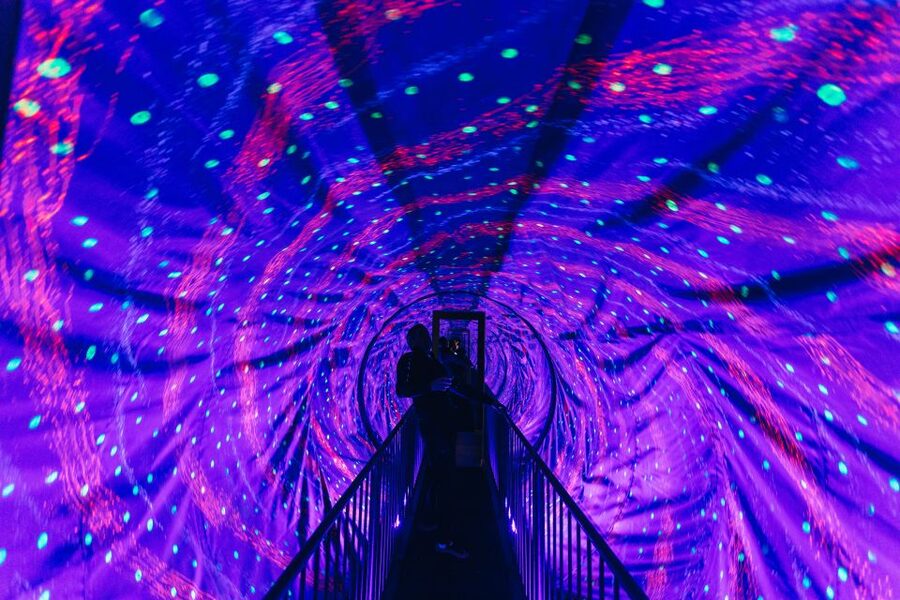
- The illusion highlights: water uphill, gravity tricks, and scale games
- Mirror maze and tricky staging: where your brain loses the map
- The ceiling and gravity-puzzle moments
- How the playrooms and puzzle areas fit in
- Captions and language support you should plan around
- Practical value: is $14 a good deal?
- Who should book this Museum of Illusions ticket
- Should you book the Museum of Illusions Split ticket?
- FAQ
- How much is the Museum of Illusions Split entrance ticket?
- Where do I show my voucher?
- How long is the ticket valid?
- What’s included with the ticket?
- What languages are available for captions?
- Can I bring a camera?
- Is the museum wheelchair accessible?
- Are unaccompanied minors allowed?
- Are service animals permitted?
- Is there an option to pay later or cancel?
Key things I’d bet you’ll remember
- Mind-bending rooms that mess with your sense of scale and motion
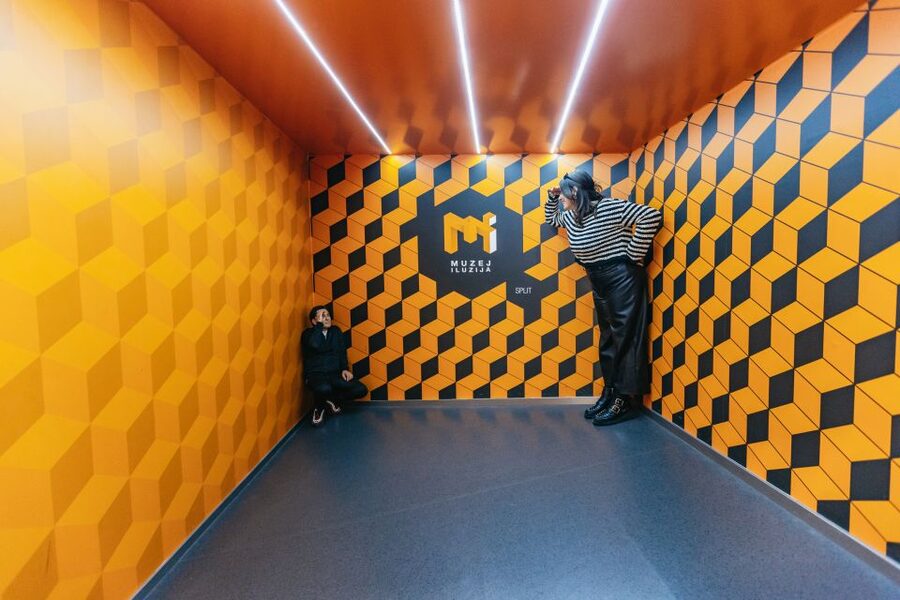
- Photo moments where perspective makes you look bigger, smaller, or just plain wrong
- Props and staged scenes like mirror mazes and odd-but-fun installations
- A playroom break with games and puzzles that keep things light
- Caption support in English, German, Italian, and Croatian
Buying the ticket and walking in at the main entrance
This is one of those attractions where timing matters less than just getting through the door. Your entrance ticket is valid for one day, and you’ll show your voucher at the museum’s main entrance. Pre-booking helps you avoid that last-minute scramble, especially if you’re in Split on a tight schedule.
The museum is run by a host or greeter who can help in English and Croatian, which is handy if you have questions about where to start. The experience is set up so you do not need a guided tour to enjoy it. Your job is mostly to look, test, and then look again.
At about $14 per person, it’s priced like an entry attraction, not a half-day tour. The value comes from the fact that you’re not just watching illusions, you’re interacting with them and getting photos you will actually want to keep.
First rooms: the museum’s style of “try this, then question it”
Right as you enter, the tone is playful but smart. You are surrounded by installations that target how vision works, how the brain fills in gaps, and why your perception is not the same thing as reality. If you like science-y explanations but do not want a lecture, this place hits a sweet spot.
Expect short stops with lots of visual feedback. A common pattern is: you see something impossible, you try it, you take a photo, then you realize the illusion is not random. It’s using light, angles, symmetry, perspective, or expectation.
If you prefer quiet museums with long lines of text, this may feel too hands-on. But if you want an experience that gets you moving and making choices, you’re in the right place.
More Croatian rooms out of the sun:
- Blue Lagoon & Underwater Museum from Split with Lunch & Drinks★ 4.5 · 1,122 reviews
- SPLIT-PREMIUM Emperor’s Walking Tour for History Lovers + Museum★ 5.0 · 333 reviews
- Split: Klis Fortress GOT and Olive Museum Entry Tickets★ 4.6 · 283 reviews
The illusion highlights: water uphill, gravity tricks, and scale games
The museum leans hard into the idea that physics and optics can team up to confuse you. One of the headline concepts is a room where water flows uphill, which sounds like a prank until you’re standing there trying to make sense of it. Another major theme is scale, including moments where you and your friends can look grow or shrink right before your eyes.
These parts matter because they train you to spot the shortcuts your brain uses. Your eyes see signals, but the brain decides what the signals should mean. When that decision-making gets nudged by clever design, you get that great moment where you feel fooled and also oddly grateful.
Bring a camera. This is not the type of museum where your best photos happen by accident. You’ll want to position yourself, then re-position, then try again from a slightly different angle. The scale rooms are especially photo-friendly because the illusion is obvious in an image even when it is confusing in real time.
Mirror maze and tricky staging: where your brain loses the map
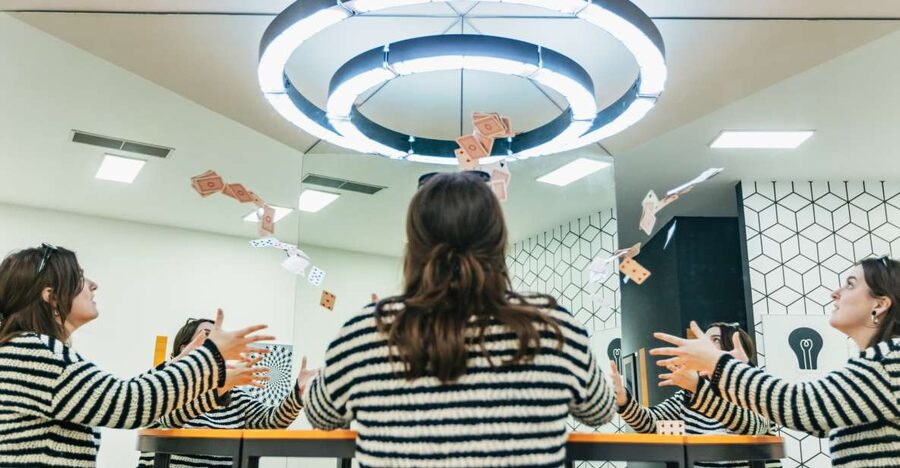
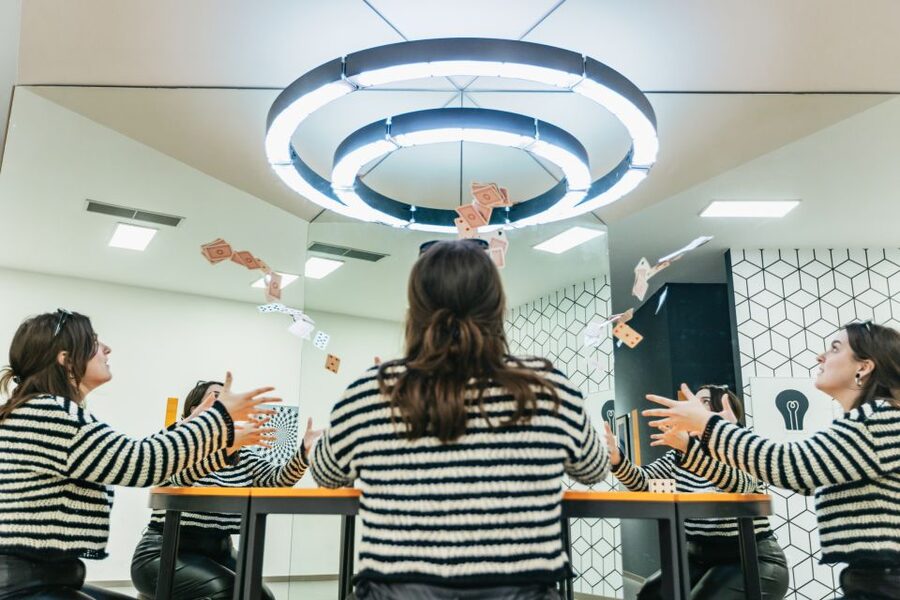
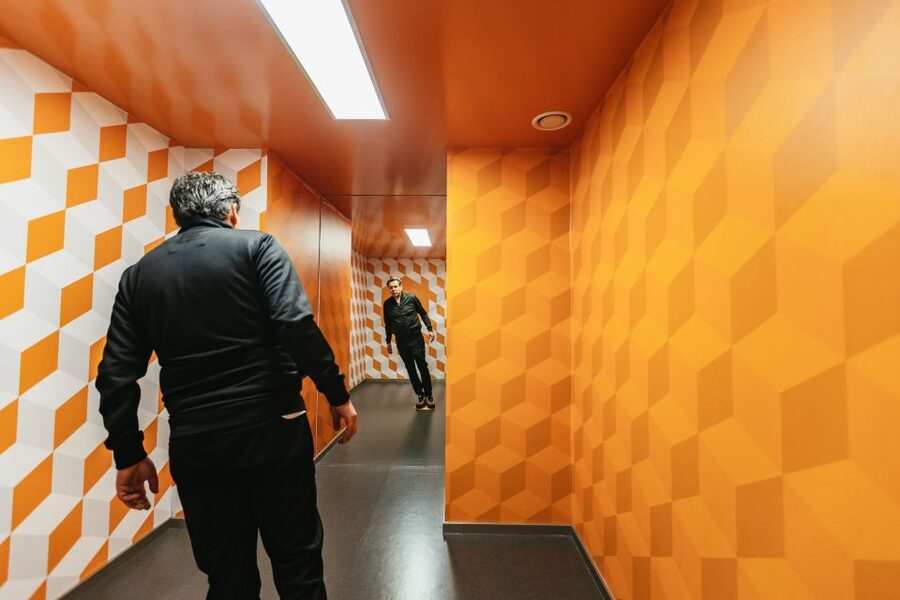
If you like optical chaos with clear payoff, the maze of mirrors is a major stop. It’s the kind of room that makes navigation feel slippery, because depth cues and reflections stop agreeing with each other. You’ll likely find yourself turning around to confirm what you just saw, then realizing the room has already shifted the answer.
This kind of installation is more than a gimmick. Mirror puzzles show how much of “space” is interpretation. Your brain stitches together what it expects, and when the expected pattern breaks, you feel it immediately.
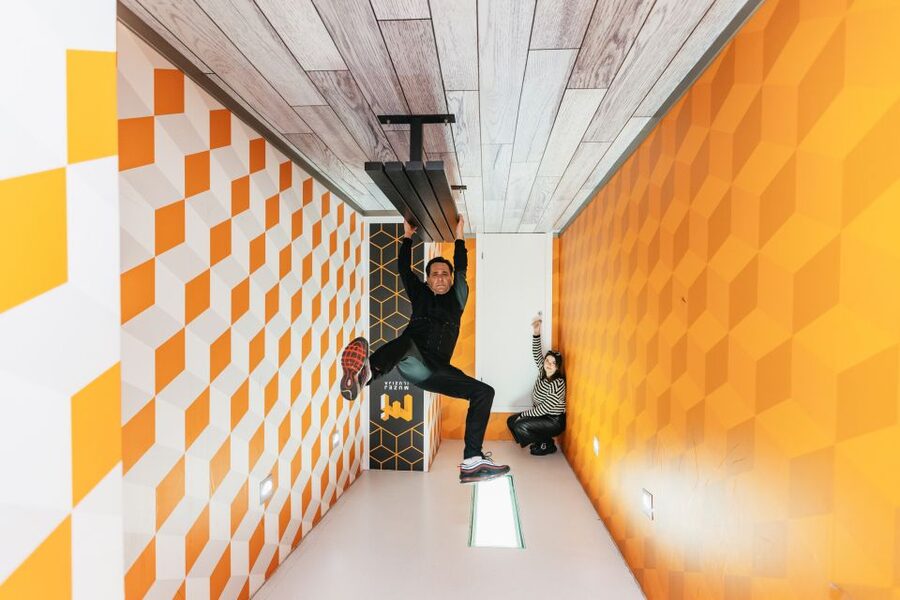
There are also odd, staged scenes that test your ability to keep your perspective consistent. Think of installations like serving somebody’s head on a tray, or climbing onto surfaces that seem designed to mess with where “up” is. These are the moments that make good photos, but they also make you laugh at your own certainty in a harmless way.
The ceiling and gravity-puzzle moments
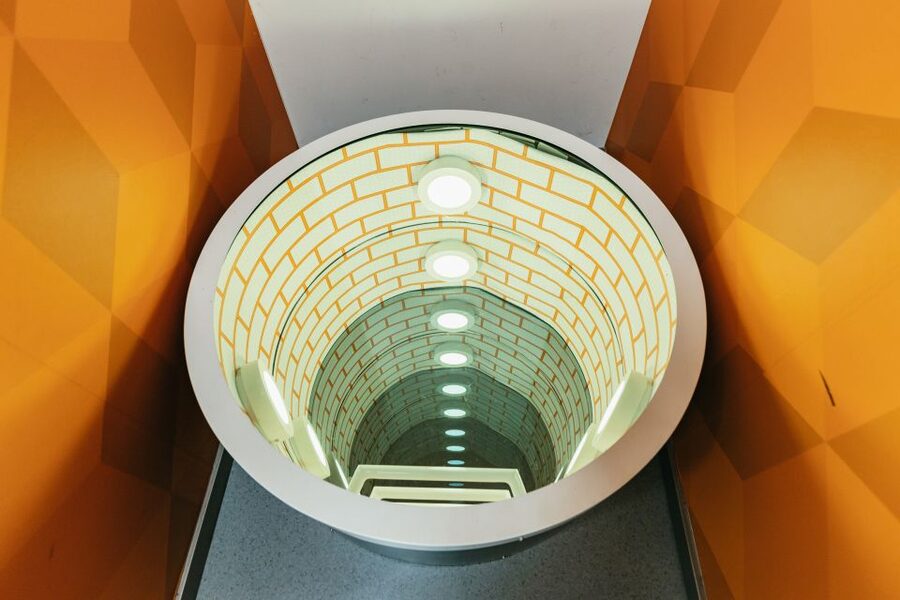
One of the most entertaining concepts is the opportunity to climb up onto the ceiling as part of the illusion experience. That sounds like pure play, and it is, but it also highlights why your sense of gravity depends on context. Your body expects certain relationships between body position and the room.
When you can physically change your viewpoint, the illusion becomes more than something you look at. It becomes something you participate in, and that is why the museum feels different from a standard “walk-through” attraction.
A practical tip: wear comfortable shoes. You will be moving, leaning, stepping, and adjusting for photos. If you are prone to slipping in socks, switch to sneakers or shoes with grip.
Still riding at anchor off Split
- Split: Krka Waterfalls Trip with Boat Cruise and Swimming
★ 4.8 · 10,519 reviews - From Split: Krka Waterfalls, Food & Wine Tasting Tour
★ 5.0 · 9,326 reviews - Blue cave, Mamma Mia and Hvar, 5 islands speedboat tour
★ 5.0 · 7,150 reviews - From Split: Krka Waterfalls, Food & Wine Tasting Tour
★ 4.9 · 6,598 reviews
How the playrooms and puzzle areas fit in
Not every part of the museum is about big visual spectacle. The experience also includes playrooms with educational games and puzzles. This is where the museum adds pacing, especially if you have kids with you or if you want a break from the intense visual trickery.
The games and puzzles are a smart match for the theme. Illusions teach perception in a hands-on way, and puzzles let you practice similar mental skills in a more familiar format. You get the “wait, what?” moment, then you get to follow through with something that feels more like a challenge than a trick.
If you’re visiting as a group, these playrooms are also useful for letting different interests coexist. One person can chase a photo moment, and another can enjoy a puzzle corner without the whole visit turning into a tug-of-war.
Captions and language support you should plan around
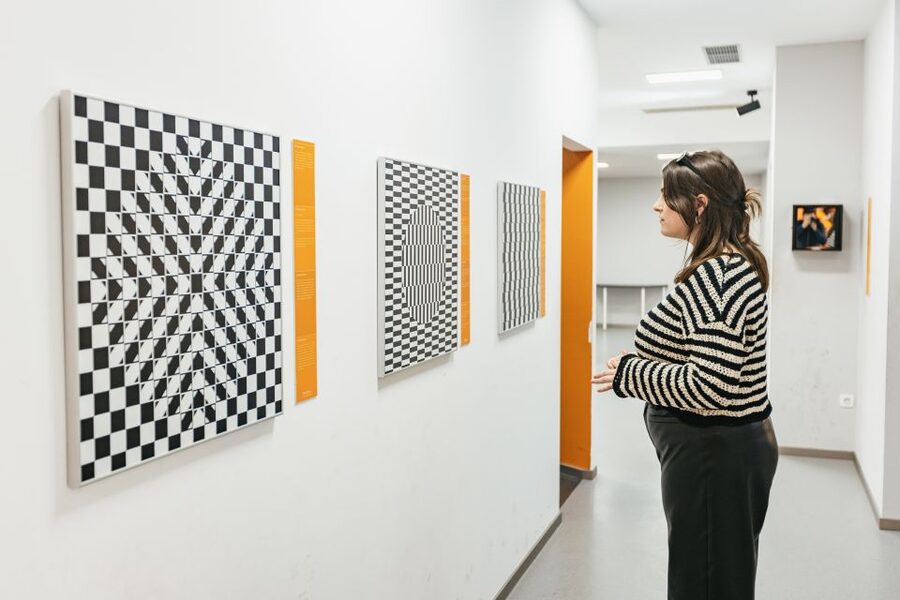
The museum offers captions in English, German, Italian, and Croatian. That means you should be able to follow the main idea of many installations, even if you do not speak Croatian. It also explains why someone who wanted French might feel disappointed, since French is not listed among supported caption languages.
If you do not read any of those languages comfortably, do not panic. A lot of what you experience is visual and physical. But for the science angle, captions are helpful, and they can make the illusions feel less random and more logical.
Practical value: is $14 a good deal?
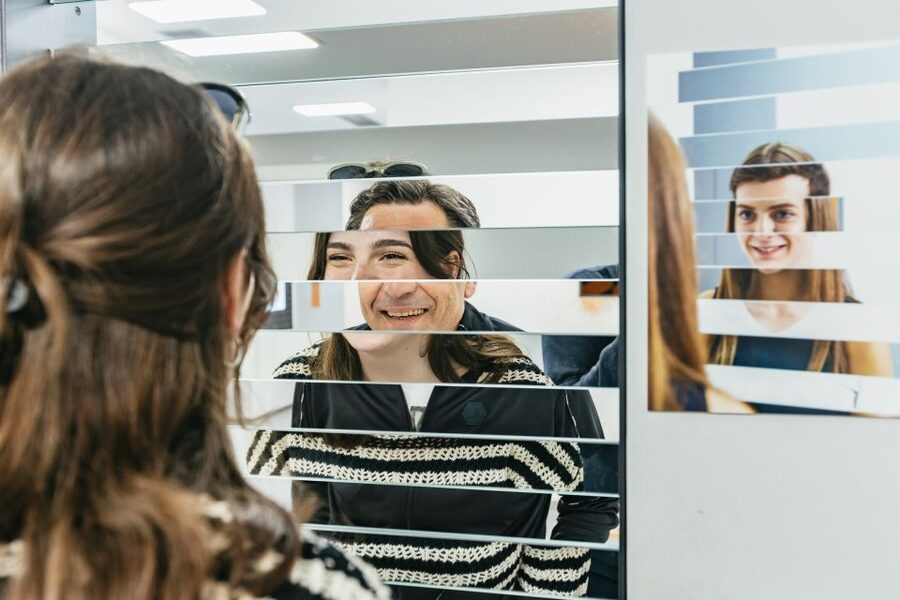
At roughly $14 per person, this is a budget-friendly activity compared with many paid attractions in major tourist areas. It earns its price by giving you a full day of short encounters, not one long show. You can also slow down and repeat sections for photos, which stretches value in a way that pure entertainment tickets often cannot.
Also, the included entrance ticket setup is straightforward. There are no complicated add-ons described, just access to the exhibits and play areas. If you like interactive experiences, you will likely feel the cost is justified quickly.
If you hate crowds or you prefer calm spaces, the hands-on nature could feel less “worth it.” But if you want something you can actively test with your senses, this is a very easy yes.
Who should book this Museum of Illusions ticket
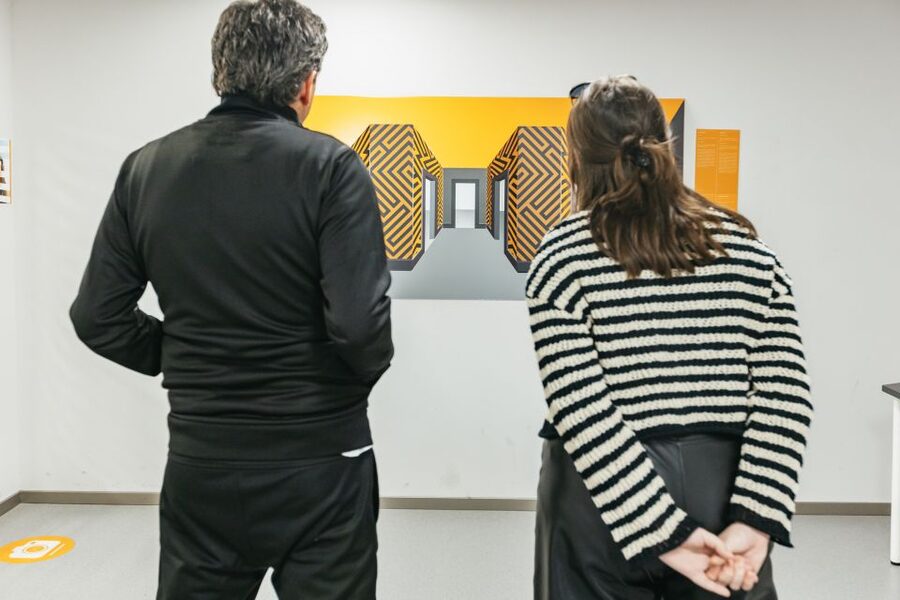
This is best for people who enjoy interactive, playful learning. I think it works great for families, especially because the museum includes playrooms with games and puzzles. It can also be a fun stop for couples or friend groups, because the illusion moments naturally produce photos and inside jokes.
It is less ideal if you want deep guided interpretation, since the information is caption-based rather than described as a narrated tour. Also, if you are traveling with young kids, remember that unaccompanied minors are not allowed.
Should you book the Museum of Illusions Split ticket?
Yes, if you want a low-stress, one-day activity that is fun and hands-on. You’ll get a mix of optical illusions, photo-friendly scale and perspective tricks, plus puzzle playrooms to break up the spectacle. The price is moderate, and the overall format is easy to fit into a day in Split.
Maybe skip if language captions in English, German, Italian, or Croatian do not work for you, or if you dislike interactive spaces. If you prefer quiet museums with minimal touching and minimal moving around, you might find this place more chaotic than comfortable.
Either way, bring a camera. This is the type of visit where the best souvenir is often the photo you take while you’re trying to figure out how reality got bent.
FAQ
How much is the Museum of Illusions Split entrance ticket?
The price is $14 per person.
Where do I show my voucher?
Show your voucher at the museum’s main entrance.
How long is the ticket valid?
The ticket is valid for 1 day. You can check availability for starting times.
What’s included with the ticket?
The entrance ticket is included.
What languages are available for captions?
Captions are available in English, German, Italian, and Croatian.
Can I bring a camera?
Yes. It says you should bring a camera.
Is the museum wheelchair accessible?
Yes, the museum is wheelchair accessible.
Are unaccompanied minors allowed?
No, unaccompanied minors are not allowed.
Are service animals permitted?
Yes, service animals are permitted.
Is there an option to pay later or cancel?
You can reserve now and pay later. Free cancellation is available up to 24 hours in advance for a full refund.
Latest arrivals logged at Split



Museums, compared.
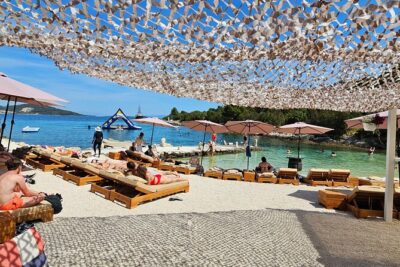
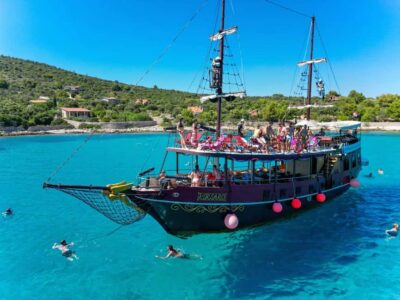
Blue Lagoon & Underwater Museum from Split with Lunch & Drinks
Read our review →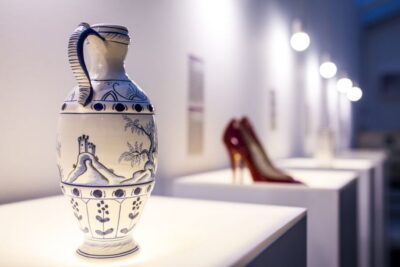
Skip-the-Ticket-Line Museum of Broken Relationships
Read our review →
Blue Lagoon Underwater Museum Tour w/Lunch & Drinks
Read our review →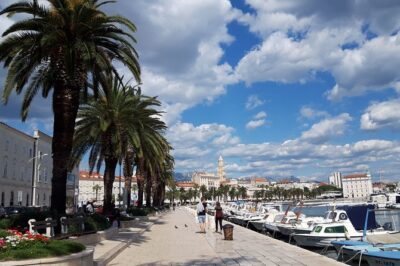
PREMIUM Emperor’s Walking Tour for History Lovers + Museum
Read our review →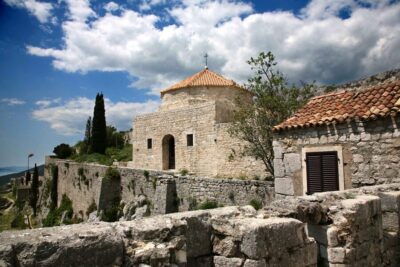
Klis Fortress GOT and Olive Museum Entry Tickets
Read our review →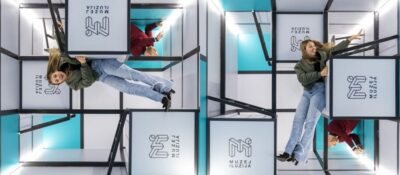
Browse the lists this tour appears in