
Reviewed · MUSEUMS
Zagreb: Museum of Illusions Entrance Ticket
A room full of optical tricks sounds simple, then it starts messing with your senses. At Zagreb’s Museum of Illusions, I like the sheer variety, from 70+ exhibits to the big hologram exhibition. The drawback is real too: some areas feel a bit repetitive, and when it’s crowded the flow can feel messy, especially around kid hotspots.
If you want a science-leaning break that still feels like a playful detour, this works well. I also like how many of the installations are built for grabbing a quick photo before the illusion disappears on you. Just know the museum is not set up for wheelchair users.
In This Review
- Key things to know before you go
- Tickets, timing, and where you go in Zagreb
- What you’ll actually do inside the Museum of Illusions
- The big attraction, holograms that feel oddly real
- The physics-play rooms, uphill water and moving perception
- Mirror maze energy, and why crowds can change the experience
- “Serve somebody’s head on a tray” and other cinematic illusions
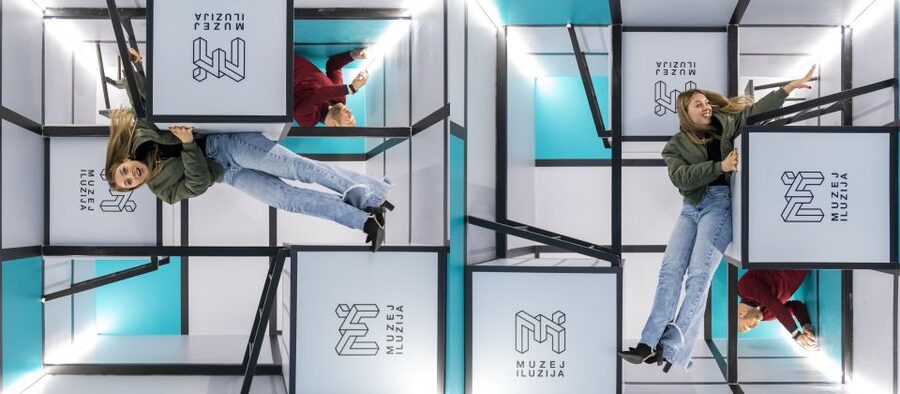
- Defy gravity, including the chance to climb onto the ceiling
- The Rotated Room, your final photo moment
- Playroom time, games and puzzles that explain without lecturing
- Captions and languages, so you get the science part too
- Rules that affect your visit style
- Mobility and who should consider this museum
- Price, value, and how to get the most for $14
- The crowd reality, and how to keep it fun
- Should you book Zagreb’s Museum of Illusions?
Key things to know before you go
- 70+ exhibits means you are not doing one gimmick, you are doing dozens of experiments
- One of Europe’s largest hologram exhibitions is a top stop for first-timers
- Photo-forward rooms like the Rotated Room make your visit easy to remember
- Expect optical and sensory illusions designed to explain how the brain fills in gaps
- Some exhibits can feel repetitive, so pace yourself instead of sprinting
Tickets, timing, and where you go in Zagreb
This is a straightforward entrance-ticket experience. You pre-book your slot, then show your voucher at the museum’s main entrance to get in. The ticket is valid for one day, so you’re not locked into a multi-day schedule.
Because the experience is self-paced, timing matters more than you might think. If you go at a busy hour, you may spend extra time waiting for people to move through popular installations. I’d aim for a time when you can still take your time at each exhibit without feeling rushed.
The price is $14 per person for a full entry ticket. For that money, you’re buying access to a large set of interactive rooms, including the standout hologram hall. In other words, this is value through quantity, not through guided storytelling.
What you’ll actually do inside the Museum of Illusions
Think of the museum as a walk-through of challenges for your eyes and brain. The exhibits are designed around perception, like how your eyes deliver information and how your brain turns that information into a story. Some rooms feel like pure fun, then you notice the educational part right after, because you’re asked to look carefully and compare what you expect with what you see.
Your mission is simple: slow down. Most of these illusions work because you react too fast. If you give yourself a few extra seconds in front of each installation, the explanation starts to click.
More Croatian rooms out of the sun:
- Zagreb: Skip-the-Ticket-Line Museum of Broken Relationships★ 4.5 · 847 reviews
- Zagreb: Nikola Tesla Technical Museum Ticket★ 4.5 · 520 reviews
- Museum of Illusions Zagreb★ 4.0 · 197 reviews
The big attraction, holograms that feel oddly real

One of the biggest reasons to come is the major hologram exhibition, described as one of the largest in Europe. Even if holograms sound like a modern tech thing you already know, this room is built to make you question what you’re seeing in real time.
Plan to spend extra time here. Holograms can look convincing, but the illusion often depends on your angle, distance, and how your attention shifts. If you take a quick photo and move on, you might miss the moment your brain tries to resolve the image.
The physics-play rooms, uphill water and moving perception
You’ll see hands-on style illusions like a room where water flows uphill, plus other displays where size and motion seem to change. These are the type of exhibits that are fun with friends because you can each watch the same effect and compare your reactions.
What makes these installations worth your time is that they don’t just show an image, they make you confront the mismatch between expectation and reality. When something behaves in a way that looks impossible, it forces your brain to reconsider its assumptions, which is the whole point of the museum’s concept.
Mirror maze energy, and why crowds can change the experience
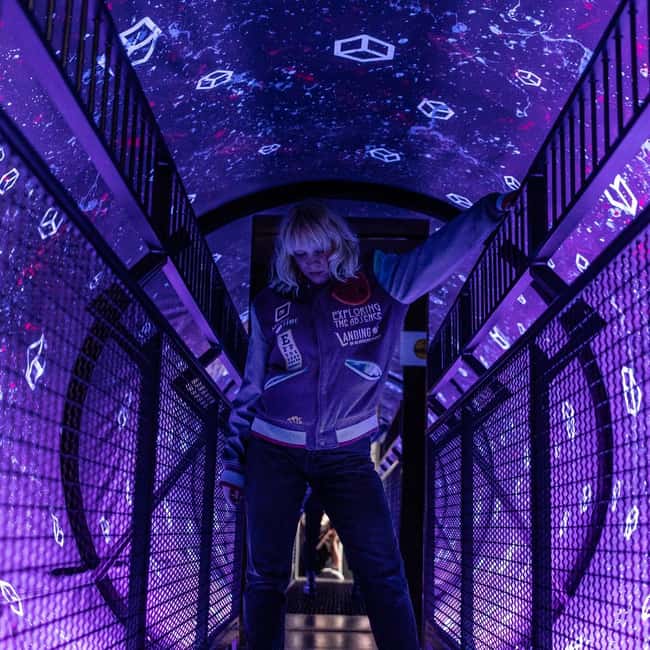
There’s a maze of mirrors, the kind that turns your sense of direction into a suggestion. This is where you get that great group-photo vibe, because you can frame funny angles while the reflections multiply.
But here’s the practical consideration: in busy periods, mirror mazes can become slow and crowded. One review note flagged a lack of a clear path when there are lots of people and kids. That feedback matches what you should expect from a space built for wandering.
My advice: go in with a loose plan. Pick a couple of priority rooms first, then give yourself freedom after. If you try to see everything in one straight line, you may feel frustrated instead of playful.
Still riding at anchor off Zagreb
- From Zagreb: Plitvice & Rastoke Guided Day Trip with Ticket
★ 4.9 · 2,955 reviews - Zagreb: Rastoke & Plitvice Lakes Guided Tour with Ticket
★ 4.9 · 1,897 reviews - Communism & Croatian Homeland War Tour
★ 5.0 · 1,355 reviews - Zagreb: City and WWII Tunnels Walking Tour
★ 4.9 · 1,230 reviews
“Serve somebody’s head on a tray” and other cinematic illusions
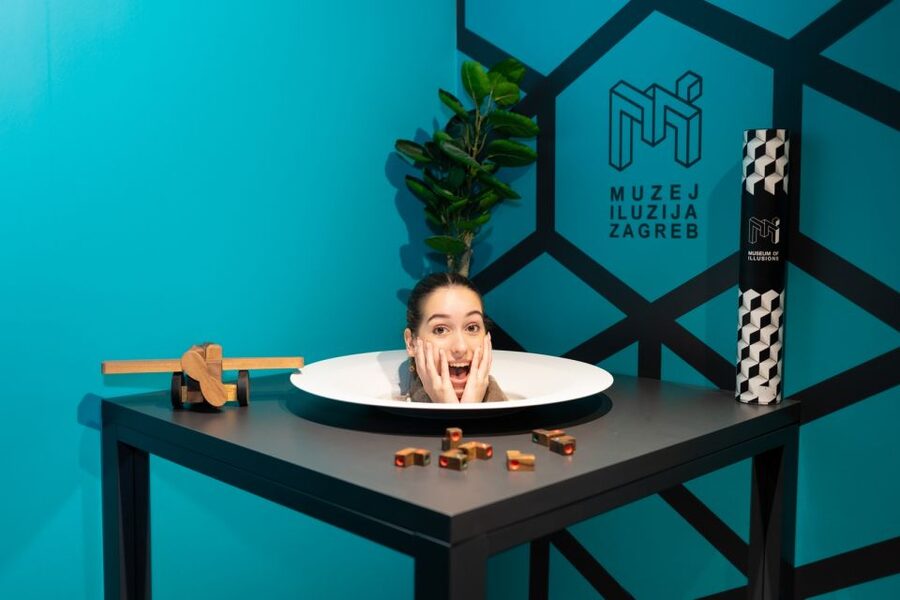
You’ll find installations that are more theatrical, like the idea of serving somebody’s head on a tray. This type of exhibit is all about surprise. You walk in thinking it will be a typical optics lesson, then a quirky visual scene makes you laugh and then take a step back to figure out how it works.
Expect these rooms to be high-interest for camera users. The point is the instant reaction. If you’re traveling with kids, this category of exhibit is often the fastest way to get everyone engaged, because it’s visual first and instructional second.
Defy gravity, including the chance to climb onto the ceiling
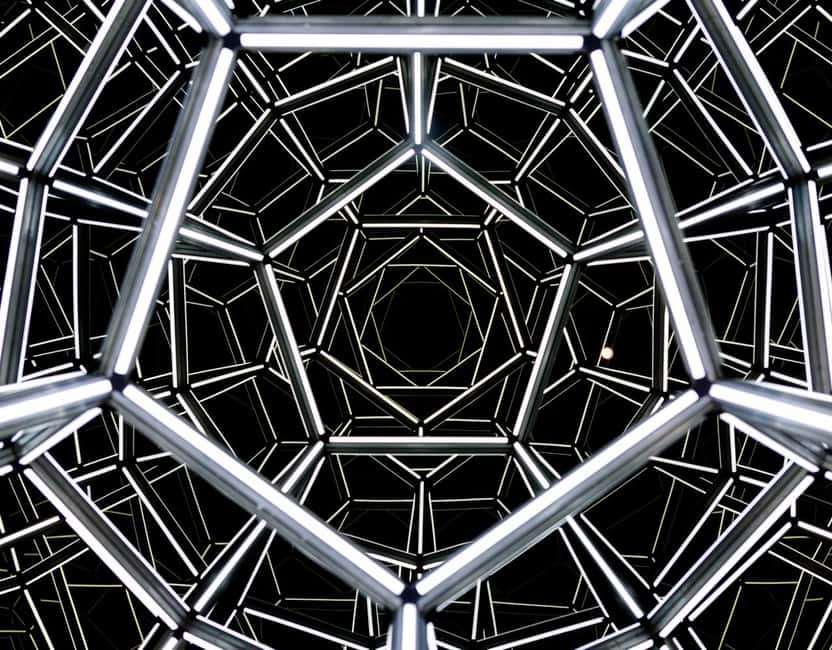
Some installations play with impossible angles, including a setup where you can climb up onto the ceiling. That sounds like the kind of thing you would only see in a themed show, but here it’s part of the illusion experience.
The practical angle: wear shoes that let you move confidently and take your time. You do not want to rush through a hands-on photo moment and lose the fun because you feel unsteady. This is one of those rooms where a slow, careful approach lets you enjoy the trick without turning it into a safety worry.
The Rotated Room, your final photo moment

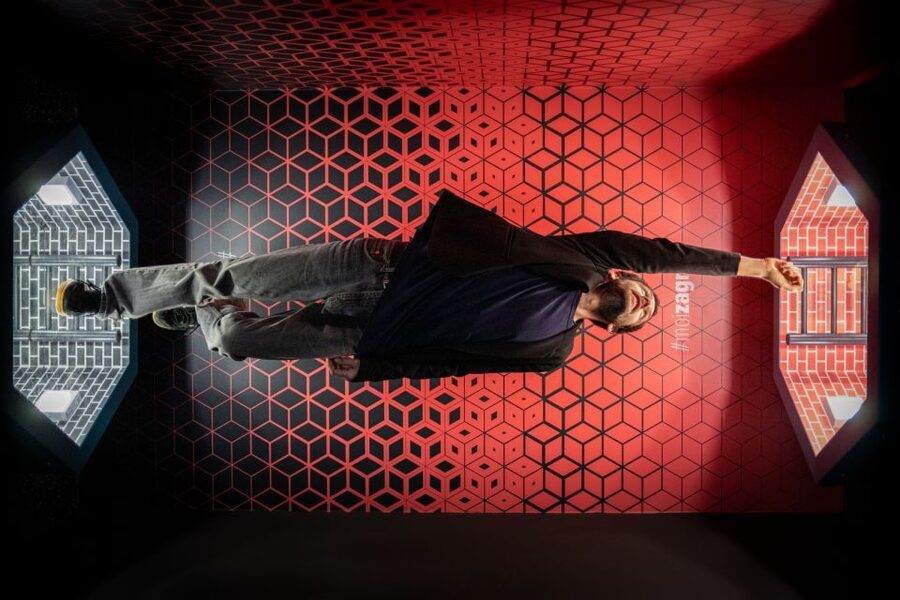
At the end of your visit, make a stop for the Rotated Room. It’s specifically mentioned as a place to take a photo of your accomplishment, which tells you the museum knows this is a signature moment.
If you love taking pictures while traveling, this is one of your easiest “I was here” memories. And if you don’t care about photos, it’s still a good capstone because it pulls the focus back to perception, your brain trying to correct a situation that looks wrong.
Playroom time, games and puzzles that explain without lecturing
There’s a playroom filled with educational games and puzzles. This section matters because the museum uses different styles for learning: some rooms are pure visual tricks, while others guide you through thinking rather than just reacting.
For families, this is often where kids slow down and participate. For adults, it’s a nice change of pace from chasing exhibits. You can treat it like a brain break, because it turns curiosity into a game.
Captions and languages, so you get the science part too
Captions are offered in English, German, Italian, and Croatian. That’s helpful because the museum’s theme is not just about tricking you, it’s about showing why you see what you see.
When you’re reading captions while you look, you start noticing patterns in the exhibits. For example, the same theme comes up across multiple rooms: it is easier to trust your eyes than to question what your brain is doing with the information.
Rules that affect your visit style
A few simple rules shape how your trip feels:
- Bring a camera, since many exhibits are made for photos.
- Pets are not allowed.
- Food and drinks are not allowed.
Service animals are permitted, and captions cover multiple languages. If you’re traveling with a group, tell everyone up front about the no-food-no-drinks rule so nobody gets surprised mid-visit.
Mobility and who should consider this museum
This museum is not suitable for wheelchair users. If mobility is a concern for your group, you may want to plan an alternative or call ahead for guidance, because the provided info does not suggest accessible routing.
Also, expect lots of standing and moving between exhibits. The museum is designed for you to get close to installations and turn around frequently.
Price, value, and how to get the most for $14
At $14 per person for a one-day entrance ticket, the best value comes from treating the museum as a series of mini-experiments. You do not need to spend forever in one room to get value, but you do want to slow down at the standout effects.
Here’s how I’d maximize the payoff:
- Start with the hologram exhibition so you do your biggest wow moment early.
- Pick two or three rooms that match your sense of fun, like mirrors, upside-down tricks, or theatrical illusions.
- Leave the Rotated Room and the playroom for later, when you want a calmer ending.
One review comment said the museum can feel a little repetitive. I’d interpret that as a sign to pace your visit. If you keep rushing, you will feel the repetition. If you take pauses and compare experiences, the repetition becomes variety, because each exhibit teaches a slightly different lesson about perception.
The crowd reality, and how to keep it fun
A common risk at interactive museums is that crowd energy can drain the experience. One review flagged that there isn’t always a clear path when there are many people and kids. That can make it feel chaotic, especially in mirror zones and photo-heavy rooms.
To counter that, don’t try to follow a single perfect line. Use the museum like a buffet:
- Take the must-do hologram room first.
- Then wander between a few high-interest exhibits.
- If a room is jammed, move to another and come back later.
This keeps the museum playful instead of stressful.
Should you book Zagreb’s Museum of Illusions?
Book it if you want a fun, photo-friendly, brain-teasing experience in Zagreb, with 70+ exhibits and a standout hologram exhibition. It’s a great match for couples who like quirky science and families who want a mix of visuals plus games in the playroom.
Skip it or think twice if you dislike crowd flow, hate repetitive formats, or need wheelchair-friendly access, since it is not suitable for wheelchair users. If you are short on time, prioritize the holograms, the mirror-based illusions, and the Rotated Room so you still leave with your best memories.
If you like interactive museums that turn perception into entertainment, this one is a solid bet for a one-day stop.
Latest arrivals logged at Zagreb







Museums, compared.

Blue Lagoon & Underwater Museum from Split with Lunch & Drinks
Read our review →
Skip-the-Ticket-Line Museum of Broken Relationships
Read our review →

Blue Lagoon Underwater Museum Tour w/Lunch & Drinks
Read our review →
PREMIUM Emperor’s Walking Tour for History Lovers + Museum
Read our review →
Klis Fortress GOT and Olive Museum Entry Tickets
Read our review →

Browse the lists this tour appears in