
Reviewed · CITY TOURS
Zadar City Tour
Zadar sings before you even enter the old town. This 2-hour walking tour is a smart way to get your bearings fast, with a certified local guide and a lineup that moves from sea-side wonders to major Zadar landmarks. I particularly love the Sea Organ, where wind and waves make the music, and I also love the guide’s clear, friendly explanations in English.
One thing to plan for: several of the most famous churches have admission not included, so you may pay extra if you want to go inside every stop. The timing is tight too, so bring comfortable shoes and keep your expectations focused on quick, high-impact viewing.
In This Review
- Key highlights you will feel right away
- Price and value for a 2-hour Zadar hit
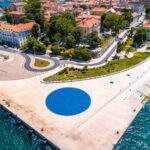
- Starting at the Greeting to the Sun on Istarska obala
- Sea Organ: the wind-made music stop
- Cathedral of St. Anastasia: what to notice fast
- Church of St. Donatus: unusual shape and strong acoustics
- Roman Forum: free context for how the city worked
- St. Simon’s Church: a free stop with a major relic
- St. Mary’s Church and Monastery, plus the Gold and Silver art exhibit
- The pacing: why this route works in 2 hours
- Group size and guide style: what makes the experience feel smooth
- Practical tips so you enjoy the full walk
- Who this tour is best for
- Should you book this Zadar City Tour?
- FAQ
- What is the duration of the Zadar City Tour?
- How much does the tour cost?
- Is the tour offered in English?
- Where do I meet the tour, and where does it end?
- What is the group size limit?
- What is included in the tour price?
- Which stops have free admission?
- What is the cancellation policy?
Key highlights you will feel right away
- Sea Organ’s wind-powered music: you see the mechanics, then hear what the sea does for free.
- St. Anastasia Cathedral inside access may cost extra: the building is a show even from outside, and interiors are worth budgeting.
- St. Donatus’ shape and acoustics: a church that sounds interesting even before you step in.
- Roman Forum for context: a free stop that explains how this city worked in Roman times.
- Small group size, up to 15: easier pacing and better chances to ask questions.
- St. Simon’s Church and St. Mary’s monastery art: a spiritual stop plus an art stop, both on the same route.
Price and value for a 2-hour Zadar hit
The tour costs $48.50 per person and runs about 2 hours. For that price, you are paying for three things that matter in old towns: guided context, a practical route that strings together key monuments, and the convenience of a mobile ticket.
What makes the value feel fair is the mix of free and paid sights. Some stops are free to enter, like the Sea Organ and the Roman Forum, so you are not paying extra on every corner. At the same time, a few big-name interiors are not included, so you should think of this as a guided walk plus optional paid entry where you want it most. If you like tours that tell you what you are seeing instead of just pointing, this one fits.
Starting at the Greeting to the Sun on Istarska obala
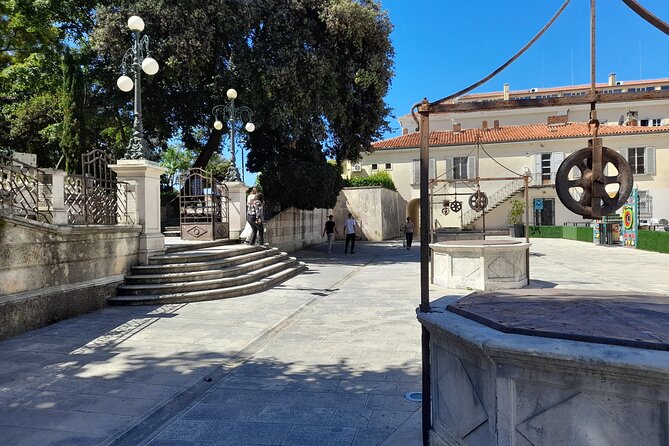
You meet at the Greeting to the Sun area on Istarska obala in Zadar. That location is a great choice because it places you near the sea-side edge of town, right where the Sea Organ story begins.
If you are arriving early, I suggest using those first minutes to get your bearings. This is not a long tour, so anything you do to reduce stress at the start pays off later when you are moving from stop to stop.
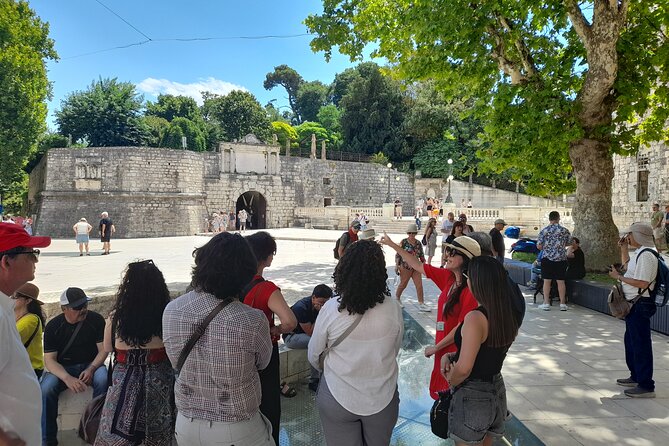
Also, the tour is offered in English, and a certified local guide runs the group. The small maximum group size helps, too. With up to 15 people, the guide can keep the pace human and your questions actually get answered.
Still riding at anchor off Zadar
- Zadar: Plitvice Lakes Guided Day Tour with Tickets★ 4.9 · 3,148 reviews
- Zadar: Island Luxury Speedboat Tour with Snorkeling★ 5.0 · 2,452 reviews
- Zadar: 3-Stop Blue Lagoon & Snorkeling Cruise with Drinks★ 4.9 · 1,621 reviews
Sea Organ: the wind-made music stop
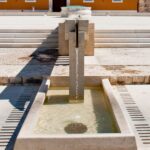
Stop 1 is the Sea Organ, one of Zadar’s most famous modern monuments. The idea is simple and brilliant: it is a sea organ powered by wind and waves, and it turns nature into a sound system.
This is one of those sights where the “what” is visual, but the “why it works” is what the guide makes clear. You get a short window, around 20 minutes, and that is enough time to watch the structure, then listen for the patterns that happen as conditions change.
Practical tip: plan to hang around the seawater side for a moment even after you hear the first notes. The sound can shift with wave rhythm and wind. Also, if it is calm out, the organ may be less dramatic. Still worth it because the design is the point, not just the loudness.
Admission is free here, which makes it easy to appreciate without worrying about extra costs.
Cathedral of St. Anastasia: what to notice fast
Next comes the Cathedral of St. Anastasia. This is described as the biggest cathedral in Dalmatia, with a Romanesque building from the 12th century. You get about 20 minutes, and the big value of this stop is knowing what you are looking at rather than just walking past.
The cathedral is monumental, and the interior is the real draw. But admission is not included, so you should decide early whether you want to pay for inside time. If you do, you will likely get more out of it, since a cathedral visit is about details, light, and space.
Possible drawback for planning: because admission is extra and the tour schedule is compact, you may feel slightly rushed if the group moves on quickly. If you care about interiors, arrive ready with a clear goal, like looking for key architectural features or simply taking in the atmosphere before the group heads onward.
Church of St. Donatus: unusual shape and strong acoustics
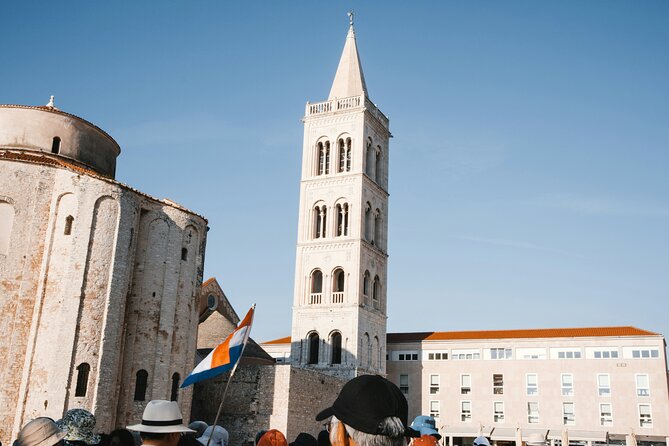
Stop 3 is the Church of St. Donatus, one of Zadar’s main symbols. Expect a quick 10-minute stop. That short timing can be enough if you know the focus: the church’s unusual shape and its acoustics.
St. Donatus is famous for how it sounds. Even if you only get to see part of the space, the guide’s context helps you understand why it matters. It is one of those monuments where the “how it was built” connects directly to what you experience.
Admission is not included, so again, consider whether you want to pay to go in fully. If you prefer exterior-only visits, you will still get something worthwhile from the shape and presence. If you want the acoustics angle, you will likely feel better spending the extra to step inside.
Two moorings down in Zadar:
- Zadar: Kornati Boat Trip with Lunch and Swim Stops
★ 4.5 · 1,498 reviews - Zadar: Plitvice Lakes with Boat Ride and Zadar Old Town Tour
★ 4.9 · 1,368 reviews - Zadar: 3 Islands Luxury Boat Tour with Aperol Spritz
★ 4.9 · 1,238 reviews - From Zadar: Plitvice Lakes with Boat Ride & Zadar Old town tour
★ 5.0 · 1,129 reviews
Roman Forum: free context for how the city worked
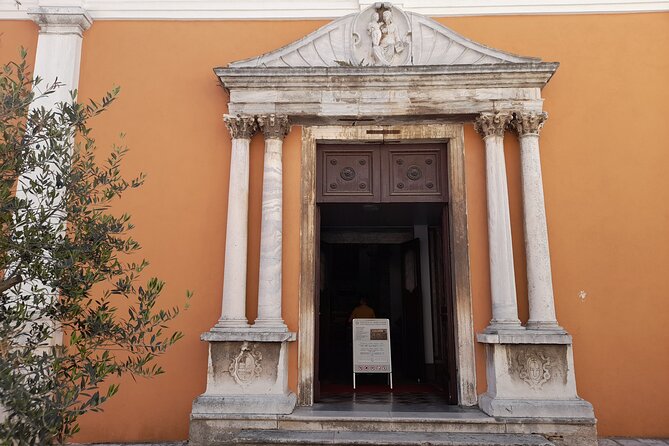
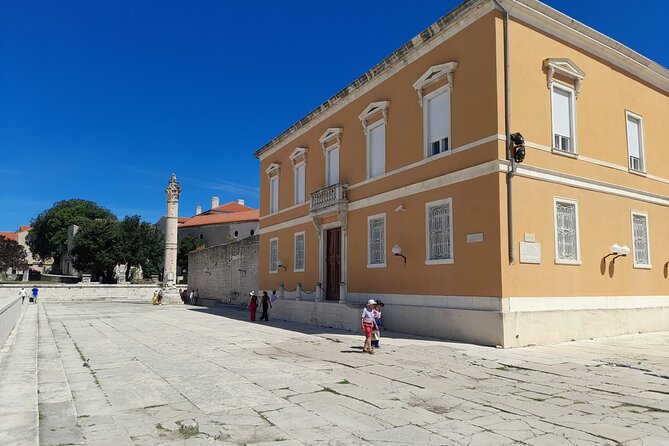
Then you move to the Roman Forum, scheduled for about 20 minutes. This is the largest forum built on the eastern side of the Adriatic, and it was the central area for everyday life in Roman Zadar.
Admission is free, which makes it a smart stop for value. More importantly, it gives you a timeline anchor. After the churches, the Roman Forum pulls you back to a different kind of power and civic life. It makes the city feel layered instead of a set of standalone monuments.
One practical note: because the stop is outdoor and time is limited, your experience depends on your attention span for ruins. If you enjoy interpreting stone layout, inscriptions, or how spaces connect, you will get more out of these 20 minutes than you might expect.
St. Simon’s Church: a free stop with a major relic
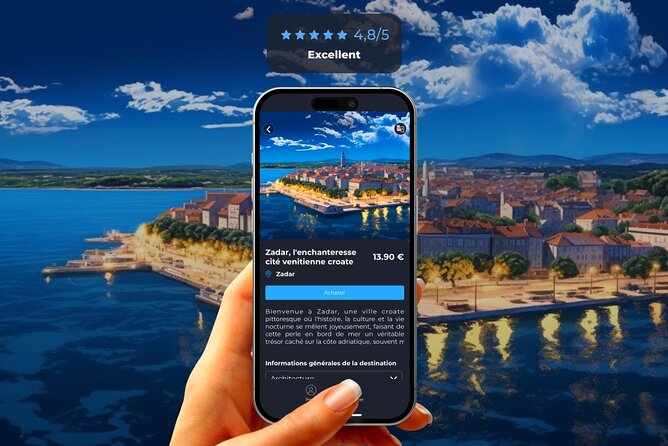
Stop 5 is St. Simon’s Church, with about 20 minutes. This stop is linked to one of the most prized artifacts in the Christian world, the body of St. Simon. Admission is free.
What makes this a meaningful stop is not only the religious significance, but also the way it fits Zadar’s long identity as a crossroads of cultures and faiths. You will likely appreciate the stop more if you are okay with a quieter, reflective moment after a couple of architectural powerhouses.
Since entry can matter here (because the relic is the focus), it helps to be mentally ready for a different tone. Keep your visit respectful, and don’t rush through because your group time is short.
St. Mary’s Church and Monastery, plus the Gold and Silver art exhibit

The last stop is St. Mary’s Church and Monastery, with about 30 minutes. This is the one that combines two appeals: a religious site plus an exhibition. Inside the monastery, you can see the Zadar Gold and Silver Church Art exhibition, held under the supervision of Benedictine nuns.
Admission is not included, and the time is longer than many earlier stops. That extra half hour matters. Instead of just seeing a highlight, you should be able to slow down enough to understand what the exhibition is showing and why it fits this monastery setting.
If you are the kind of person who enjoys art and objects as evidence of culture, you will likely come away feeling you learned something tangible. If you are more of a “quick photo and move on” visitor, the longer time can feel like it drags, but it does give you a chance to do this last stop without panic.
The pacing: why this route works in 2 hours
This tour is built like a focused sampler. Each stop is short, and the order keeps the energy moving:
- Sea Organ gives you an instant modern hook.
- Cathedral and St. Donatus cover Romanesque and pre-Romanesque landmarks.
- Roman Forum adds city-wide historical context.
- St. Simon’s shifts you into a relic-based highlight.
- St. Mary’s monastery gives you a longer final stop for an art exhibit.
The upside is that you will leave with a coherent picture of Zadar. The downside is you probably will not linger for long in any single interior unless you are efficient. If you know you want extra time inside one specific church, plan on paying attention to the schedule and deciding quickly at the start.
Group size and guide style: what makes the experience feel smooth
The tour caps at 15 travelers. That limit is not just a number. It usually means less crowding, more manageable walking, and a better chance that your questions get answered without the guide constantly repeating themselves.
The strongest praised aspect in the feedback is the local guide’s presence: friendly, very instructive, and pleasant, with explanations and facts that land. That matters because these monuments are not all self-explanatory. A good guide turns them from “I saw it” into “I get it.”
No guide name is provided in the details, but the key point is consistent: the explanations are the product, not just the route.
Practical tips so you enjoy the full walk
- Bring comfortable shoes. Old streets plus short stops means you will keep moving.
- If you want inside visits at multiple churches, mentally budget for admission not included at those stops.
- Keep your phone charged for the mobile ticket. You will use it for check-in and entry where required.
- Weather matters for the Sea Organ. Even then, the design itself is worth seeing, but music output can vary.
- Since the end point is on the peninsula at Trg pet bunara, consider where you want to go next after the tour. You may prefer food or a short additional wander near that area.
Who this tour is best for
This is a strong fit if you:
- want to see major Zadar landmarks without building a complicated self-guided route
- like guided interpretation more than independent wandering
- prefer shorter blocks of time at each stop, rather than a slow, long museum crawl
- want an English-led introduction, with a group size that stays small
It may be less ideal if you:
- want long, relaxed interior time at every church
- dislike paying extra for admissions on some stops
- prefer a purely outdoor route with no optional ticketed entries
Should you book this Zadar City Tour?
I think you should book if you want a tight, high-value overview with strong guidance. At $48.50 for about 2 hours, the mix of free sites plus the monastery art stop gives you variety without dragging you across the city. The Sea Organ alone is a standout, and the guide-focused approach is the difference between sightseeing and understanding.
Skip it or adjust expectations if you only want free entrances and you hate the idea of optional paid entries. Also, if you want to savor cathedral or church interiors for a long time, this tour’s timing is built for quick impact, not slow devotion.
If you are trying to do Zadar well in limited time, this is a sensible plan.
FAQ
What is the duration of the Zadar City Tour?
It lasts about 2 hours.
How much does the tour cost?
The price is $48.50 per person.
Is the tour offered in English?
Yes, it is offered in English.
Where do I meet the tour, and where does it end?
You start at the Greeting to the Sun on Istarska obala, Zadar. The tour usually ends at Trg pet bunara on the peninsula.
What is the group size limit?
The maximum group size is 15 travelers.
What is included in the tour price?
It includes a certified local guide and a mobile ticket.
Which stops have free admission?
Sea Organ, Roman Forum, and St. Simon’s Church are listed as free admission.
What is the cancellation policy?
You can cancel for free up to 24 hours in advance for a full refund.
Latest arrivals logged at Zadar


City Tours, compared.
City Walls Early Morning or Sunset Walking Tour
Read our review →
Dubrovnik Combo: Old Town & Ancient City Walls
Read our review →
City Walls, Old Town Walking Tour & Adriatic View
Read our review →
Hop On Hop Off Panoramic bus – Zagreb City Tour
Read our review →Browse the lists this tour appears in