
Reviewed · ZAGREB TOURS & ACTIVITIES
Istria ‘original Tuscany’ Rovinj, Pula, Hum – Tour from Zagreb
Roman walls, sea towns, and one tiny hill town.
This Istria day trip works because it pairs fast, comfortable air-conditioned minivan travel with hands-on sight time in classic places like Pula’s Roman Arena and Rovinj’s Venetian lanes. You also get the extra-value planning help of hotel pickup in Zagreb and skip-the-line support at major stops, which matters when you have a long day and a tight start.
The one thing to go in knowing: it is a 10 to 12 hour day with serious driving, so you get fewer long hangs in each town than you would on a slower itinerary.
If you like the idea of comparing Istria to Italy, this tour has a built-in story. The day is designed around the Roman and Venetian fingerprints that make the region feel Italian, plus a final stop in Hum, a small place that locals often liken to the Tuscany hillside vibe.
My suggestion is simple, plan to pack light for day walking, and treat lunch and entrances as your own add-ons since beverages, lunch, and entrance fees are not included.
In This Review
- Key things that make this Istria day trip work
- From Zagreb at 7:30 am, then straight into Istria
- Pula’s Arena: the Roman anchor you will actually remember
- Rovinj: Venetian seaside charm with Italian-Croatian real life
- Poreč’s UNESCO stop: the Euphrasian Basilica time check
- Hum: the tiny medieval break that feels like Tuscany
- The Istria-to-Tuscany idea: what you should actually look for
- Your day plan, reality check, and how to pace it
- What you pay for: price value and what to budget separately
- Guides, pacing, and how to get the best from your time
- Should you book this Zagreb to Istria Original Tuscany tour?
- FAQ
- What time does the tour start?
- Where do we meet in Zagreb?
- Is hotel pickup included?
- Is the tour available in English?
- How long is the trip?
- What is included in the price?
- Are lunch, drinks, or entrance fees included?
- Is there a vegetarian option?
- What if weather is bad?
Key things that make this Istria day trip work
- Zagreb hotel pickup at 7:30 am so you start early and lose less time to logistics
- Air-conditioned minivan + English guide for a long ride across the peninsula
- Pula’s Arena focus with skip-the-line help for one of the best preserved amphitheaters around
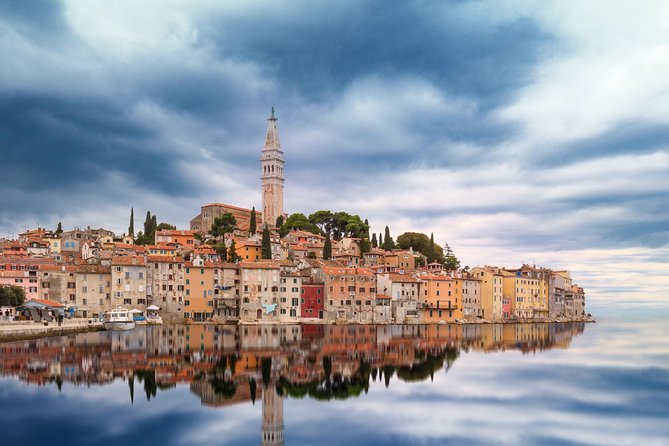
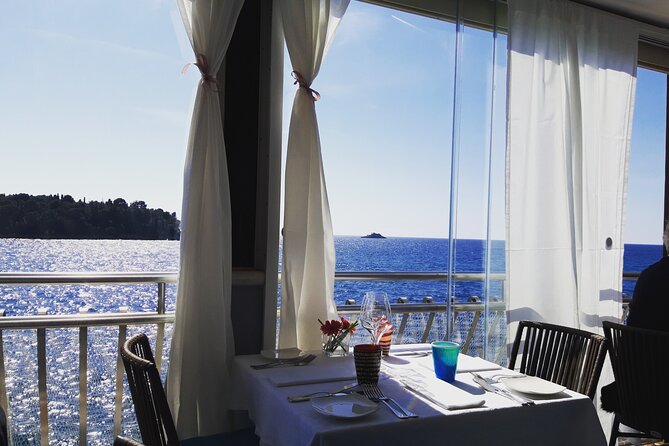
- Rovinj built on an island story plus photo-worthy Venetian-era walls and streets
- Poreč and the Euphrasian Basilica (UNESCO) as your anchor stop
- Hum, the Tuscany-style detour that breaks up the coast with a tiny medieval mood
From Zagreb at 7:30 am, then straight into Istria
This tour is built for an early start, and that is not just marketing. The drive from Zagreb to Pula is about 3 hours, and when you leave at 7:30 am, you get more daylight in the first two major towns.
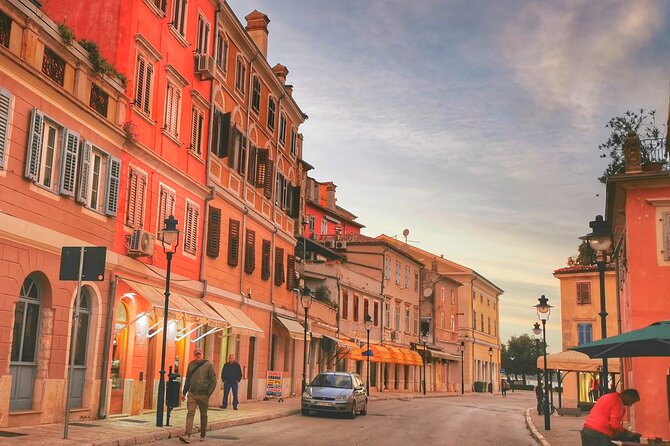
You also get a real convenience win: the tour starts at Meteorological Post Zrinjevac in Zagreb, but pickup is available from any accommodation in Zagreb that you agree on. That means you are not herding yourself to a transit hub before you even begin.
The group is capped at up to 8 travelers, which helps. It is not a huge bus day where you feel like a number. Instead, you can generally hear directions, and the guide can adjust walking pace and photo stops without turning everything into a sprint.
And yes, you will be on the road. The schedule is drive-heavy, with roughly 45 minutes between Rovinj and the next stops after Pula. So if you hate long stretches in a vehicle, mentally shift your expectations: the ride is the price of packing multiple UNESCO and Roman sights into one day.
Pula’s Arena: the Roman anchor you will actually remember
Pula is the biggest city on the Istrian peninsula, and the day starts there for a reason. It gives you an early dose of the Roman era, right when your energy is still high.
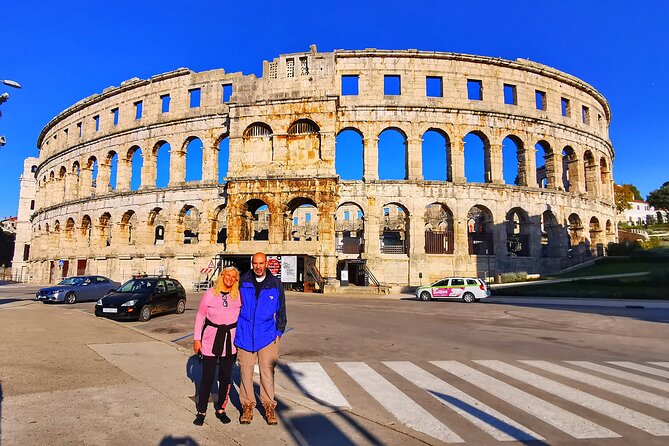
The star is the Arena in Pula, one of the best preserved amphitheaters in the world. If you have seen the Colosseum in Rome, this is the kind of sight that makes you understand why those emperors were so proud of their cities. It is not about scale alone, it is about how intact the structure feels when you stand close.
You will also get time for other Roman-era landmarks, like gates to the city such as the Arch of the Sergii and the Gate of Hercules, plus the Temple of Augustus. Even if you do not memorize dates, you will notice a pattern: Pula is laid out like a Roman stage set, and walking the area gives you those instant history visuals.
Practical tip: wear shoes that can handle uneven pavement. Amphitheater zones and old town lanes often look smooth on a map, but your feet will tell the truth once you step out. Also, if the skip-the-line promise matters to you, this is where it usually pays off most.
Still riding at anchor off Zagreb
- From Zagreb: Plitvice & Rastoke Guided Day Trip with Ticket★ 4.9 · 2,955 reviews
- Zagreb: Rastoke & Plitvice Lakes Guided Tour with Ticket★ 4.9 · 1,897 reviews
- Communism & Croatian Homeland War Tour★ 5.0 · 1,355 reviews
Rovinj: Venetian seaside charm with Italian-Croatian real life
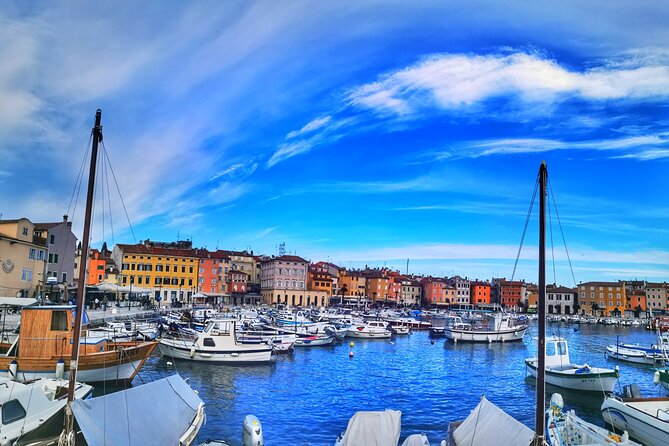
After Pula, the tour drives about 45 minutes to Rovinj, and this is where the day starts feeling like a coastal postcard.
Rovinj was built by Istrian tribes, and it grew on a small island close to the mainland. The big change came later, in the 18th century, when it was connected to the mainland. That history still shows in the town shape, where streets feel compact and enclosed, and the sea is never far away.
The Venice connection is the other reason Rovinj feels Italian. For centuries, it was ruled by Venice, so both Italian and Croatian are official languages. In practice, that means signage, atmosphere, and even the “how people sell a photo spot” vibe line up with what you expect from an Italian-style seaside town.
On top of that, the town had walls built around it, and those defensive structures are still visible in places. So you do not just wander through scenery. You walk through a setting that was built to protect itself.
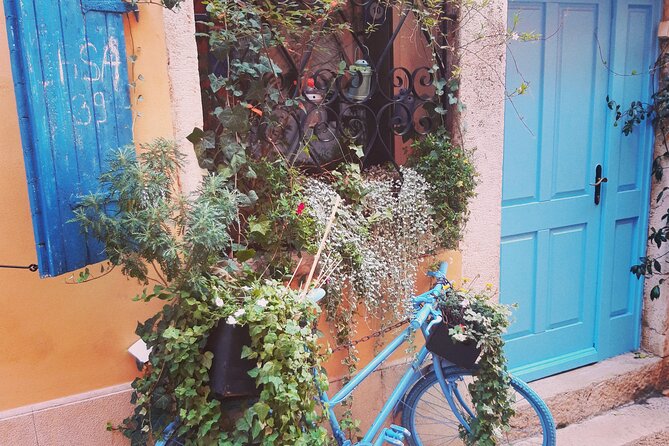
What I like about Rovinj on a day trip is the mix: you get the aesthetic payoff, but you are also seeing living culture. It is not a dead museum town. You will likely find yourself pausing again and again for shots, because the town layout keeps giving you new angles.
Quick consideration: Rovinj is popular. If you are sensitive to crowds, go for a slightly earlier pace during your time here, and let the busiest lanes pass you by before you settle into a photo spot.
Poreč’s UNESCO stop: the Euphrasian Basilica time check
Next comes Poreč, a town with old roots that go back almost 2,000 years. The highlight here is the Euphrasian basilica, listed as UNESCO world heritage.
This basilica is from the era of Euphrasius, with the structure you see tied to around 1997 for its UNESCO listing. Even if churches are not your top interest, basilicas are built for slow looking: shapes, mosaics, and the way the space makes you stand still.
The schedule also notes that admission ticket is free for this stop. But the tour-wide details say entrance fees are not included. That does not mean the day is wrong, it means you should treat this basilica item as a “check on confirmation” situation. If the voucher says no ticket needed, great. If not, budget a small amount for entry.
What makes this stop valuable on a long day is that it gives you a strong anchor that you cannot replicate by simply walking coastal streets. Rovinj gives you atmosphere, Poreč gives you an art-and-architecture reason to be there.
Practical note: basilicas tend to have dress expectations. If you plan to visit, bring something that covers shoulders and knees, or at least be ready for quick adjustments.
Hum: the tiny medieval break that feels like Tuscany
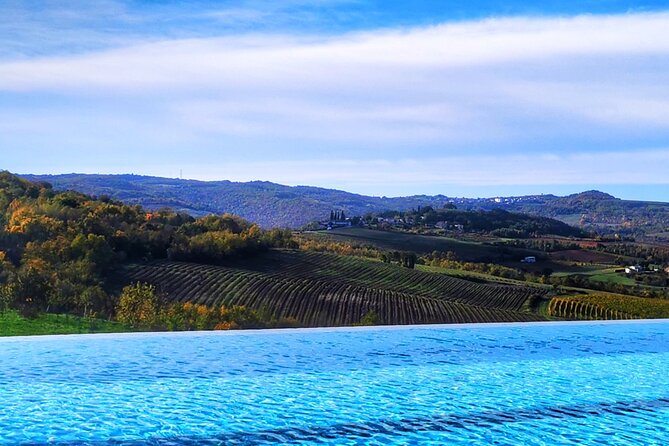
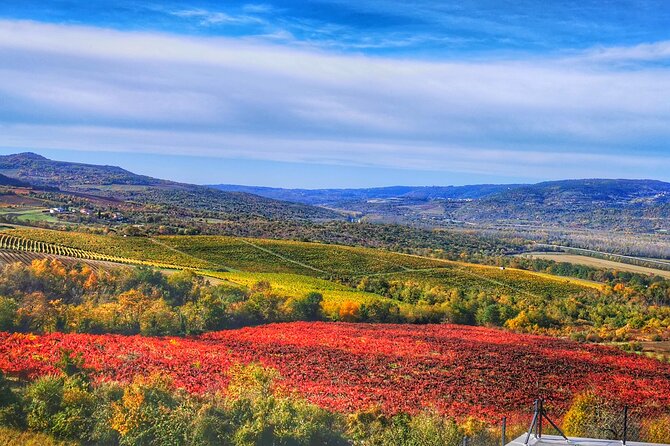
The tour name includes Hum, and one thing I appreciate about adding a stop like Hum is that it changes your mental rhythm. After Roman Pula and Venetian Rovinj, Hum gives you a different flavor: a small medieval town that people compare to the Tuscany hillside vibe.
Hum is not about big sights. It is about scale and atmosphere. You feel it the moment you arrive: narrow streets, hill-town proportions, and that old-world sense of place where every corner looks like it has been standing there for centuries.
If you like photogenic towns, Hum delivers in a different way than Rovinj. Rovinj pulls you with sea views and walls. Hum pulls you with the “how can this be so charming in such a small space” feeling.
Why it fits this particular tour: it balances the coast-heavy itinerary. That matters because a long day can start feeling like constant movement. Hum is your palate cleanser, and it also makes the Tuscany comparison more believable.
Two moorings down in Zagreb:
- Zagreb: City and WWII Tunnels Walking Tour
★ 4.9 · 1,230 reviews - Zagreb: City & History Walking Tour & WW2 Tunnels
★ 4.9 · 1,202 reviews - Plitvice Lakes with Ticket & Rastoke Guided Tour from Zagreb
★ 5.0 · 966 reviews - Zagreb: Communism and Croatian Homeland War Tour
★ 4.9 · 927 reviews
The Istria-to-Tuscany idea: what you should actually look for
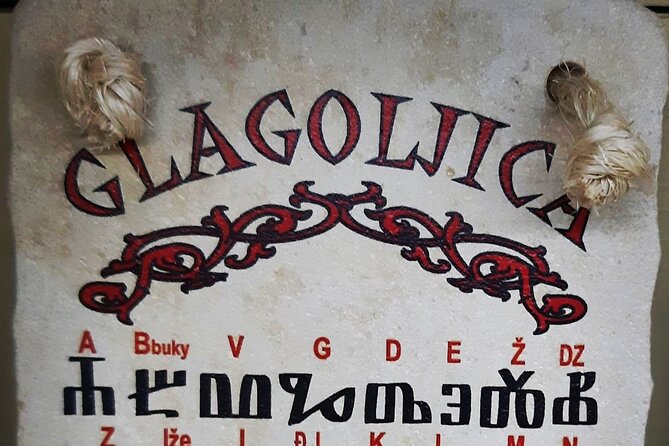
The tour explicitly frames Istria as the original Tuscany. That comparison can sound like a slogan, but it can also be useful if you know what to notice.
Here is what to watch during your stops:
- Architecture shaped by outsiders: Roman power shows up in Pula’s amphitheater and gates. Venetian rule shows up in Rovinj’s town walls and Italian-Croatian bilingual feel.
- Hill-town mentality: Hum, with its medieval scale, fits that Tuscany-style “small place with pride” energy.
- Walkable old cores: each town is built for wandering. Even with a schedule, you get enough street time to feel like you are moving through a real place, not just a drive-by.
If you go in hunting for these visual clues, the Tuscany comparison becomes more than a marketing line. You start seeing how cultures overlap on this part of the Adriatic.
Also, this story is why the day feels cohesive. You are not bouncing randomly between far-apart stops. Everything points back to “why Istria feels Italian.”
Your day plan, reality check, and how to pace it
This is a full day. The official run time is about 10 to 12 hours, and you start early at 7:30 am. That means you are doing a lot of walking after long drives, even if the guide structures stops well.
Here is how I would pace it mentally:
- Treat the first hours as your anchor time (Pula first).
- Use Rovinj for photos and strolling, not for long museum priorities.
- Let Poreč reset you with basilica time.
- Save your “slow wander” energy for the town that feels most like your taste, and do not try to speed-run all four stops equally.
A small caution from a practical angle: the included details say skip long lines is guaranteed, which is great, but it does not eliminate every wait. You still have to walk, pass security if needed, and follow group timing. If you hate timed logistics, this may feel like too much.
What you pay for: price value and what to budget separately
The price is listed as $576.73 per group (up to 1), and the tour accommodates up to 8 travelers. That means you should treat this as a small-group, pickup-included day with a private-feeling flow rather than a standard group coach.
Value drivers you can count on:
- Hotel pickup and drop-off from Zagreb
- Air-conditioned vehicle
- All taxes, fees, and handling charges
- Local professional driver/guide
- Guaranteed to skip the long lines
Now the items that are not included:
- Beverages
- Local food tasting or Lunch
- Entrance fees
So the real cost is not just the base price. On a day like this, plan for:
- a sit-down lunch or a quick meal depending on your style
- drinks along the way
- any paid entry where required
My take: this tour is good value if you care about smooth logistics and want to hit top sights in one day without the stress of arranging transport and figuring out entrances yourself. If you enjoy independent travel and you are happy driving and building your own route, the value equation shifts.
Guides, pacing, and how to get the best from your time
Your experience will depend a lot on your guide’s style. The details you are given say you will have a local professional driver/guide speaking English. In practice, guides can vary in how much time they spend talking at each stop.
If you want more context at each location, arrive ready with preferences: ask for the stories you care about, like Roman architecture, Venetian influence, or how Hum fits the Tuscany comparison. A helpful guide will adjust on the fly.
Also, the tour has a maximum group size of 8 travelers, which gives you a bit more breathing room than large group formats. Use that. If you want extra time in one place, try to ask before the clock starts moving, not after everyone has dispersed.
And one more thing: if you get the kind of guide who moves quickly between stops, your best strategy is to choose your top priority town. Then you can enjoy the rest without feeling rushed.
Should you book this Zagreb to Istria Original Tuscany tour?
Book it if you want a one-day sampler that hits Roman Pula, photo-rich Rovinj, and the UNESCO basilica in Poreč, with a small-town contrast in Hum. This is especially good if you are short on time and you would rather pay for smooth pickup and transport than DIY the whole route.
Skip it or reconsider if:
- you do not like long days, this one runs 10 to 12 hours
- you hate driving time and would rather slow travel with overnight stays
- you prefer meals and entrances to be fully included in the price, since lunch and entrance fees are not included
If you do book, you can set yourself up for success fast: bring comfortable walking shoes, plan your own lunch budget, and decide in advance what you want most, Arena-level Roman stops or Venetian-style wandering in Rovinj.
FAQ
What time does the tour start?
The start time is 7:30 am.
Where do we meet in Zagreb?
The meeting point is Meteorological Post Zrinjevac, 10000, Zagreb, Croatia. The tour ends back at the same meeting point.
Is hotel pickup included?
Yes. The tour offers hotel pickup and drop-off, and pickup is available from any accommodation in Zagreb that you agree on.
Is the tour available in English?
Yes, it is offered in English.
How long is the trip?
The duration is listed as 10 to 12 hours (approximately).
What is included in the price?
The price includes all taxes and fees, a local professional driver/guide, hotel pickup and drop-off, skip-the-long-lines support, and an air-conditioned vehicle.
Are lunch, drinks, or entrance fees included?
No. Beverages, local food tasting or lunch, and entrance fees are not included.
Is there a vegetarian option?
Yes. A vegetarian option is available, and you should advise the provider at booking.
What if weather is bad?
This experience requires good weather. If it is canceled due to poor weather, you will be offered a different date or a full refund.
Latest arrivals logged at Zagreb



Zagreb Tours & Activities, compared.
Plitvice & Rastoke Guided Day Trip with Ticket
Read our review →
Rastoke & Plitvice Lakes Guided Tour with Ticket
Read our review →
Plitvice Lakes with Ticket & Rastoke Guided Tour from Zagreb
Read our review →
Skip-the-Ticket-Line Museum of Broken Relationships
Read our review →Browse the lists this tour appears in