
Reviewed · MUSEUMS
Croatia: Museum of Lost Tales
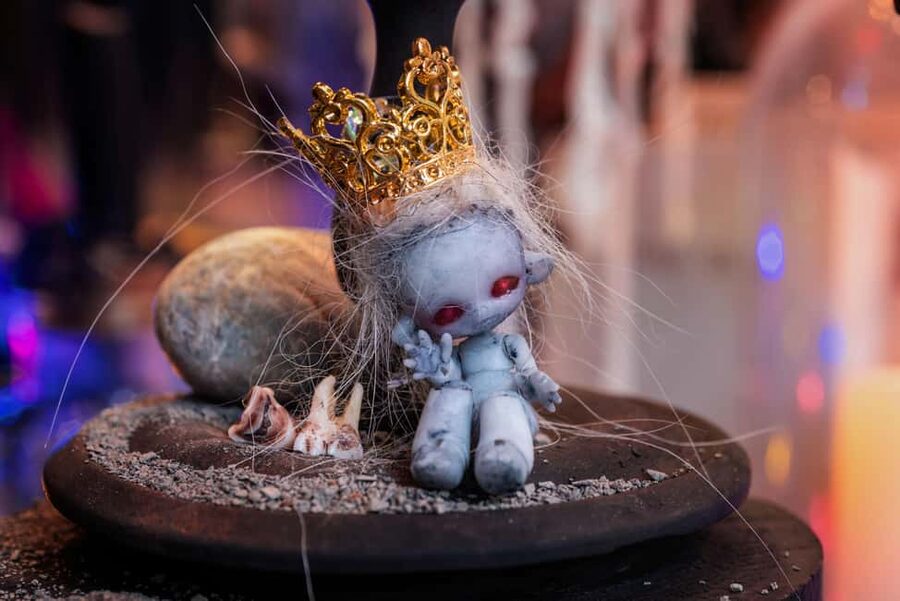
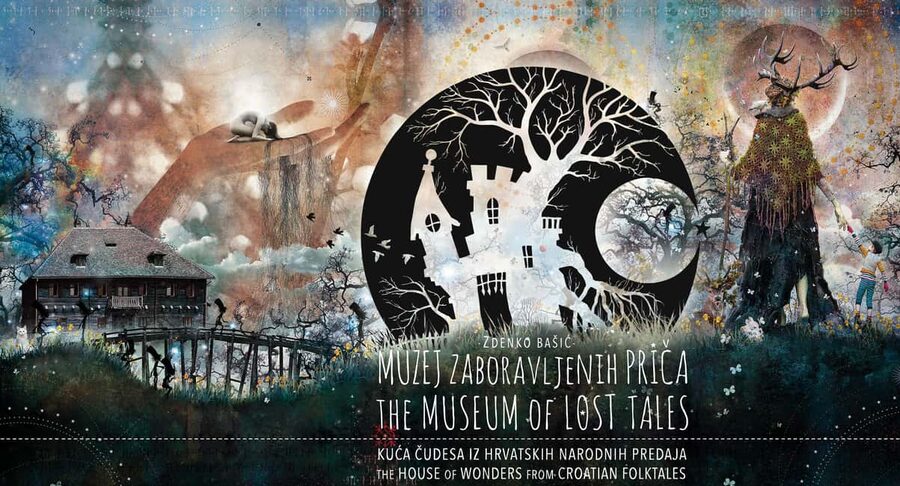
Croatian folklore turns into art you can walk through. At the Museum of Lost Tales in Zagreb County, you’ll move through six themed rooms and hunt for hundreds of magical creatures brought to life by transmedia artist Zdenko Bašić. The only real catch is that this isn’t a quick, punchy show, so if you want strictly visual thrills, be ready for plenty of story and detail.
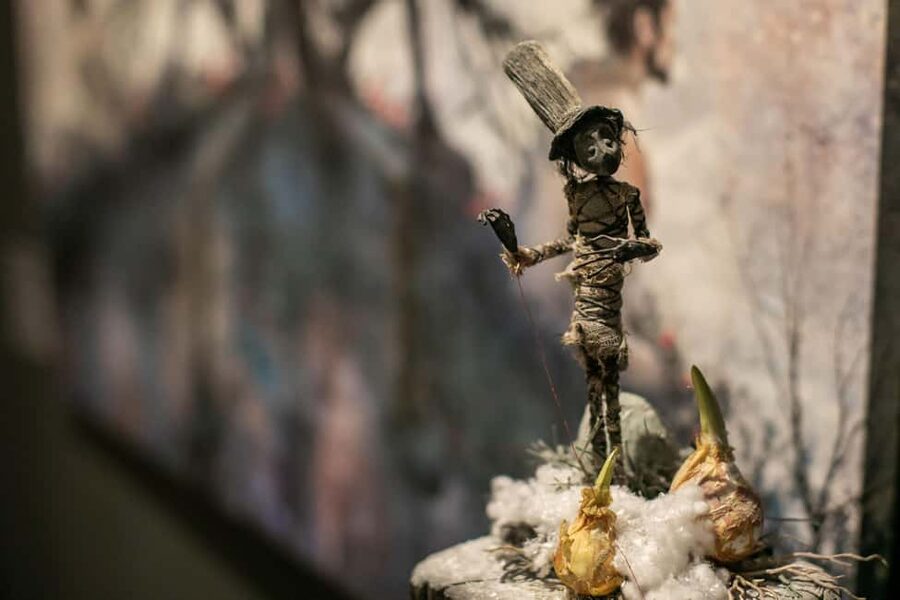
This “House of Wonders from Croatian Folktales” covers about 200 square metres, built to make you feel like you’re stepping into oral tales told on warm summer nights. Expect sculpted scenes and puppet miniatures designed as one art experience, with clues meant to trigger the senses as you go.
One practical consideration: you explore on your own. A guided tour is not included, so you’ll get the most if you enjoy reading, noticing small details, and taking your time moving room to room.
In This Review
- Key things to know before you go
- Ticket price and what you truly get for $14
- First contact inside the House of Wonders from Croatian folktales
- Your room-to-room route: six themed spaces and a creature trail
- Stop 1: Find the story vibe, then start scanning
- Stop 2: Search for fairy traces and witch footsteps
- Stop 3: Spot dragon-scale motifs and creature clues
- Stop 4: Follow scent-related touches tied to bogarts
- Stop 5: Look for the hidden pit and water men
- Stop 6: Watch for flight hints, then let the story linger
- The overall feeling
- Zdenko Bašić and how transmedia storytelling changes what you see
- The sensory and detail factor: why it feels like more than a stop
- Who this museum is best for (and who may want to skip it)
- Practicalities in Zagreb County: rules, pace, and getting the most out of your visit
- Should you book the Museum of Lost Tales?
Key things to know before you go
- A story-first walk through six rooms: different themes, each one built with sculpted scenes and puppet miniatures
- Hundreds of magical beings to look for: fairies, witches, dragons, bogarts, and more appear as part of the exhibit’s trail
- Live-art style, not just passive viewing: the design invites you to feel like you’re part of the forgotten tales
- Sensory cues you should keep an eye out for: the museum uses smell-related elements, plus creature traces you can spot
- Entry ticket is the whole deal: guided tours are not included, so plan to explore independently
- Rules are strict on bags and pets: no backpacks or bags, pets not allowed (assistance dogs allowed)
Ticket price and what you truly get for $14
At about $14 per person for entry, this museum is priced like an attraction, not a big production. The value comes from what that ticket actually buys you: access to a full house of wonders with multiple themed spaces, built for slow looking and repeat returns to the same scene from different angles.
A lot of places charge similarly, but you’re paying here for design choices that turn folklore into a physical scavenger hunt. You are meant to follow traces and clues, not just glance at displays. In other words, your time inside is part of the experience.
Also note the pace: the museum is not marketed as a short guided tour stop. Since a guided tour is not included, the ticket makes sense if you like self-guided wandering and reading what you can at your own speed.
First contact inside the House of Wonders from Croatian folktales
The Museum of Lost Tales is built around the idea that oral heritage is more than something to hear once. Here, the storytelling becomes a place you walk through, with six different rooms arranged like chapters.
As you enter, think of it as your start point for a creature hunt. You’ll see sculpted scenes and puppet miniatures, but the exhibit is designed so you keep moving and keep noticing. This is the kind of museum where the first minute sets the mood, and the next few minutes teach you how to watch.
The best way to enjoy it is to shift from thinking of it as a gallery to thinking of it as a world. You’re not just looking at artwork. You’re learning the exhibit’s language, the way clues repeat in different forms as you progress through the rooms.
More Croatian rooms out of the sun:
- Zagreb: Skip-the-Ticket-Line Museum of Broken Relationships★ 4.5 · 847 reviews
- Zagreb: Nikola Tesla Technical Museum Ticket★ 4.5 · 520 reviews
- Zagreb: Museum of Illusions Entrance Ticket★ 4.0 · 261 reviews
Your room-to-room route: six themed spaces and a creature trail
You don’t get a list of checkboxes. Instead, each room gives you a different theme, and the overall design connects them into one continuous story experience.
Here’s how I’d mentally structure your visit so you do not miss the point:
Stop 1: Find the story vibe, then start scanning
Your first themed room is where you get oriented to the exhibit’s style. Look for sculpted scenes and puppet miniatures that act like stage sets. The details are there for a reason, so slow down and treat the room like it’s asking you to play along.
Stop 2: Search for fairy traces and witch footsteps
Across the museum, you’ll be invited to look for playful hints tied to specific supernatural figures. The folklore cues include traces of fairies and footsteps of witches, and they help you connect the visuals to oral storytelling traditions.
If you rush here, you’ll miss what makes this museum fun. Let yourself do the simple thing: scan, then return your eyes to the place you initially overlooked.
Still riding at anchor off Zagreb
- From Zagreb: Plitvice & Rastoke Guided Day Trip with Ticket
★ 4.9 · 2,955 reviews - Zagreb: Rastoke & Plitvice Lakes Guided Tour with Ticket
★ 4.9 · 1,897 reviews - Communism & Croatian Homeland War Tour
★ 5.0 · 1,355 reviews - Zagreb: City and WWII Tunnels Walking Tour
★ 4.9 · 1,230 reviews
Stop 3: Spot dragon-scale motifs and creature clues
Another part of the experience pushes you into the scale and weight of legend. The exhibit specifically references scales of dragons, and you can expect the artwork to reflect that kind of creature presence through crafted design choices.
This is one of the reasons people call it “wholesome to funny.” Even when the subject is magical and weird, the objects feel like they belong to a tale you would actually tell aloud.
Stop 4: Follow scent-related touches tied to bogarts
The museum is meant to use the senses, and you’ll encounter references like smells of bogarts. That’s a clue that you should not just look with your eyes. Use your whole attention, and treat those cues as part of the story beats.
This sensory element is also a good reminder for you to go in with a calm mindset. If you’re already stressed, the experience can feel like too much instead of just interesting.
Stop 5: Look for the hidden pit and water men
One of the creature ideas built into the narrative is the pit where water men hide. The museum leans into the idea that supernatural beings have places to belong, even if those places feel strange or slightly unsettling.
As you keep walking, the museum’s design encourages you to imagine the creatures not as one-time sightings, but as residents of a world with rules.
Stop 6: Watch for flight hints, then let the story linger
The museum also points you toward beings like Moguts, including the idea that they fly somewhere hidden. By the final themed space, you’ve spent enough time scanning that the last room feels like a payoff, not a repeat.
If you love folklore, this is the part where the museum becomes more than objects. It starts to feel like a place where stories live between generations.
The overall feeling
Several people highlight the amount of information and the number of surprises. I’d translate that into practical advice: do not plan to breeze through. The exhibit is crowded with details, and it rewards repeat attention in the same space.
Zdenko Bašić and how transmedia storytelling changes what you see
The museum’s creator, Zdenko Bašić, is presented as a transmedia artist who developed a lot of his work from personal oral legacy and Croatian folklore. The key idea is that the tales were originally shared by voice, then reshaped through contemporary media into new visual form.
That matters because you’re not looking at folklore as static “old stories.” You’re seeing it turned into sets, puppets, miniatures, and sensory cues. It’s folklore turned into physical theater.
In practice, this design choice means you should expect both imagination and craftsmanship. You’re meant to encounter the tales through sculpted scenes and puppet miniatures that feel like stages, not museum glass cases.
And because the exhibit is built on Bašić’s illustrations and related design elements, the experience has a consistent voice. It doesn’t feel like a random collection of themes. It feels like one creator translating oral tradition into a walkable artwork.
The sensory and detail factor: why it feels like more than a stop
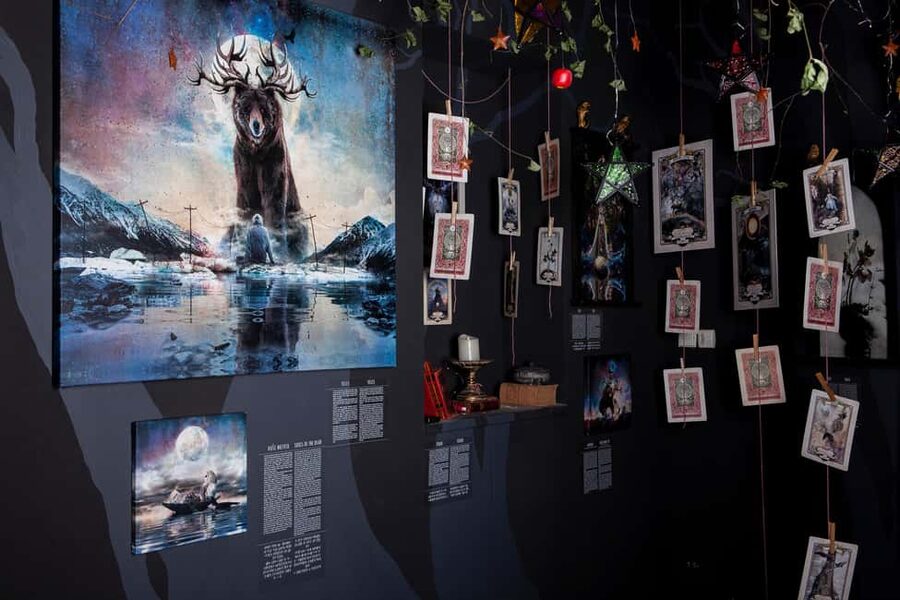
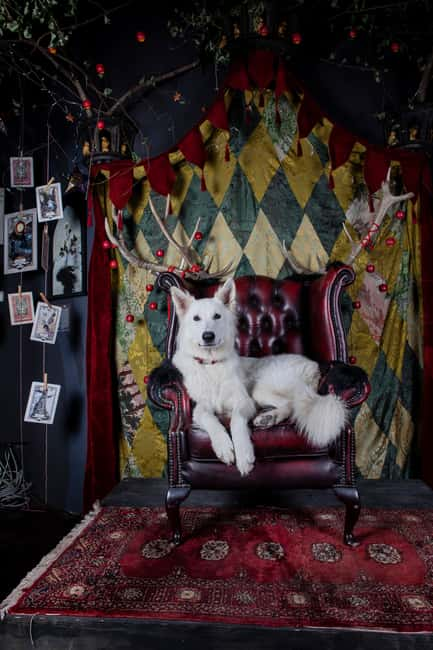
If you’re used to museums where you scan big labels and move on, this one asks for a different behavior. The museum is built to surround you with creature imagery and story cues, including things like sculpted scenes, puppet miniatures, smells tied to creatures, and small traces that you’re encouraged to look for.
The “massive amount of information” described in feedback makes sense here. The museum doesn’t try to be short and simple. It wants you to slow down and actually read into the concept of Croatian oral lore, then follow the exhibit’s creatures as if you’re exploring.
One of the nicest surprises is the mix of wholesome and funny details. Even when legends get spooky, the presentation style is playful and a little mischievous, which makes it easier to enjoy without feeling overwhelmed.
Who this museum is best for (and who may want to skip it)
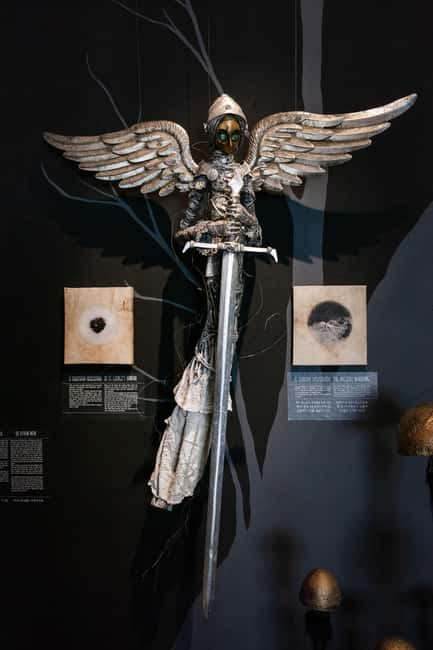
This is an easy yes if you like:
- folklore and mythology, especially oral traditions
- museums where you hunt for clues and details
- art that involves sensory storytelling, not just visuals
It’s also a great option for people who want something authentic that feels specific to Croatia, not a generic “theme park version” of culture.
You might hesitate if:
- you need a guided explanation to enjoy museums
- you prefer very quick visits
- you strongly dislike sensory cues like smell elements
Practicalities in Zagreb County: rules, pace, and getting the most out of your visit
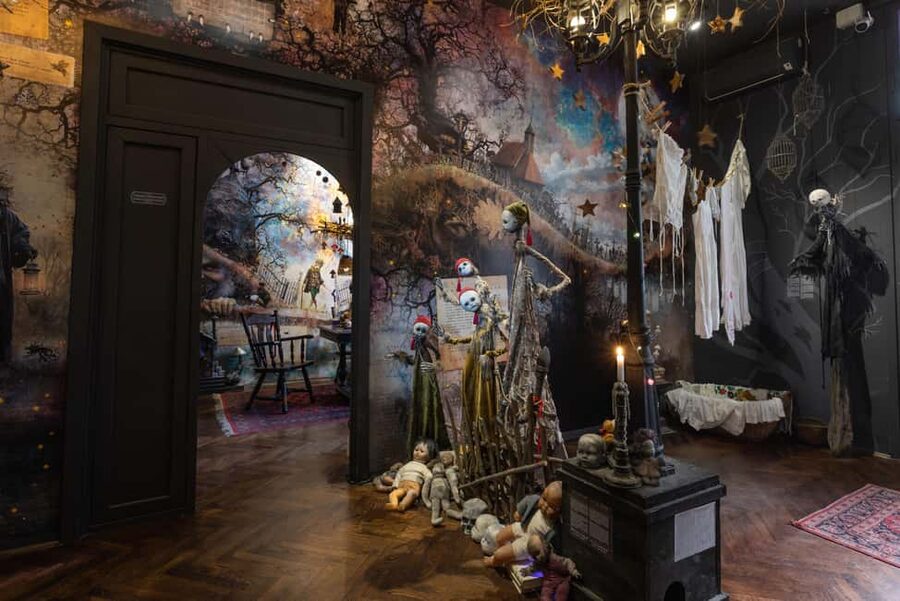
The museum is designed for independent entry. So go in with one simple plan: give yourself enough mental space to read and look slowly.
Also pay attention to the rules. You can’t bring pets, and backpacks and bags are not allowed. If you travel with more than essentials, plan for what you will carry.
Age and mobility matter too. The museum is not suitable for children under 3 years, and it is not set up for wheelchair users based on the provided information.
What to do with timing: the ticket is valid for 1 day and depends on availability for starting times. If your schedule is flexible, that helps you pick the moment when you can focus.
One more practical tip: keep expectations aligned. This is a museum you experience by noticing and wandering, not by rushing for photo ops. If you treat it like a story world, you’ll get more laughs, more meaning, and more satisfaction.
Should you book the Museum of Lost Tales?
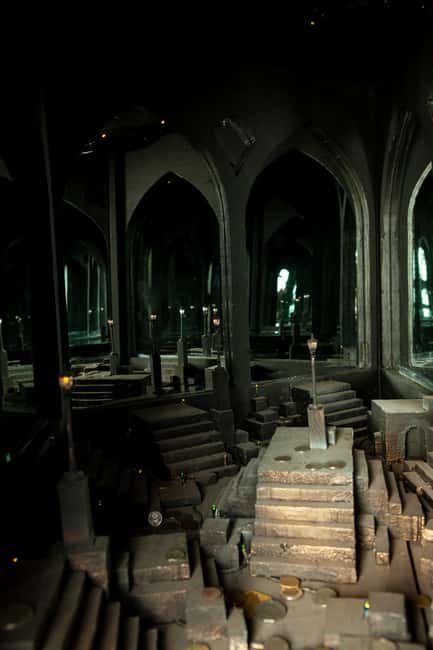
Yes, book it if you want an offbeat, culturally grounded museum experience in Croatia that rewards attention. For the $14 entry price, you get a 200-square-metre house-style attraction, six themed rooms, and a creature-filled artwork built around Croatian oral lore and the creative approach of Zdenko Bašić.
Skip it only if you need a guided tour to understand things, or if you cannot do self-paced, detail-heavy wandering. If you’re the type who enjoys reading, looking closely, and following small clues, this is the kind of place that turns a ticket into a memorable story walk.
Latest arrivals logged at Zagreb





Museums, compared.
Blue Lagoon & Underwater Museum from Split with Lunch & Drinks
Read our review →
Skip-the-Ticket-Line Museum of Broken Relationships
Read our review →

Blue Lagoon Underwater Museum Tour w/Lunch & Drinks
Read our review →
PREMIUM Emperor’s Walking Tour for History Lovers + Museum
Read our review →
Klis Fortress GOT and Olive Museum Entry Tickets
Read our review →
Browse the lists this tour appears in