
Reviewed · HISTORICAL TOURS
Experience Split History Walking Tour With Local Historian
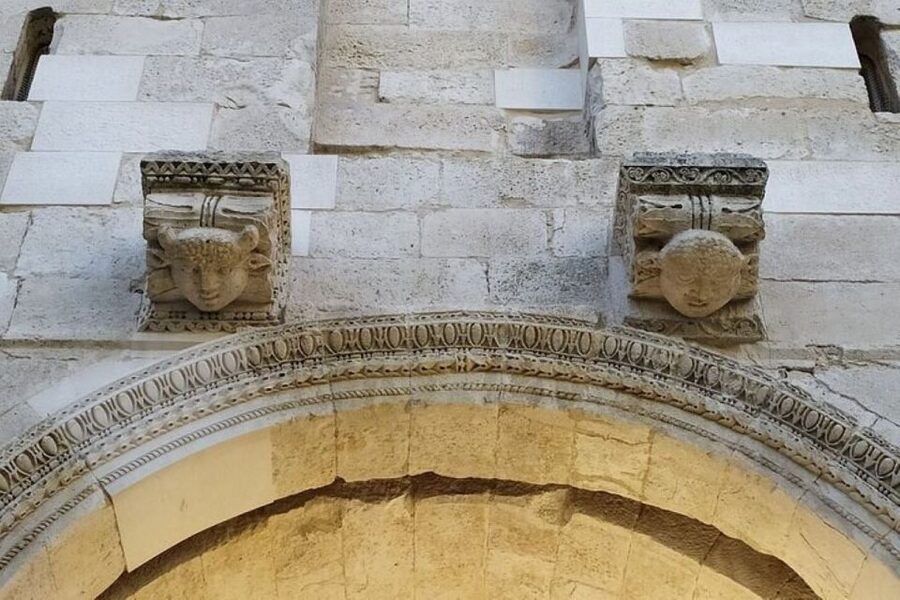
Roman walls, modern streets, in one smart walk. I love how this tour uses Diocletian’s Palace as the backbone, then keeps talking about what life in Split feels like today. Starting at the Golden Gate, you get fast orientation, then you step inside a UNESCO site that still shapes the city’s layout and mood.
My favorite part is the way the guide makes the palace readable, with Peristil as the main stage and 3D reconstructions that help you picture what you are seeing. One thing to plan for: it is a walking tour on stone surfaces in the sun, so comfortable shoes, water, and a hat matter, and it is not suitable for wheelchair users or people with mobility impairments.
In This Review
- Key takeaways before you go
- Where the walk starts: Golden Gate and Gregory of Nin
- Entering Diocletian’s Palace like you can read it
- Tip for enjoying this section
- Peristil to Jupiter’s Temple: the palace in full “power mode”
- Cathedral of Saint Domnius: where centuries overlap
- The palace under your feet: Diocletian’s Cellars
- The Riva promenade link: Roman and medieval, side by side
- Fruit Square and People’s Square: medieval spots with modern purpose
- Hidden stops you might miss on your own
- Practical value: price, pace, and what’s included
- Who this suits best
- Quick tips to make the most of your 2 hours
- Should you book the Split History Walking Tour with a local historian?
- FAQ
- Where is the tour meeting point?
- How long is the Split History Walking Tour?
- What is the group size?
- What is included in the price?
- Are tickets included, and do I wait in line?
- What languages is the tour offered in?
- Is food included?
- Is the tour suitable for wheelchair users or mobility impairments?
- What should I bring for a comfortable walk?
Key takeaways before you go

- Golden Gate orientation: you start at the palace’s northern gate and get context before you move deeper
- Real historian storytelling: a local licensed guide with a master’s degree in history keeps the facts clear and the legends grounded
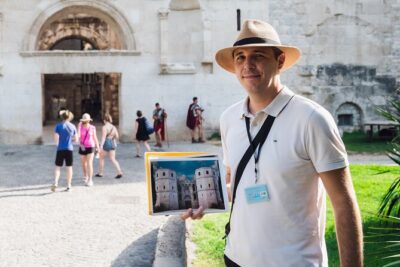
- 3D reconstructions on the spot: you use images and a display book to understand spaces like substructures and temples
- Major palace stops, not a skim: Peristil, Jupiter’s Temple, the Cathedral of Saint Domnius, vestibules, and Diocletian’s Cellars get their due
- Medieval squares and daily life: Fruit Square and People’s Square connect the long timeline to how Split works now
- Small group feel: up to 12 people, which makes it easier to ask questions without rushing
Where the walk starts: Golden Gate and Gregory of Nin
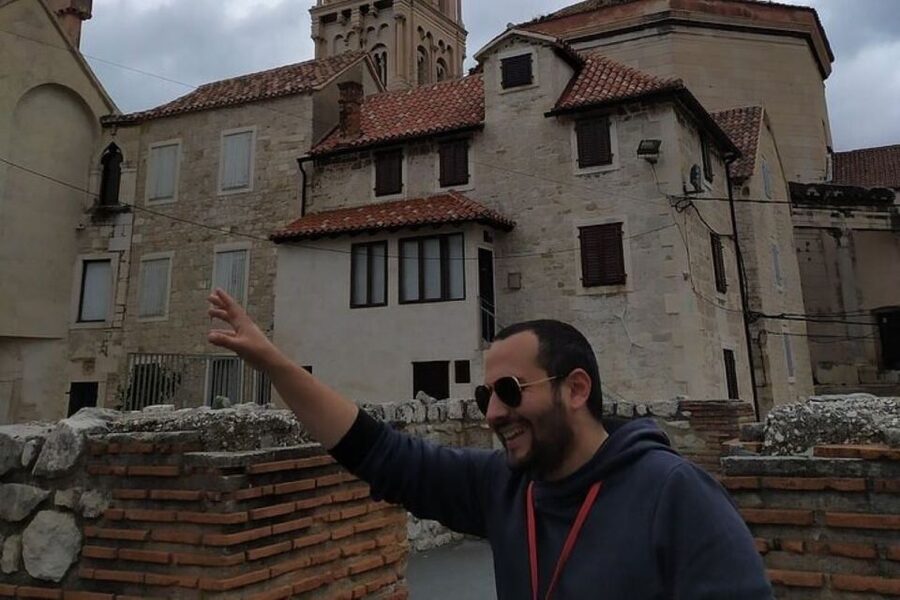
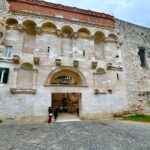
The meeting point is at the Golden Gate, the northern gate of Diocletian’s Palace. It is one of the most popular parts of the complex, so it is easy to find, and it works as a natural “before and after” moment. Across the way you see the 8 meter statue of Gregory of Nin, and the guide uses that visibility to anchor the story right away.
You will learn what the Golden Gate is for, why it mattered to the Roman world, and how that gate fits into the palace design. Then you get a short intro that sets up a key theme of the tour, Split is not just a museum town. It is a place people inhabit, shop, pray, argue, and stroll, inside and around ancient walls.
This is a good start because it prevents the common problem in heritage cities. Without a map of meaning, you just collect photos. With this, you start building a mental model before you enter.
Entering Diocletian’s Palace like you can read it
Once you cross into the palace, the tour shifts from orientation to meaning. You are guided through the major spaces, and the guide explains them in a way that is practical, not academic for its own sake.
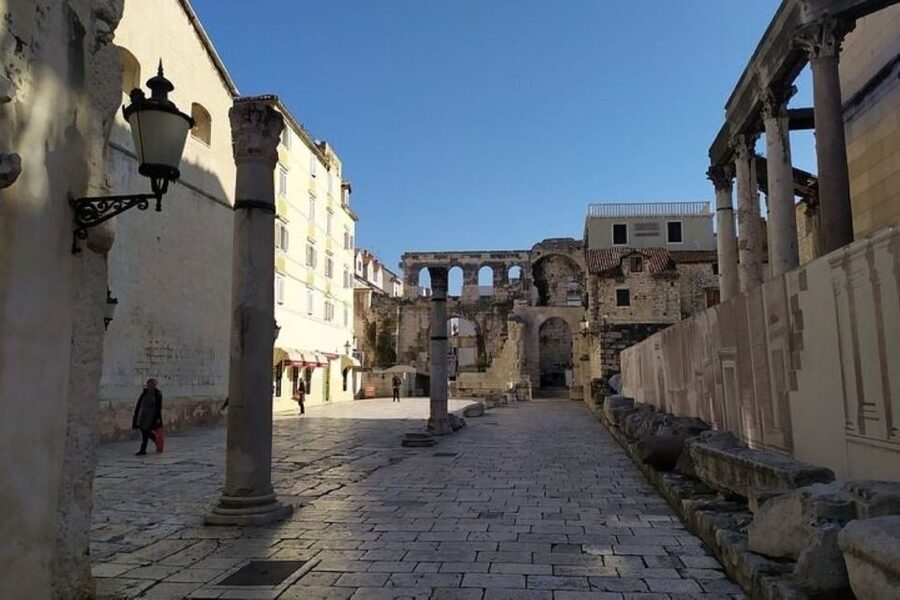
You will spend time at the heart of the palace experience, Peristil, the main palace square. This is where the architecture acts like a stage set. I like how the guide points out what to notice, such as the flow of space and why this central area was built to command movement and attention.
Then you move through other standout palace elements, including the Mausoleum-Cathedral area and Jupiter’s Temple. The guide ties each stop to what Emperor Diocletian’s life looked like, both inside the palace and beyond it. The result is that you understand the palace as a system, not a pile of big stones.
More Walking Tours in Split
- Split: Old Town and Diocletian Palace Walking Tour★ 4.9 · 4,727 reviews
- Walking Tour of Split and Diocletian’s Palace★ 5.0 · 2,588 reviews
- Krka Waterfalls tour with Trogir Walking tour and Krka panoramic boat cruise★ 5.0 · 1,659 reviews
Tip for enjoying this section
Go in with a simple mindset: look up, look around, then look for how people would move through the space. The tour keeps nudging you to think like a visitor of another era, which makes the details stick.
Peristil to Jupiter’s Temple: the palace in full “power mode”
The walk through Peristil is the tour’s big architectural beat. Here, the guide connects the palace layout to daily movement. You learn how the square functioned and why it was so central to palace life. Even if you only glance up at the surrounding monumental areas, the explanations help you see the “why” behind the “what.”
From there, Jupiter’s Temple gets its own spotlight. You are guided to the temple area and given context that helps you understand why this kind of sacred space was placed where it was. It is not just Roman worship as a concept. You get a sense of how religion and authority sat together in the palace world.
If you like when a guide points out small things most people skip, this part works well. Even quick stops feel purposeful, because the guide keeps the story tied to the physical space.
Cathedral of Saint Domnius: where centuries overlap
One of the most memorable parts of the route is the Cathedral of Saint Domnius. You spend time here with a guide who explains what you are looking at and how the palace story evolved after Roman times.
This is where Split’s timeline becomes concrete. You see how the ancient world did not simply vanish. Instead, later generations adapted the built environment. The tour does a good job of keeping this from turning into a lecture. The guide keeps the focus on clear comparisons and what changes you can actually see.
You will also pass through spaces like the vestibule, and those transitions matter. They help you understand the palace as a layered set of rooms and corridors, with different purposes and audiences.
More marble lanes taken slowly:
- Split & Diocletian’s Palace Walking Tour
★ 5.0 · 1,125 reviews - Walking Tour of Split with a ‘Magister’ of History
★ 5.0 · 1,122 reviews - Split Walking Tour with Professor of History
★ 5.0 · 926 reviews - Split: Diocletian Palace & Old Town Guided Walking Tour
★ 4.7 · 882 reviews
The palace under your feet: Diocletian’s Cellars
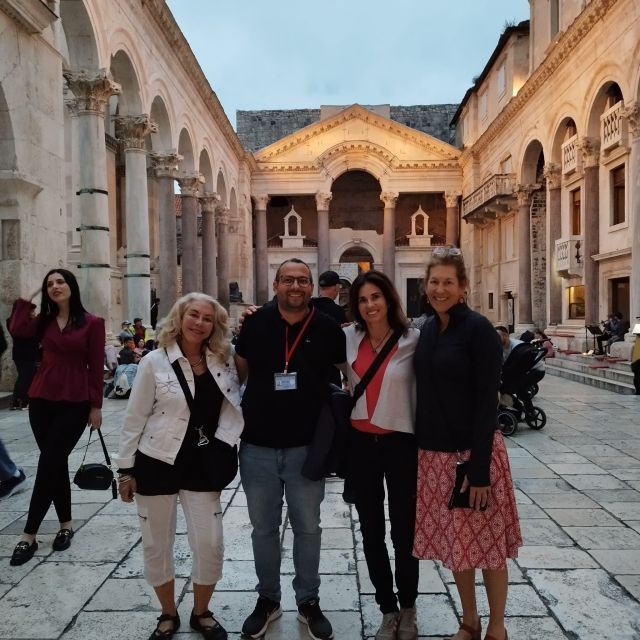
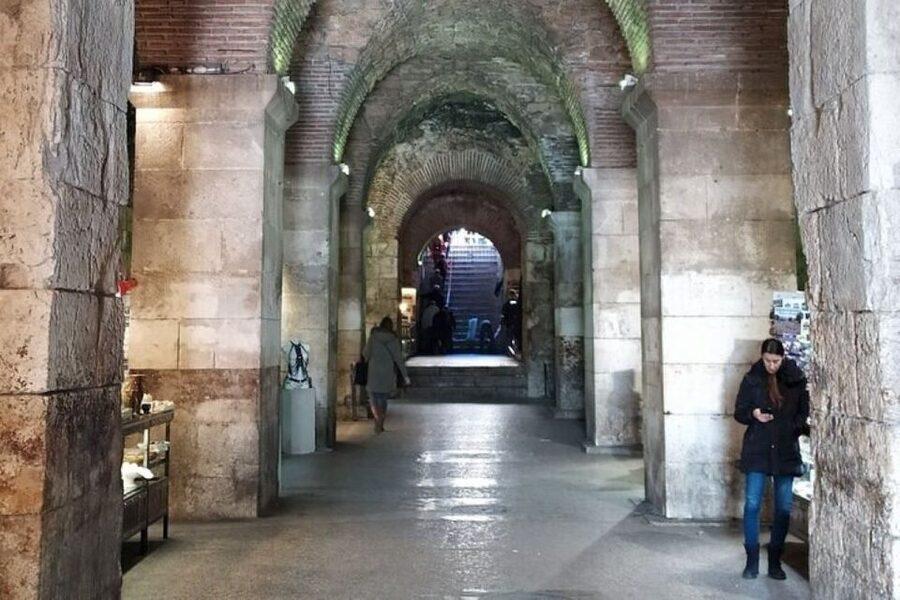
Diocletian’s Cellars can be the moment when the tour really feels different from a standard “photo and go” walk. You get guided time in the substructures area, and the explanation includes how these underground spaces functioned.
The 3D reconstructions and images are especially useful here, because it is harder to understand a subterranean space just by looking at it. Having visuals in hand helps you connect layout and purpose without guessing. I like that the tour uses the display book like a tool, not a prop.
Even if you are not a history nut, this stop usually clicks. Underground spaces give you that tangible sense of scale, storage, and planning that makes Diocletian’s project feel real.
The Riva promenade link: Roman and medieval, side by side
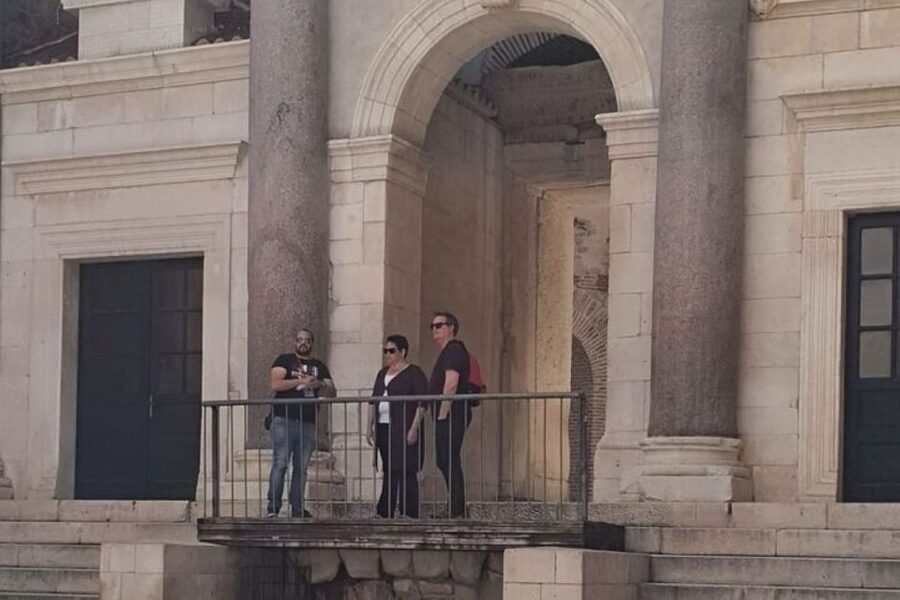
After the palace interior, the tour brings you to the Riva promenade. This is not a random tourist stroll. It is part of the story the guide has been building.
You learn about the connection between Roman and medieval periods of Split history by watching how the city breathes at street level. The guide talks about everyday life topics, with enough local flavor that the tour does not feel like it ends when you leave the UNESCO site.
You also get a more relaxed pace for a few minutes here. That matters, because by now you have been inside major monuments. Riva is where you can let the city sink in again.
Fruit Square and People’s Square: medieval spots with modern purpose
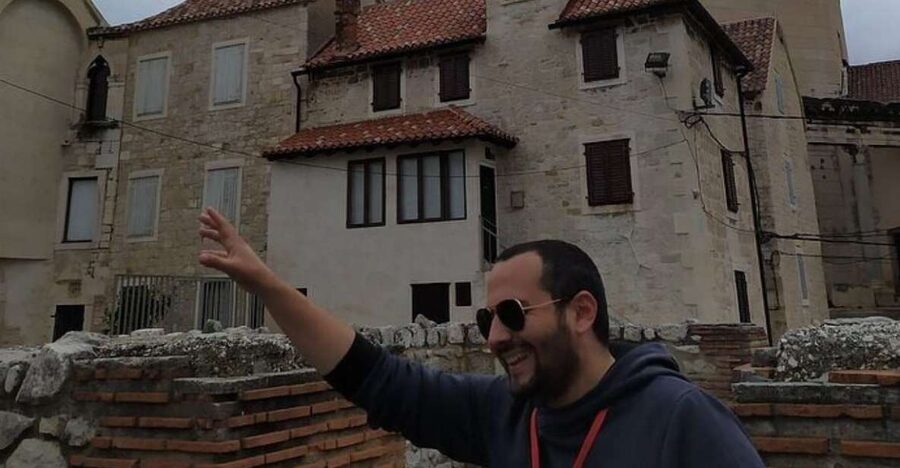
The tour saves two medieval squares for a big payoff: Fruit Square and People’s Square. These stops are designed to show you how architecture carries stories across centuries. The guide explains secrets connected to their layout and the happenings that unfolded there.
I like how the guide makes this section interactive through observation. You are not only told what happened. You are encouraged to notice architectural cues and imagine how people used these spaces over time.
Fruit Square gives you one kind of vibe, tied to the idea of markets and daily trade. People’s Square brings another feel, more civic and social. Together, they help you understand that Split’s medieval past is not just ruins. It is built into the way the city organizes public space.
Hidden stops you might miss on your own
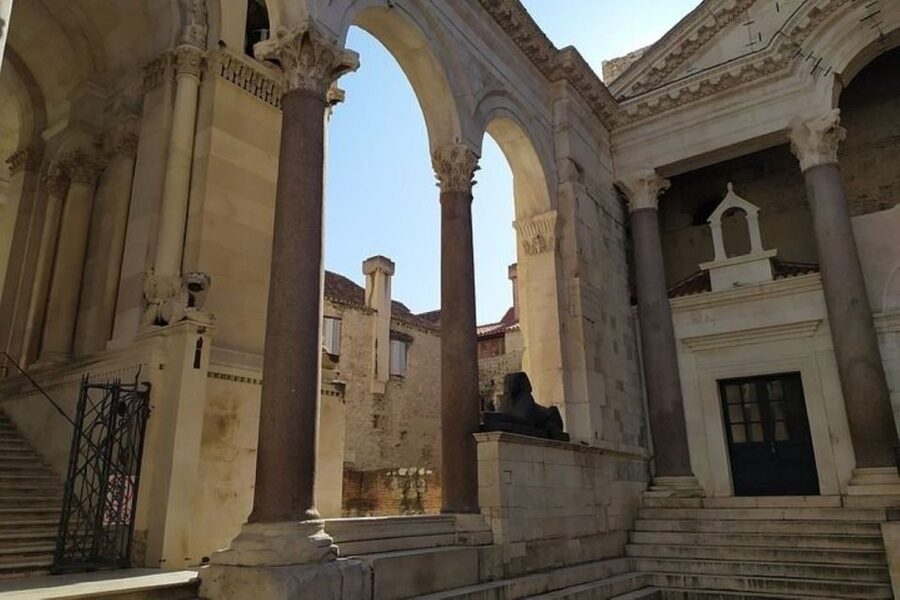
This tour has time carved out for mystery and surprise. You will get a secret stop inside the palace area, then you will find hidden gems that are easy to overlook without local guidance.
Depending on the route day, you might see or hear about:
- the narrowest church
- the narrowest street
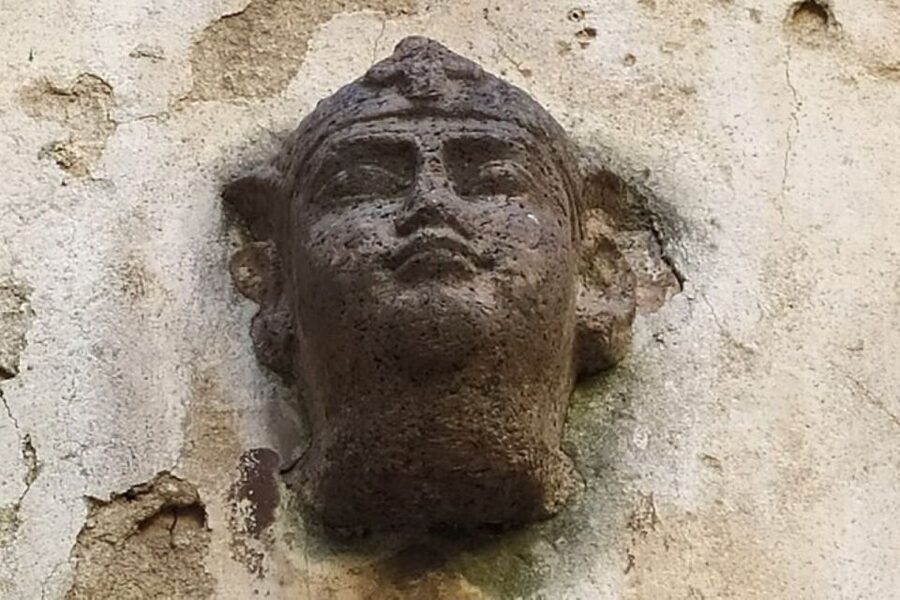
- a lost sphinx head
- a secret garden
I like this approach because it breaks the pattern. After big names like Peristil and the Cathedral, these smaller, oddball details feel like bonus chapters. They also help you understand why Split rewards people who slow down and look carefully.
Two minutes here can still change how you see the whole palace complex, because the guide keeps pointing out things you would not think to search for.
Practical value: price, pace, and what’s included
The price is $37 per person for a 2 hour walk. For that money, you get a local professional guide with a master’s degree in history, plus 3D reconstruction images and pictures via a display book. That mix matters. You are not just paying for someone to point at buildings. You are paying for interpretation, and the 3D visuals help the interpretation land.
Another practical plus: the tour includes skip-the-ticket-line. That is one less pause in a day that you likely want to keep moving.
Pace is another quiet value point. With a maximum group size of 12, the guide can answer questions without the tour becoming a herd. You still do real walking, though, and you spend real time standing in the palace.
Who this suits best
This works especially well if you:
- want Diocletian’s Palace explained with context for how it connects to modern Split
- like guided interpretation more than self-guided wandering
- enjoy small group history talk that stays readable
It may not be the best fit if you need step-free access, since it is not suitable for wheelchair users or people with mobility impairments.
Quick tips to make the most of your 2 hours
- Wear comfortable shoes. The old stone can be tough after a while.
- Bring water, or plan to buy some nearby on your own time.
- In sunny months, a hat or cap helps.
- If you have a specific question about Roman vs medieval Split, ask early at Golden Gate. The guide sets the framework, and your questions will make more sense afterward.
The tour starts at a very specific spot, Golden Gate, so give yourself time to find it and settle in before the intro begins.
Should you book the Split History Walking Tour with a local historian?
Yes, if you want Diocletian’s Palace to feel understandable, not intimidating. The biggest reason to book is the combination of major monuments plus the everyday logic of how Split lives with them. The 3D reconstruction images add real clarity in spaces that would otherwise be hard to picture.
If you are short on time, two hours can still give you a strong “feel for the place,” from Golden Gate to Narodni trg, with Peristil, Jupiter’s Temple, Saint Domnius, Diocletian’s Cellars, and the medieval squares all woven into one coherent walk.
If you are looking for something extremely slow, or if mobility limits are a concern, you should consider other options. For most people, though, this is a strong value way to see the UNESCO site with a historian’s eyes and a local guide’s sense of what to notice.
FAQ
Where is the tour meeting point?
The meeting point is at the Golden Gate, the northern gate of Diocletian’s Palace, opposite the 8 meter statue of Gregory of Nin.
How long is the Split History Walking Tour?
It lasts 2 hours.
What is the group size?
The tour is limited to a maximum of 12 participants.
What is included in the price?
The included items are a local professional guide with a master’s degree in history, and 3D reconstruction images and pictures via a display book.
Are tickets included, and do I wait in line?
Skip the ticket line is included.
What languages is the tour offered in?
The tour is available in English and Croatian.
Is food included?
No, food and drinks are not included.
Is the tour suitable for wheelchair users or mobility impairments?
No. It is not suitable for people with mobility impairments or wheelchair users.
What should I bring for a comfortable walk?
Comfortable shoes are recommended, and you should bring water or a hat or cap on sunny days.
Venetian Stones, Roman Streets



Latest arrivals logged at Split






Historical Tours, compared.
Walking Tour of Split with a ‘Magister’ of History
Read our review →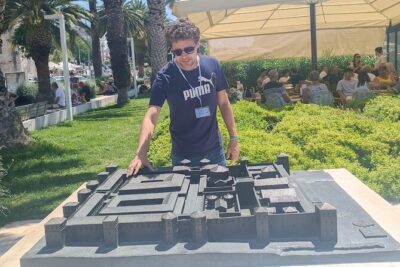
Split Walking Tour with Professor of History
Read our review →

Split History and Gastro Small-Group Tour with Food and Drinks
Read our review →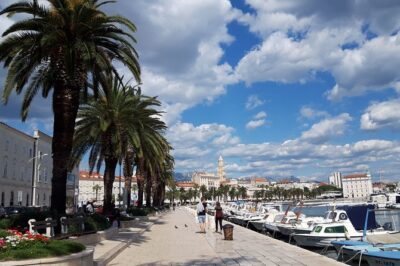
PREMIUM Emperor’s Walking Tour for History Lovers + Museum
Read our review →Browse the lists this tour appears in