
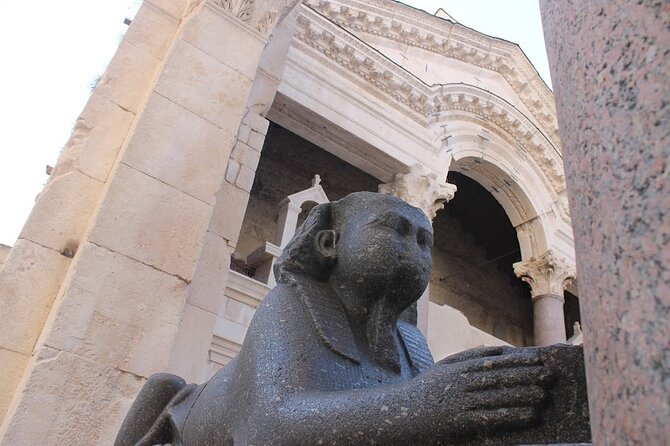
Reviewed · HISTORICAL TOURS
Split Old Town History and Monuments Private Guided Walking Tour
Roman walls meet street life in Split.
This private guided walk turns Diocletian’s Palace into a story you can follow, from the harbor where the tour begins to the squares where locals still hang out. You’ll also get the fun context of why this area shows up for Game of Thrones fans, since parts of the palace complex were used as a filming set.
I love that the route is built like a map of how the palace worked, so you’re not just looking at stones. I also like that Viktoria, your licensed guide, keeps the pace friendly and makes history feel usable, even if you do not consider yourself a history person.
One thing to consider: the Cathedral of Saint Domnius stop is optional, and it carries an extra admission fee of 5 EUR per person, so you’ll want to decide ahead of time if you want the inside.
In This Review
- Key highlights worth your time
- Starting at Riva Harbor: the fastest way to understand Split
- Diocletian’s Palace substructures: the underworld that explains everything
- The Vestibule and Peristyle: entrances, rituals, and public space
- Temple of Jupiter and St. Domnius: the spiritual core
- Old Split and the Golden Gate: where the palace became a city
- Pjaca and Trg Brace Radic: finishing where everyday life happens
- Price and value: is 90 EUR per person fair?
- Best times to go, what to bring, and how to get more out of your walk
- Should you book this Split Old Town history walking tour?
- FAQ
- FAQ
- How long is the Split Old Town History and Monuments private walking tour?
- What language is the tour offered in?
- Is this a private tour for just my group?
- Are entrance tickets included for the main sights?
- Where does the tour start and end?
- What happens if the weather is bad or I need to cancel?
Key highlights worth your time
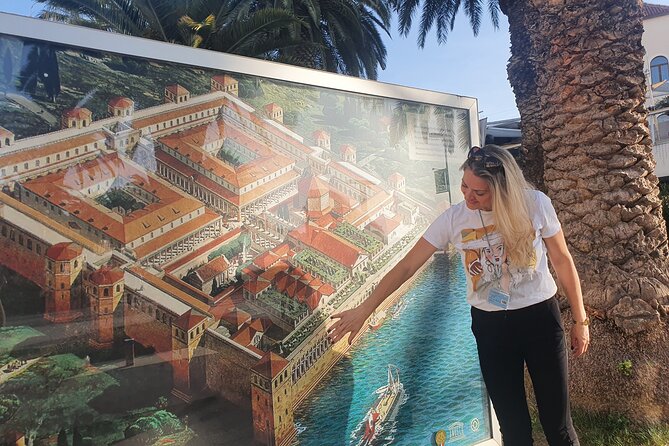
- Riva Harbor sets the stage fast, with Split and Diocletian’s Palace context right from the start
- Substructures and the Vestibule show you how the ancient complex functioned, not just how it looked
- Peristyle and Temple of Jupiter connect religion, Roman power, and public space
- Cathedral of Saint Domnius is the only extra-fee moment on the walk (optional 5 EUR)
- Game of Thrones filming connections are explained in a way that helps you recognize what you’re seeing
- You finish back at Riva Harbor, making it easy to continue on your own
Starting at Riva Harbor: the fastest way to understand Split
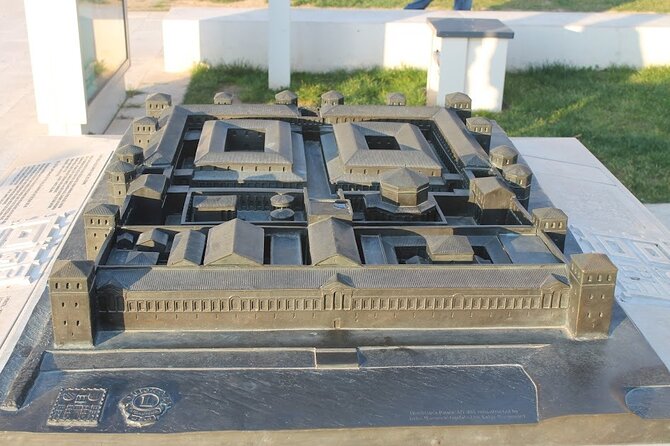
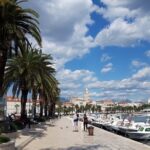
Split often feels like you’re dropped into a postcard the moment you arrive, with the waterfront, old stone, and boats stacked along the quay. The smart move here is starting at Riva Harbor, where the guide frames what you’re about to see. In about 15 minutes, you get the basics of Split’s story and how Diocletian’s Palace shaped the city around it.
This matters because the rest of the walk can otherwise feel like a random collection of ruins and landmarks. With the right context first, you start noticing patterns: where the power center was, what led to what, and why certain spaces were built the way they were. Even if you plan to return to Split later on your own, this early orientation helps you get your bearings fast.
Practical tip: wear comfortable walking shoes. Even with a private pace, you’re still moving through a dense historic core, and cobblestones can be slippery when the weather is damp. Also, this experience expects good weather, so bring a light layer you can adjust.
Diocletian’s Palace substructures: the underworld that explains everything
The highlight of the tour is the palace itself, but the key is how you approach it. The stop at Diocletian Palace Substructures focuses on the one place many visitors do not naturally think to study: what sits underneath the famous parts. These substructures are described as among the best preserved complexes of their kind in the world, and standing near them gives you a clearer sense of scale and engineering.
Here’s what I like about this stop: it teaches you that Diocletian’s Palace is not just “a palace.” It’s a whole system. The substructures help you see how the complex supported daily life and preserved the structure above. You also get the extra connection to pop culture, since the area was used as a filming set for Game of Thrones. When you understand the layout, those scenes make more sense, and you’ll spot details more confidently.
One caution: you’ll only spend around 10 minutes here. That’s enough for the big picture, but if you’re the kind of person who wants to linger and read every stone like a detective, you may later want extra self-guided time in the area.
More Walking Tours in Split
- Split: Old Town and Diocletian Palace Walking Tour★ 4.9 · 4,727 reviews
- Walking Tour of Split and Diocletian’s Palace★ 5.0 · 2,588 reviews
- Krka Waterfalls tour with Trogir Walking tour and Krka panoramic boat cruise★ 5.0 · 1,659 reviews
The Vestibule and Peristyle: entrances, rituals, and public space
Next comes the Vestibulum of Diocletian’s Palace, described as the main entrance to the emperor’s apartment in Roman times. This is a short stop, but it’s also a big deal. When you learn what an entrance meant in Roman culture, you start to see it as choreography: who could pass, what it signaled, and how someone would move from outside space toward power.
Then you step into the Peristyle of Diocletian’s Palace, a beautiful central square that’s tied to religion and the worship of Diocletian. The peristyle is where the palace stops being only an architectural achievement and starts behaving like a social and spiritual stage. Even if you only spend 10 minutes, you can feel why this central space was built as a focus point.
What you’ll gain from these two stops is an easy mental framework. Afterward, you’ll likely look at the palace and think in zones, corridors, and ceremonial spaces instead of just admiring the walls.
Practical note: these are outdoor and courtyard-style spaces, so your comfort depends on the day’s weather and sun. If it’s hot, plan to take water breaks before you start, not halfway through.
Temple of Jupiter and St. Domnius: the spiritual core
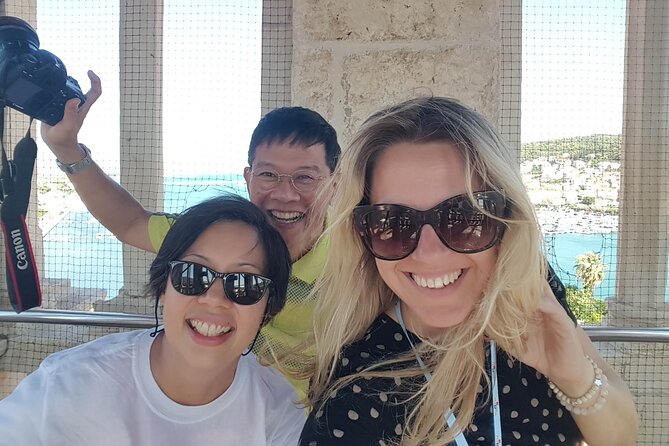
From the peristyle area, the walk continues to the Temple of Jupiter, a very short stop but useful for understanding the religious focus of the complex. The temple is part of how the palace asserted authority and belief at the same time.
Then comes the one stop where you need to make a choice: Cathedral of Saint Domnius. It’s originally built as Diocletian’s mausoleum, and it sits at the center of why this area still matters. On the tour, you get about 10 minutes at the stop, and the cathedral entrance is optional. The extra admission fee is listed as 5 EUR per person.
If you want value, think of the cathedral as an “add-on” to your story, not a distraction. You already learned how this space ties to Roman power and worship. Paying to enter can turn those clues into something more real and immediate. But if you’d rather keep the walk efficient or you’re not in the mood for an indoor stop that may be timed to entries, skipping inside still leaves you with a coherent route.
Tip: if you do plan to go in, go with a quick goal, like noticing what changed when the site became a cathedral. You do not need to read every plaque to get something meaningful out of it.
Old Split and the Golden Gate: where the palace became a city
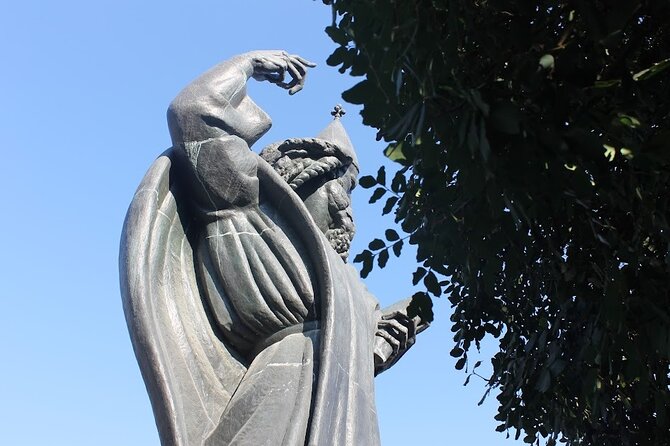
At Old Split, the tour shifts from palace focus to city focus. Split developed around a palace built in the late 3rd and early 4th century, and this stop helps you connect the old world to the lived-in one. After you’ve seen key palace spaces, this part of the walk feels like it turns a page.
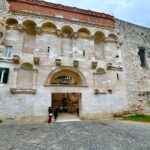
Then you reach the Golden Gate, the main entrance to the palace in Roman times. This is one of those landmarks you’ll recognize from photos, but the guided context helps it click. You’re not just looking at a pretty archway. You’re seeing the gate that controlled access into the power center.
This is also where Game of Thrones fans often perk up, because you’re in the thick of the palace areas that connect most strongly to the show’s location filming. Even if you never watch the series, Golden Gate works as a “pivot point” in your understanding of the whole complex: it connects outside street life to the palace’s inner workings.
A practical downside of these iconic spots is that they can feel quick. The time here is short, so if a specific photo spot is your priority, you might want to linger after the tour on your own. The benefit is that the guide helps you understand what you’re photographing, so your extra time afterward feels purposeful.
More marble lanes taken slowly:
- Split & Diocletian’s Palace Walking Tour
★ 5.0 · 1,125 reviews - Walking Tour of Split with a ‘Magister’ of History
★ 5.0 · 1,122 reviews - Split Walking Tour with Professor of History
★ 5.0 · 926 reviews - Split: Diocletian Palace & Old Town Guided Walking Tour
★ 4.7 · 882 reviews
Pjaca and Trg Brace Radic: finishing where everyday life happens
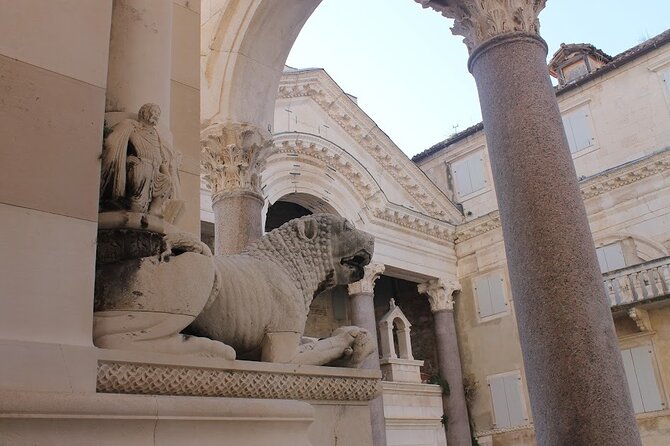
The tour continues with Pjaca, the main square in the old town. Then you stop at Fruit’s Square (Trg Brace Radic), where you can see baroque architecture, a Venetian tower, and a statue of Marko Marulić. The point of these last stops is not to cram more palace details into your head. It’s to land you in the city’s real center, where the old and the everyday overlap.
This ending matters because it helps you transition. After the palace, Split’s squares can look like just another pretty plaza. With the tour’s context, you start noticing how the historic core evolved and why people built and gathered where they did. You also get a sense of rhythm. This part of town is about strolling, grabbing a drink, and pausing between sights.
Finally, you return to Riva Harbor, back at the original starting position. That’s great for logistics because you can easily continue your day without hunting for a new meeting point or figuring out where you are.
Price and value: is 90 EUR per person fair?
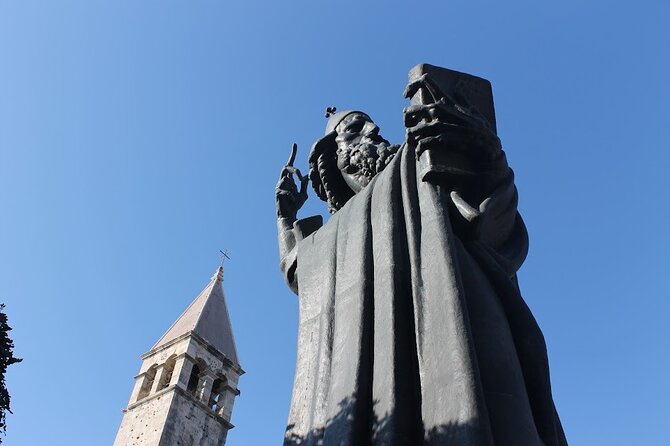
The price is listed as $90.02 per person, and the tour runs about 1 hour 30 minutes to 2 hours. For a private licensed guide, that cost can be fair value, especially if you like a focused route. You’re not paying for a huge group experience where you spend half your time waiting for the slowest person.
Where the value really comes through is in the structure. The stop plan keeps you moving through the most important palace touchpoints: substructures, vestibule, peristyle, temple area, cathedral exterior, Golden Gate, and the main squares. You get the story of how these spaces connect, rather than just a series of isolated photos. Also, the tour offers group discounts, so if you have a small group, the cost may feel easier to justify.
One more value point: the guide’s style. The experience has consistently strong feedback for Viktoria, with people praising how personable she is and how she makes history interesting. That combination matters. A great tour is not only correct, it is also clear, paced, and friendly. If you’ve ever had a guide rattle off dates, you’ll appreciate this approach more than you expect.
If you’re traveling solo and you want a private tour, this is one of the more sensible ways to see the core quickly. If you’re with a family and need more flexibility, private can also help because the guide can steer pacing to what works for you.
Best times to go, what to bring, and how to get more out of your walk
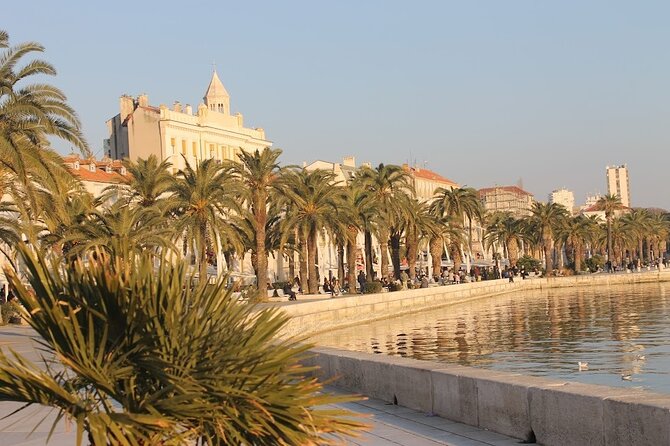
This is a daytime, walking-heavy experience. The tour’s hours run from 8:00 AM to 7:00 PM, which means you can often pick a less crowded time. Since you’ll be outside for most of the stops, weather matters, and the listing notes that good weather is required. If conditions are poor, you’ll be offered another date or a full refund.
What I recommend:
- Start your day with water and a light snack, so you don’t feel rushed when you’re standing still for explanations.
- Bring sunscreen and something to cover your shoulders if it’s sunny, because palace stone can reflect heat.
- Wear shoes with grip. Old town cobblestones are part of the charm, and also part of the slip risk.
- Decide in advance about the Cathedral of Saint Domnius entrance. If you want it, plan for the additional time and the 5 EUR per person fee.
After the tour, use the ending location wisely. Since you finish at Riva Harbor, you can easily continue on a self-guided loop through the old town, or grab lunch nearby without backtracking.
Should you book this Split Old Town history walking tour?
I think you should book this tour if you want a tight, high-impact route through Split’s most important palace and city landmarks, with context that makes the stones easier to understand. The format is great for people who feel overwhelmed by old cities and want a guide to connect the dots. It’s also a solid fit if you’re a Game of Thrones fan, because the palace filming connection is woven into the explanation in a way that helps you recognize what you’re seeing.
You might skip or swap plans if you want a longer, inside-heavy experience. The cathedral entrance is optional, and each stop is relatively short, so this is built for orientation and key highlights rather than deep museum-style time.
If you’re trying to decide, here’s the simple test: if you’d rather spend your limited time understanding the why behind the sights, this private walk is a good value. If you mostly want to wander without structure, you may prefer a self-guided route.
FAQ
FAQ
How long is the Split Old Town History and Monuments private walking tour?
It runs about 1 hour 30 minutes to 2 hours.
What language is the tour offered in?
The tour is offered in English.
Is this a private tour for just my group?
Yes. It is private, so only your group participates.
Are entrance tickets included for the main sights?
No admission tickets are included. The Cathedral of Saint Domnius has an optional entrance with an additional fee of 5 EUR per person, and other stops are listed as free to view during the tour.
Where does the tour start and end?
It starts at the Model of the historical core of the city of Split on Obala Hrvatskog narodnog preporoda 23, and it ends back at the same meeting point.
What happens if the weather is bad or I need to cancel?
The tour requires good weather. If it is canceled due to poor weather, you’ll be offered a different date or a full refund. You can cancel for a full refund up to 24 hours in advance.
Venetian Stones, Roman Streets

Latest arrivals logged at Split




Historical Tours, compared.
Walking Tour of Split with a ‘Magister’ of History
Read our review →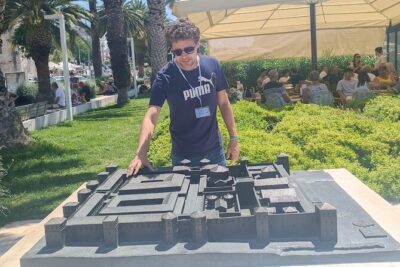
Split Walking Tour with Professor of History
Read our review →
Split History and Gastro Small-Group Tour with Food and Drinks
Read our review →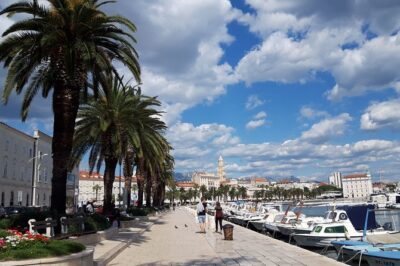
PREMIUM Emperor’s Walking Tour for History Lovers + Museum
Read our review →Browse the lists this tour appears in