
Reviewed · HISTORICAL TOURS
Split: Private Roman History & Market Tour
Split’s Roman streets have a way of pulling you in. This private 2-hour walk is built around Diocletian’s Palace, where you can see how one emperor’s world still shapes today’s city life, step by step. I especially love the pairing of Roman palace access with market food, because you get ideas you can taste and facts you can picture.
My other favorite part is the focus on everyday Split culture, not just big monuments. At the Green Market you’ll try seasonal local bites like fruits, vegetables, olive oil, rakija, cheese, and dry figs, and your guide explains how locals shop and snack like it is normal Monday business.
One consideration: at $280 per person, this is not a cheap “quick walk” option. If you only want photos and zero food, you might feel the price more than the value.
In This Review
- Key points to know before you go
- Why this private Roman history and market tour works so well in Split
- Meeting at the Riva, where the tour starts in the city’s heartbeat
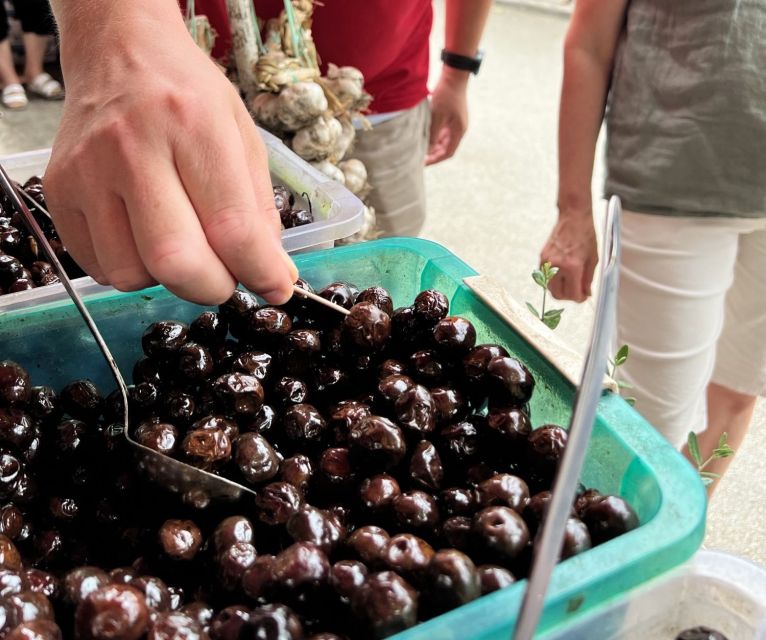
- Green Market stop: seasonal tastings and how locals actually shop
- Entering Diocletian’s Palace: Golden Gates, Vestibule, and the living walls
- Gregory of Nin, Hajduk, and the wish you can feel in your hand
- Ending on the Riva: satisfaction, plus a guide to what comes next
- Carbon neutral and eco-certified: how the “green” part shows up in real life
- Price and value: is $280 per person fair for 2 hours?
- Practical tips so your Roman history day stays easy
- Who should book this tour (and who might skip it)
- Should you book this Split Roman history and market tour?
- FAQ
- What is the duration of the Split Private Roman History & Market Tour?
- What language is the guide?
- Is this tour private?
- What do I do at Diocletian’s Palace on this tour?
- What food is included at the Green Market?
- What is not included in the tour?
- Is the tour child-friendly?
Key points to know before you go
- Private palace route: You visit the main square within the palace walls, a private section, the Vestibule, and the Golden Gates.
- Green Market tastings: Expect a small food tour with seasonal samples, not a full meal.
- Food is the story: You hear why Dalmatians connect hospitality and affection to what’s on your plate.
- Illyrian to Roman traditions: The tour ties local rituals back to older roots, not only emperors.
- Local-guide pace: In past runs, guides like Ted and Ivan got praise for being organized and well paced.
- Carbon neutral promise: The tour is operated by an eco-certified, B Corp certified company.
Why this private Roman history and market tour works so well in Split

Split can feel like a place you either rush through or settle into. This tour is designed for the settle option. Because it is private and only lasts 2 hours, you do not get stuck on a marathon schedule. Instead, you walk the core spaces in a tight loop, hear the connections between eras, and end feeling like you actually understand why this city is the way it is.
I like that the format avoids the usual trap of memorizing dates. You start with a living city, then you walk into Diocletian’s Palace, then you come back out to the Riva promenade, where locals still gather. It is a neat circle. You leave with Roman architecture in your head and local food in your stomach.
Also, this is not just “look at stones.” The experience includes stories about people and rituals, including traditions respected from Iliryan times, and it gives context for why certain names show up everywhere, including Hajduk. If you like history with human scale, you’ll appreciate that.
Meeting at the Riva, where the tour starts in the city’s heartbeat
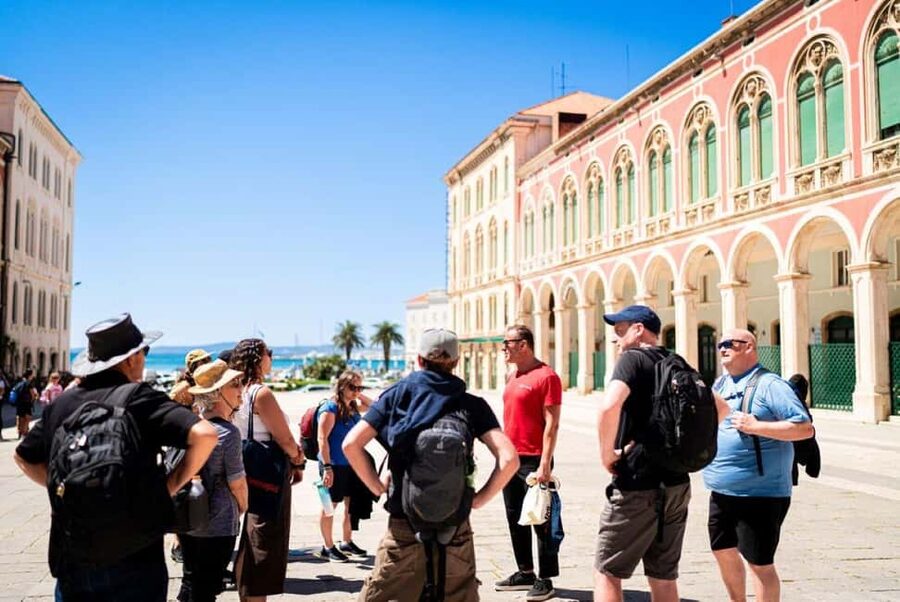
The meeting point is at the beginning of the Riva promenade, near the mock-up model of the city and by the iron map. That location matters. You are already in the part of Split where street life is loud, salty, and real. You get the sense that the old city is not a museum, it is a neighborhood.
Before you even enter the palace story, you can use those first minutes to orient yourself. The Riva area helps you map the direction of your walk, and your guide can point out how the palace walls shape the streets you see later.
If you arrive early, take a minute to watch the flow of people along the promenade. Then, when you step into the palace lanes, the contrast will feel obvious, in a good way.
More fish counters and fig stalls:
- Private Split: Visit Diocletian Palace & Taste Food at the Market★ 5.0 · 33 reviews
- Three Lakes Tour (every day) / Tuesday Zadvarje Market★ 4.9 · 51 reviews
- Zagreb Walking Food Tour – Sightseeing – Dolac Market Visit★ 5.0 · 38 reviews
Green Market stop: seasonal tastings and how locals actually shop
The tour’s food center is the Green Market of Split. This stop is not random. It’s an intentional bridge between old Roman walls and the everyday rhythms that still matter here.
During the market time, you’ll meet local vendors and learn how locals buy and choose seasonal items. That sounds simple, but it changes how you experience everything else. You stop seeing food as a side quest. You start seeing it as a cultural language.
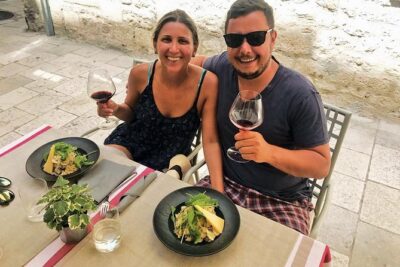
The tastings you can expect include fruits, vegetables, olive oil, rakija, cheese, and dry figs. Even if you are not a big foodie, this mix gives you a snapshot of what locals reach for, especially when seasons shift. You’ll also probably notice how the guide keeps the stories tied to what’s in front of you. That is the point of the tour’s big claim about getting to a Dalmatian’s heart through the stomach. It is practical, not just poetic.
Possible drawback to plan for: since tastings are included but extra drinks and additional food are not, you may want to pace yourself. If you know you will be hungry after, decide ahead of time whether you want to add something after the tour at one of the guide’s recommended spots along the Riva.
Entering Diocletian’s Palace: Golden Gates, Vestibule, and the living walls
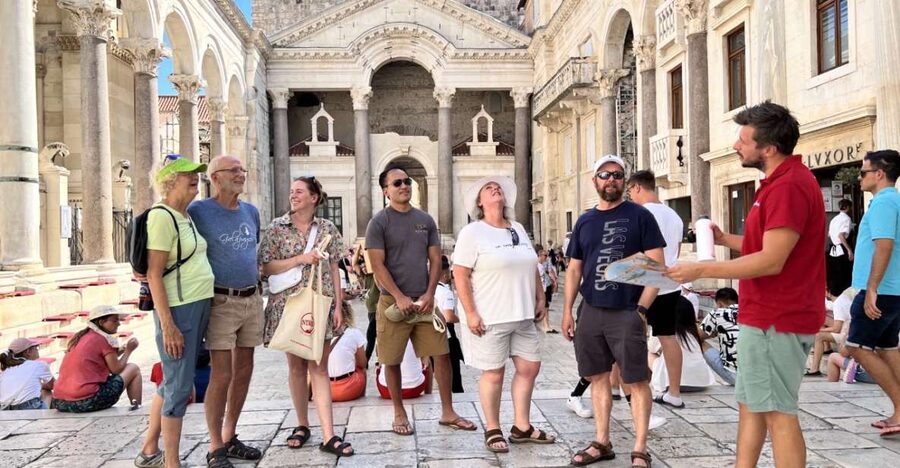
Diocletian’s Palace is the headline for a reason. You are walking inside one of the world’s best-preserved Roman palace settings, and Split still grew into it rather than out of it. The tour includes key areas you can’t miss: the main square within the palace walls, a private section, the Vestibule, and the Golden Gates.
What I love about this layout is that it helps you understand the palace as a place, not just a landmark. You get the sense of movement. You get sightlines. You get the feel of spaces that were built for authority, ceremony, and daily life.
The tour also connects the palace to how people live now. The palace is UNESCO World Heritage, and it is also where locals hang out and where the well known TV filming legacy has added extra attention. Your guide’s job is to pull you back to the local point of view, so you see why the buildings matter beyond entertainment.
Your palace walk includes the heart area called Peristil. In that space, you’ll hear stories about secrets hidden in the walls of Diocletian’s Palace, plus explanations tied to why the emperor loved salad and why people talk about a piece of mythical White Stone. Even if you take the legends with a grain of salt, the storytelling makes the place feel closer.
Small tip: wear shoes that handle uneven stone. You’re moving through historic surfaces, and you’ll enjoy the tour more when your feet are happy.
Gregory of Nin, Hajduk, and the wish you can feel in your hand
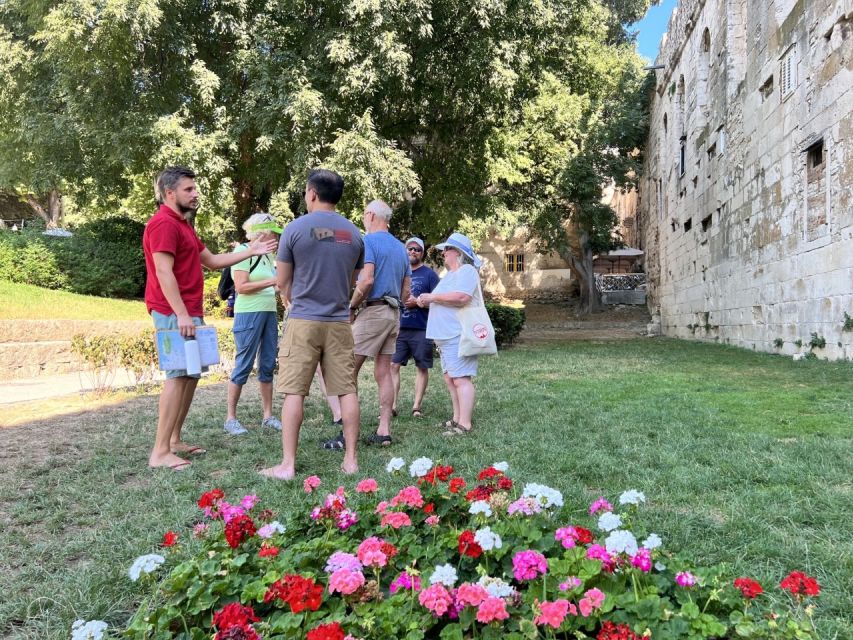
After the market and the palace core, the tour shifts into names, rituals, and local pride. One of the most memorable moments is stopping at the golden toe of Gregory of Nin, also known as Grgur Ninski, where you can make a wish.
That ritual is the kind of thing that would be easy to miss if you were walking alone. But here it works because the tour is already teaching you how old traditions coexist with current life. You’re not just knocking off a photo moment. You’re joining a tiny local act that survived because locals still care.
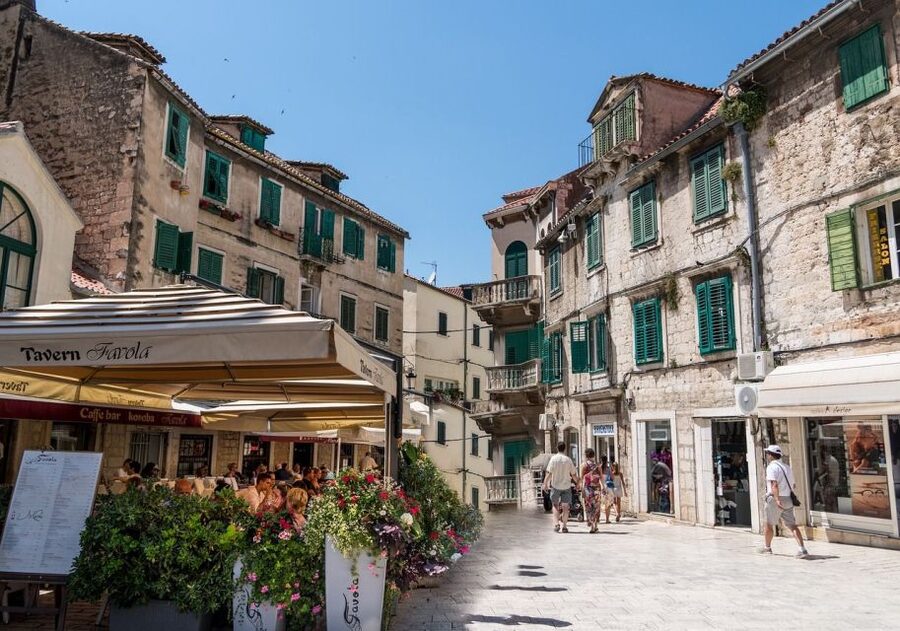
Then you get stories about Hajduk Split and why you see that name everywhere, from the suburbs into the old town area. For many visitors, sports clubs are just a logo. Here, it becomes a clue to how communities claim identity and keep it visible.
If you like history with a pulse, this is where the tour gains extra warmth. It turns Roman architecture into something you can relate to, through local rituals and modern pride.
More Venetian stones and Roman streets:
- Walking Tour of Split with a ‘Magister’ of History
★ 5.0 · 1,122 reviews - Split Walking Tour with Professor of History
★ 5.0 · 926 reviews - Split History and Gastro Small-Group Tour with Food and Drinks
★ 5.0 · 375 reviews - SPLIT-PREMIUM Emperor’s Walking Tour for History Lovers + Museum
★ 5.0 · 333 reviews
Ending on the Riva: satisfaction, plus a guide to what comes next
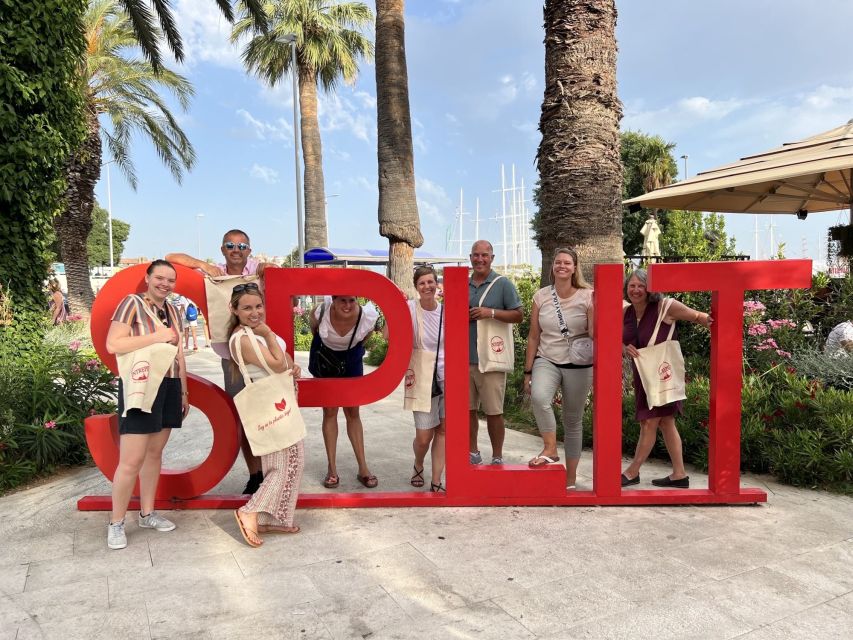
The tour finishes on the Riva promenade. That matters because it is a natural decompression zone after walking palace interiors and market lanes. Instead of ending in a random square, you end where you can immediately continue life at a slower speed.
Your guide will point you toward their favorite coffee shops and the best spots for an evening of Dalmatian delicacies and entertainment. You are not being sent on a scavenger hunt. You are getting practical direction for what to do next, based on where locals actually go.
This is a good wrap because your brain has just switched time periods. One minute you are thinking about Diocletian’s design choices. Next, you are thinking about what you might eat or sip along the promenade.
If you want to keep momentum, plan for a relaxed food stop after. If you’re watching your budget, set a cap now so the tastings do not turn into an accidental spending spiral.
Carbon neutral and eco-certified: how the “green” part shows up in real life
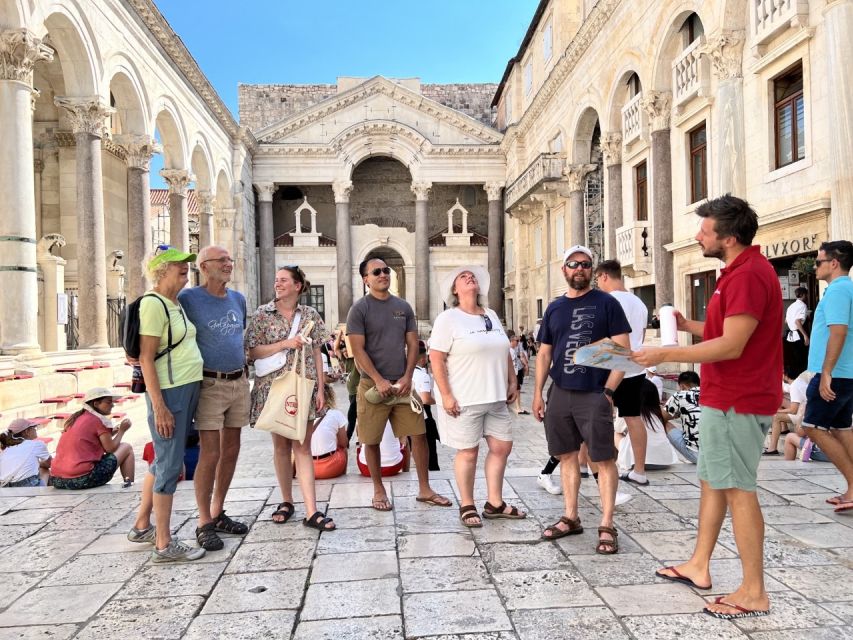
The tour is carbon neutral and organized and led by an eco-certified tour operator. It is also run by a B Corp certified company committed to using travel as a force for good.
Now the honest take: you are not going to see a wind turbine powering your walk. But carbon neutral touring is still meaningful, because it signals a company is managing emissions and making operational choices around the experience. If you care about that, it’s a strong reason to pick this one over a similar tour that does not mention it.
In a place like Split, where tourism can spike, any move toward lower-impact operations is at least worth rewarding.
Price and value: is $280 per person fair for 2 hours?
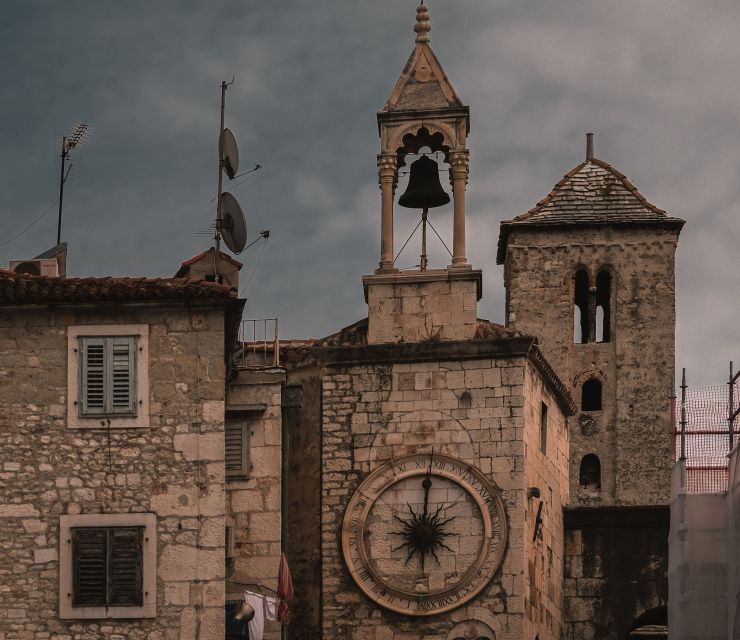
At $280 per person for a private 2-hour tour, this is priced like a premium experience. The question is what you actually get for that money.
Here’s what is included:
- A local English-speaking guide
- Green Market food tastings with items like olive oil, rakija, cheese, fruits, vegetables, and dry figs
- Diocletian Palace visit to the main square within the palace walls, plus a private section, the Vestibule, and the Golden Gates
What you do not get:
- Entrance fees to several specific palace and museum areas, including the cathedral of the ex-Emperor mausoleum, the underground, the bell tower, museums, and the Temple of Jupiter
- Extra food and drinks beyond the tastings
So the value math depends on your priorities. If you want a private pace, plus market tastings, plus multiple targeted palace areas, the price starts to make sense. You are paying for time, access, and the guide’s ability to turn the route into a coherent story.
If you mainly want the cheapest possible overview, then this will feel steep. But if you want a guide-led walk that mixes Roman architecture with local eating, you’ll likely find it less expensive than it first appears, because it bundles the parts that can cost money and effort when you plan them yourself.
Practical tips so your Roman history day stays easy
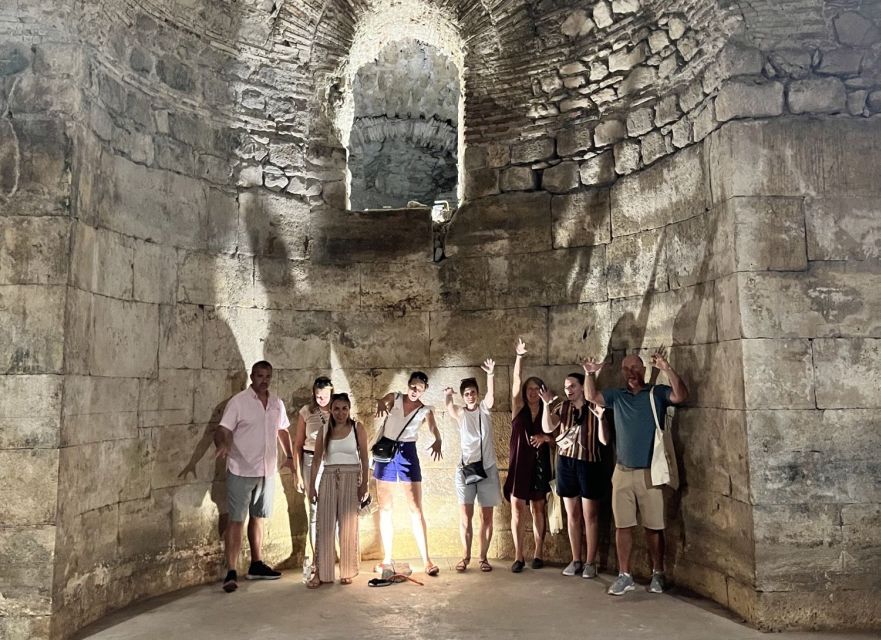
A few things that help you enjoy this tour from start to finish:
First, plan for a short but active walk. Two hours in Split can feel longer if you stop often, and this tour does stop.
Second, eat lightly before the Green Market if you tend to feel stuffed fast. The tastings include multiple items, and the goal is sampling, not a heavy meal.
Third, dress for uneven stone and sun. Even if it is not hot, palace surfaces can feel sharp on your feet and the market has open air.
Finally, bring curiosity. The tour is strongest when you ask questions. The guides who have led this experience, including names like Ted and Ivan from previous feedback, have been praised for pacing and clear explanation. That means you can steer the conversation a bit if something grabs you.
Who should book this tour (and who might skip it)
This is a great fit if:
- You want a private guide in Split’s old core
- You like history told through real places, not just big facts
- You enjoy food tastings and want market context
- You care about carbon neutral touring and eco-certified operations
You might skip it if:
- You are only looking for a self-guided highlights route
- You dislike food tastings or prefer full restaurant meals instead of sampling
- You want specific paid sites inside the palace complex, like the underground or temple areas, since those are not included
Should you book this Split Roman history and market tour?
If your idea of a great day in Split is equal parts palace walk and local eating, I’d say yes. The tour is compact, structured, and it hits the main emotional beats: Roman power, local life, and the ritual of wish making, finished with a promenade where you can keep going.
At the same time, the $280 price tag means you should be honest about what you want. If you are not interested in the Green Market stop and the Diocletian Palace route, you’ll probably feel the cost more than the benefit.
My practical advice: book it when you want guidance more than wandering, and when tastings and stories are your kind of travel.
FAQ
What is the duration of the Split Private Roman History & Market Tour?
The tour lasts 2 hours.
What language is the guide?
The tour is guided in English.
Is this tour private?
Yes, it is a private group tour.
What do I do at Diocletian’s Palace on this tour?
You visit the main square within the palace walls, plus areas including a private section of the palace, the Vestibule, and the Golden Gates.
What food is included at the Green Market?
The Green Market stop includes tastings such as fruits, vegetables, olive oil, rakija, cheese, and dry figs.
What is not included in the tour?
Entrance fees are not included for the cathedral of the ex-Emperor mausoleum, the underground of the palace, the Bell Tower, museums, and the Temple of Jupiter. Additional food and drinks are also not included.
Is the tour child-friendly?
Yes. Children under age 6 can join for free. Be sure to inform the operator if you’re bringing a child under 6.
More Shopping Tours in Split
Latest arrivals logged at Split

Historical Tours, compared.
Walking Tour of Split with a ‘Magister’ of History
Read our review →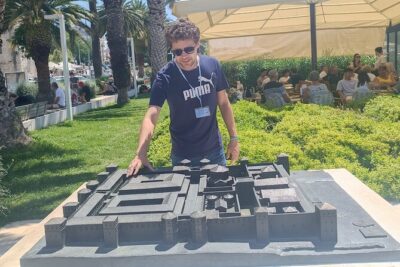
Split Walking Tour with Professor of History
Read our review →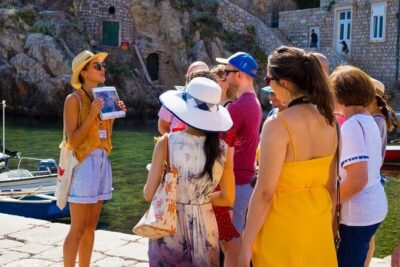
Split History and Gastro Small-Group Tour with Food and Drinks
Read our review →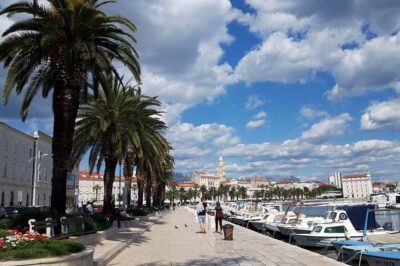
PREMIUM Emperor’s Walking Tour for History Lovers + Museum
Read our review →Browse the lists this tour appears in