
Reviewed · HISTORICAL TOURS
Zeljava Airbase: History and Adventure Tour
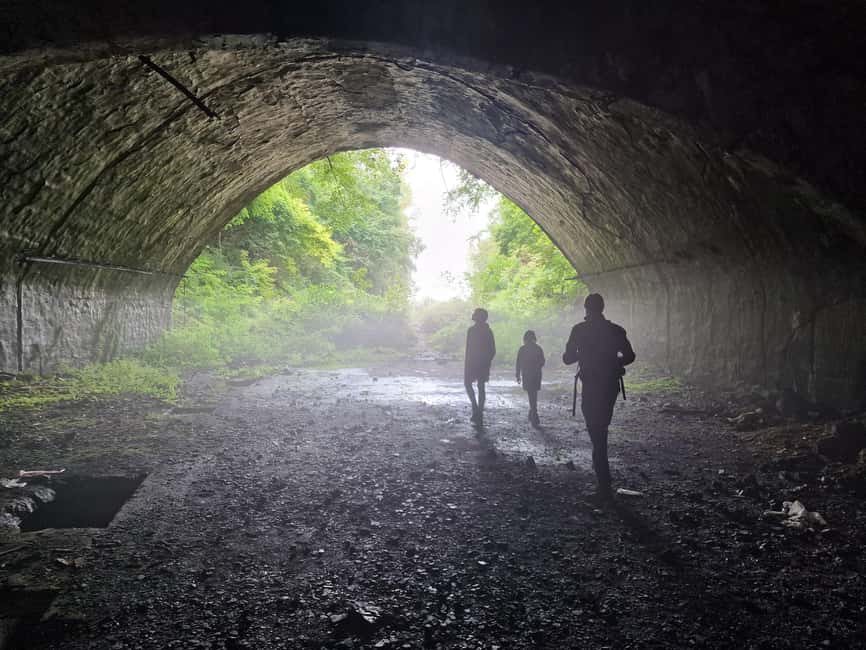
Zeljava Airbase feels like a time machine. You start at an abandoned Douglas C-47 Dakota and end back there, but the real thrill is a guided walk into tunnels built for pilots and planners.
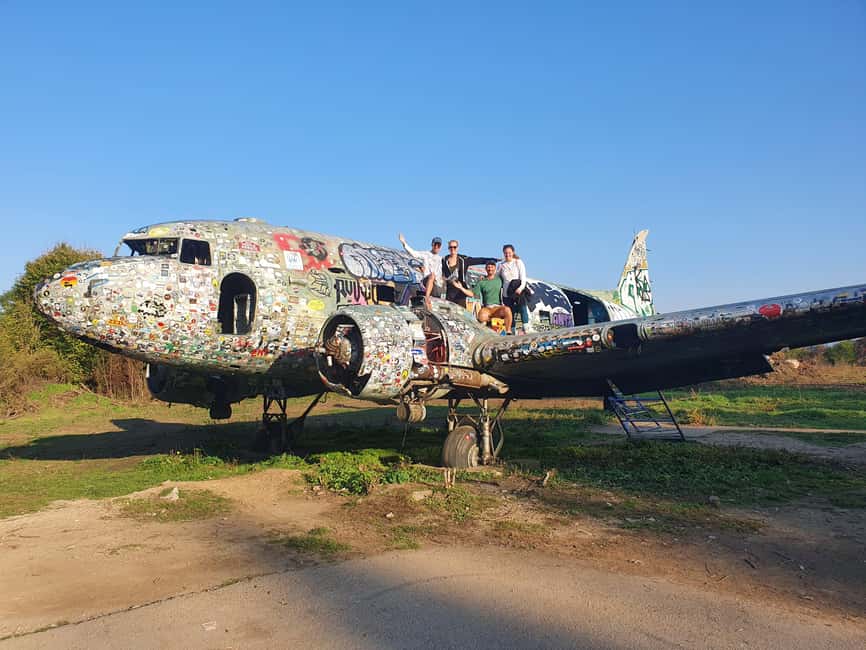
I love that you can climb on the aircraft and explore the interior before you ever hit the runway. I also love the strong flashlights and the safety briefing that sets expectations for the dark, damaged spaces ahead.
One drawback to plan for: this is not a museum stroll. It can feel tight and uneven underground, so it is not a fit for claustrophobia or people with respiratory issues.
In This Review
- Key highlights before you go
- Zeljava Airbase, why the aircraft and tunnels feel different
- Meeting at the Douglas C-47 Dakota 71212 YAF
- The quick scenic drive to the “plane-shaped” entrance
- Driving the runways, then getting ready for the tunnel
- The 3-kilometer tunnel walk, safety rules, and real atmosphere
- What to watch for underground
- How Antonio’s stories change what you see
- Getting back out: back to the aircraft, same route energy
- What to wear and bring for an abandoned underground site
- Who this tour fits best, and who should skip it
- Price and value: why $58 can feel fair here
- Should you book the Zeljava Airbase tunnels tour?
- FAQ
- How long is the Zeljava Airbase tour?
- What is included in the tour price?
- Is transfer included?
- Where do I meet the guide?
- What languages is the live guide available in?
- Is the tour suitable for claustrophobia?
Key highlights before you go
- Douglas C-47 access first, including a photo stop and time to climb and look inside the aircraft
- Runway driving moments, where you can imagine takeoffs while getting real views of the underground entrance
- A 3-kilometer tunnel walk with flashlight checks and clear safety rules before you go dark
- Antonio’s human stories, covering employee experiences, relationships, and conflicts tied to the base
- Construction, operations, and destruction, explained as you move through rooms and corridors
- A guided pace that helps you focus, since abandoned areas can be confusing without local context
Zeljava Airbase, why the aircraft and tunnels feel different
Zeljava Airbase is one of those places that can feel plain on the outside, then instantly turn unreal once you step into the structure. The tour is built around two vivid anchors: an abandoned Douglas C-47 Dakota aircraft and a long, guided passage through underground tunnels.
What makes it work for me is the mix of scale and story. You do not just look at concrete. You get the feel of how the base was organized, how it worked, and how it later fell into destruction, in the same route.
And yes, the guide matters a lot. In this case, Antonio is the name you will hear, and his approach is what turns a strange site into something you can actually picture, from daily operations to the messy personal side of working there.
Meeting at the Douglas C-47 Dakota 71212 YAF
The experience starts right in front of the airplane. This is not a roadside viewpoint. It is a proper photo stop first, about 10 minutes at Douglas C-47 B Dakota 71212 YAF, and you get the kind of access most ruins never offer.
I like this opening because it gives you a reference point right away. You walk in, see the aircraft, and then your brain switches from sightseeing to exploration. From there, you climb on and look inside. That small shift makes the underground part land harder.
Practical tip: wear clothes you can treat casually. The tour is about an abandoned, partially damaged facility, so you should not plan on keeping everything pristine. If you bring your best outfit, you will spend the whole walk worrying about it instead of paying attention.
More Venetian stones and Roman streets:
- Zadar Olive Oil & Wine with Dalmatian Views & History★ 5.0 · 34 reviews
- Dubrovnik Old Town History Walking Tour★ 5.0 · 1,684 reviews
- Zagreb: City & History Walking Tour & WW2 Tunnels★ 4.9 · 1,202 reviews
The quick scenic drive to the “plane-shaped” entrance
After the airplane stop, you move on to the next phase with a short scenic drive and photo time, around 5 minutes. As you travel on and around the runways, the guide keeps you oriented so you can start imagining pilots’ takeoff routines.
This is also when you catch views of the dramatic tunnel access. You will see a plane-shaped hole cut into the hill from the road area, and that moment does two things:
1) It makes the underground plan feel intentional.
2) It breaks up the tour so you are not mentally stuck in just one place.
If you like aviation details, you will probably enjoy the “pretend takeoff” feeling here. It is not a flight simulator, but it gives your brain a job to do while you move across the runways.
Driving the runways, then getting ready for the tunnel
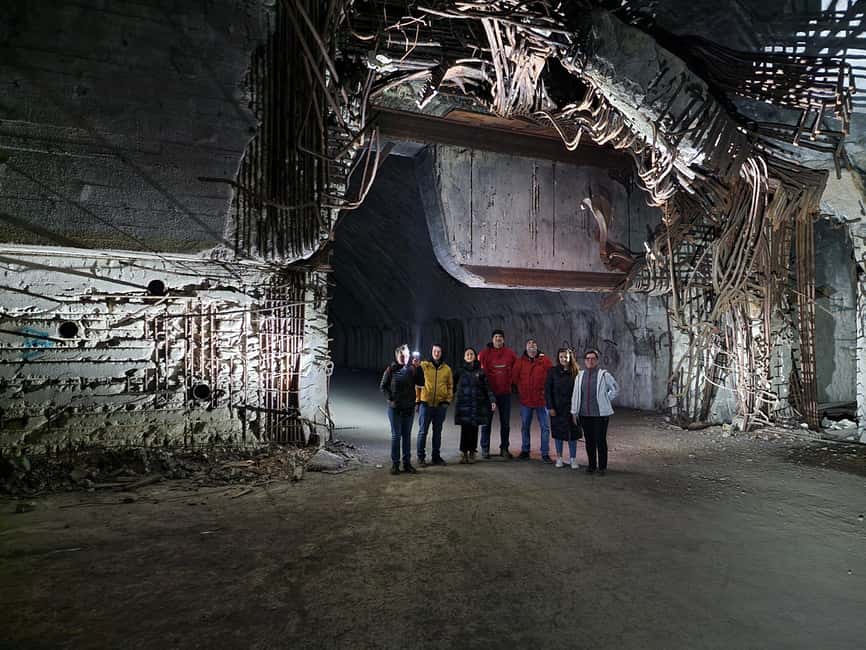
The tour includes cautious driving across the runways. From a visitor perspective, it is a rare way to understand the geography of an airbase, not just the underground “attractions.”
This part matters more than it sounds. Runways are long, flat, and repetitive, which is exactly what pilots deal with. Even if your imagination is imperfect, the physical sense of distance helps you understand why certain designs make sense.
Then comes the transition: you approach the tunnel entrance, and the guide does a flashlight check plus safety rules. I like that the tour does not assume you will know how to behave in a ruin. You get guidance upfront, which helps you move confidently instead of guessing in the dark.
The 3-kilometer tunnel walk, safety rules, and real atmosphere
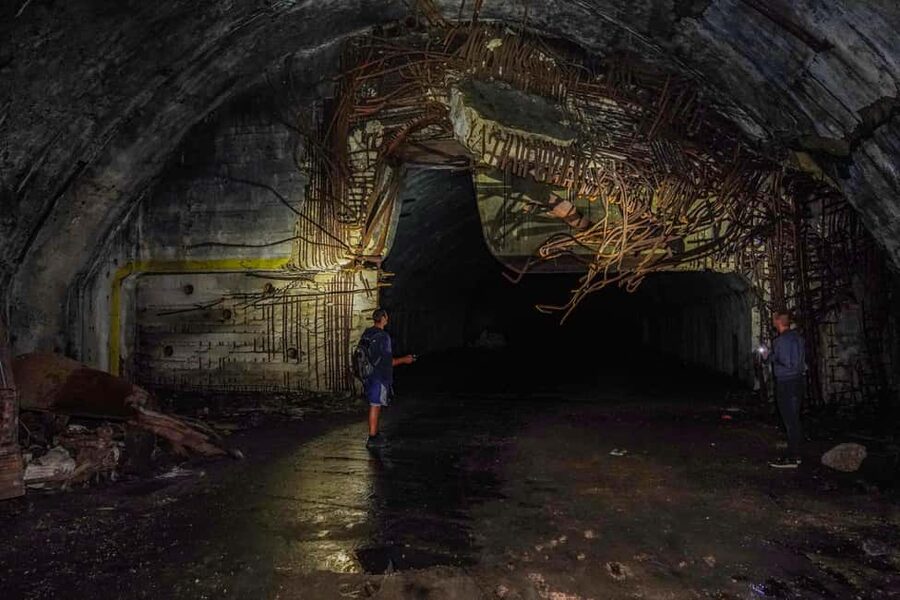
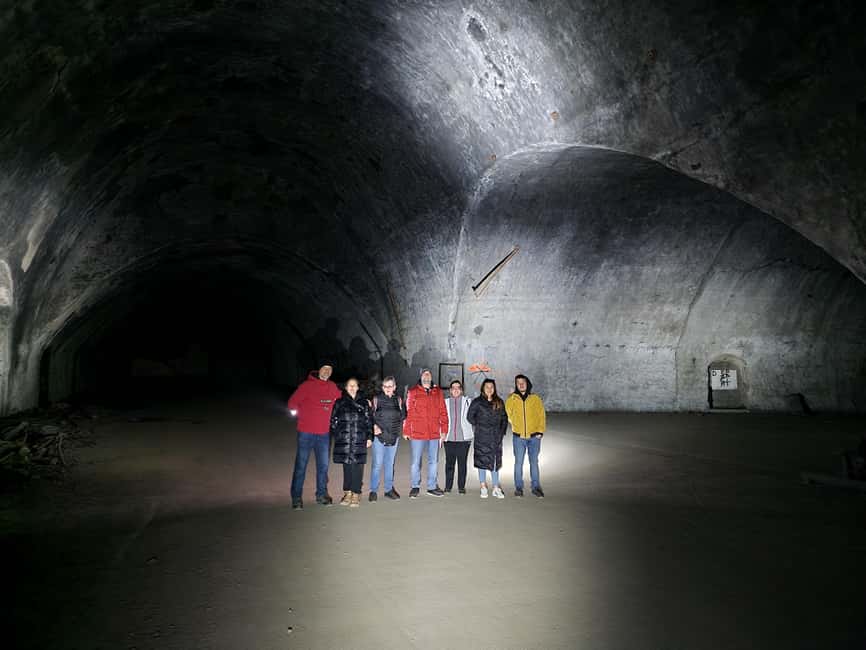
The core of the tour is the guided tunnel exploration, about 105 minutes total for the underground part, built around a roughly 3-kilometer walk through dark passages.
In practice, the tunnel section is where you stop thinking like a tourist and start moving like a careful explorer. Strong flashlights are included, and the guide’s job is to keep the group moving at a steady pace while explaining what you are seeing.
Here is what I focus on during this part:
- Construction and layout, described while you walk through corridors and rooms
- How the base operated during its working years
- How and why it was later destroyed
- The human side, including employee experiences, relationships, and conflicts
This is where Antonio’s storytelling really earns the praise. He does not just toss facts. He links places to people, so you can sense how the base felt inside, not only what it looked like from outside.
Two moorings down in Croatia:
- Zadar: Original Island-Hopping Speedboat Tour
★ 4.9 · 1,934 reviews - Montenegro Tour with Optional Kotor Bay Boat Cruise
★ 4.6 · 142 reviews - Split: Guided Kayak Adventure Tour
★ 4.9 · 121 reviews - Makarska: 3 island, Cave, Cliffs, Jelsa, Lagoon, Golden Horn
★ 4.8 · 106 reviews
What to watch for underground
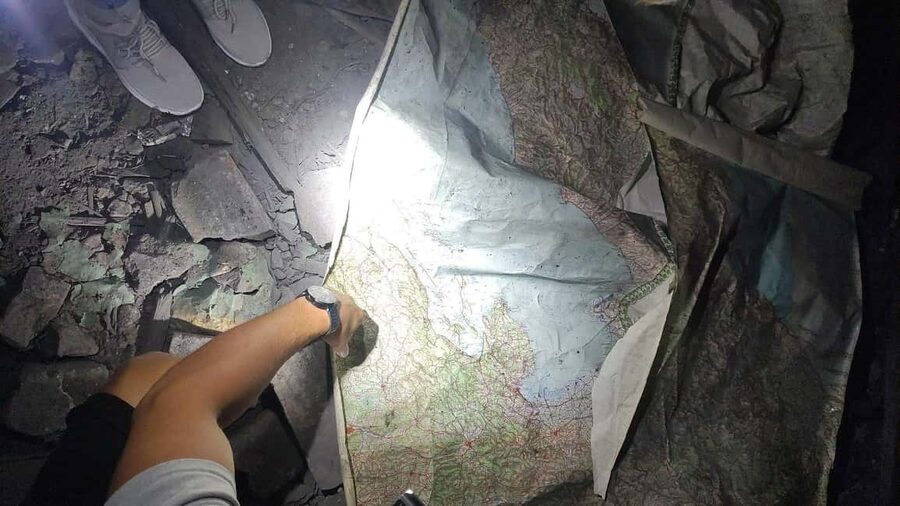
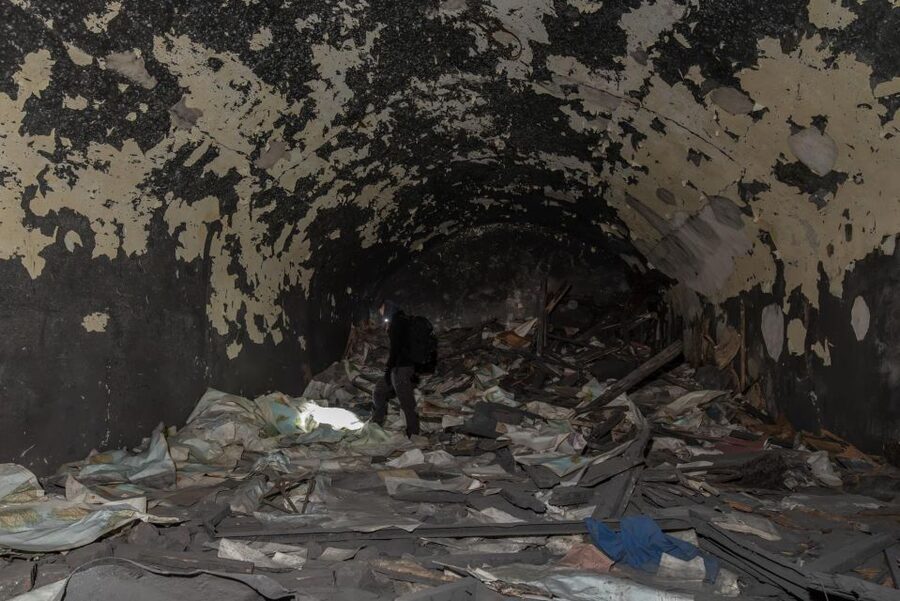
The site is abandoned and partially demolished, so you should expect damaged areas. Some confined sections can be cramped, and there may be ash or dust in certain rooms. The tour route also includes areas where ceilings or metal parts look unstable, so moving slowly matters.
I recommend treating the tunnels like a place where you control your speed, not where you try to “power through.” If you think you might have dust sensitivity, consider protecting your respiratory system with a mask. If you have to choose between comfort and safety gear, safety wins.
Also, note the clear rule: bare feet are not allowed. So plan on real coverage.
How Antonio’s stories change what you see
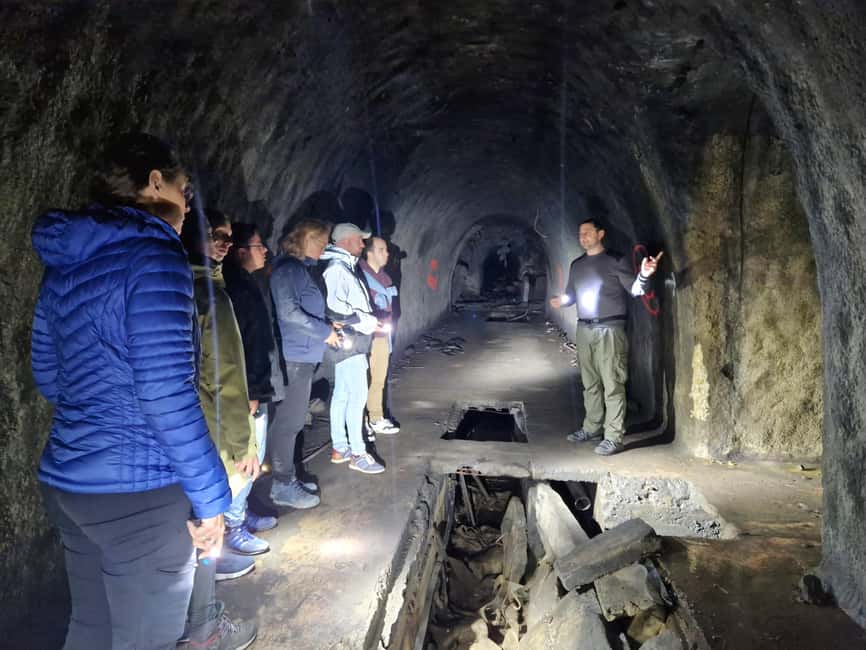
Plenty of history tours can feel like a slideshow. This one leans hard on lived experience.
Antonio has strong local context and a track record of sharing personal stories tied to the airbase, including how employees interacted, what relationships formed, and where conflict showed up. That human layer is part of why the tour scores so high in real life.
I also like that the explanations are not just one track. You get technical framing for the base’s structure, plus political context in the way it is presented along the route. Even if you are not a war history specialist, the guide’s way of connecting rooms to purpose helps everything feel coherent.
And the best part, for me, is how the stories keep you attentive in the dark. When you understand why you are standing in a certain corridor, the tunnel stops being a scary feature and starts being a place with purpose.
Getting back out: back to the aircraft, same route energy
The tour ends by returning to the airplane. That matters because it gives you a “you did it” finish. After the dark tunnel and the physical effort, the open air around the aircraft feels like a reset.
You also get a more complete experience arc. Start above ground with aviation visuals, then go underground to understand systems and human life, then come back out and connect the dots again.
What to wear and bring for an abandoned underground site
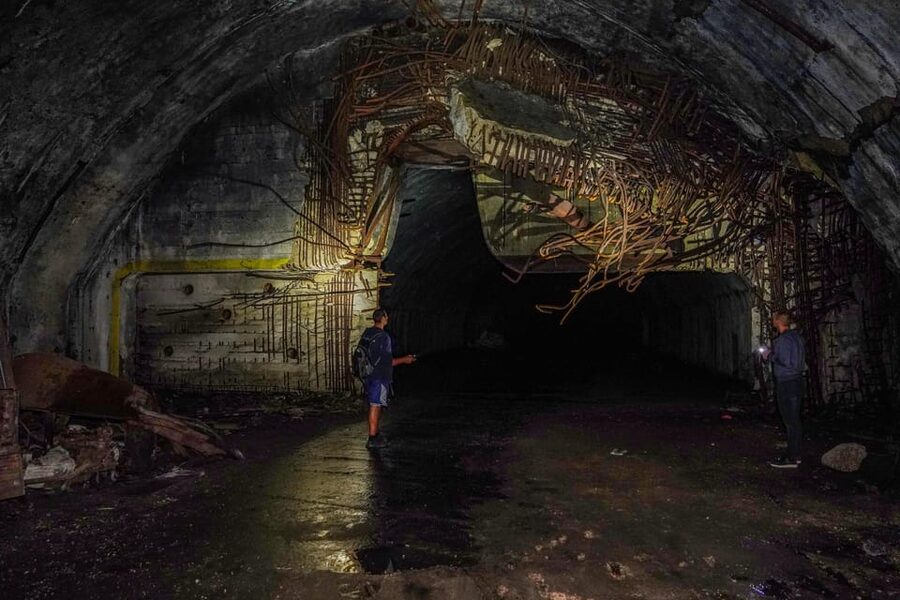
This tour has a clear reality check built in: it is inside an abandoned facility. That means your comfort and clothing choices affect your enjoyment more than on typical city tours.
From the practical advice that matches what happens on site, I would plan around these basics:
- Wear rugged shoes or boots, because the ground can be rough.
- Bring an additional layer like a hoodie or jacket. Underground areas can feel colder, and you want something warm without being bulky.
- Use clothing you do not mind getting dusty or ashy, especially in tighter rooms.
- If dust bothers you, consider a dust mask.
- Gloves can help for comfort and grip if you are handling surfaces while moving carefully.
One more thing: follow the rules. No strollers, no littering, and no bare feet. That keeps the group safe and keeps the site respected.
Who this tour fits best, and who should skip it
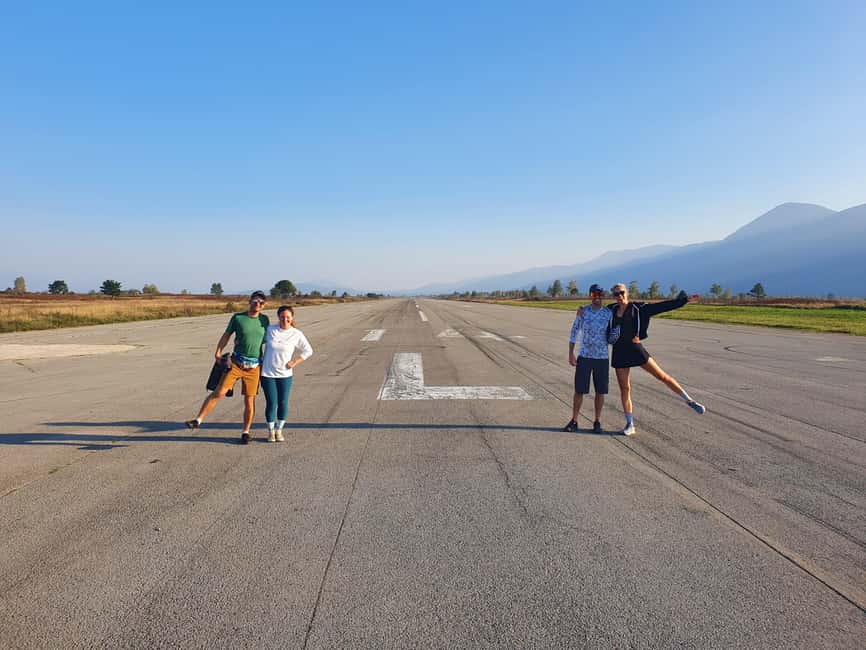
This is not a casual walk. It is a guided adventure in a dark, partially demolished site, so your body and comfort level matter.
You will likely enjoy it most if you:
- Like aviation history and war-era infrastructure
- Want hands-on exploration, including access to the inside of the Douglas C-47
- Enjoy a guided route with safety direction and story-led context
- Feel comfortable walking through tunnels with a flashlight
You should skip this tour if you are in the listed risk groups:
- Children under 8 years
- People with claustrophobia
- Wheelchair users
- People with respiratory issues
- People over 95 years
If you are close to one of those limits, be honest with yourself. The tour depends on moving through spaces that can feel confined and dark.
Price and value: why $58 can feel fair here
At $58 per person for a 2-hour experience, you are paying for more than a ticket. You are paying for real access and active guiding:
- Time inside the aircraft and around the airbase areas
- A guided tunnel walk that includes flashlight support
- Safety rules and on-the-spot explanations through construction, operations, and destruction
- A guide who brings detailed personal stories, including employee experiences and conflicts tied to the base
The main thing to remember is that transfer is not included. So your true “cost” depends on how you get there. If you already have transport covered, the price starts to look very reasonable for the access you get.
Should you book the Zeljava Airbase tunnels tour?
Book it if you want an authentic, hands-on history adventure where the guide actually shapes how you understand the site. This is especially worth it if you are drawn to aviation leftovers, tunnels, and human stories tied to places that do not exist like museums.
Skip it if you want polished, comfortable facilities, or if you are sensitive to dust, enclosed spaces, or uneven ground. And if you have any claustrophobia or respiratory concerns, listen to your body and choose a different type of outing.
If you do book, dress like you are exploring. Bring your comfortable layer, your best non-slip shoes, and your flashlight mindset: slow, careful, curious.
FAQ
How long is the Zeljava Airbase tour?
The tour duration is 2 hours.
What is included in the tour price?
Strong flashlights are included.
Is transfer included?
No, transfer is not included.
Where do I meet the guide?
Meet in front of the airplane.
What languages is the live guide available in?
The live tour guide is available in English and Croatian.
Is the tour suitable for claustrophobia?
No, it is not suitable for people with claustrophobia.
Latest arrivals logged at Croatia







Historical Tours, compared.
Walking Tour of Split with a ‘Magister’ of History
Read our review →
Split Walking Tour with Professor of History
Read our review →

Split History and Gastro Small-Group Tour with Food and Drinks
Read our review →
PREMIUM Emperor’s Walking Tour for History Lovers + Museum
Read our review →Browse the lists this tour appears in