
Reviewed · WALKING TOURS
Zagreb: Group walking tour of Zagreb (funicular included)
A cannon blast is just part of Zagreb. This small-group walking tour keeps a relaxed pace while you hear legends, history, and local stories, and it ends with the famous noon cannon at Lotrščak Tower. One heads-up though: the funicular (Uspinjača) is currently closed for renovations, expected to reopen in March 2026, so the funicular part may not run on your date.
What I like most is how focused it is on the places you actually want in a first visit, from Kaptol and the Cathedral to Gradec and St. Mark’s, without turning into a rushed checklist. The tour is led by a licensed English-speaking local guide, and guides like Ines are repeatedly praised for being friendly, patient, and funny, which makes the whole walk feel more like a conversation than a lecture.
In This Review
- Key Highlights Worth Your Time
- Why This Tour Works for a First Trip to Zagreb
- Starting at Zrinjevac and Getting Oriented Fast
- Cathedral and Kaptol: Where the City’s Shape Starts to Make Sense
- Dolac Market and Tkalčićeva Street: Zagreb Outside the Postcards
- Bloody Bridge Street: A Name With a Story Behind It
- Gradec Hill, Stone Gate, and a Miracle Story
- St. Mark’s Church Roof, Parliament, and Government Buildings
- Ćirilometodska Street: Alphabet, Theater, Witches, and Art
- St. Catherine’s Church: Baroque Stucco and a Painted Ceiling
- Lotrščak Tower and the Noon Cannon Fire
- Uspinjača Funicular: Ticket Included, But Check the Reopen Date
- Ending at Ban Jelačić Square: Modern Zagreb as Your Finishing Point
- Price and Value: What $23 Buys You in Zagreb
- Who This Tour Suits Best (And Who Might Want to Skip It)
- Should You Book This Zagreb Stories Tour?
- FAQ
- How long is the Zagreb group walking tour?
- Where does the tour start?
- Is the tour in English?
- Is the funicular included?
- How large is the group?
- Does the tour include the noon cannon fire?
Key Highlights Worth Your Time
- Up to 15 people, so you can actually hear the guide and ask questions.
- Noon cannon at Lotrščak Tower, right on schedule (and no, it is not a one-off).
- Must-see central sights packed into about 150 minutes, with story-based stops.
- Dolac market and Tkalčićeva Street for Zagreb’s everyday life, not just monuments.
- Gradec Hill views and old-town corners, including Stone Gate and St. Mark’s Church.
- Funicular ticket included, but the line is closed for renovations until March 2026.
Why This Tour Works for a First Trip to Zagreb
Zagreb is one of those cities where the center is compact, but the stories are layered. On this tour, you move through that center with a guide who knows the city well enough to make connections, not just recite dates. You get a first-timer’s map in human terms: where to look, what to notice, and why certain buildings and streets matter.
The timing also helps. In about 150 minutes, you cover a lot of ground, including the climb to Gradec Hill, without making the whole day feel like a marathon. And the group size cap, at no more than 15, matters more than it sounds. Fewer people means a better rhythm and better listening, especially at popular photo spots and inside churches.
The best part is the structure built around moments. You start in a park and quickly pivot to the historic core. You hit the market and the city’s lively streets. Then you climb, slow down for church details and old defenses, and end with the modern center at Ban Jelačić Square. If you like walking tours that feel like a story, this format fits.
Starting at Zrinjevac and Getting Oriented Fast
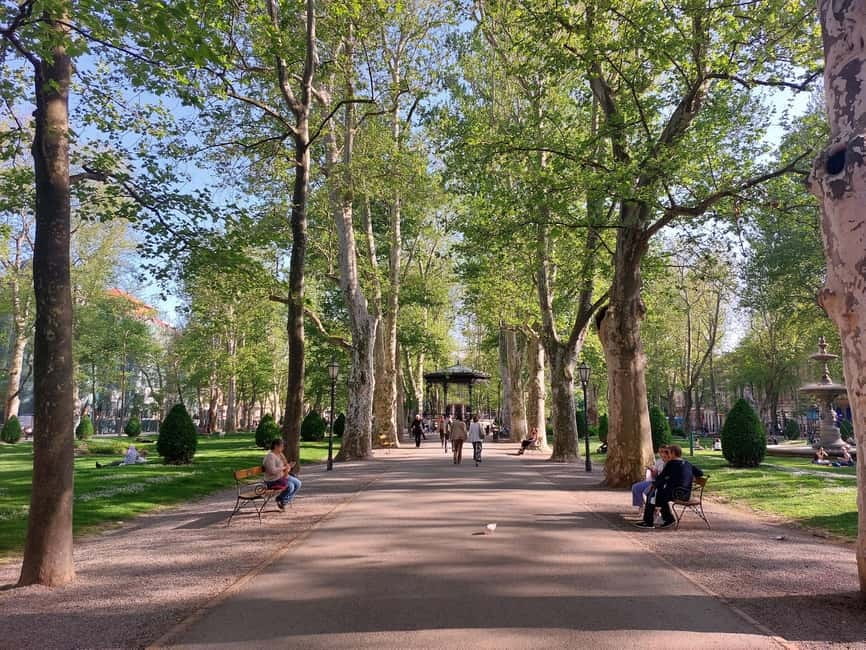
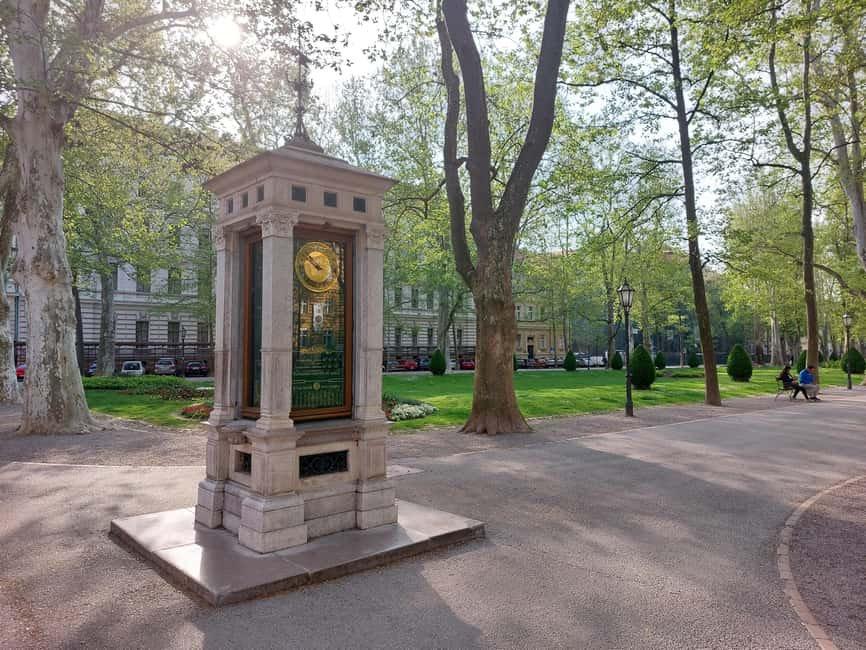
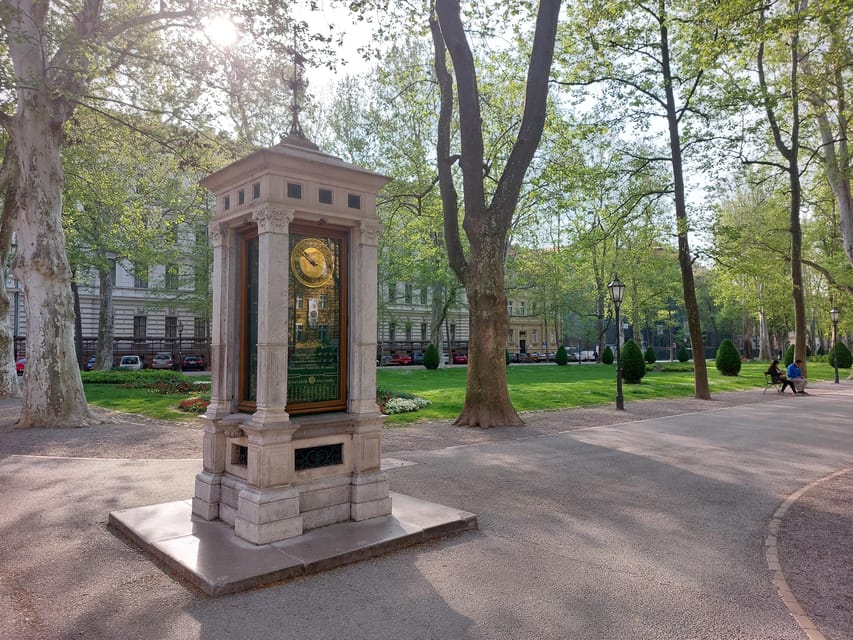
You meet at Nikola Šubić Zrinski Square (Zrinjevac), right by the meteorological post. The guide is easy to spot with a sign, so you are not doing airport-style guessing games.
Zrinjevac is a good first stop because it puts you in the right mindset. This is Zagreb’s calm open space that anchors the route. From here, the guide gives a quick orientation, then you begin with small, helpful details that make everything later easier to read.
One of those early “make sense of the city” moments is the bronze model of Zagreb. It helps you visualize how the city sits and how the lower areas relate to the hill neighborhoods. Even if you have a map app on your phone, it is still easier to understand once you see the geography in front of you.
More Walking Tours in Zagreb
- Zagreb: City and WWII Tunnels Walking Tour★ 4.9 · 1,230 reviews
- Zagreb: City & History Walking Tour & WW2 Tunnels★ 4.9 · 1,202 reviews
- Walking tour of Zagreb★ 5.0 · 383 reviews
Cathedral and Kaptol: Where the City’s Shape Starts to Make Sense
Next comes the Cathedral area, tied to the story of Zagreb’s founding and the church hill of Kaptol. This is the point where Zagreb starts feeling like more than a collection of pretty buildings.
You will get background on why this hill and this church area mattered, and how Kaptol fits into the broader story of Zagreb. You also learn what to look for as you walk, which keeps the stop from becoming just “stand here and listen.”
If you enjoy architecture but also enjoy why buildings exist, this part is solid. It is not just about big walls and stained glass. It is about the reason that hill became a key part of the city.
Practical note: this section is usually comfortable on the feet, but the tour later moves into more hilly ground. If you are planning to wear sneakers, this is a good time to confirm they are grippy and broken in.
Dolac Market and Tkalčićeva Street: Zagreb Outside the Postcards
Dolac Market is the place where you see the city’s daily rhythm. You will spend time here with the guide, learning context and noticing how the market functions as a hub for locals. It is the kind of stop that turns a walking tour into something you can feel.
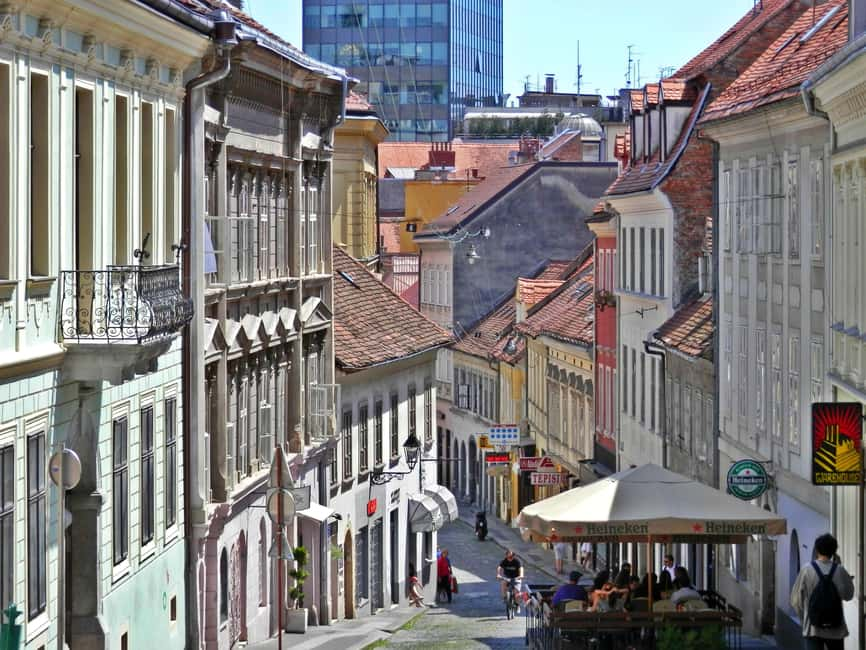
From there, you head to Tkalčićeva Street, known as one of Zagreb’s most lively streets. This is where the guide shifts to what locals do for fun, plus legends that connect the street to Zagreb’s personality. It is a different style of storytelling than church foundations and medieval gates, and it helps the city feel real.
This pairing works well because it balances two Zagreb moods:
- the “here is where everyday life happens” mood at Dolac
- the “here is how people relax and talk” mood on Tkalčićeva
Bloody Bridge Street: A Name With a Story Behind It
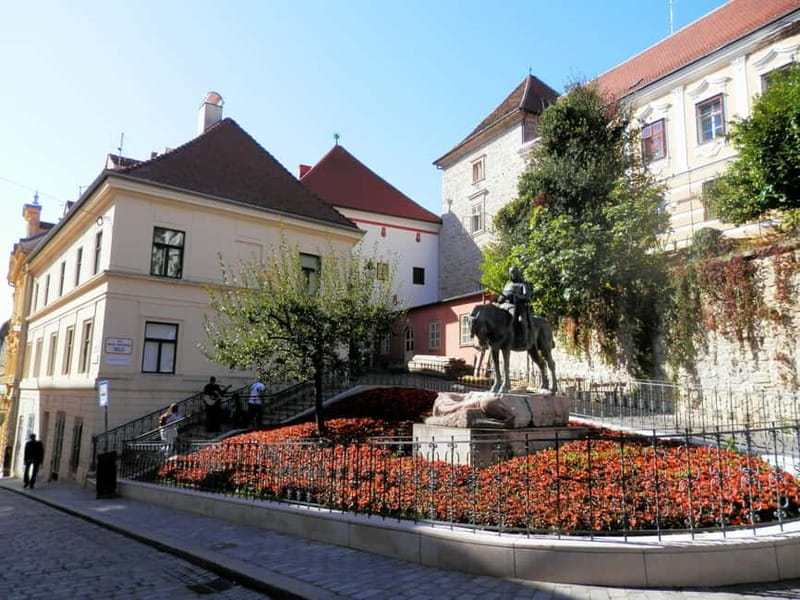
Then you pass the street known for the Bloody Bridge name. It sounds dramatic, and the guide makes it make sense. The point of this stop is not to scare you. It is to show how place names often carry old events and local memory, even when the street today feels ordinary.
You get the explanation tied to how the bridge area got its name, and suddenly you start noticing what Zagreb does well: it layers meaning onto places you might otherwise rush past.
If you like walking tours that explain why the city got its nicknames, this stop hits.
More marble lanes taken slowly:
- Zagreb Small Group Guided Walking Tour with WW2 Tunnels
★ 5.0 · 380 reviews - Zagreb: Restaurants, Food & Old Town Walking Tour
★ 5.0 · 191 reviews - Zagreb Unveiled: Private walking tour with a local guide
★ 5.0 · 185 reviews - Zagreb: Restaurants, Food & Old Town Walking Tour
★ 4.7 · 170 reviews
Gradec Hill, Stone Gate, and a Miracle Story
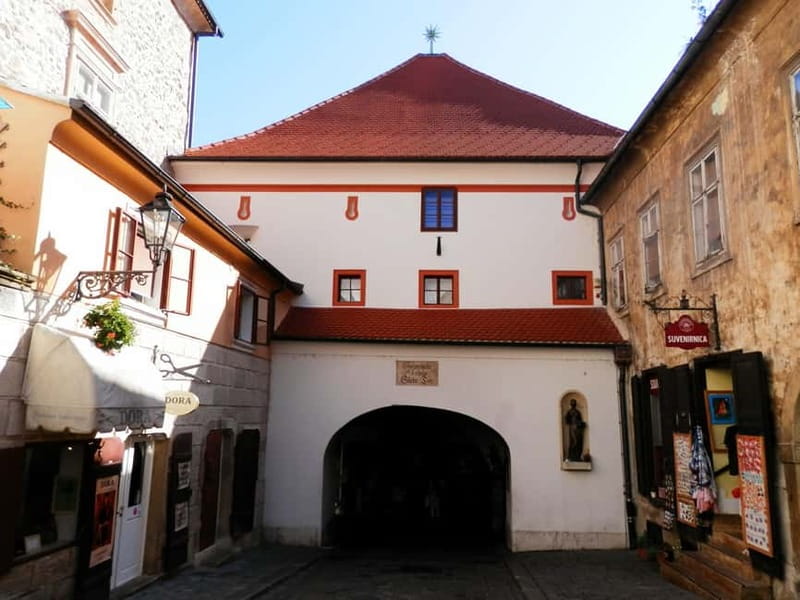
At some point you climb up to Gradec Hill, and that is when the tour really turns into a historic stroll. Gradec is where you get the medieval feel, and you will pass through the Stone Gate while hearing a miracle story tied to the area.
This is one of those stops where the guide’s job is to slow you down. You are not just looking at a gate. You are learning how old defensive entrances shaped movement and how stories got wrapped into those transitions.
You also see Zagreb’s first pharmacy along the way. That detail gives you another angle on the city’s past, one that is about daily life and services, not just wars and walls.
If you are the kind of traveler who enjoys “small history” as much as big monuments, you will probably enjoy these Gradec segments.
St. Mark’s Church Roof, Parliament, and Government Buildings
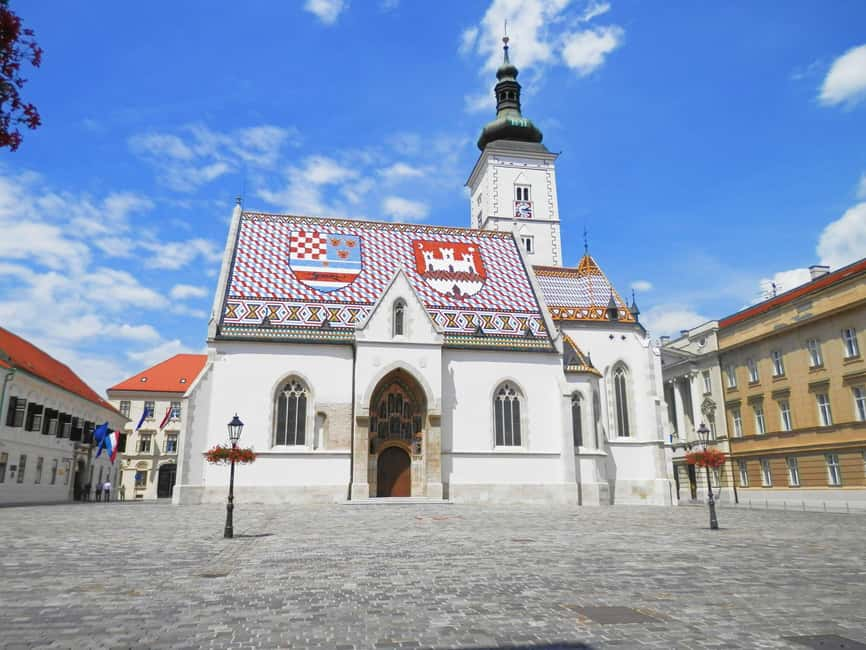
The heart of Gradec today includes St. Mark’s Church with its colorful roof. You get time here with the guide, so you are not just taking a photo and moving on. The church becomes a focal point for what makes the Gradec skyline recognizable.
From there, the walk continues past the Parliament and Government buildings. Even though these are not medieval structures, the contrast matters. Zagreb’s older city and its modern civic center sit close enough that you can feel the city evolving.
This is one reason I like this tour route. It helps you notice how Zagreb did not freeze in time. It kept moving, and the present sits next to the past.
Ćirilometodska Street: Alphabet, Theater, Witches, and Art
As you head along Ćirilometodska Street, the stories start to widen beyond buildings. The guide connects the street to alphabet, theater, witches, art, and marriage.
You might think a walking tour would focus only on big monuments, but this segment is more like cultural Zagreb 101. It turns the city into a set of living ideas, where language, performance, folklore, and creativity all leave traces.
This is also a nice psychological reset. After churches and gates, you get a more human, playful part of the walk. You still get context, but it is lighter and easier to digest.
St. Catherine’s Church: Baroque Stucco and a Painted Ceiling
St. Catherine’s Church is short on time but heavy on visual impact. You will learn what it is known for, including Baroque stucco decorations and a painted ceiling.
This stop works well because it lets you switch from street-level stories to details you can see with your eyes. The guide helps you understand what you are looking at, and you get enough time to actually notice rather than rush through.
If you like churches mainly for their design, this is a highlight. If you dislike long indoor stops, you should still be satisfied because the visit is brief.
Lotrščak Tower and the Noon Cannon Fire
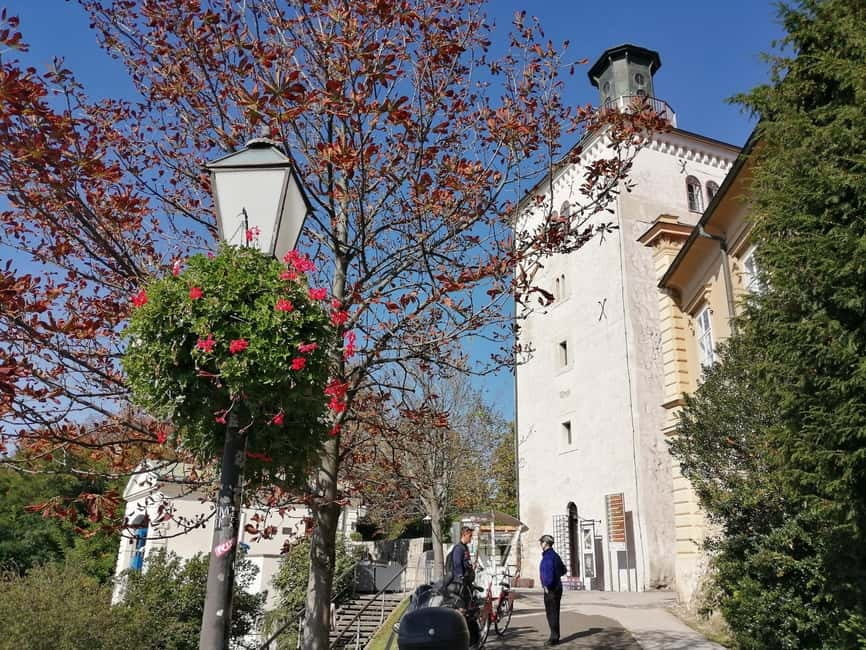
Lotrščak Tower comes next, and it is a key moment. You get to see it as part of the original defensive walls dating back to the 13th century, with an origin story that makes the tower feel connected to the city’s defensive logic.
There are also scenic views along the way, which you will appreciate if you like photographing from higher ground. This stop also gives you time to breathe and look around, especially before the most dramatic moment.
Right on time, you get to hear the cannon fire at noon. The guide also frames it in a practical way, so you do not walk in expecting anything chaotic. It happens daily, and it becomes one of those “only in this city” experiences that sticks.
Even if you are not a cannon person, it is a fun, memorable way to mark the middle of the route and move into the final stretch.
Uspinjača Funicular: Ticket Included, But Check the Reopen Date
The funicular ride is billed as the shortest funicular ride in the world, with a ticket included. For many first-time visitors, it is the playful reset after the Gradec climb, and it makes sense as a natural transition to the lower main square.
But there is a critical practical issue. The funicular is currently being renovated and is closed, with reopening expected in March 2026. If your trip is before that, you should plan around the chance that the funicular part may not happen the way you expect.
Because the tour still ends in the city center, you likely still leave with a strong route through Zagreb’s key areas. Still, if the funicular is a must for you, check the timing before you commit.
Ending at Ban Jelačić Square: Modern Zagreb as Your Finishing Point
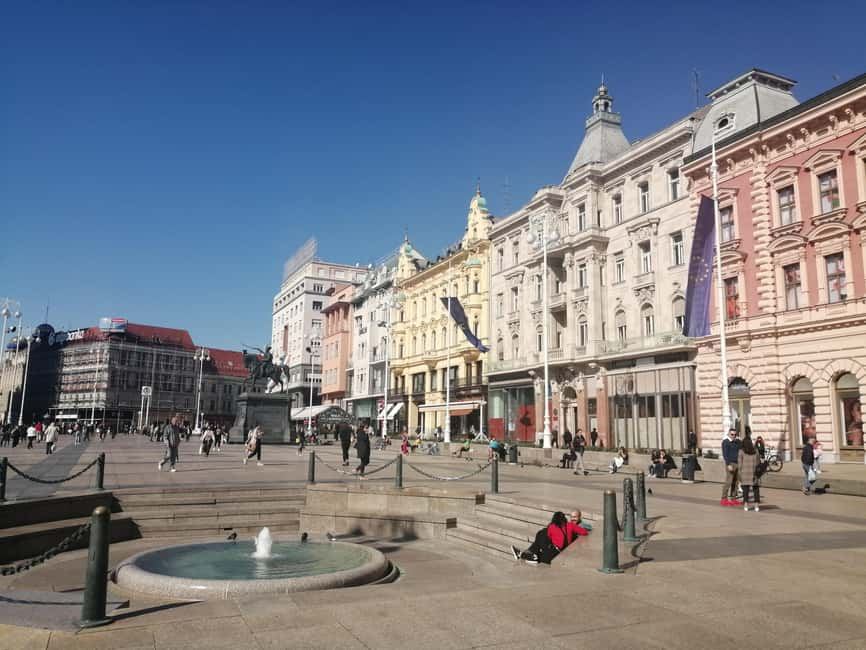
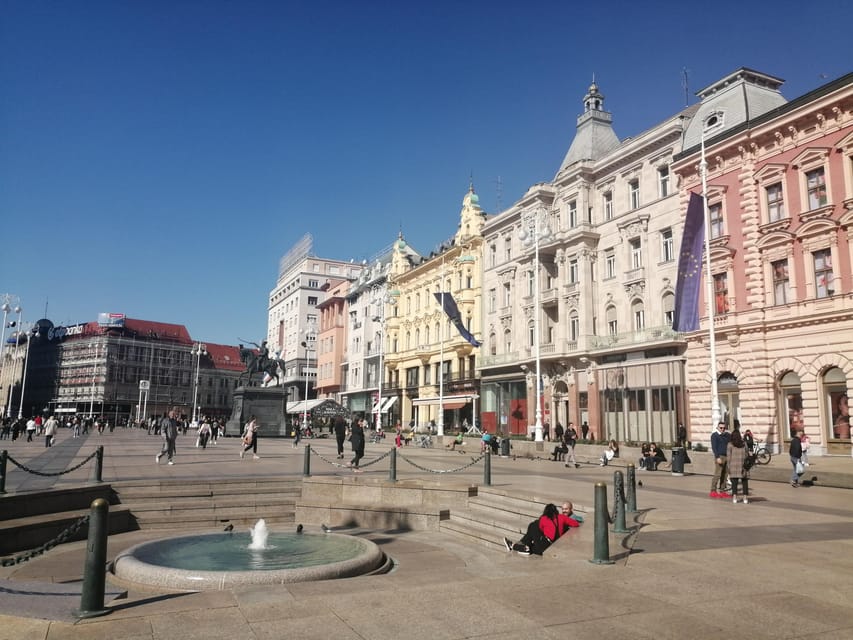
You finish at Ban Jelačić Square, Zagreb’s main square and the heart of modern-day Zagreb. This ending point is convenient. It puts you in the center of cafés, shops, and easy connections, so you can keep exploring right away without extra planning.
The guide will also share recommendations for what to do with the rest of your time in Zagreb. That is a big value-add because it turns the tour from a standalone experience into a starting point for your day.
If you want the tour to shape your itinerary after it ends, this is the right finish. You are close to the places where you can easily continue on foot.
Price and Value: What $23 Buys You in Zagreb
At about $23 per person for roughly 150 minutes, this tour is priced like a practical way to get oriented. You are paying not just for walking, but for a licensed English-speaking local guide, story-focused pacing, and entry-level context for major sites.
The funicular ticket being included is also part of the value equation. If the funicular is running on your date, that is a bonus transport element folded into the price. If it is closed on your travel dates, you are still getting the core guided walk through the Cathedral, market areas, Gradec Hill landmarks, and Lotrščak Tower.
For me, the best value is the combination of:
- a route that hits the main highlights
- storytelling that explains the why behind names and buildings
- small-group scale so the experience stays personal
Who This Tour Suits Best (And Who Might Want to Skip It)
This is a great fit for first-timers who want Zagreb’s highlights with enough detail to feel like you actually learned something, not just “saw photos.” It also works well if you like local personality, since the tour includes legends, fun local habits, and the market atmosphere.
If you are traveling with limited time but still want a guided overview that goes beyond museums, the 150-minute format is sensible. And if you prefer smaller groups, the cap of 15 keeps the whole walk from feeling crowded.
The one group where I would pause is travelers who specifically want guaranteed funicular access right now. With renovations ongoing until March 2026, you will want to double-check your dates before treating the funicular ride as guaranteed.
Should You Book This Zagreb Stories Tour?
I would book it if you want an efficient, story-driven walk through central Zagreb, and if you enjoy learning how place names, churches, and old streets got their meaning. The small group size, the noon cannon moment, and the guide-led context across the route make it more than a basic sightseeing walk.
I would double-check your funicular timing if that ride is a top priority. Otherwise, even without relying on the funicular, the route still delivers a strong Zagreb overview, ending in the most convenient place to continue exploring on your own.
FAQ
How long is the Zagreb group walking tour?
The tour runs for about 150 minutes.
Where does the tour start?
You meet at Nikola Šubić Zrinski Square (Zrinjevac), next to the meteorological post. The guide holds a Zagreb Stories sign.
Is the tour in English?
Yes, it is an English-language tour with a licensed local guide.
Is the funicular included?
The funicular ticket is included in the tour, but the funicular is currently closed for renovations, with reopening expected in March 2026.
How large is the group?
The tour is designed as a small group, with no more than 15 people.
Does the tour include the noon cannon fire?
Yes. You will be at Lotrščak Tower in time to hear the cannon fire at noon.
Latest arrivals logged at Zagreb



Walking Tours, compared.
Walking Tour of Split and Diocletian’s Palace
Read our review →
Krka Waterfalls tour with Trogir Walking tour and Krka panoramic boat cruise
Read our review →
City Walls Early Morning or Sunset Walking Tour
Read our review →Browse the lists this tour appears in