
Reviewed · HISTORICAL TOURS
VIP Experience Ticket: Video Game History Museum Zagreb
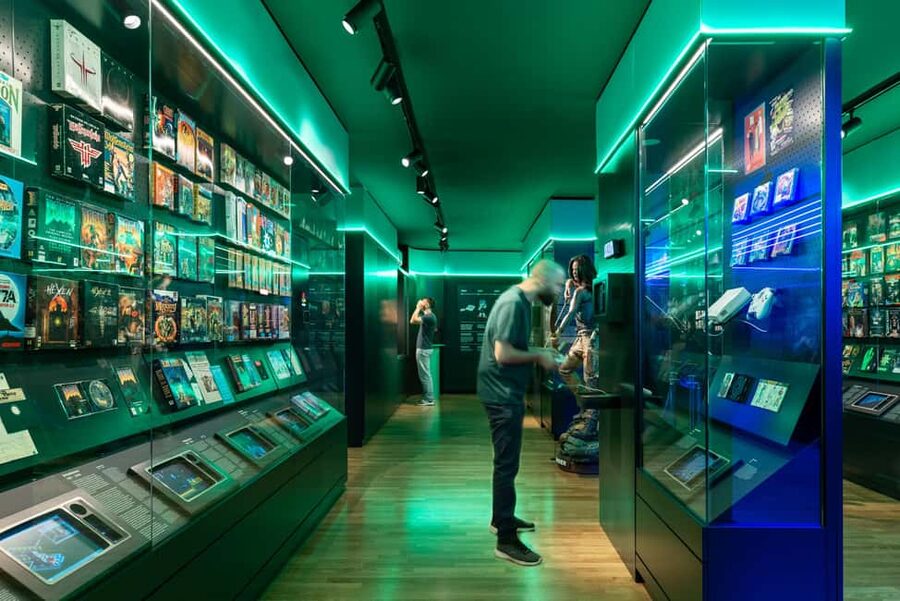
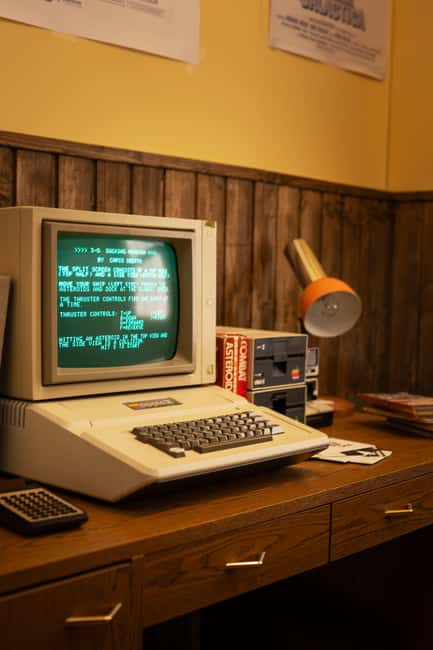
A museum for the controllers you remember. In Zagreb, the Video Game History Museum turns decades of gaming tech and culture into a walkable timeline, from early experiments in the 1960s to the early 2000s. I love the scale of the collection, 3,000+ exhibits, and I especially like that you are not stuck watching, you are meant to experience the machines themselves.
One thing to keep in mind: because the museum leans hard on interactive hardware, you should expect that a few stations might not be running at full power at any given moment.
In This Review
- Key highlights worth planning around
- Video Game History Museum Zagreb: a smart one-day stop in the center
- Price and VIP value: what $25 buys you (and why it matters)
- Getting to Draškovićeva 10 and starting without wasting time
- The intro tour: how you should use it
- Three floors of gaming evolution, from the 1960s to early 2000s
- Arcade classics: Computer Space and PONG in context
- Rare consoles, computers, and the paper side of gaming
- Interactive playable machines: the best part, with one realistic caveat
- How to pace your visit when you have one full day
- Museum store and the little extras you actually want
- Who should book the VIP ticket, and who should plan differently
- Should you book this VIP experience in Zagreb?
- FAQ
- Where is the Video Game History Museum in Zagreb?
- How much is the VIP Experience Ticket?
- How long is the experience valid?
- What’s included with the VIP ticket?
- What can I see at the museum?
- Are pets allowed inside the museum?
- Can I bring food and drinks?
- Is smoking or vaping allowed?
- Is there free cancellation, and how does it work?
- Can I reserve now and pay later?
Key highlights worth planning around
- 3,000+ exhibits across three floors, covering gaming’s jump from hobby to industry
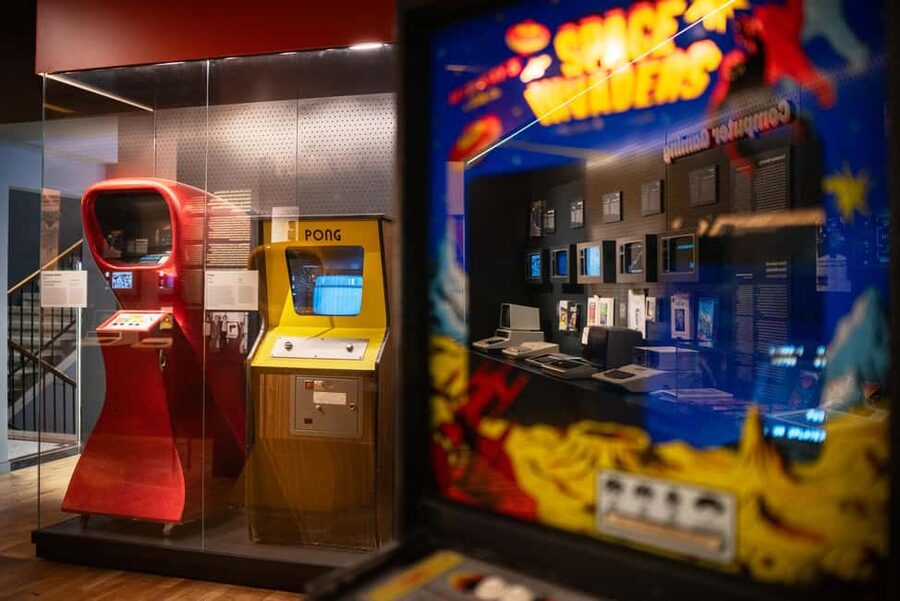
- Arcade icons like Computer Space and PONG, perfect for seeing how game design evolved
- Rare consoles and computers, plus original artworks and promotional materials that show the business side
- VIP skip-the-line entry and an intro tour, so you start faster and waste less time wandering
- Playable stations, the best part for many visitors, but some may be out of service
- Exclusive playing cards and a 10% store discount, a nice add-on if you like souvenirs
Video Game History Museum Zagreb: a smart one-day stop in the center
Zagreb is full of classic city sights, but this museum gives you a different kind of connection to place. It is in the city center, at Draškovićeva 10, so it works as an easy plan that does not eat your whole day. And it is not only for people who have been gaming since childhood. Even if you arrived as a casual fan, the museum tells a clear story: games did not just get better, the whole industry changed.
What I like most is the time range. You get to see how early systems shaped what later generations expected from games, from simple interactions to the polished, media-ready experiences of the early 2000s. The museum covers more than 800 square meters over three floors, so you are moving, reading, and checking out gear instead of staring at a single room.
The ticket is also priced to feel reasonable for what you get. At $25 per person for a full-day admission experience, plus extras, it is the kind of activity that does not make you wonder if you should have spent that money on dinner instead.
Price and VIP value: what $25 buys you (and why it matters)
The VIP Experience Ticket is $25 per person for a 1-day entry. That cost makes the most sense if you actually use what the VIP ticket includes. Here is the practical math.
You get:
- Admission plus a physical ticket
- Skip-the-line entry, so you do not lose your time slot to waiting
- An intro tour to help you orient quickly
- Exclusive VGHM playing cards
- A 10% discount at the museum store
The museum is packed with over 3,000 exhibits, spread across multiple floors. A skip-the-line entry is not a luxury when you are walking into a large collection, it helps you get into the fun part sooner. The intro tour matters because you can otherwise spend the first half of the visit just figuring out where the best interactive areas are.
And the playing cards plus store discount are small, but they are real value. They give you a souvenir that fits the theme, not a random postcard.
If you are a hardcore gamer, the value improves further. You tend to spend more time with consoles, cabinets, and interactive stations, and this museum clearly wants you to do that.
More Croatian rooms out of the sun:
- Zagreb: Skip-the-Ticket-Line Museum of Broken Relationships★ 4.5 · 847 reviews
- Zagreb: Nikola Tesla Technical Museum Ticket★ 4.5 · 520 reviews
- Zagreb: Museum of Illusions Entrance Ticket★ 4.0 · 261 reviews
Getting to Draškovićeva 10 and starting without wasting time
Because the museum is in Zagreb City Center, you can plan it like a normal attraction. I like that you do not need a complicated route or extra transit steps to make it happen. The address, Draškovićeva 10, is straightforward, and the skip-the-line entry helps when you are fitting this into an already packed sightseeing day.
If you can, arrive early in your day window. With a museum this size, you want time to play before fatigue sets in. Also, the rules are strict about what you can bring in and what you can do inside. Plan on traveling light, because oversized luggage and lots of baggage are not allowed.
A simple approach works best:
- Come ready to move between three floors
- Keep your hands free of bags that could slow you down
- Expect a day that mixes reading with hands-on play
The intro tour: how you should use it
The VIP ticket includes an intro tour. I treat that as your roadmap moment. When a museum has thousands of exhibits, a good orientation can save you from walking past the best areas simply because you did not know they were worth your time.
Use the intro tour to pick a pace. Ask yourself:
- Do I want to spend most time playing, or also reading every timeline panel?
- Which era makes me curious first, the early arcade period or the later console boom?
- Do I need breaks, or can I keep moving?
Even a short orientation can help you decide the order you want to see everything. You can then build a visit around the exhibits that actually match your interests, rather than treating it like a checklist.
Three floors of gaming evolution, from the 1960s to early 2000s
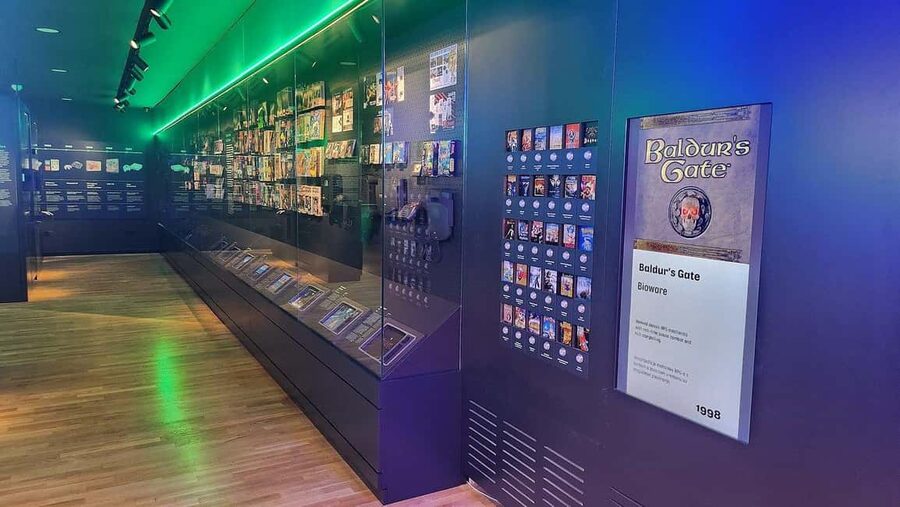
The museum’s structure is built around a clear story arc. Three floors trace the evolution of gaming culture, from the 1960s through the early 2000s. That is a smart range because it covers not just hardware, but also how game culture grows alongside technology.
You can think of the visit in phases.
Early years phase: experiments and the foundations
This is where you start to see what made games possible at all. Even if you are not a tech nerd, it helps you understand the big idea: games were shaped by hardware constraints, and those constraints influenced design choices.
Arcade and mainstream acceleration phase
Next, you hit the era where games became a public experience. The museum highlights famous arcade machines, and that matters because arcades were where a lot of people first met gaming as a social activity, not a private hobby.
Console and the media-ready era phase
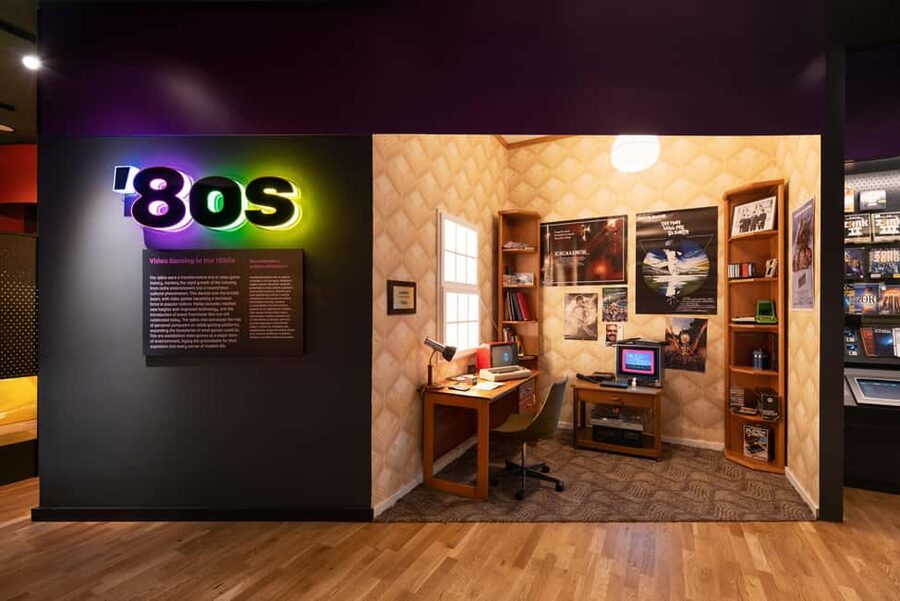
As you move toward the early 2000s, you can see how consoles and computers helped gaming spread beyond dedicated spaces. This is also where promotional material and artwork feel especially relevant, because you start seeing how the industry marketed itself.
The museum also points out that gaming is an industry bigger than film and music combined. That kind of claim is easy to toss around, but the exhibition makes it feel real by showing scale, branding, and how fast the systems advanced.
More Venetian stones and Roman streets:
- Zagreb: City & History Walking Tour & WW2 Tunnels
★ 4.9 · 1,202 reviews - Authentic Croatian Food & Heritage Walk in a Small Group
★ 5.0 · 36 reviews - Sites & Bites Private Food and History Tour of Zagreb
★ 5.0 · 35 reviews - VIP Experience Ticket: Video Game History Museum
★ 5.0 · 33 reviews
Arcade classics: Computer Space and PONG in context
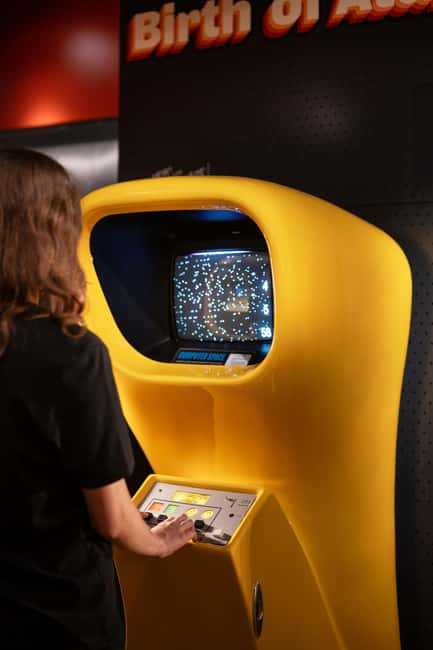
If you love gaming history, the arcade corner is hard to skip. The museum includes legendary arcade machines like Computer Space and PONG. Those names matter because they represent more than nostalgia. They represent early lessons in game rules, feedback, and the simple thrill of getting better at something quickly.
When you stand in front of early arcades, you can see what developers cared about most:
- Clear, readable action
- Fast cause and effect
- A loop you can understand in seconds
That is also why arcade exhibits can feel like mini history lessons. Even without reading every panel, the machines teach you. You learn the design logic by watching how they play and how people react to them.
And if you are the type who likes to compare eras, arcades are a great anchor point. You can remember what early gameplay felt like, then walk forward and notice how later systems expanded visuals, sound, and complexity.
Rare consoles, computers, and the paper side of gaming
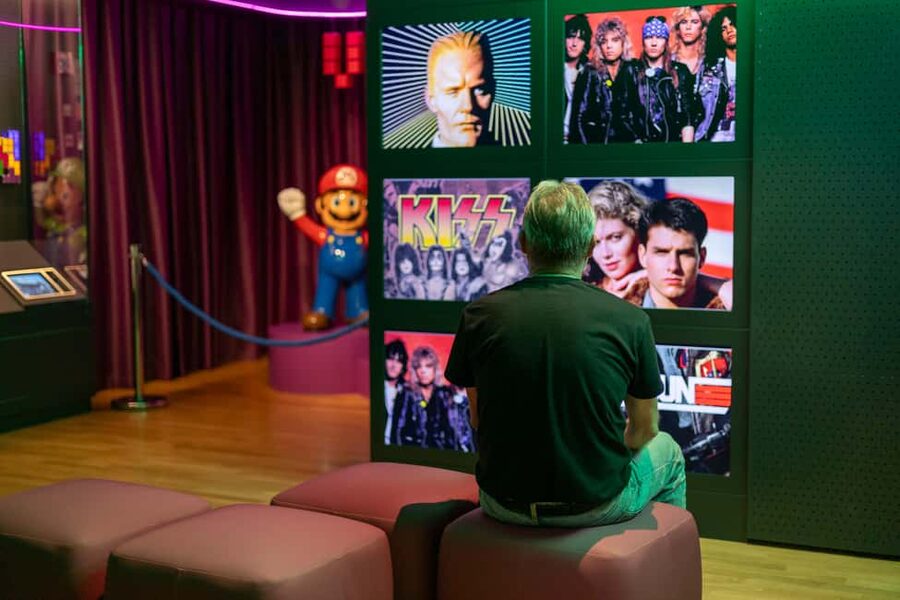
This museum does not only focus on devices you might want to own. It also includes original artworks and promotional materials. That is a big deal if you want to understand gaming as a culture, not just a pile of gadgets.
You will find rare consoles and computers, along with the kinds of artifacts that show how games were packaged, sold, and celebrated. Promotional material helps you connect the tech to the audience. It is where you start noticing trends in branding, genre expectations, and how creators tried to pull players in.
If you are into graphic design, concept art, or marketing history, this part of the museum can be surprisingly satisfying. If you are mostly interested in the hardware, you will still appreciate seeing the surrounding ecosystem, because it explains why certain systems succeeded.
One practical note: the museum is family-friendly in subject matter, but it comes with strict rules. Touching exhibits is not allowed, and certain items are banned. So treat the collection like a museum, even when the subject is play.
Interactive playable machines: the best part, with one realistic caveat
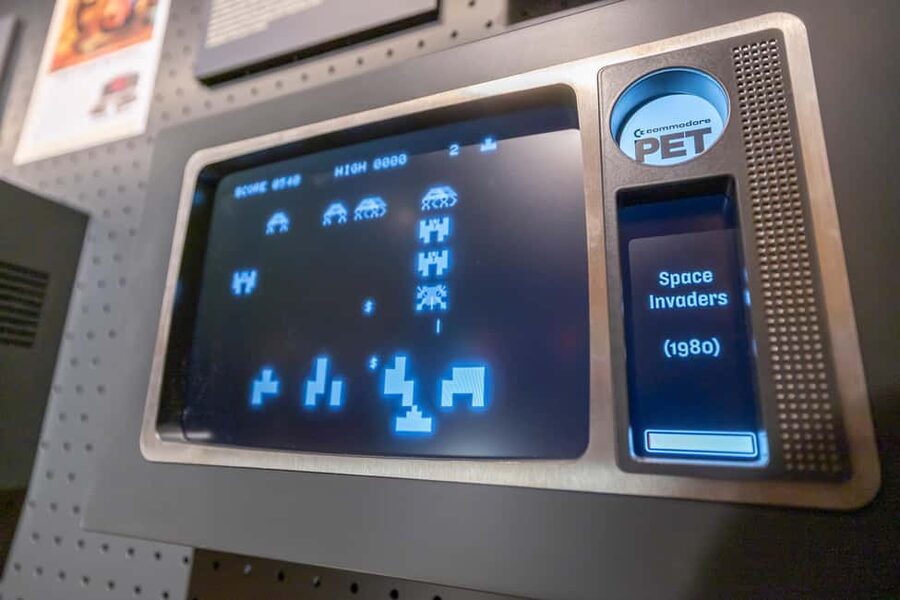
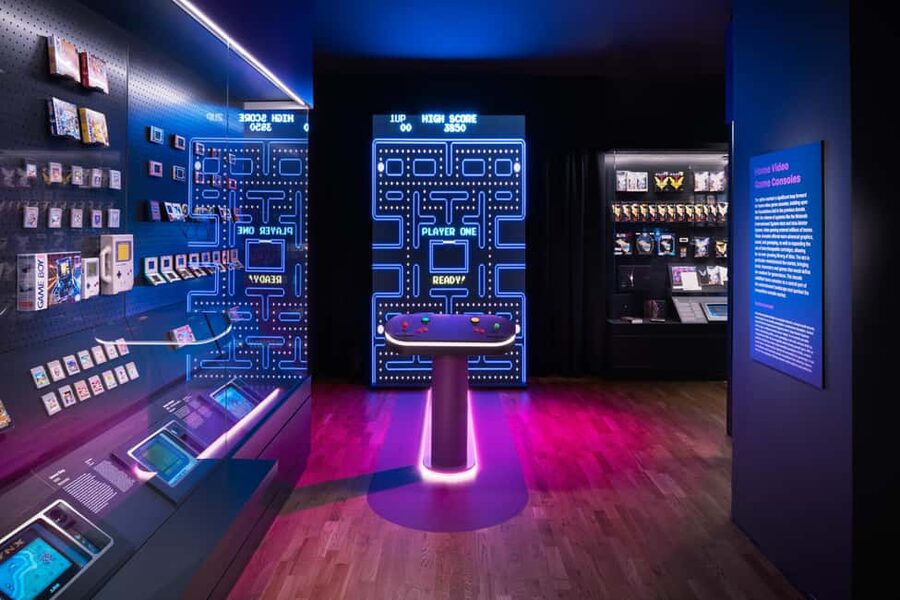
The museum leans into interactive stations, and that is what many people come for. You get the chance to play and operate machines in a way that makes the timeline feel hands-on. The museum’s focus on interactive gear is one of its strongest draws.
That said, you should go in with a realistic expectation: machines are old, and public use adds stress. You may encounter some stations that are not working perfectly. It does not ruin the whole visit, but it can affect how much time you spend on a specific station you were excited about.
So plan like this:
- Prioritize the eras and legends you care most about
- Be flexible if a specific machine is down
- Use downtime to explore nearby exhibits instead of waiting endlessly
This approach protects your day. You still get value from the collection, and you do not lose momentum.
How to pace your visit when you have one full day
With a museum this large, the biggest risk is spending too long on one section and then rushing the rest. I suggest a rhythm that fits a 1-day visit.
Try this pacing:
1) Start with the intro tour and pick your first target era
2) Spend a block of time on arcade legends and playable stations
3) Move upward through the timeline and add reading where it helps you connect eras
4) Save late-stage consoles and computers for a second pass if you are still energized
5) Finish with paper artifacts and artworks, then circle back to any playable machines you missed
You do not have to read everything. But if you treat the museum like a story, not a storage unit of consoles, you will enjoy it more.
Also, consider using shorter sessions. Even if you are a die-hard fan, the museum encourages movement through many rooms. Breaking it up keeps your attention sharp.
Museum store and the little extras you actually want
The VIP ticket includes a 10% discount at the museum store, which is nice if you like collecting gaming-themed souvenirs. The museum also gives you exclusive VGHM playing cards.
I like this kind of add-on because it fits the theme. It is not random. If you play card games, you can even repurpose them at home and remember the museum later.
If you enjoy bringing something small back from trips, this helps. You can turn your final stop into a practical souvenir moment without forcing yourself to buy something expensive.
Who should book the VIP ticket, and who should plan differently
This is a strong match for:
- People who love gaming history from early arcades to later consoles
- Adults who want a rainy-day activity that feels different from standard museums
- Tech and design fans who care about hardware, media, and branding
It is also a decent fit for families, as long as everyone understands the museum rules. The focus on interactive machines is appealing for kids, but the collection includes older equipment. That means a calm, respectful approach matters.
If you are coming only for the newest games, this will not be your type of museum. If you want hands-on play, it is a better fit, just remember that a few stations might not always be available.
Should you book this VIP experience in Zagreb?
I would book it if you want a serious dose of gaming culture in one day, and you like museums where the objects are meant to be experienced, not just photographed. For $25, the VIP extras, skip-the-line entry, and intro tour help you get more out of your time inside a large, three-floor collection.
Skip the VIP only if you are trying to minimize cost at all costs, or if you are the type who hates rules and lines and would rather see a more flexible attraction. Otherwise, this is a smart, central Zagreb stop that scratches a rare itch: it shows you how games became a major global industry, one console and arcade cabinet at a time.
FAQ
Where is the Video Game History Museum in Zagreb?
It is located in Zagreb City Center at Draškovićeva 10.
How much is the VIP Experience Ticket?
The VIP ticket price is $25 per person.
How long is the experience valid?
The ticket is valid for 1 day, based on available starting times.
What’s included with the VIP ticket?
VIP includes admission plus a physical ticket, exclusive VGHM playing cards, skip-the-line entry, a 10% discount at the museum store, and an intro tour.
What can I see at the museum?
You can explore gaming history from the 1960s to the early 2000s across more than 800 square meters and three floors, with 3,000+ exhibits. Highlights include arcade machines such as Computer Space and PONG, rare consoles and computers, and original artworks and promotional materials.
Are pets allowed inside the museum?
Pets are not allowed. Assistance dogs are allowed.
Can I bring food and drinks?
Food and drinks are not allowed.
Is smoking or vaping allowed?
No. Smoking and vaping are not allowed, including smoking indoors.
Is there free cancellation, and how does it work?
Yes, you can cancel up to 24 hours in advance for a full refund.
Can I reserve now and pay later?
Yes, you can reserve now and pay later.
Latest arrivals logged at Zagreb






Historical Tours, compared.

Walking Tour of Split with a ‘Magister’ of History
Read our review →
Split Walking Tour with Professor of History
Read our review →

Split History and Gastro Small-Group Tour with Food and Drinks
Read our review →
PREMIUM Emperor’s Walking Tour for History Lovers + Museum
Read our review →Browse the lists this tour appears in