
Reviewed · HISTORICAL TOURS
Historical & Cultural Walking Tour in Zagreb
Zagreb’s center tells its story fast. This 2.5-hour walking tour strings together the city’s most meaningful landmarks, from the square where public life gathers to the streets that grew out of an old creek. I like how the route is easy to follow, with short stops so you get context without feeling stuck in one place.
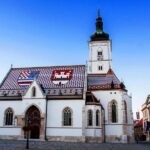
What I really like is the focus on Zagreb’s architecture and sacred buildings. You’ll stand at the city’s main square, then head to the Cathedral of Zagreb, the tallest building in Croatia, rebuilt again and again after earthquakes and wars. And if Saint Mark’s Church is part of your route, it’s the kind of church detail that people keep mentioning as a favorite.
The second big win is the market time. Dolac is there for a reason, open-air and active since 1930, giving you a real taste of how locals buy produce. One thing to consider: most of the experience is outdoors, and with multiple short stops, you’ll want comfortable shoes and a quick-photo mindset rather than lingering for long.
In This Review
- Key Highlights You’ll Feel on the Walk
- Starting at Ban Josip Jelačić Square, the city’s main gathering room
- Mandusevac Fountain and the Zagreb name, water as the first big clue
- Cathedral of Zagreb, tallest in Croatia and built to survive
- Dolac open-air market since 1930, everyday Croatia in motion
- Tkalčićeva Street over a former creek, medieval lines turned into walkable streets
- Krvavi Most bridge, two rival towns and the legend of street fights
- Stone Gate and the extra surprise stops, finishing at the city’s edge
- Price and logistics for a 2.5-hour Zagreb loop
- What the 20-minute stops mean for your day
- How the guide can improve your stops, especially around churches and food
- Who should book this Zagreb walking tour (and who might skip it)
- Should you book this Zagreb Historical & Cultural Walking Tour?
- FAQ
- How much is the Zagreb Historical & Cultural Walking Tour?
- How long does the tour last?
- Where does the tour start and end?
- What time does the tour start?
- What’s included in the price?
- Are the stops free to enter?
- What is the cancellation policy?
Key Highlights You’ll Feel on the Walk
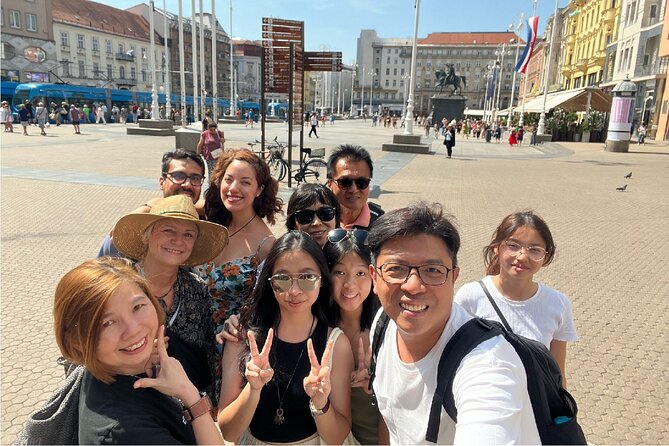
- Ban Josip Jelačić Square as a real-world starting point for events and gatherings since the 19th century
- Mandusevac Fountain, tied to where the city’s water began and even how the name Zagreb emerged
- Cathedral of Zagreb up close, including its repeated rebuilding after earthquakes and wars
- Dolac market since 1930, a classic window into everyday local life
- Tkalčićeva Street over a former creek, showing how medieval geography became modern street life
- Krvavi Most and Stone Gate, two spots that connect you to medieval conflict and old city edges
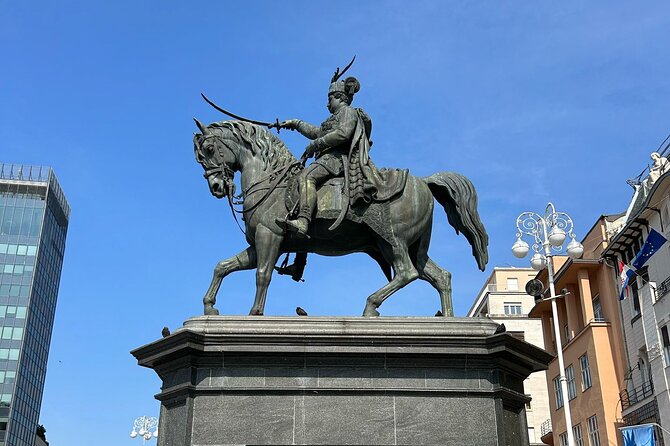
Starting at Ban Josip Jelačić Square, the city’s main gathering room
Your tour begins at Ban Josip Jelačić Square, the kind of place locals treat like the default meeting point. It’s also been used for major public events since the 19th century, so even before you hear stories, you’re standing in the middle of how Zagreb organizes itself.
This is a smart opener because you’re not just “starting walking,” you’re getting your bearings. The square is open, central, and it helps you understand what comes next, like why the fountain, cathedral, and market all feel like they belong to one downtown world.
You’ll start at 10:00 am, and you end back at the meeting point. That keeps your planning simple, especially if you’re pairing this with other Zagreb highlights the same day.
Mandusevac Fountain and the Zagreb name, water as the first big clue
Next up is Mandusevac Fountain, and it’s more than a pretty photo stop. The fountain marks the city’s historical water source, and it’s also linked to the origin of Zagreb’s name.
Why this matters for you: water is one of the earliest reasons a city forms and survives. When you connect the fountain to the city’s identity, the rest of the route stops feeling like a random collection of attractions and starts feeling like a connected timeline.
This is a short stop, about 20 minutes, so keep your questions ready. If you’re the type who likes to understand why something got named, this is where you’ll get the most payoff per minute.
More Walking Tours in Zagreb
- Zagreb: City and WWII Tunnels Walking Tour★ 4.9 · 1,230 reviews
- Zagreb: City & History Walking Tour & WW2 Tunnels★ 4.9 · 1,202 reviews
- Walking tour of Zagreb★ 5.0 · 383 reviews
Cathedral of Zagreb, tallest in Croatia and built to survive
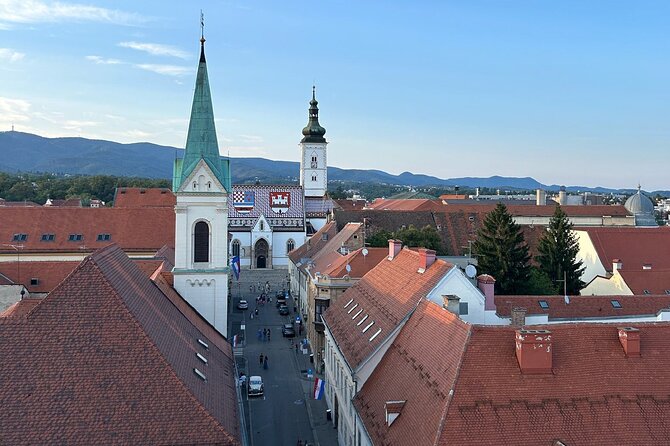
The tour then heads to the Cathedral of Zagreb, described here as the tallest building in Croatia. It also has a clear story embedded in its walls: it was rebuilt several times after earthquakes and wars.
I like this stop because it doesn’t rely on vague romance. You get a concrete survival narrative, and you can look at the building and remember that Zagreb has been shaped by interruptions and rebuilding, not just smooth growth.
Even if you’re not the biggest church fan, this cathedral stop helps you understand why Zagreb’s downtown feels so anchored. It’s a vertical landmark you can’t miss, and you’ll likely notice how it dominates the skyline in a way that makes the rest of the old town feel organized around it.
Dolac open-air market since 1930, everyday Croatia in motion
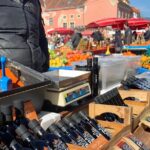
Dolac is where the tour shifts from architecture to daily life. This open-air market is where local farmers have sold fresh produce every day since 1930, which means you’re walking into a routine that has outlasted trends.
This stop is about 20 minutes, which is long enough to orient yourself without turning into a shopping spree. What I recommend is treating it like a living museum: watch how vendors display produce, notice what’s seasonal, and buy something only if it catches your eye.
Dolac is also a great place to use your guide. In the past, guides on this kind of route have pointed people toward traditional desserts and another spot for dinner. Even without specific restaurant names here, the practical idea is simple: ask what to try nearby, then decide based on what’s available and what fits your budget.
Tkalčićeva Street over a former creek, medieval lines turned into walkable streets
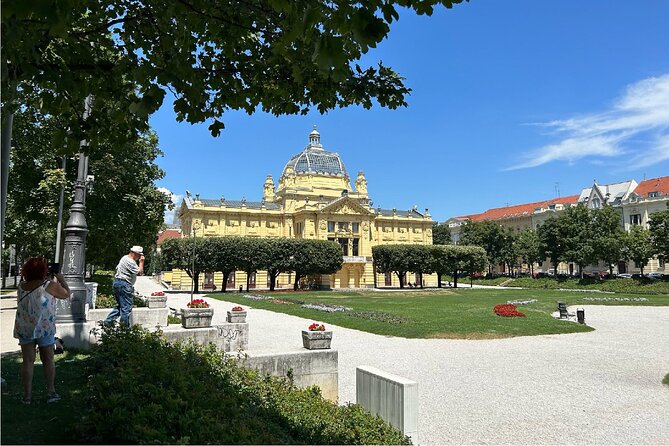
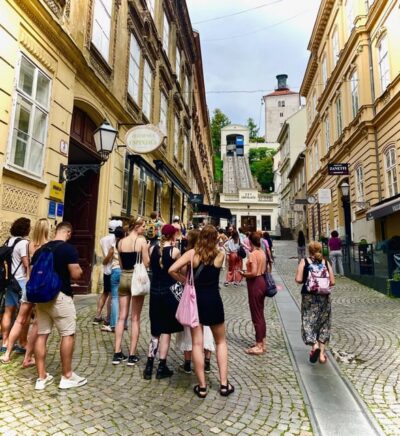
After the market, you move to Tkalčićeva Street, a historic street built over a former creek. The creek once split medieval settlements, and now it’s turned into a lively street you can simply walk along.
I love stops like this because they make the city make sense. It’s one thing to hear about medieval life. It’s another to stand on a street that literally replaced a natural divider, and feel how the city’s layout got reshaped over time.
This is about 20 minutes, so use the time to slow down and look at the street shape. When you understand that old waterway logic, it’s easier to appreciate why certain blocks feel connected even when the medieval story was about separation.
More marble lanes taken slowly:
- Zagreb Small Group Guided Walking Tour with WW2 Tunnels
★ 5.0 · 380 reviews - Zagreb: Restaurants, Food & Old Town Walking Tour
★ 5.0 · 191 reviews - Zagreb Unveiled: Private walking tour with a local guide
★ 5.0 · 185 reviews - Zagreb: Restaurants, Food & Old Town Walking Tour
★ 4.7 · 170 reviews
Krvavi Most bridge, two rival towns and the legend of street fights
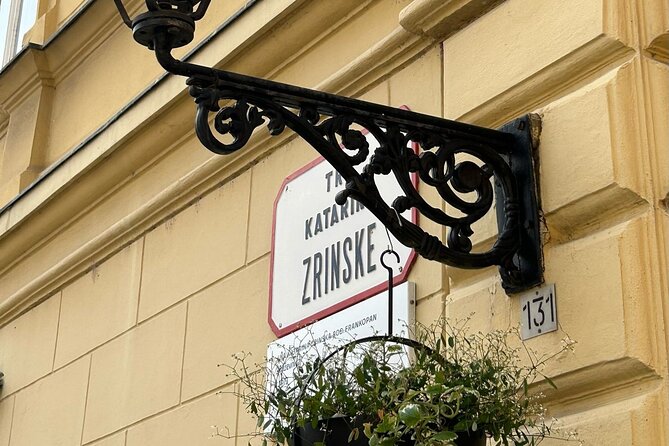
Then comes Krvavi Most, the bridge that once connected two rival medieval towns. The reason it has that edge to it is the reputation for frequent street fights between those towns.
Even if you don’t treat the story like a crime novel, it’s useful. It explains why bridges matter in city history, not just as crossings but as pressure points where identities collide. When you cross a bridge like this today, you’re doing it on a route that used to carry real tension.
This stop is also about 20 minutes. Don’t rush past the perspective. Pause long enough to take in the bridge structure and the view down the way, because that helps the medieval story stick.
Stone Gate and the extra surprise stops, finishing at the city’s edge
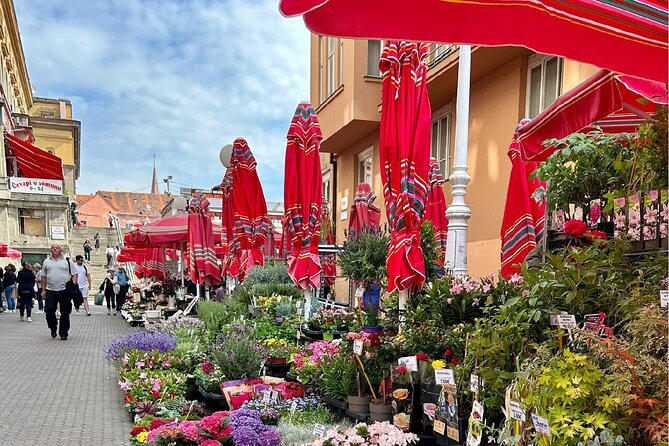
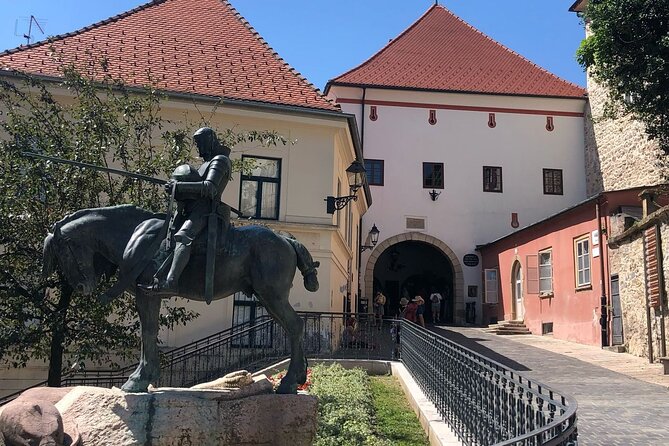
The final named stop is Stone Gate. After that, there are a few more stops along the way kept as a surprise, so you’ll likely get a couple of extra sights that round out the downtown picture.
Stone Gate works well as a “close the loop” moment because it hints at the city’s boundary thinking, even though you’re still in the middle of the urban core. It gives your walk a sense of closure, like you’re moving from civic center, to sacred landmarks, to markets, to medieval street logic, and then back toward an older sense of perimeter.
With the surprise stops, the key is flexibility. Bring curiosity, not a rigid checklist, because this last part is intentionally less scripted.
Price and logistics for a 2.5-hour Zagreb loop
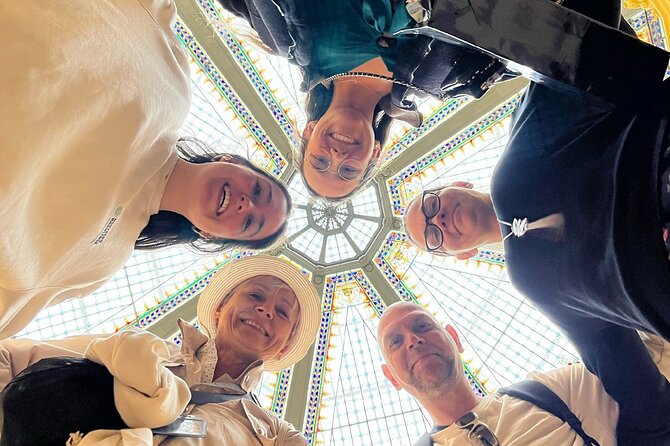
At $28 per person for roughly 2 hours 30 minutes, this tour is priced for a quick, guided overview of central Zagreb. You’re paying for a professional guide and a structured route, not just transit from stop to stop.
A big value signal here is that the major stops listed are admission ticket free. That means your money goes toward storytelling and navigation, not entrance fees. The tour also uses a mobile ticket, so you can keep it simple on your phone.
Group size is capped at a maximum of 15 people. That matters because you’ll be able to hear explanations and still move at a comfortable walking pace. It’s not a giant bus crowd, and that keeps the vibe more personal.
You’ll also be near public transportation, so if you need to adjust timing or connect to something else, it’s easier to stay flexible.
What the 20-minute stops mean for your day
This route is built from a series of about 20 minutes per main stop, then one longer segment near the end. That structure is great if you want to see a lot of the center without wearing yourself out.
Still, it helps to plan your expectations. A 2.5-hour walk is not the time for deep museum-style study. It’s the time for orientation and context. If you’re the type who likes to linger, treat the tour as your map, then return later on your own.
I also suggest keeping your phone battery charged. The most common “photo regret” on city walks is running out of juice right when you hit the best angles, especially around squares, fountains, and church exteriors.
How the guide can improve your stops, especially around churches and food
The tour’s appeal goes beyond landmarks. People often highlight the guide as both kind and friendly, and the explanations as practical enough to make the architecture feel understandable.
That guide energy matters at the church stops. When you’re standing at the Cathedral of Zagreb, and you hear how it was rebuilt after earthquakes and wars, the building stops looking like a static backdrop. It turns into a visible record of the city’s interruptions and recovery.
Food also shows up as part of the value. On this kind of route, guides commonly recommend a place for traditional desserts and another option for dinner. My advice is to ask for one dessert suggestion plus one full meal suggestion, so you don’t end up searching hungry later.
Who should book this Zagreb walking tour (and who might skip it)
This is a great match if you want a high-signal overview of downtown Zagreb with clear stops and a guide who helps you connect the dots. It’s especially good if you care about city layout, how medieval geography shaped modern streets, and how public squares became the stage for daily life.
It’s also a smart choice for first-time Zagreb visitors, because the route covers a lot of core sights without needing complicated planning.
If you want a slow, unhurried experience with long interior visits, you might feel boxed in by the pace. This route is designed to keep moving, so you’ll get stories and context, then you can choose what to revisit later.
Should you book this Zagreb Historical & Cultural Walking Tour?
Yes, I’d book it if you want a focused, walkable route that hits the places that define central Zagreb, without entrance fees eating your day. The value is strong for the price because you get a professional guide for about 2.5 hours, with multiple major landmarks marked as ticket free.
If you hate outdoor walking or need lots of seated time, then reconsider. For everyone else, this is the kind of tour that helps Zagreb click fast, especially when you’re drawn to squares, fountains, churches, and the way the city’s medieval past shows up in modern streets.
FAQ
How much is the Zagreb Historical & Cultural Walking Tour?
It costs $28.00 per person.
How long does the tour last?
The tour runs for about 2 hours 30 minutes.
Where does the tour start and end?
It starts at RX7G+8W8, Zagreb, Croatia, and ends back at the same meeting point.
What time does the tour start?
The start time is 10:00 am.
What’s included in the price?
The tour includes 2 hours 30 minutes of guided walking and a professional tour guide.
Are the stops free to enter?
The listed stops are admission ticket free, including Ban Josip Jelačić Square, Mandusevac Fountain, Cathedral of Zagreb, Dolac, Tkalčićeva Street, Krvavi Most, and Stone Gate.
What is the cancellation policy?
You can cancel for a full refund up to 24 hours in advance of the experience start time, and cancellations within 24 hours are not refunded.
Venetian Stones, Roman Streets


Latest arrivals logged at Zagreb



Historical Tours, compared.
Walking Tour of Split with a ‘Magister’ of History
Read our review →
Split Walking Tour with Professor of History
Read our review →
Split History and Gastro Small-Group Tour with Food and Drinks
Read our review →
PREMIUM Emperor’s Walking Tour for History Lovers + Museum
Read our review →Browse the lists this tour appears in